
 Wine Advisor



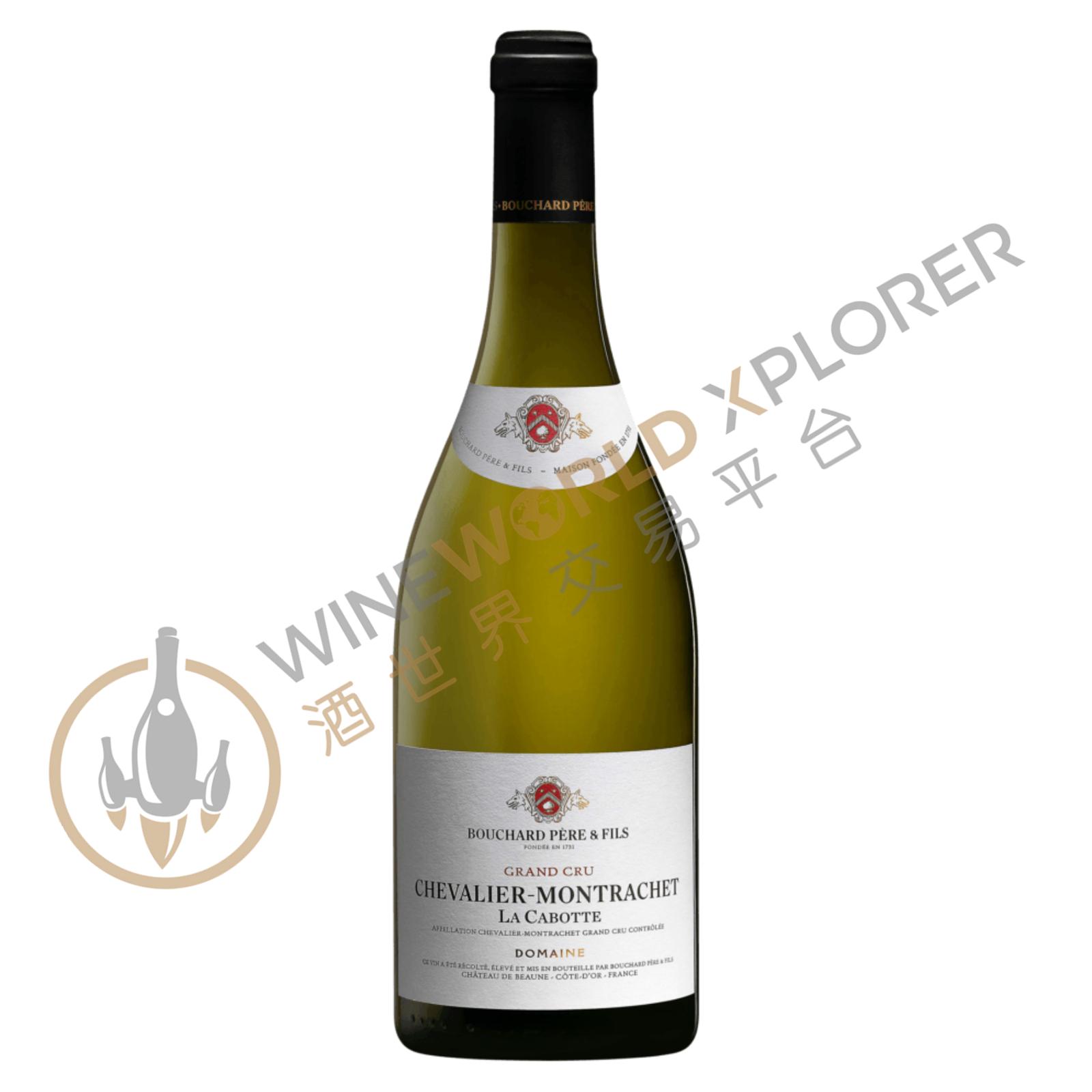
Bouchard Pere & Fils, Chevalier Montrachet Grand Cru La Cabotte 2016
 View analysis


Description
Tasting notes

Reviewed by: Stephen Tanzer
Knockout pure-but-reticent nose melds deep yellow fruits, oak char, baking spices and minerals (this always needs a lot more time than the Chevalier-Montrachet here, notes Frédéric Weber). Wonderfully silky and rich but light on its feet; a serious mouthful of lemon zest, crushed stone and spices with outstanding focus and supporting salty minerality. Really shines today for its inner-mouth tension and explosive palate-dusting finish. Bouchard's Montrachet production was off by more than 50% in 2016 (to around 23 hectoliters per hectare), but the Cabotte was less affected by frost, producing three barrels, vs. four in 2017. This wonderfully plush, fine-grained, concentrated wine is built for a long and eventful evolution in bottle.
Reviewed by: Stephen Tanzer
(just two barrels produced, vs. a normal three or four; almost finished with its malolactic fermentation): Pale, bright yellow. Musky, deeply pitched aromas of smoky oak and Montrachet-like iodiney minerality (La Cabotte is the northeastern section of Chevalier-Montrachet, which was part of Montrachet until early in the 20th century). Big, rich and deep, with savory minerality currently dominating ripe stone fruits. This very tactile, salty wine may be less energetic in the early going than the regular Chevalier-Montrachet but then it's in more of a Montrachet style, like the 2015 version: large-scaled but quite dry and classic and not expressive today. Also more tannic on the back end, and still with a malic note of spiced apple, along with an intriguing suggestion of peony remaining in the empty glass.
Reviewed by: Neal Martin
The 2016 Chevalier-Montrachet La Cabotte Grand Cru has a similar bouquet to the regular Chevalier-Montrachet this year, albeit with a subtle oyster shell scent that surfaces with time. The palate is very poised and a little nuttier and more saline than the regular bottling, although for me it does not quite deliver the same precision right on the finish. It is a bit broody at the moment and maybe closer in style to the Montrachet. Three barrels produced (since the vines were less affected by frost).
