Wine Advisor



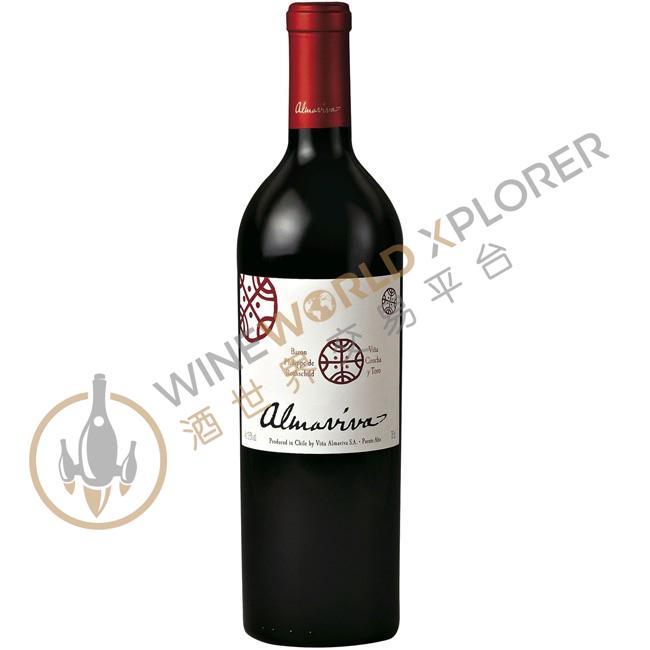
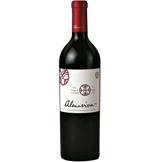
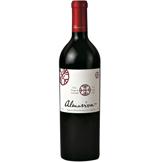
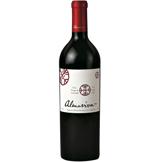
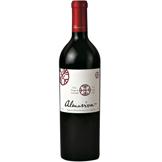
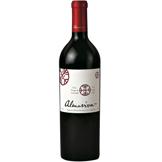
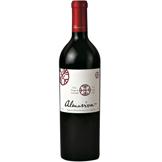
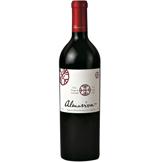
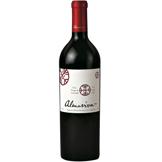
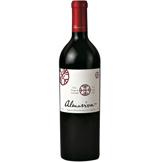
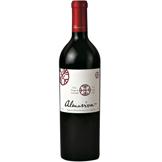
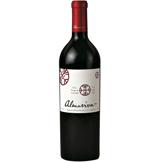
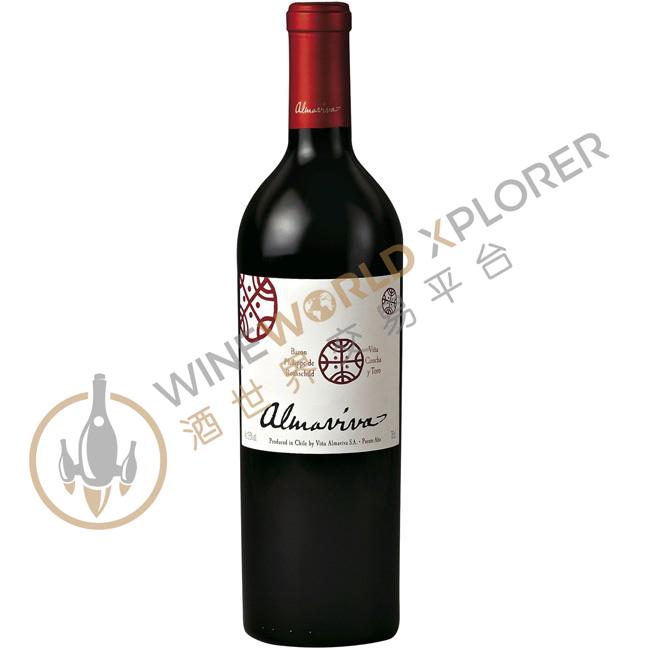
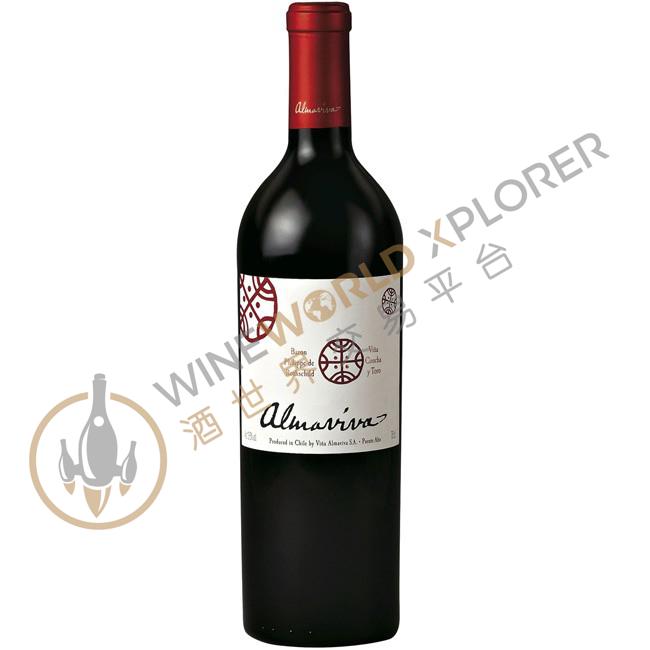
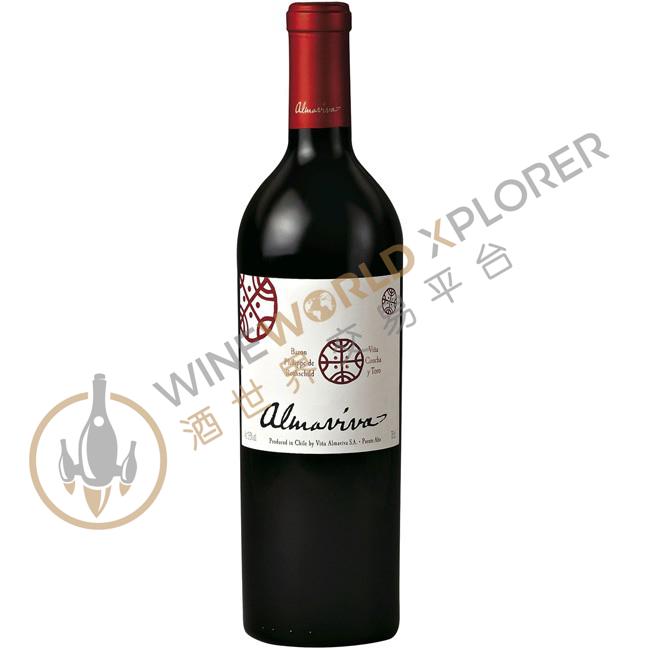
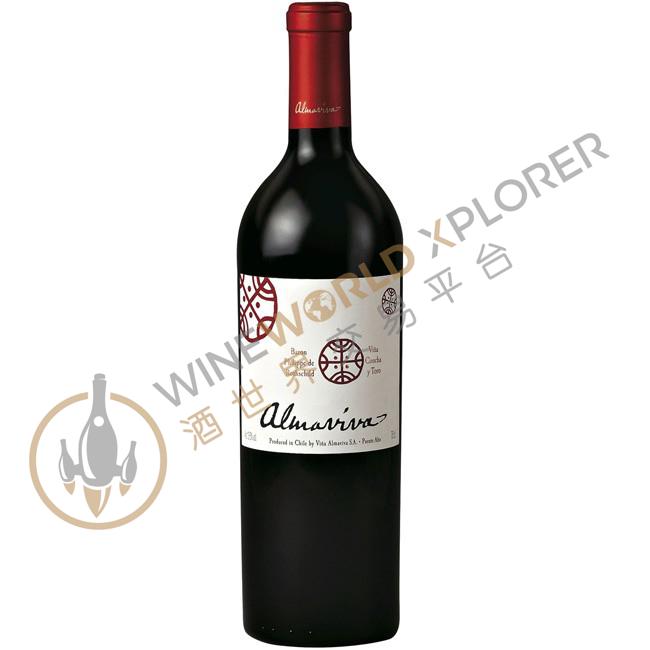
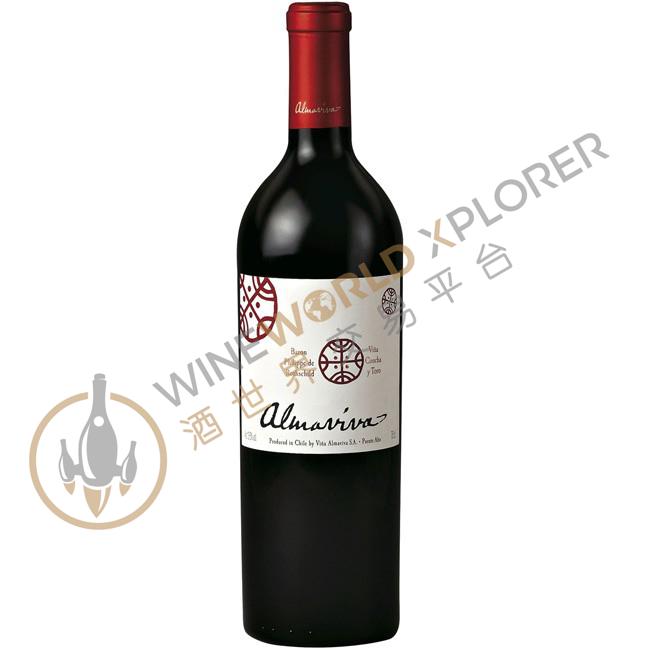
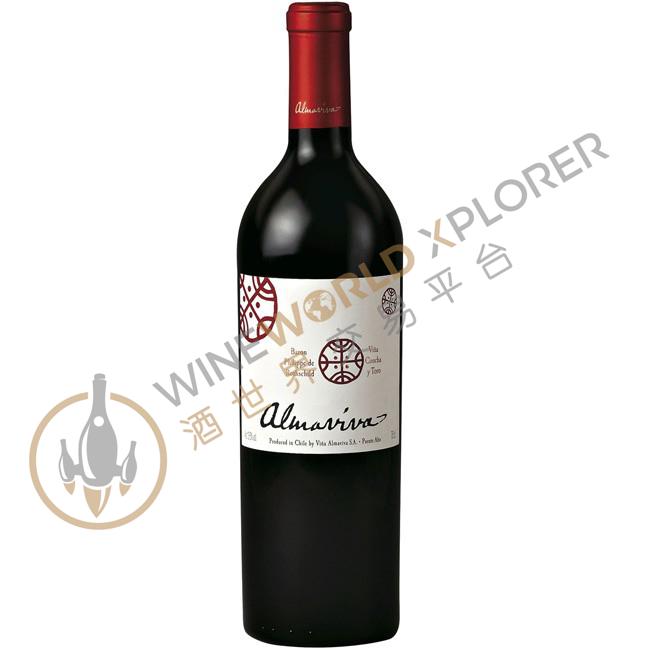
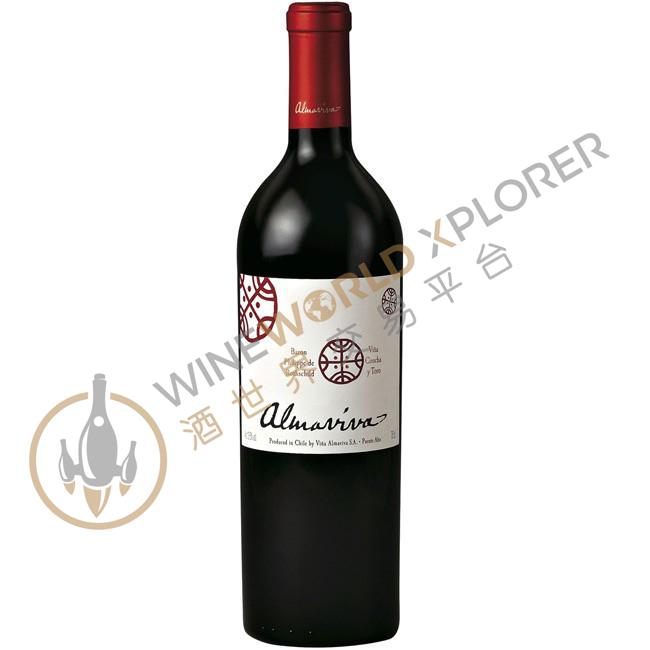
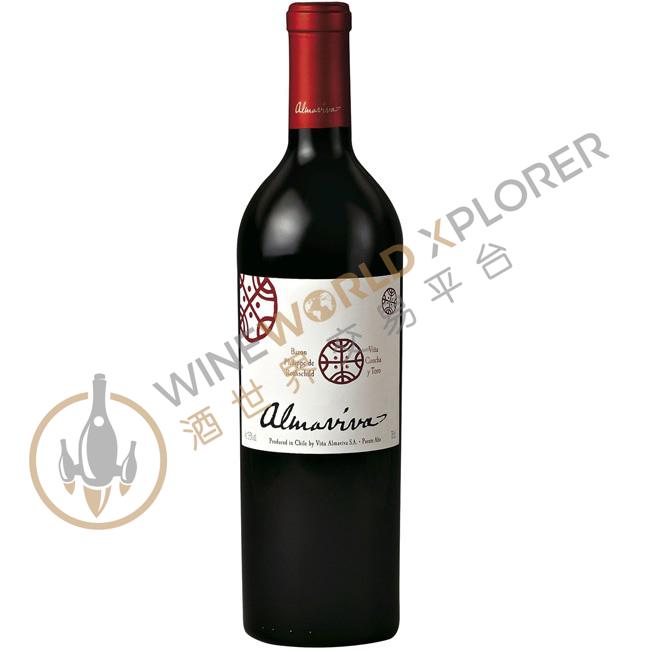
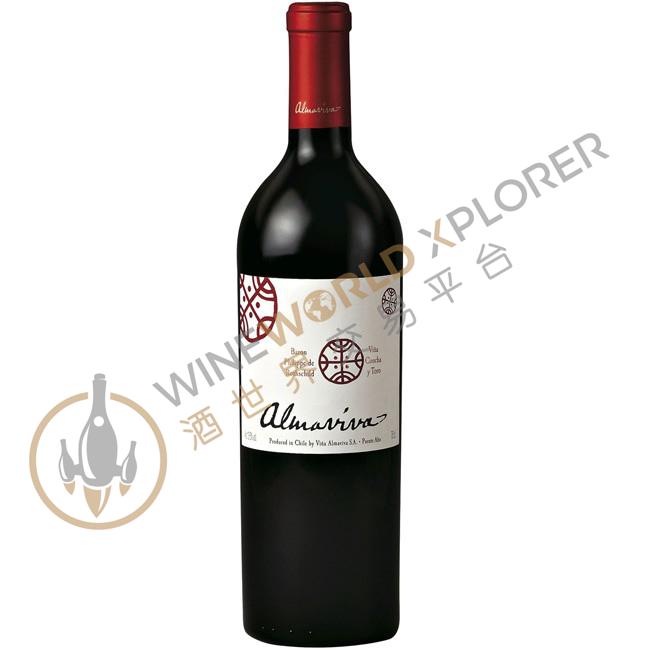
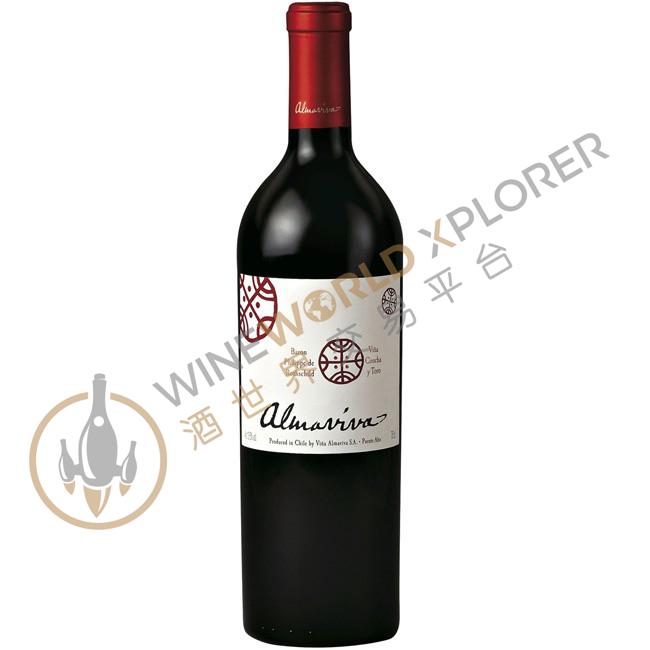
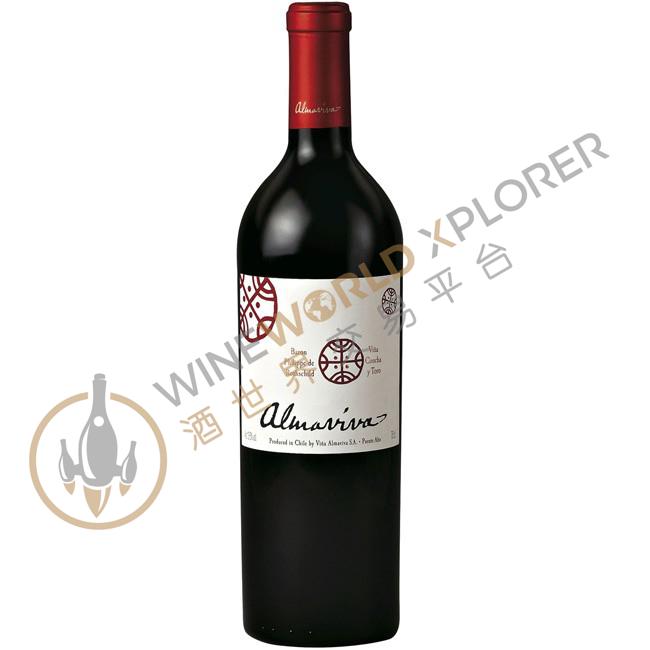
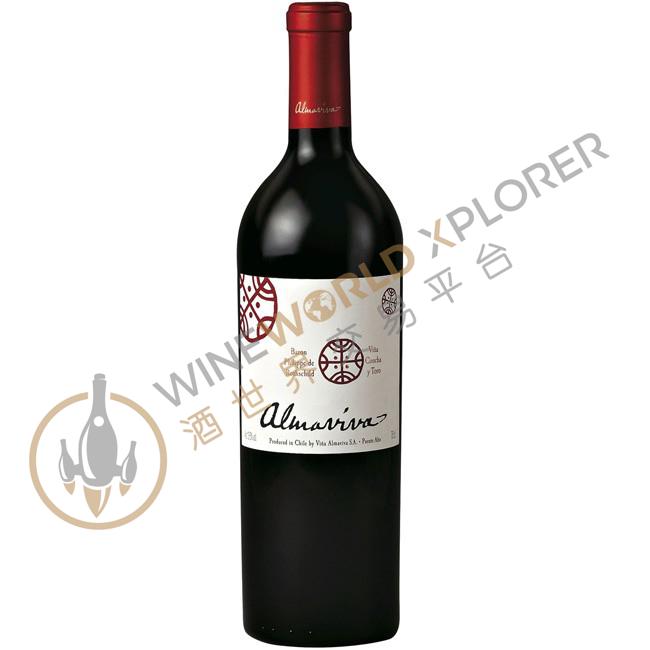
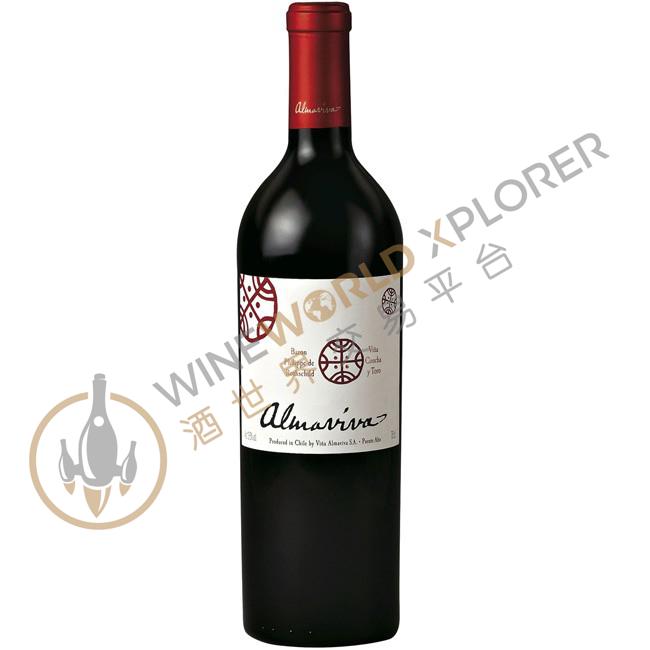
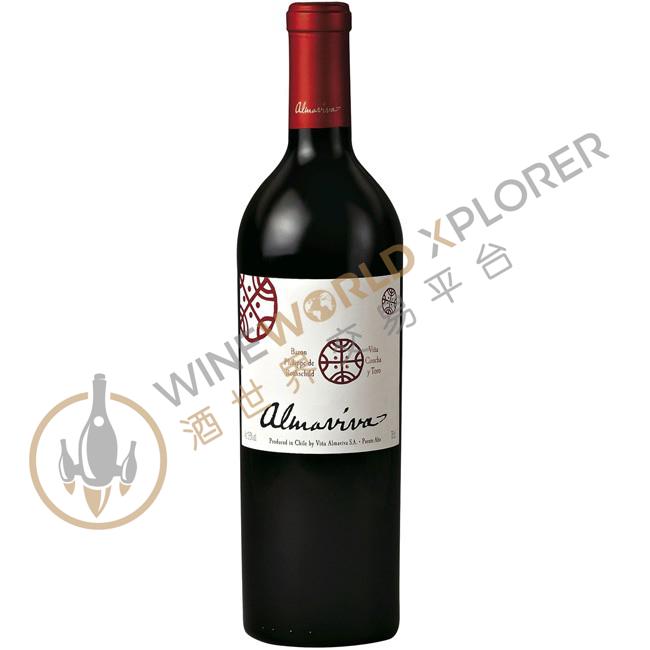
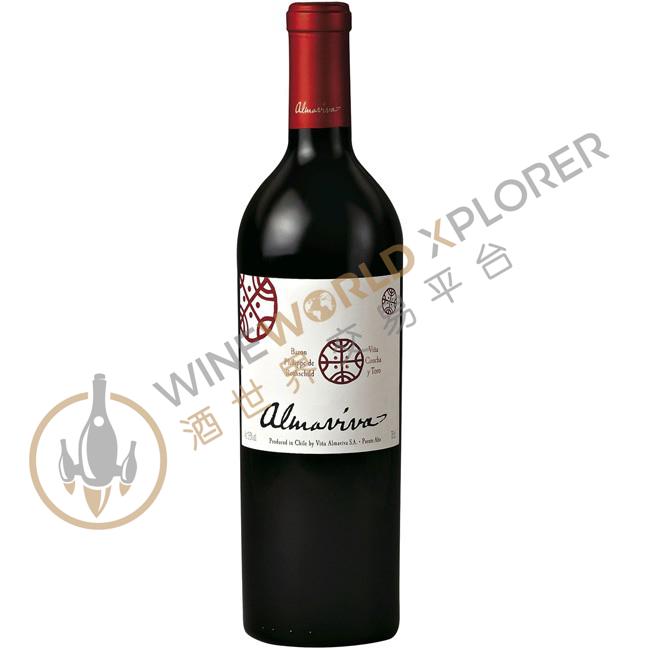
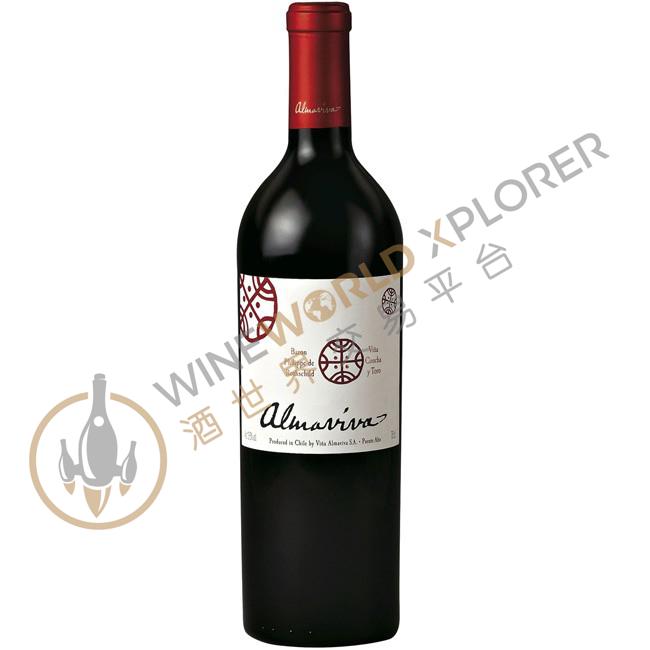
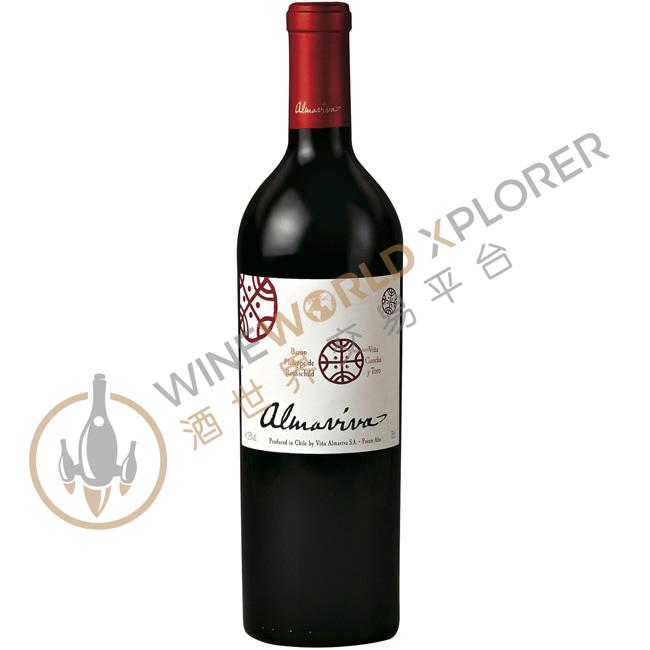
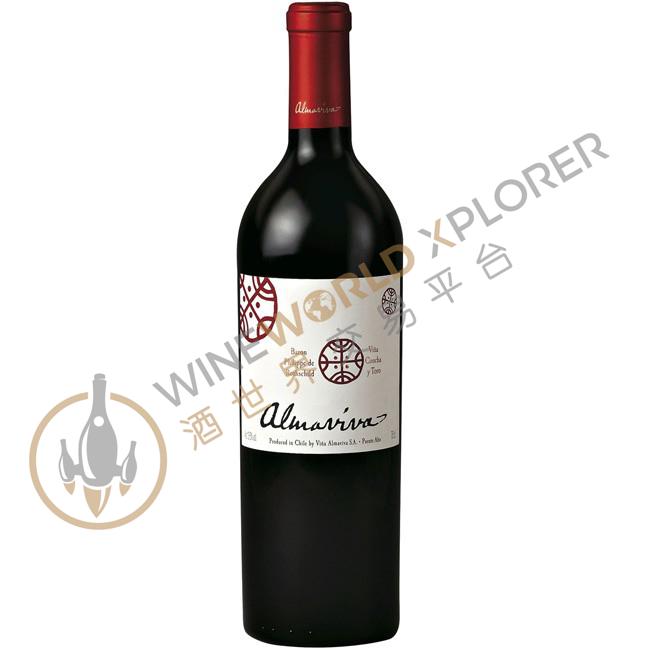
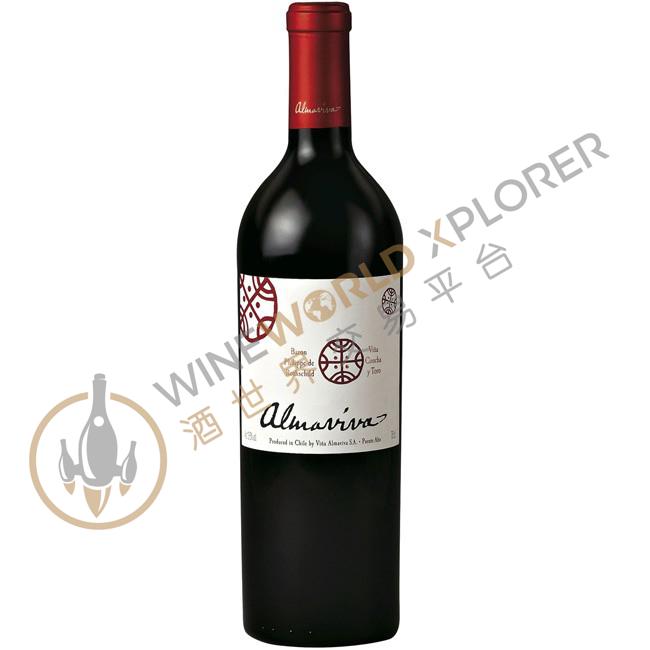
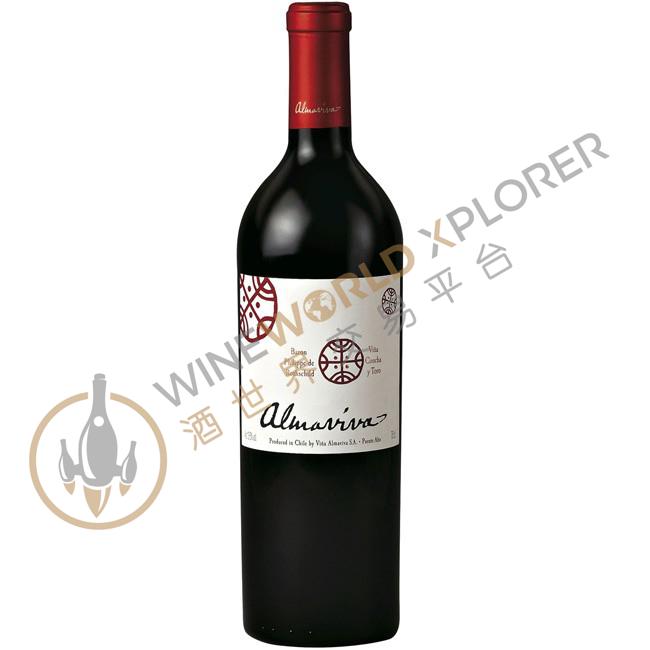
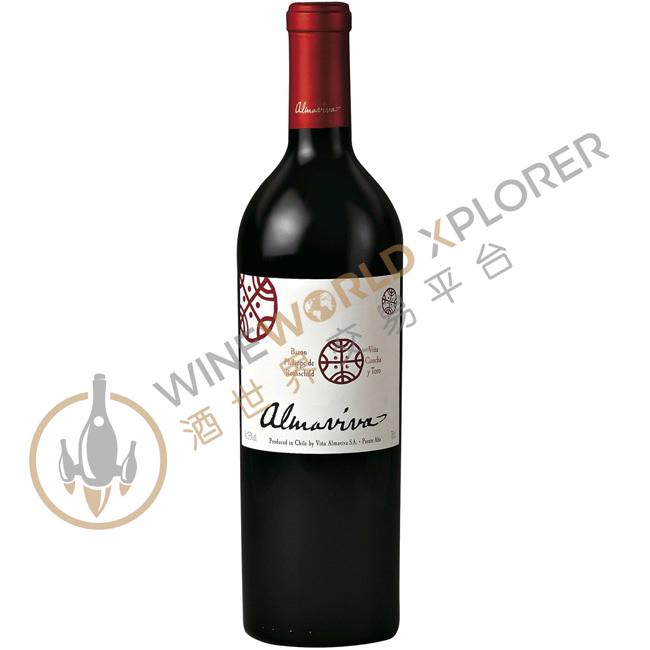
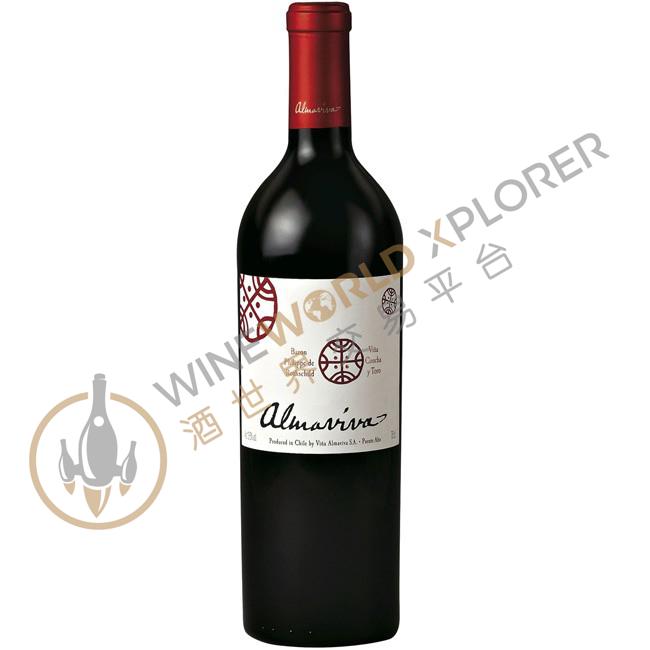
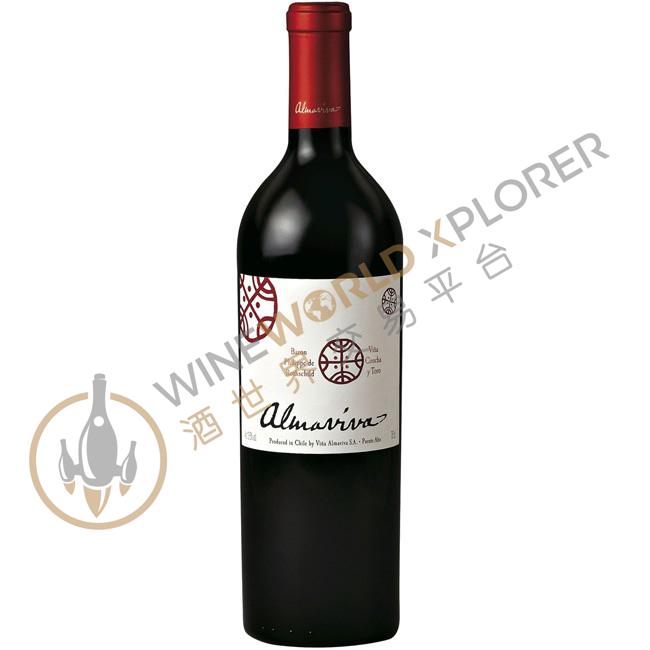
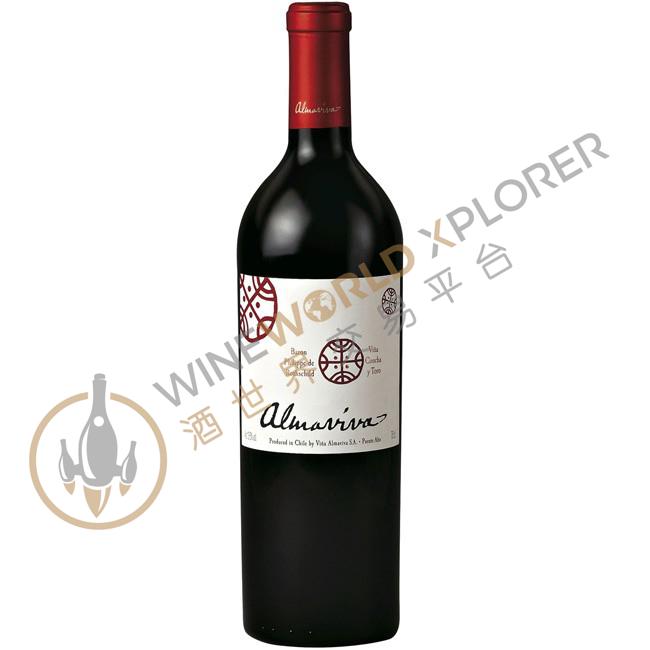
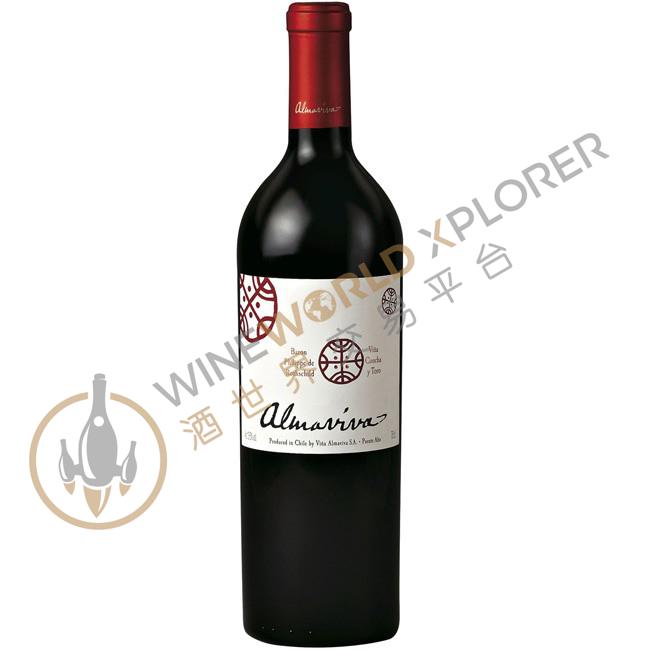
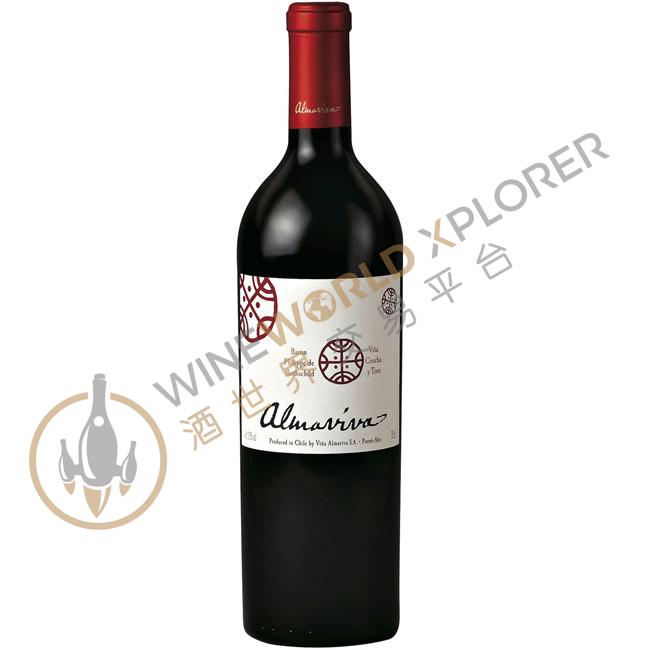
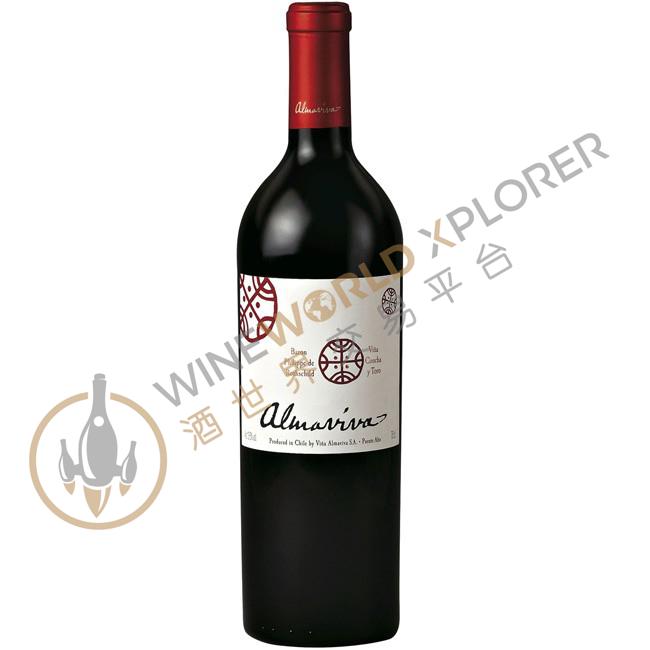
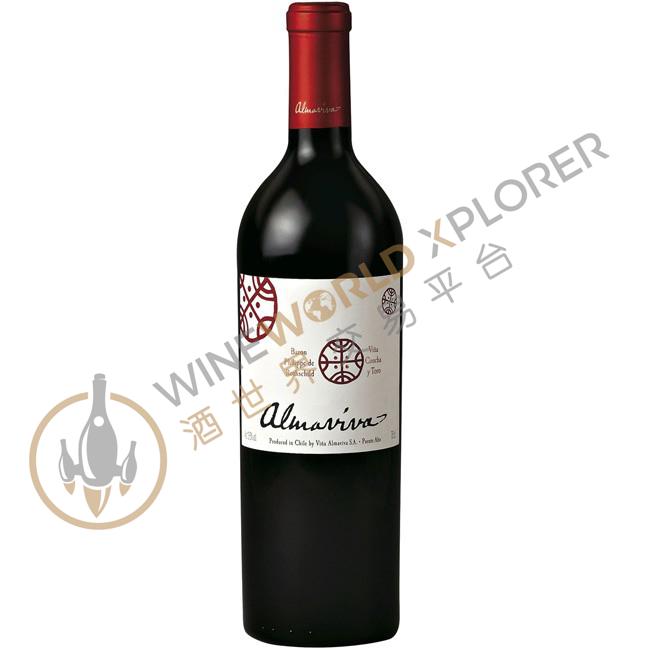
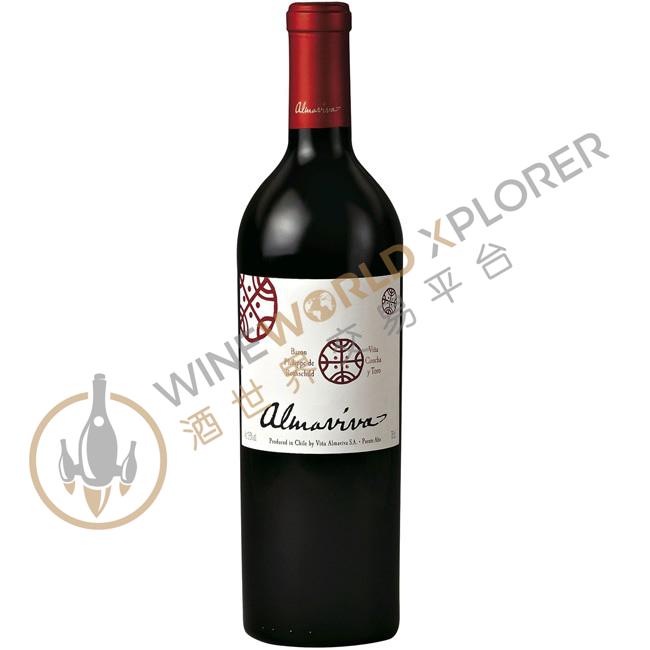
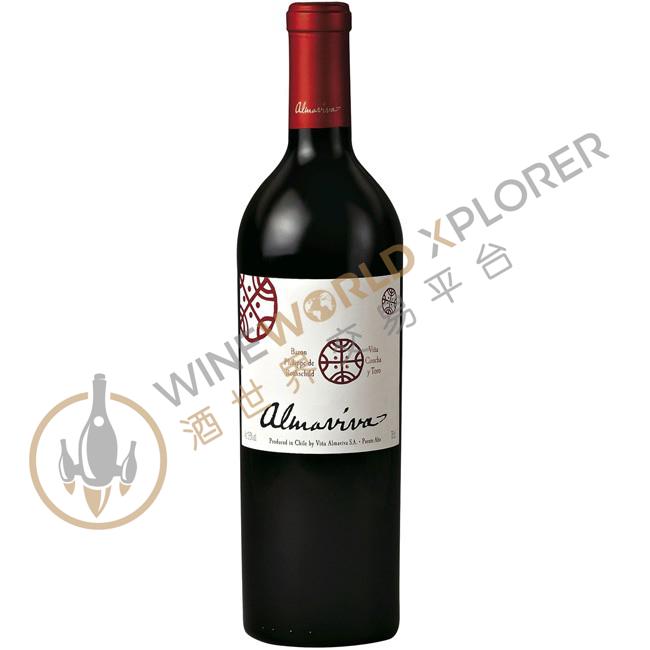
Almaviva, Almaviva 2020
 View analysis


Description
Made from a blend of classic Bordeaux varieties, in which Cabernet Sauvignon predominates, Almaviva is the result of a felicitous encounter between two cultures. Chile offers its soil, its climate and its vineyards, while France contributes its winemaking savoir-faire and traditions. The result is an exceptionally elegant and complex wine. Its launch was a major milestone in the development of Chilean wines, both in Chile itself and in the international market.
Tasting notes

Reviewed by: Luis Gutiérrez
2020 was exceptionally dry, with 75% less rain than usual in the period between May and September, which resulted in an earlier harvest to produce a 2020 Almaviva with 68% Cabernet Sauvignon, 24% Carmenère (from Peumo), 6% Cabernet Franc and 2% Petit Verdot, so with no Merlot this time. The process was as careful as possible, without using any bombs, doing manual and optical sorting of the grapes, pressing in small vertical presses and aging of 20 months in French oak barrels, 73% of them new and the rest second use. The wine reached good ripeness with 14.9% alcohol. It still shows the effect of the élevage a bit, with abundant notes of sweet spices, a creamy touch and some smoke. I tasted it next to the 2019, and the wines have a very similar aromatic palette with a clear note of baked peppers. What was amazing in 2020 was that they harvested the Carmenere almost five weeks earlier than they normally would, and the result is not a green wine at all. As in all dry years, the wines show a little more tannic, a little in the style of the 2017—but the 2020 has more tension than the 2017, and the 2017 was more powerful and with a bigger tannic structure. The 2019 had more volume than the 2018, and the 2020 is closer to the 2019 than the 2018. 200,000 bottles produced. It was bottled during the second half of February 2022.
Reviewed by: Luis Gutiérrez
2020 was exceptionally dry, with 75% less rain than usual in the period between May and September, which resulted in an earlier harvest to produce a 2020 Almaviva with 68% Cabernet Sauvignon, 24% Carmenere (from Peumo), 6% Cabernet Franc and 2% Petit Verdot, so with no Merlot this time. The process was as careful as possible, without using any pumps, doing manual and optical sorting of the grapes, pressing in small vertical presses and aging of 20 months in French oak barrels, 73% of them new and the rest second use. The wine reached good ripeness with 14.9% alcohol. It still shows the effect of the élevage a bit, with abundant notes of sweet spices, a creamy touch and some smoke. I tasted it next to the 2019, and the wines have a very similar aromatic palette with a clear note of baked peppers. What was amazing in 2020 was that they harvested the Carmenere almost five weeks earlier than they normally would, and the result is not a green wine at all. As in all dry years, the wines show a little more tannic, a little in the style of the 2017—but the 2020 has more tension than the 2017, and the 2017 was more powerful and with a bigger tannic structure. The 2019 had more volume than the 2018, and the 2020 is closer to the 2019 than the 2018. 200,000 bottles produced. It was bottled during the second half of February 2022.
About the Producer
Almaviva Winery: A Franco-Chilean Legacy of Excellence In 1997, Baroness Philippine de Rothschild—then President of Baron Philippe de Rothschild SA—and Don Alfonso Larrain, President of Viña Concha y Toro, forged a historic partnership. This visionary alliance gave birth to Almaviva, an exceptional Franco-Chilean wine that marries the expertise of Bordeaux’s winemaking tradition with the unparalleled terroir of Chile’s Maipo Valley. Inspired by French literature, the estate takes its name from Count Almaviva, the noble protagonist of Beaumarchais’s famed play Le Mariage de Figaro. This choice reflects the wine’s elegance, sophistication, and timeless appeal. Nestled in the prestigious Maipo Valley, Almaviva’s estate spans 50 hectares of meticulously tended vineyards, where classic Bordeaux varieties—Cabernet Sauvignon, Cabernet Franc, Carmenère, Merlot, and Petit Verdot—thrive in the region’s optimal climate and gravel-rich soils. The estate’s striking château and modern bodega stand as symbols of its commitment to excellence, blending French heritage with Chilean innovation. A pioneer in Chile’s fine wine scene, Almaviva was the first Chilean winery to embrace the French "château" concept, emphasizing estate-grown grapes and meticulous craftsmanship. Today, it stands as a global benchmark for premium Chilean wine, celebrated for its depth, complexity, and distinctive expression of the Maipo Valley’s terroir. With each vintage, Almaviva continues to captivate connoisseurs worldwide, solidifying its place among the great wines of the world.
2001(2)2003(1)2004(1)2006(2)2007(2)2008(1)2009(1)2010(2)2012(1)2013(1)2014(2)2015(3)2016(4)2017(5)2018(9)2019(16)
Package Size