Wine Advisor



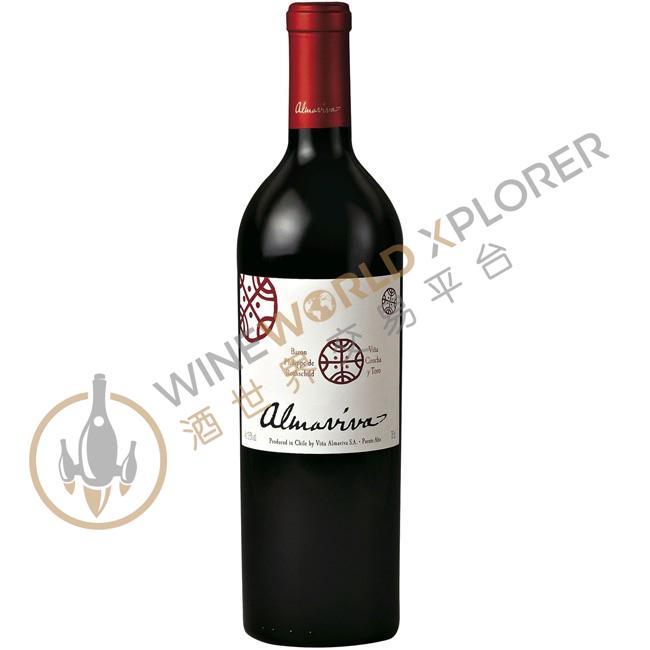
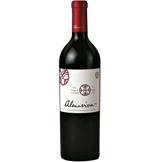
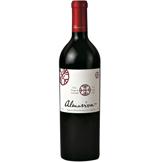
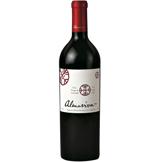
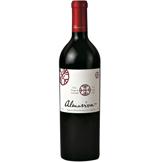
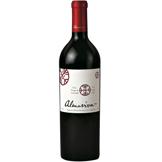
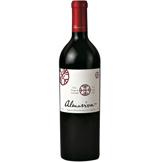
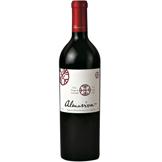
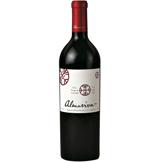
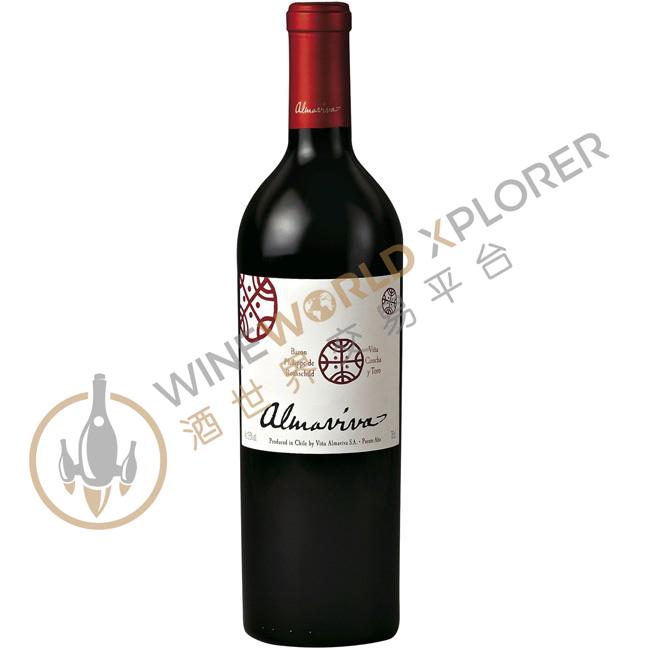
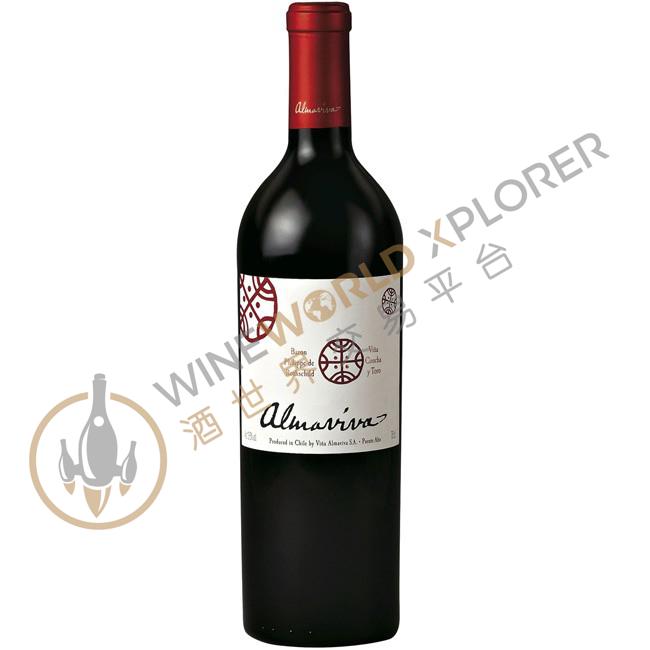
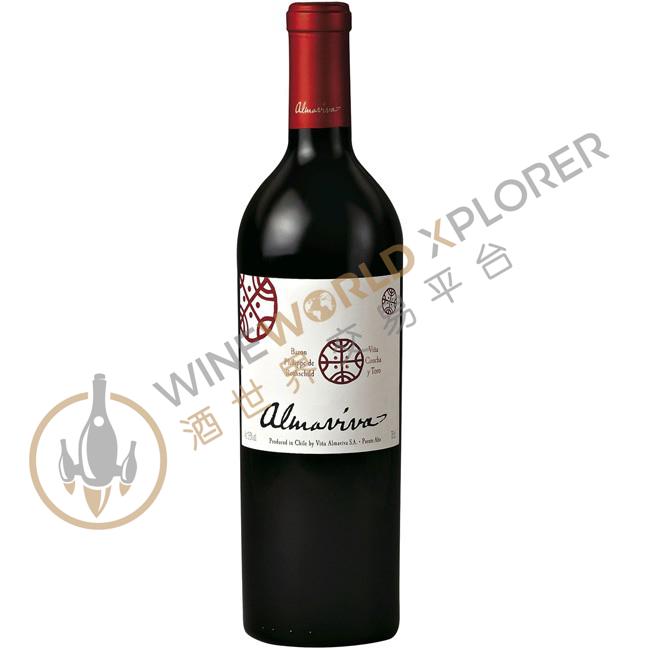
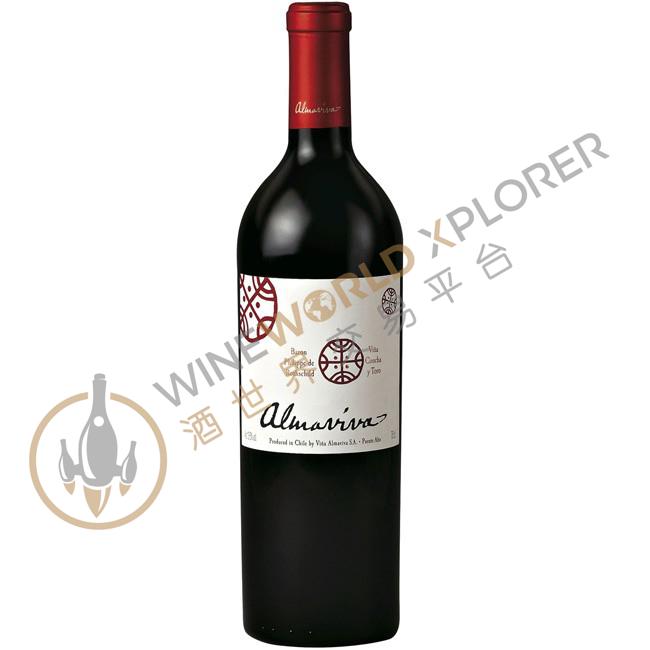
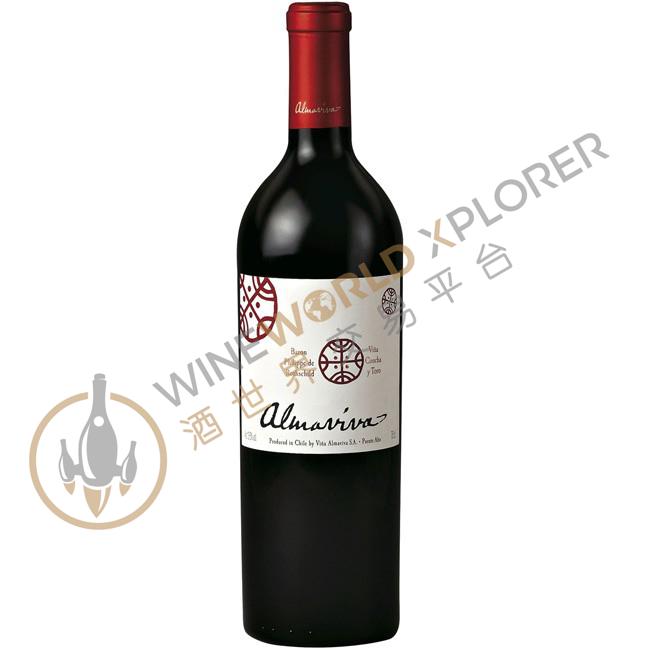
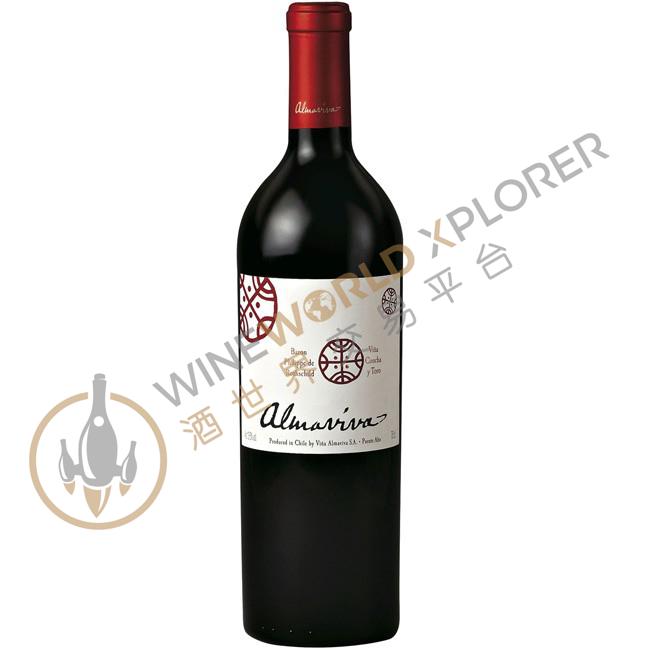
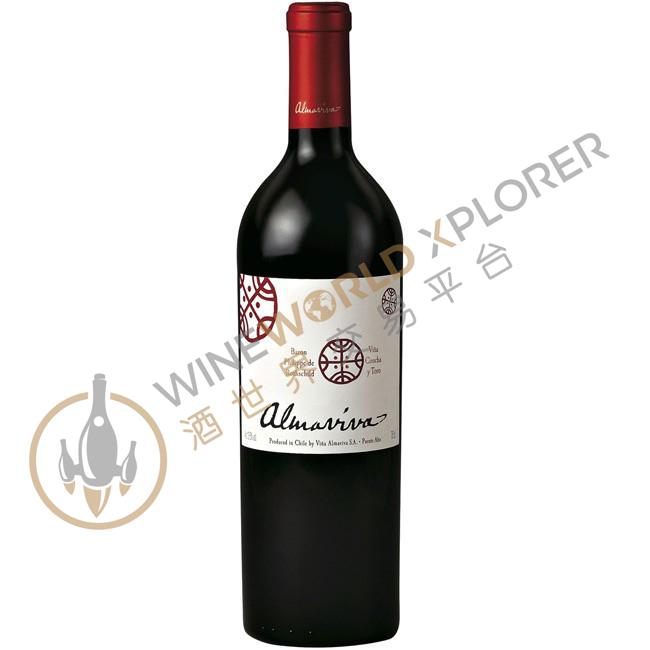
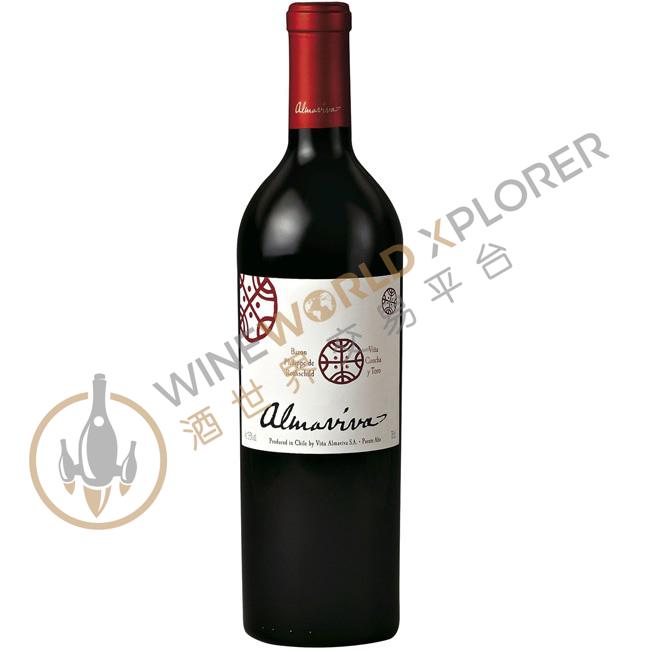
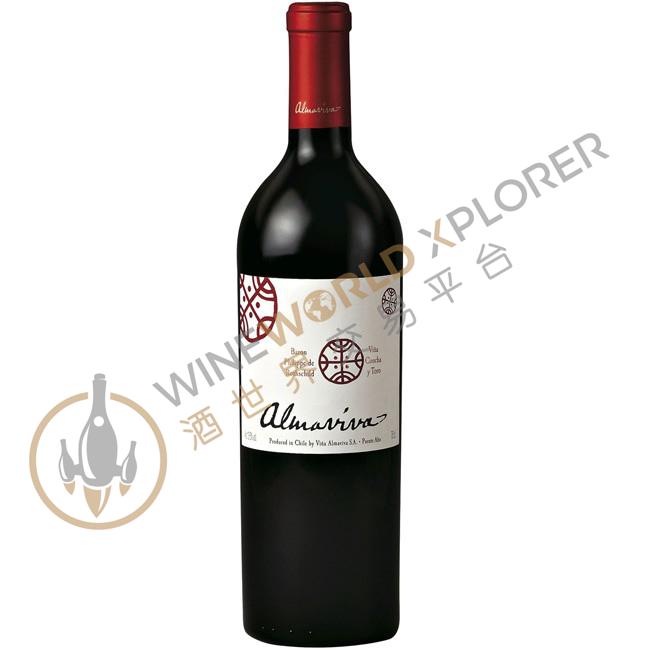
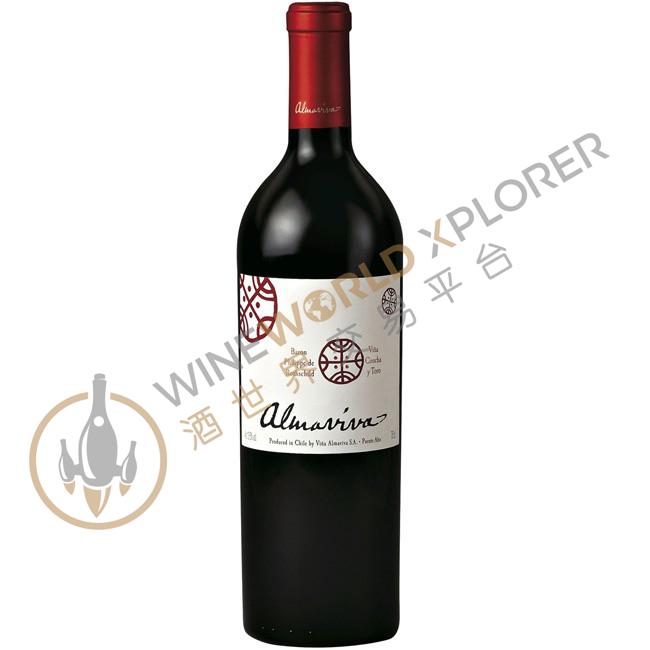
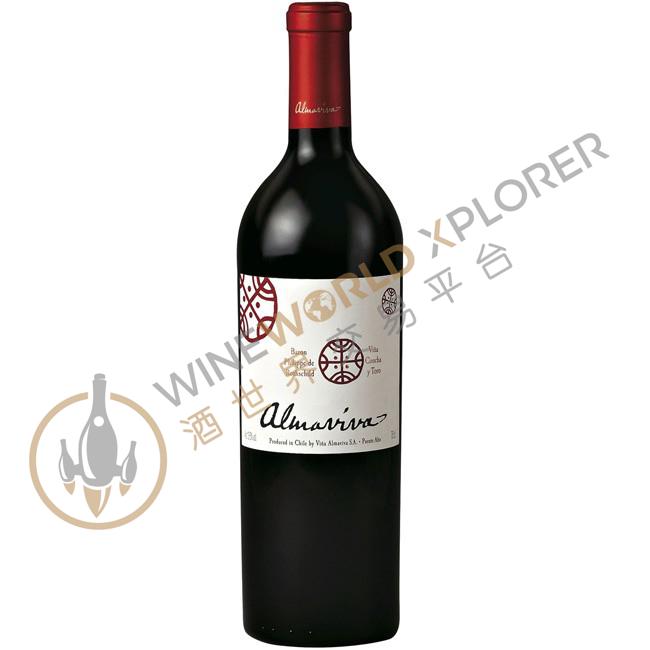
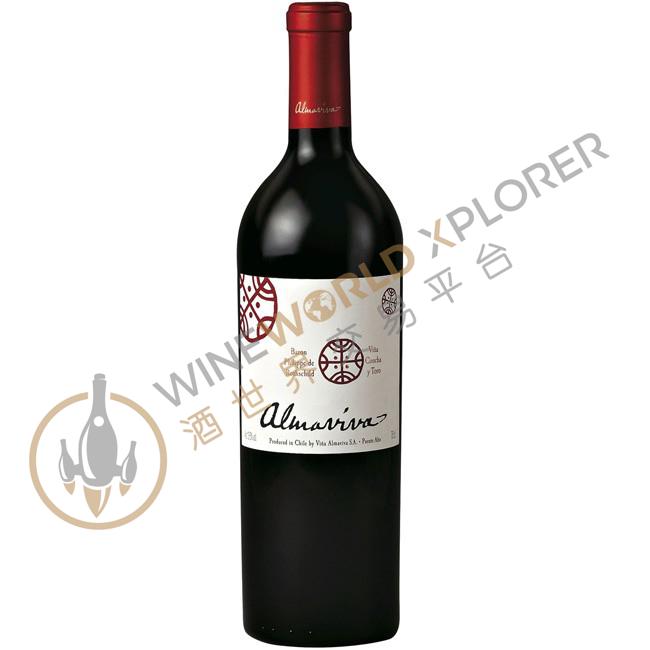
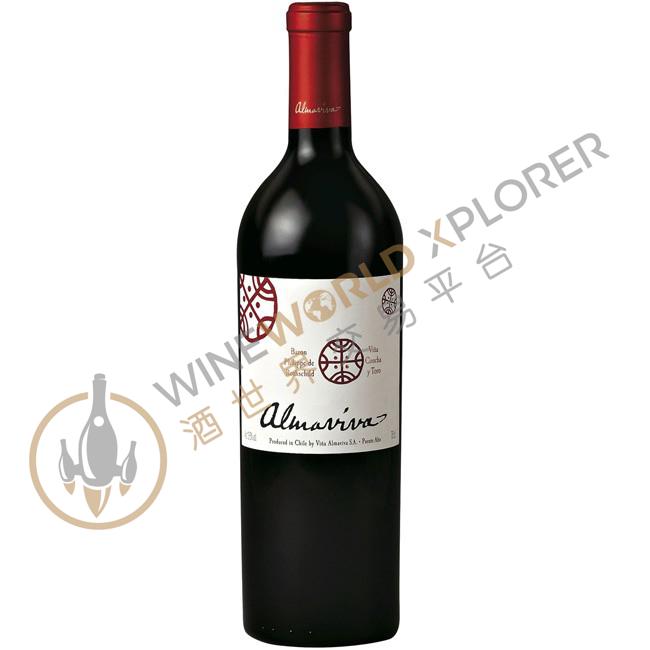
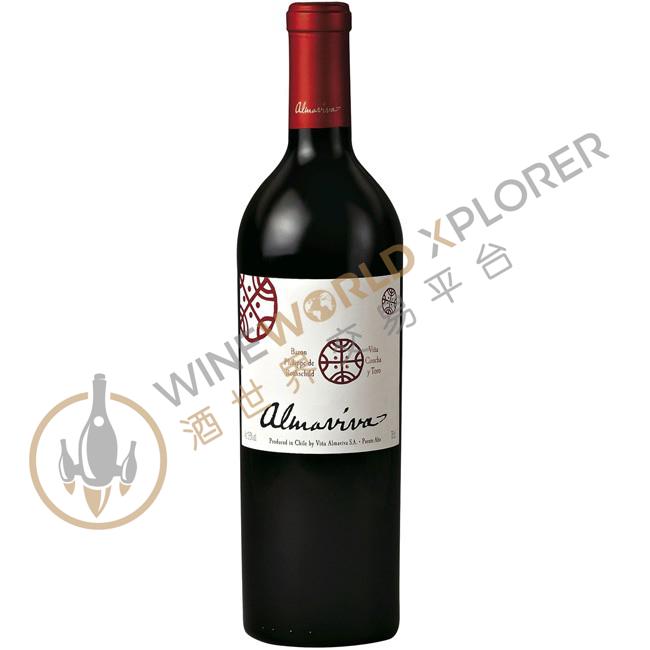
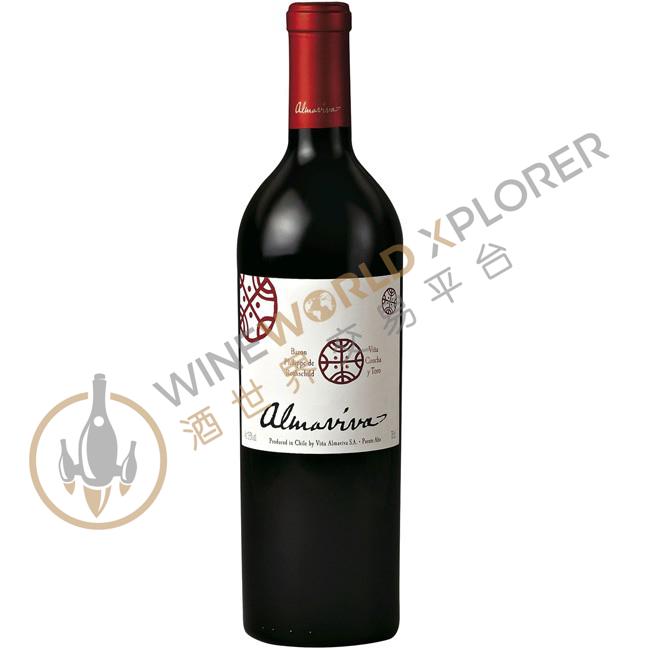
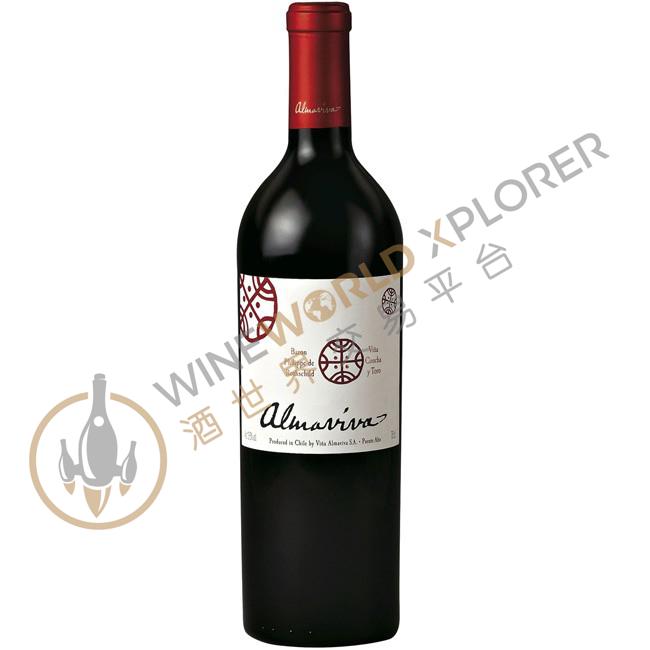
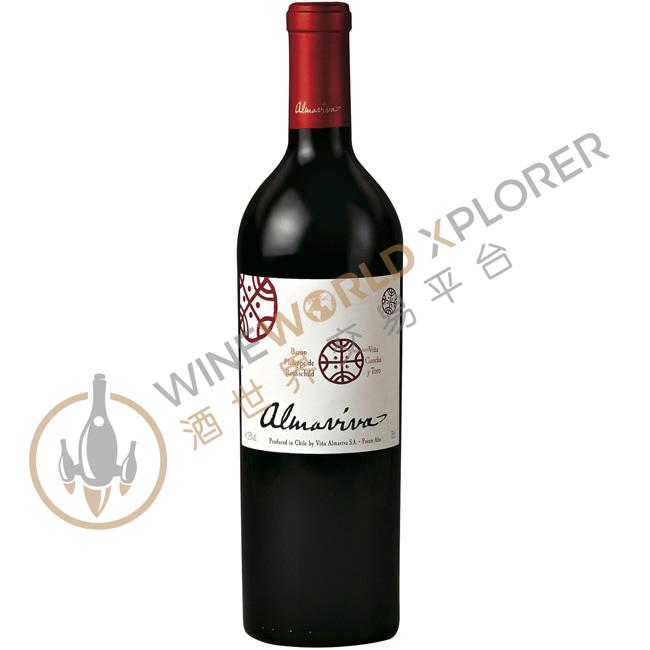
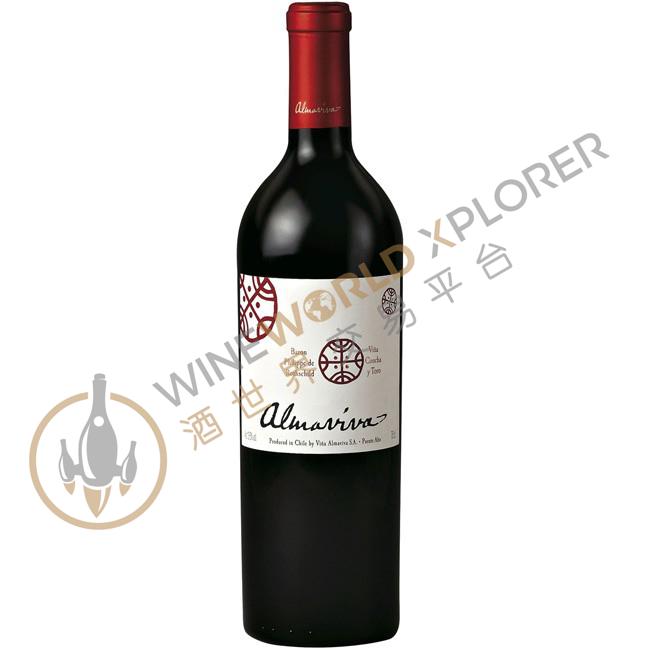
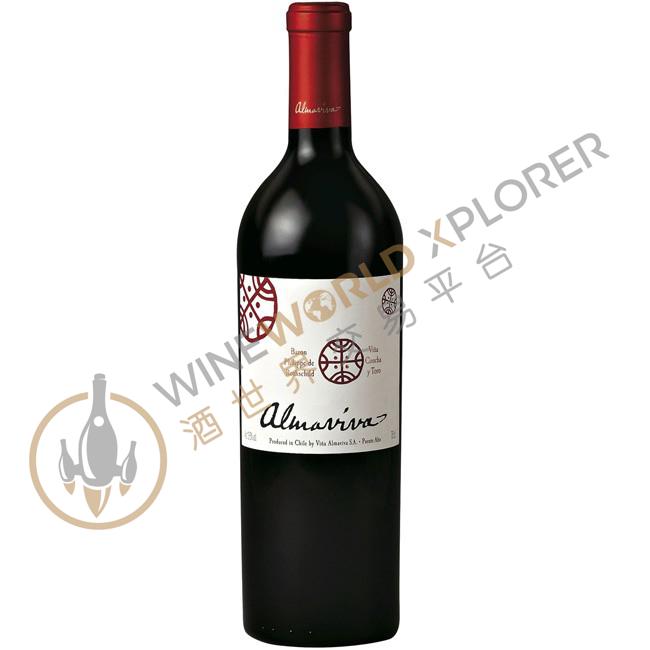
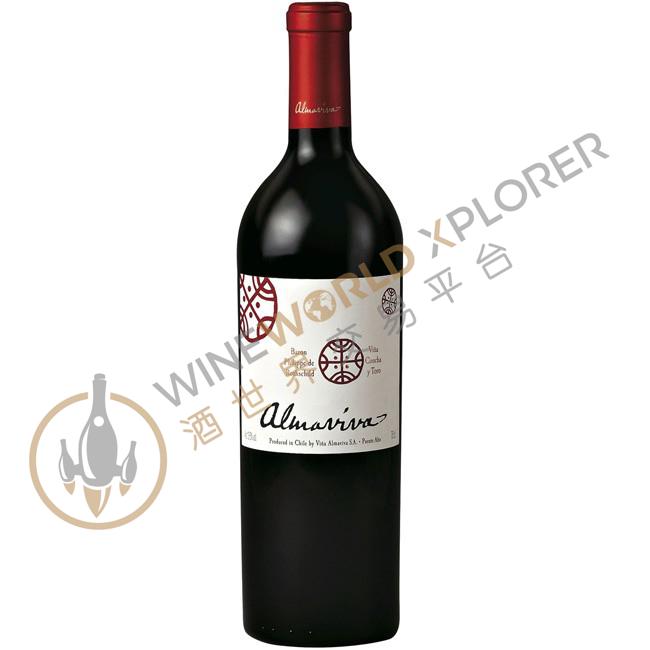
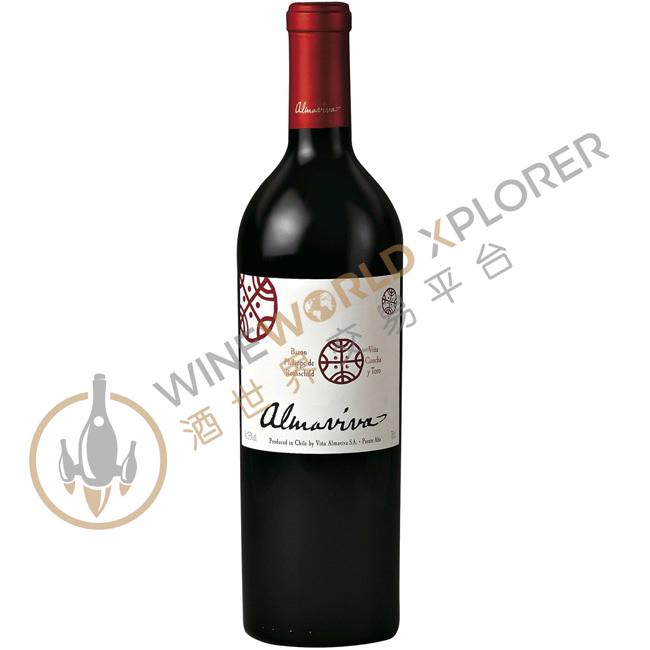
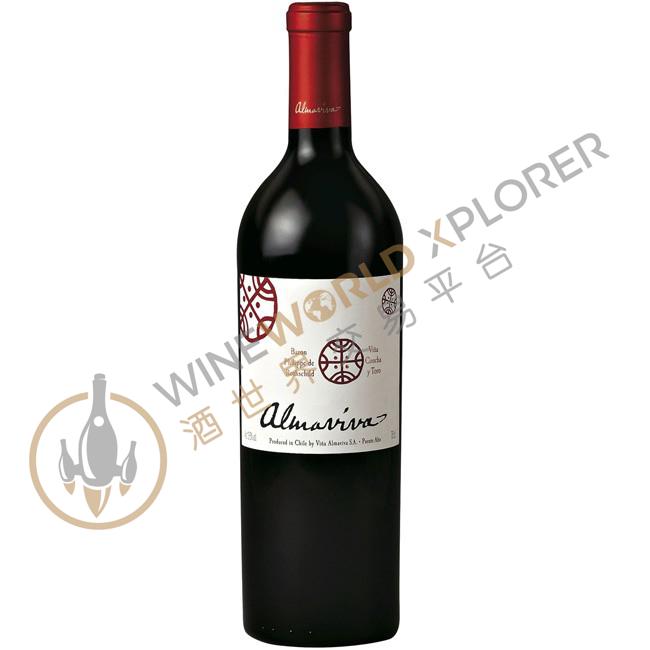
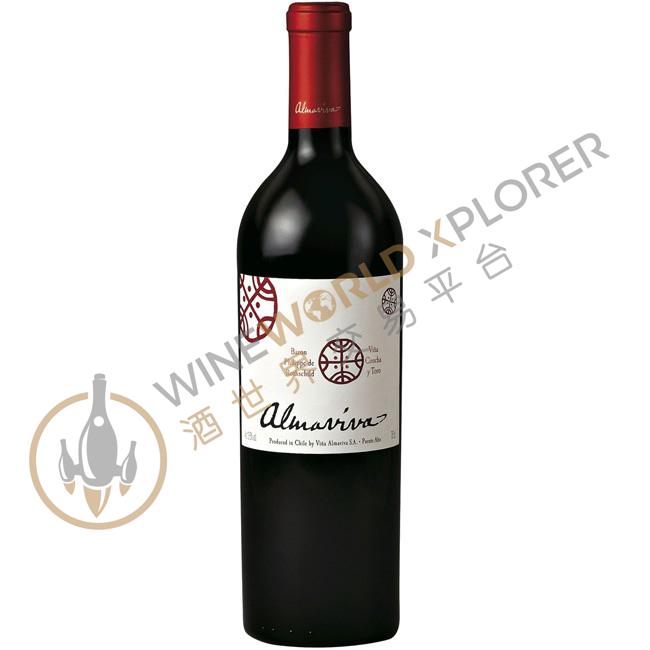
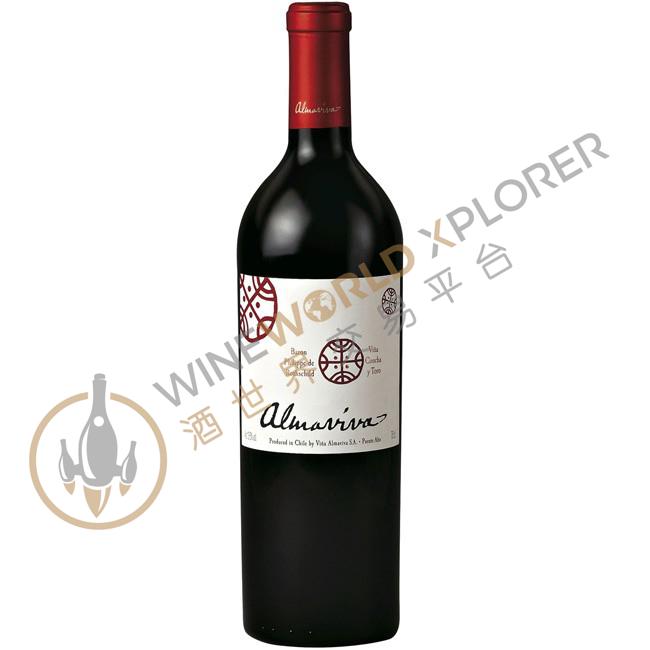
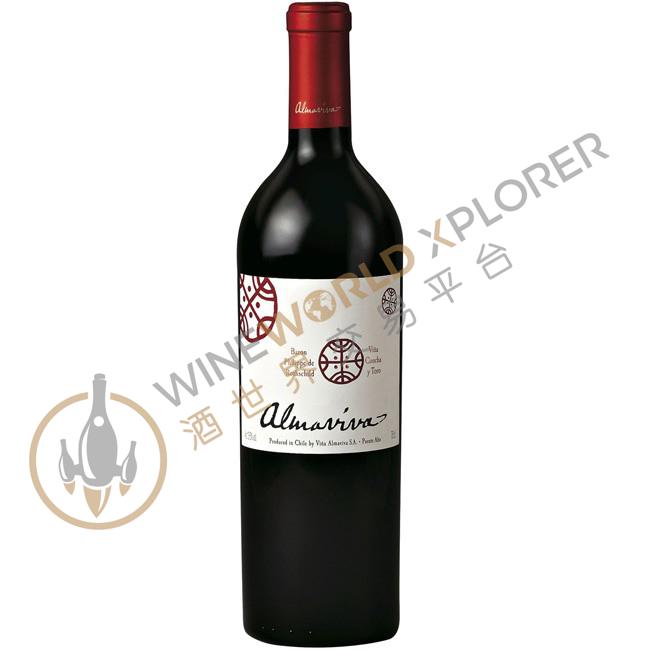
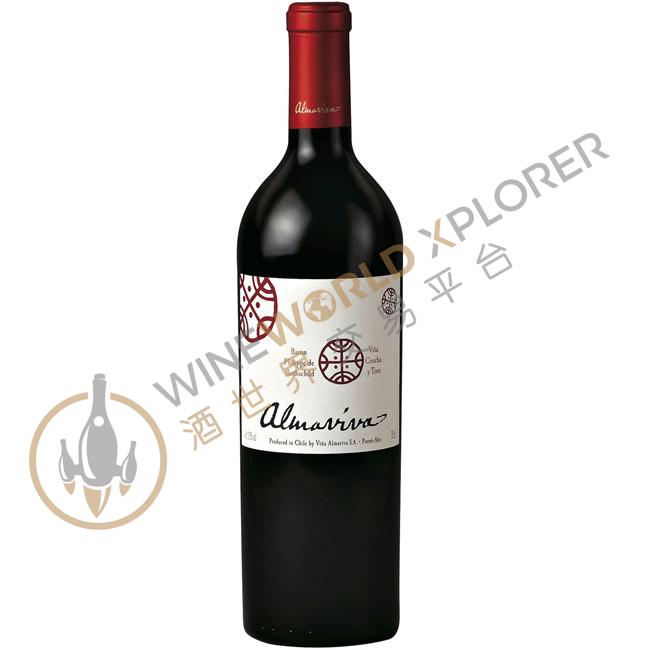
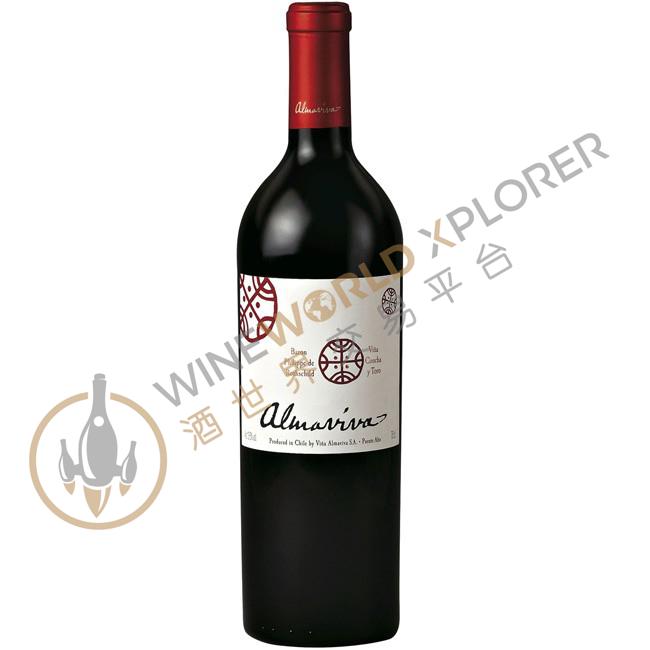
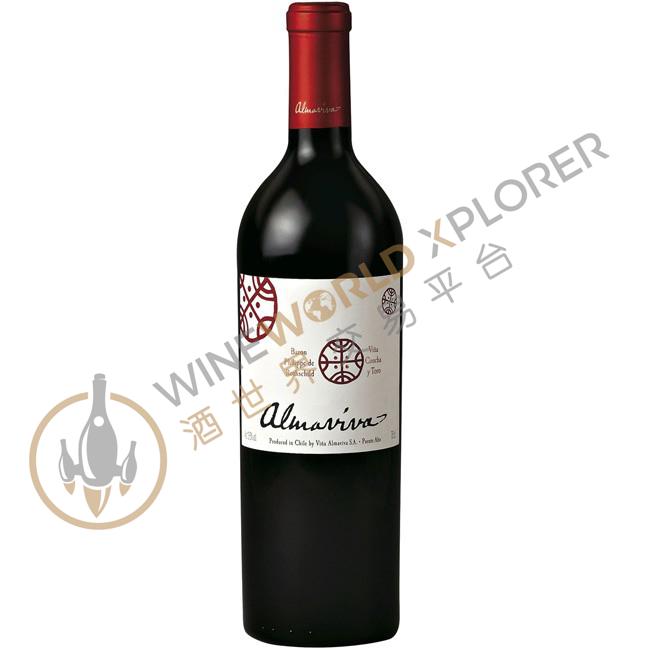
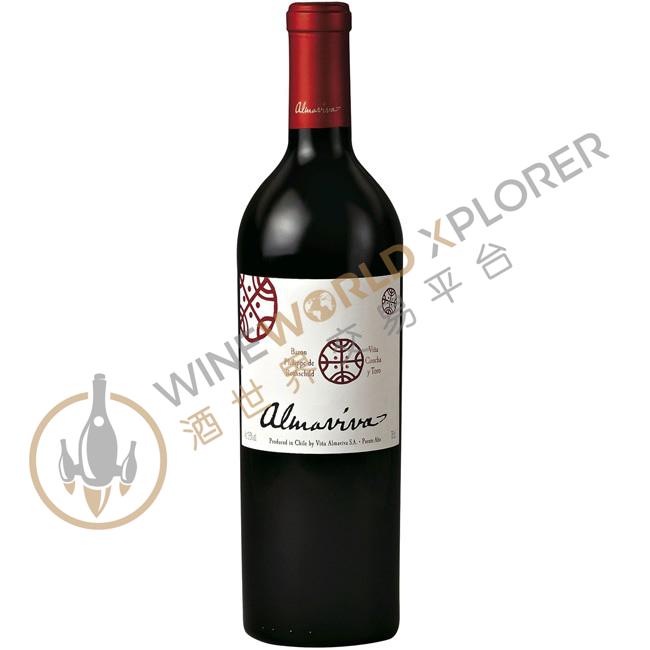
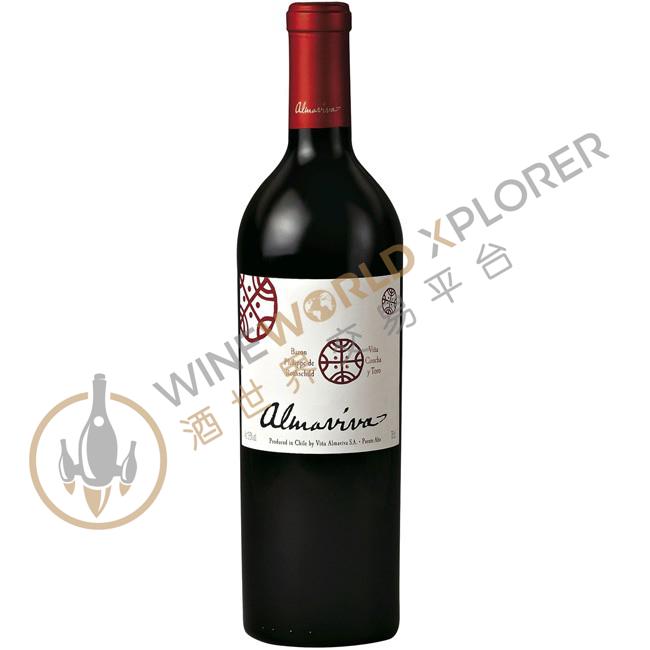
Almaviva, Almaviva 2010
 View analysis


Description
Made from a blend of classic Bordeaux varieties, in which Cabernet Sauvignon predominates, Almaviva is the result of a felicitous encounter between two cultures. Chile offers its soil, its climate and its vineyards, while France contributes its winemaking savoir-faire and traditions. The result is an exceptionally elegant and complex wine. Its launch was a major milestone in the development of Chilean wines, both in Chile itself and in the international market.
Tasting notes

Reviewed by: Luis Gutiérrez
The 2010 Almaviva is a Cabernet Sauvignon-based blend complemented with Carmenere, Cabernet Franc, and for the first time in 2010, a small quantity of Petit Verdot. 2010 was a cool vintage, giving the wine an herbaceous character with good freshness and balance. It is still young with some lactic notes and some aromas derived from the elevage (roasted coffee and dark chocolate), with terse black fruit and some beef blood overtones. This vintage seems to be a worthy follower of the 2005, with sweet round tannins, intense flavors, very good balance and the stuffing to live a long life in bottle. Drink 2015-2025. Almaviva is the joint venture of Baron Philippe de Rothschild and Concha y Toro in Puente Alto, the small appellation for luxury Cabernet Sauvignon in the Maipo Valley. Michel Friou arrived in Chile through Paul Pontallier from Chateau Margaux to do a couple of harvests at their Aquitania winery, and was later at Lapostolle until 2004. Since 2007 he has been the winemaker at Almaviva. I met him to taste the latest vintages and discuss the wines. They produce two labels from their 85 hectares of vineyards, but their second wine is only sold in Chile and Brazil. The vineyards were planted in 1978 in the third terrace of the Maipo River by Concha y Toro. The original 40 hectares were used for the first vintage, 1996, and since 2001 they have bought more land and planted vines to complete the 60 hectares they own in total. They replant a small percentage of vines every year to keep a constant average age in the vineyards and at the same time increase density. The initial vintages (I tasted 1996 and 1999) were quite marked by animal aromas which seem to have disappeared lately. I feel a special brightness in the fruit from 2005 on (perhaps as they started harvesting by smaller plots from the vineyards) and the last few vintages show more precision, freshness and balance and are quite classically proportioned with better-integrated oak. The last five harvests have been drier that the average, so for Michel the issue of how and when to water the vineyards is now vital. He’s also moving toward organic farming of the vineyards, believing that they have to move from producing great wines to creating great vineyards. (Ideally, it should have been the other way ‘round.) Importer: Diageo Chateau & Estates, Napa, CA; tel. (707) 299-2600; www.diageowines.com
Reviewed by: Luis Gutiérrez
I was quite taken with the 2010 Almaviva, the product of a very cool, immensely challenging vintage that concluded with an extremely late harvest that lasted until May, including a historic 8.8-magnitude earthquake and tsunami in February. It marks the first vintage of Petit Verdot's inclusion in the blend and coincides with an increased focus on the strength of cooler vintages in Alto Maipo. The nose offers a beautiful medley of mature dark fruits, dried flowers, underbrush, dried mint and cocoa powder, introducing a plush yet buoyant and immensely finessed palate. It concludes with an even-keeled, gently rich finish framed by lifted acidity and discreet tannic grip. Despite the difficulties of this harvest, the end result was a clear favorite in this tasting; I doubt it will measurably improve from this point, but it should continue to drink well for another five years.
Reviewed by: Josh Raynolds
(made from a blend of cabernet sauvignon, carmenere, cabernet franc and petit verdot): Opaque purple. Ripe cherry, cassis, pipe tobacco and vanilla on the highly perfumed nose, with a subtle smoky overtone. Fleshy dark fruit liqueur flavors are supported by zesty acidity and become spicier with aeration. Shows a compelling blend of depth, power and vivacity, finishing sweet and persistent, with harmonious tannins and lingering dark berry and vanilla qualities.
About the Producer
Almaviva Winery: A Franco-Chilean Legacy of Excellence In 1997, Baroness Philippine de Rothschild—then President of Baron Philippe de Rothschild SA—and Don Alfonso Larrain, President of Viña Concha y Toro, forged a historic partnership. This visionary alliance gave birth to Almaviva, an exceptional Franco-Chilean wine that marries the expertise of Bordeaux’s winemaking tradition with the unparalleled terroir of Chile’s Maipo Valley. Inspired by French literature, the estate takes its name from Count Almaviva, the noble protagonist of Beaumarchais’s famed play Le Mariage de Figaro. This choice reflects the wine’s elegance, sophistication, and timeless appeal. Nestled in the prestigious Maipo Valley, Almaviva’s estate spans 50 hectares of meticulously tended vineyards, where classic Bordeaux varieties—Cabernet Sauvignon, Cabernet Franc, Carmenère, Merlot, and Petit Verdot—thrive in the region’s optimal climate and gravel-rich soils. The estate’s striking château and modern bodega stand as symbols of its commitment to excellence, blending French heritage with Chilean innovation. A pioneer in Chile’s fine wine scene, Almaviva was the first Chilean winery to embrace the French "château" concept, emphasizing estate-grown grapes and meticulous craftsmanship. Today, it stands as a global benchmark for premium Chilean wine, celebrated for its depth, complexity, and distinctive expression of the Maipo Valley’s terroir. With each vintage, Almaviva continues to captivate connoisseurs worldwide, solidifying its place among the great wines of the world.