Wine Advisor



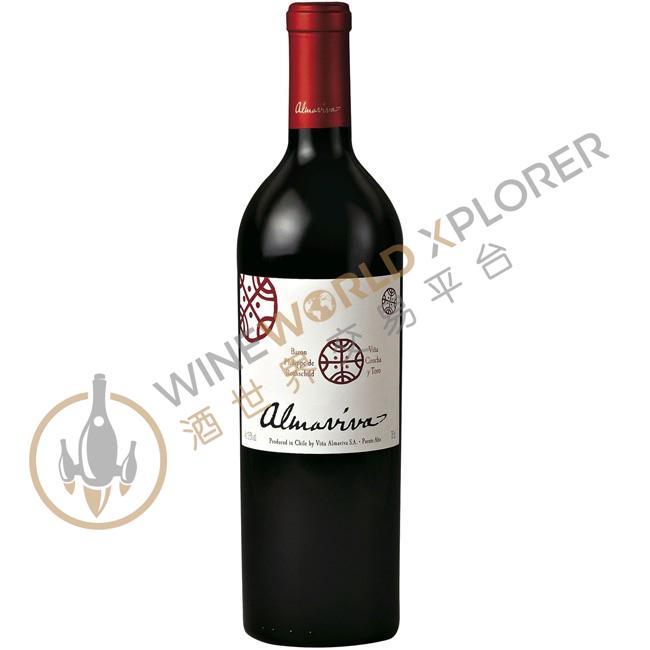
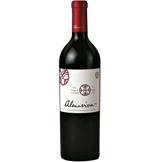
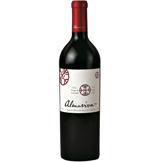
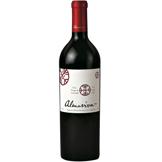
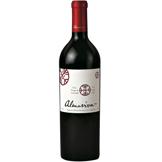
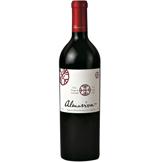
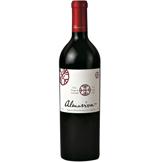
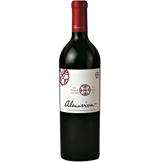
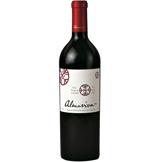
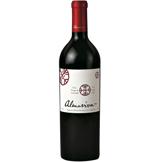
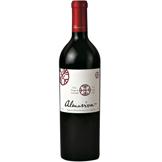
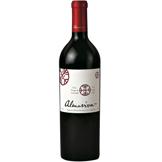
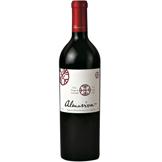
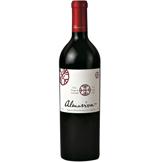
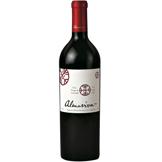
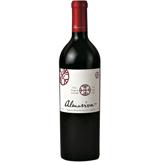
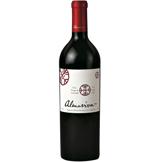
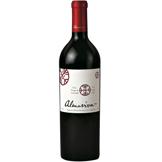
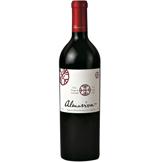
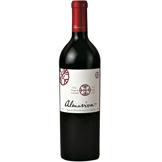
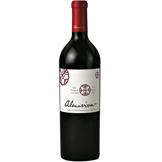
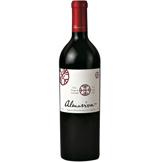
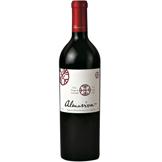
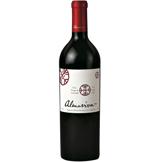
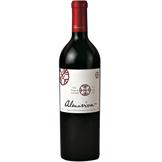
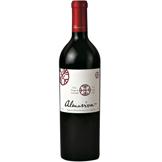
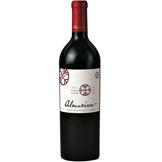
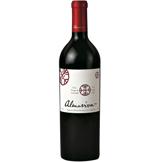
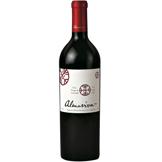
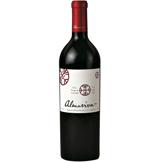
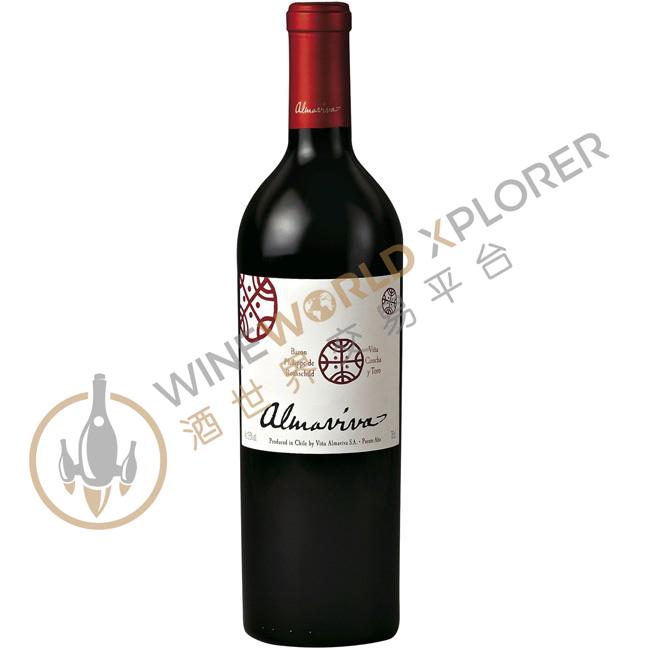
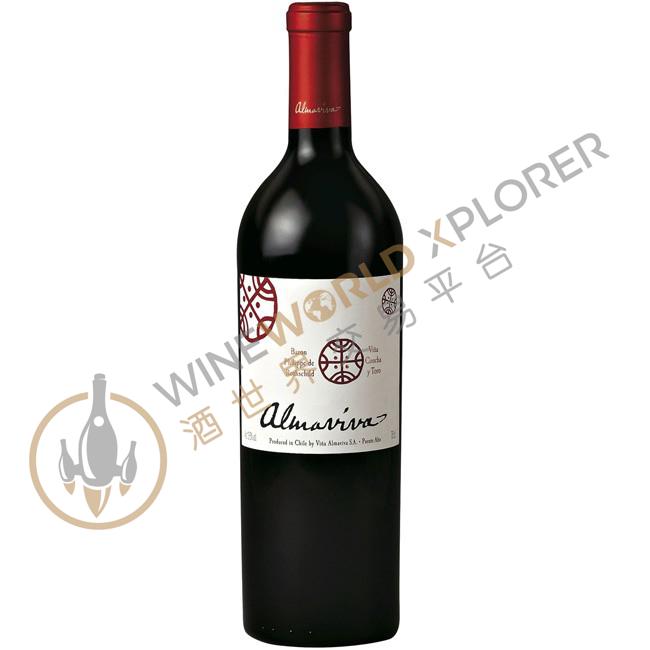
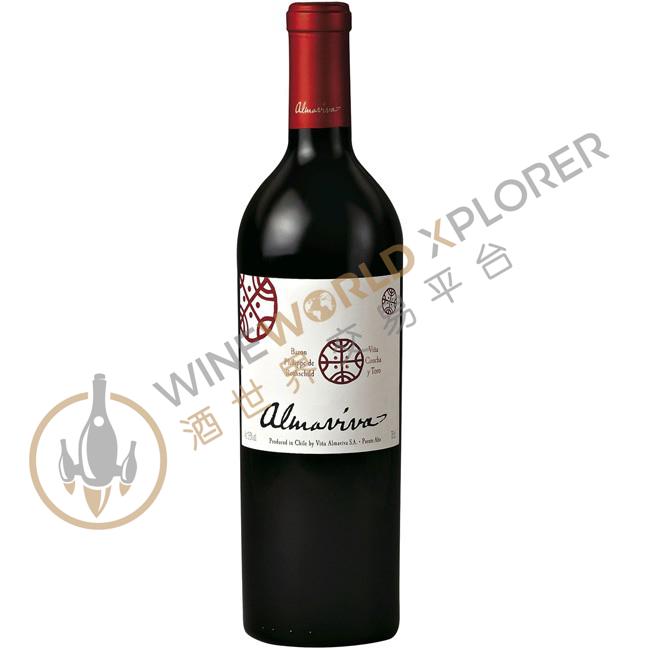
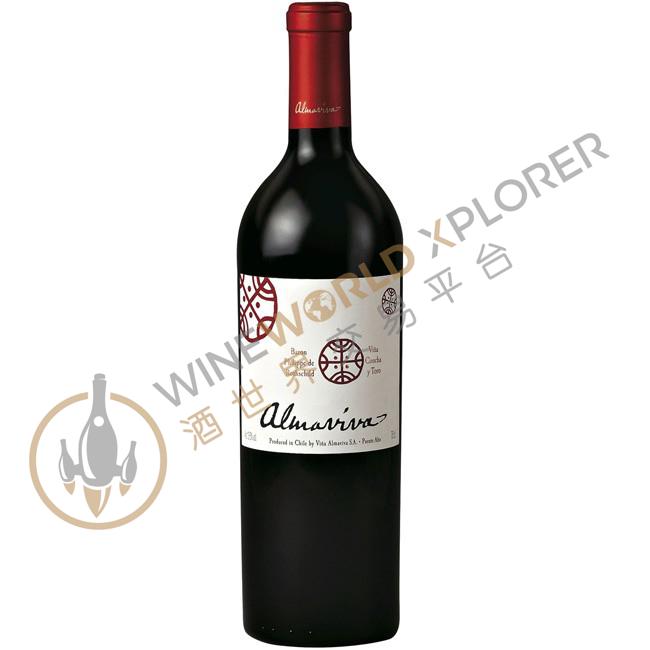
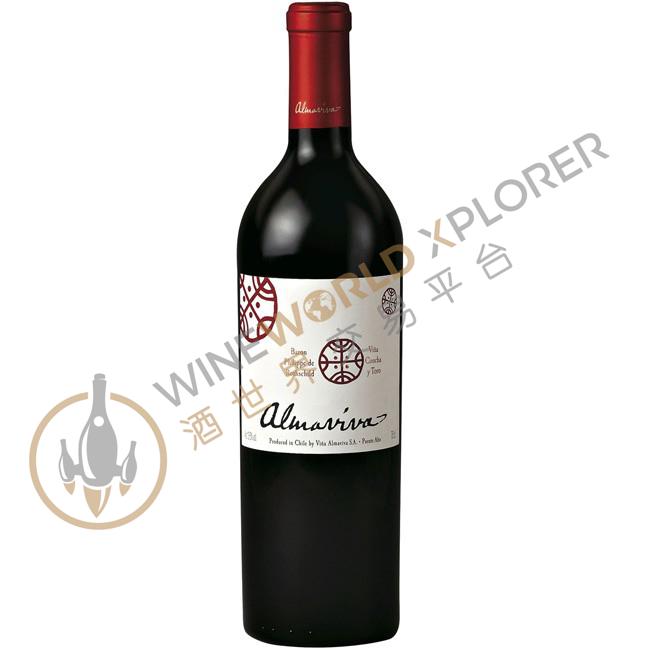
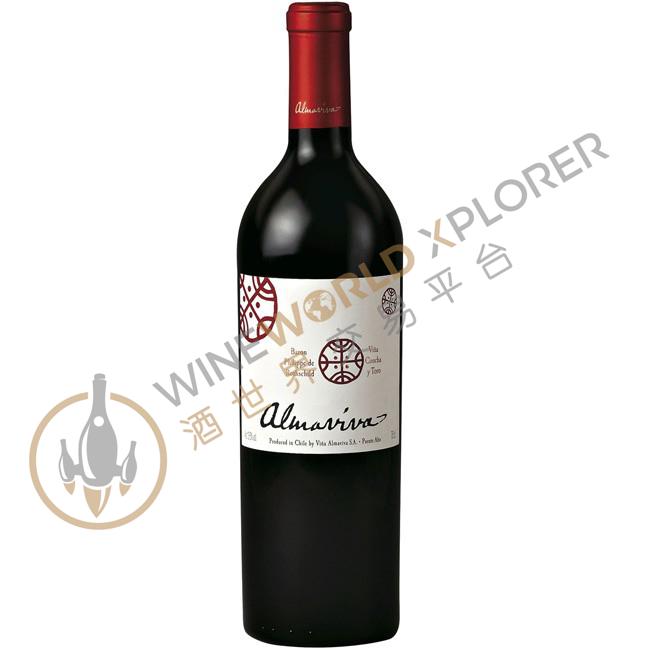
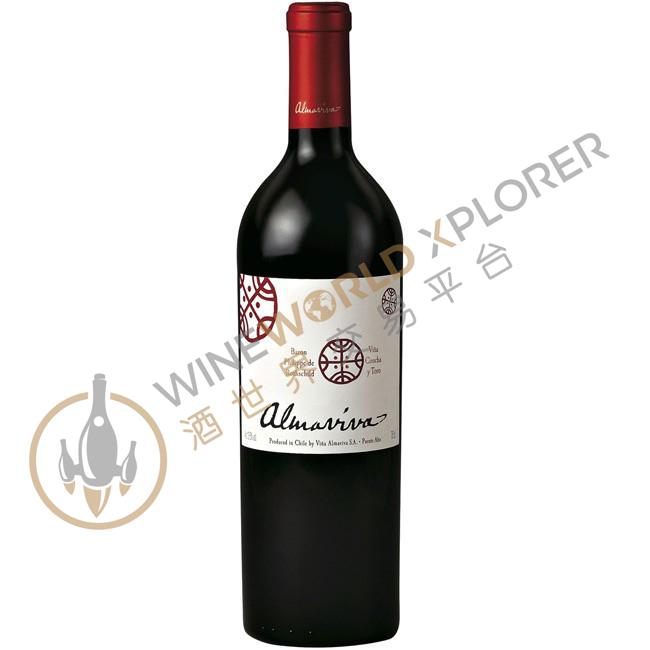
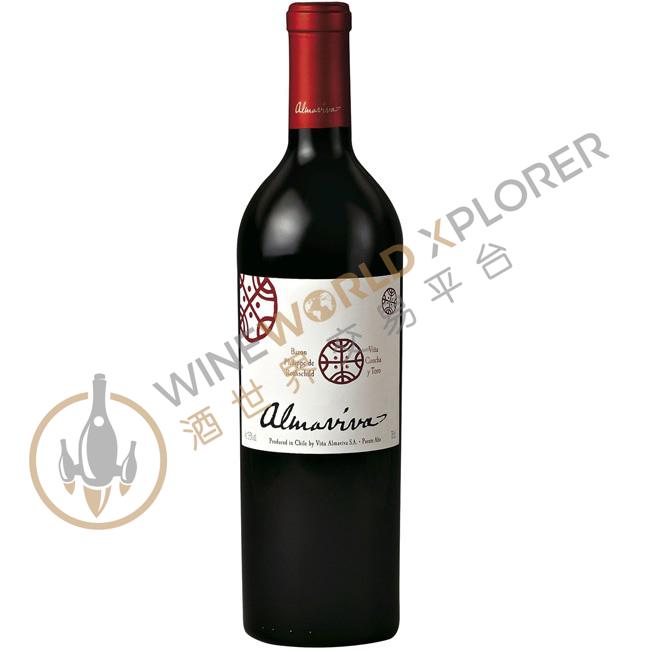
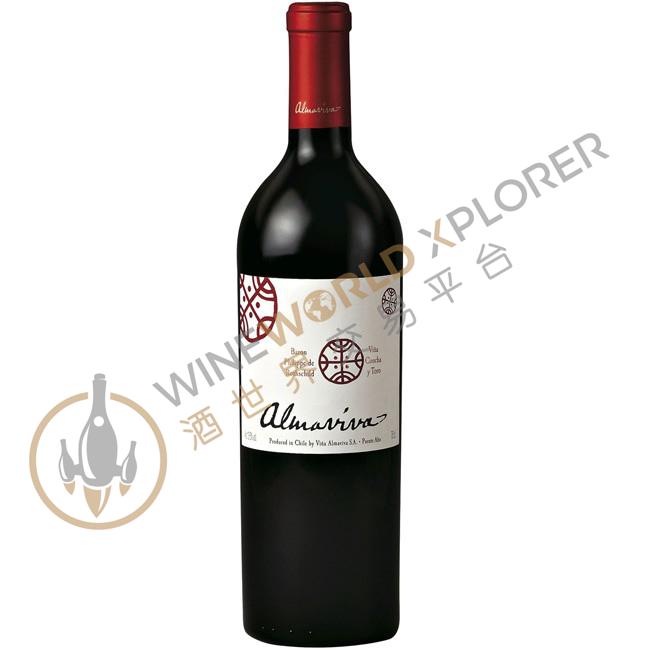
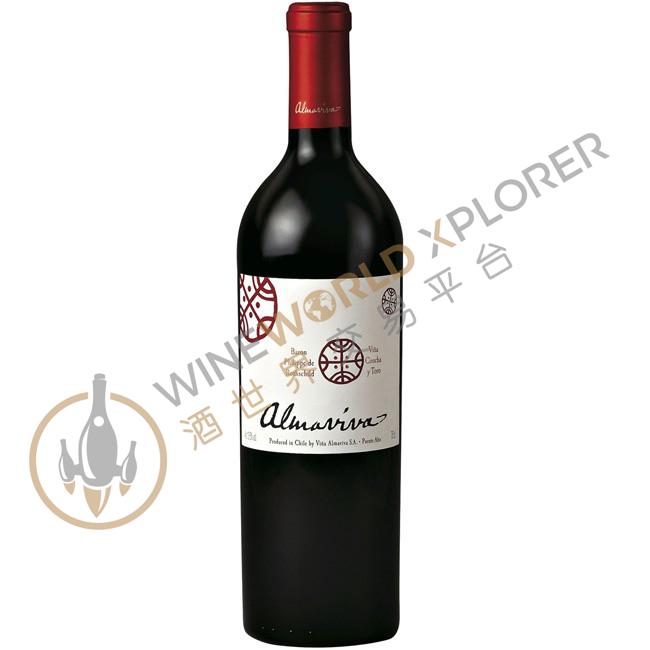
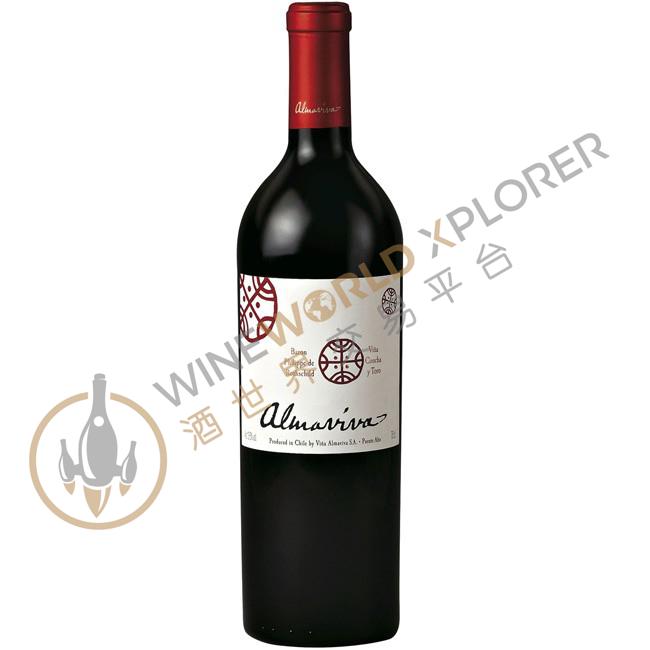
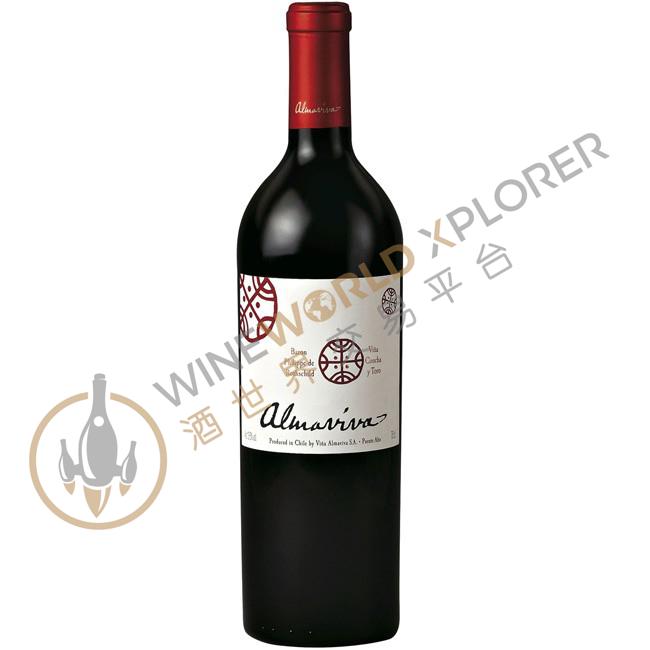
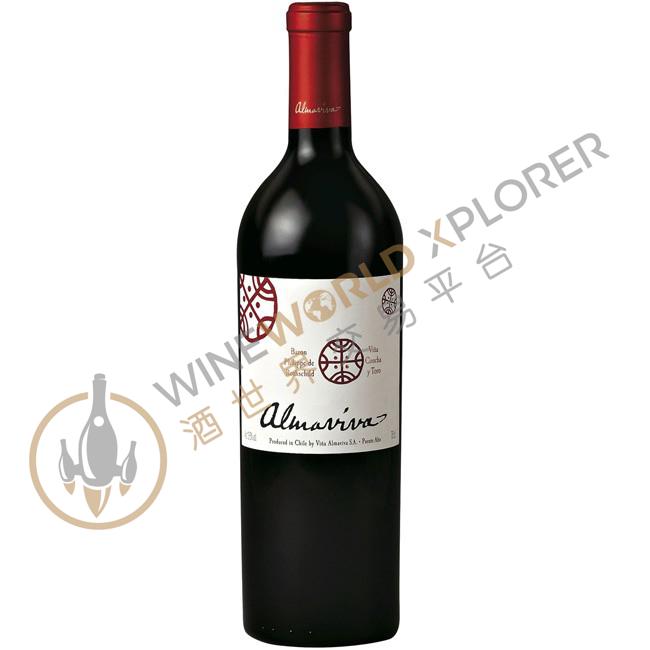
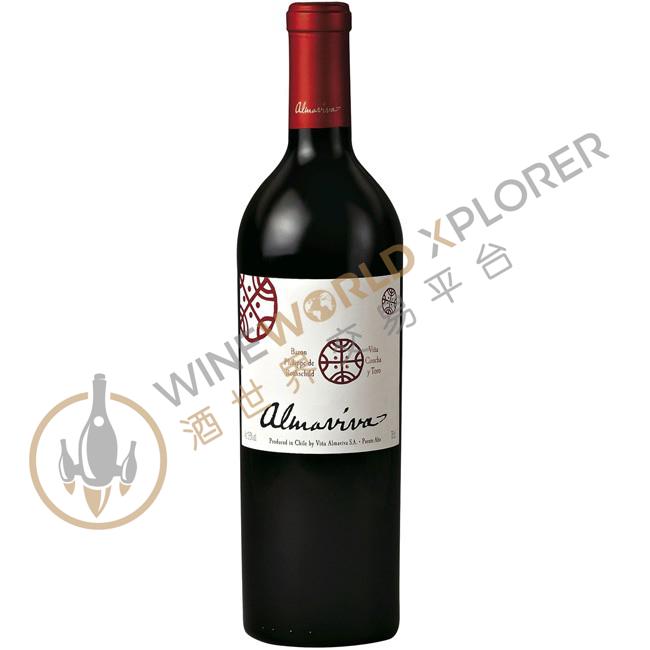
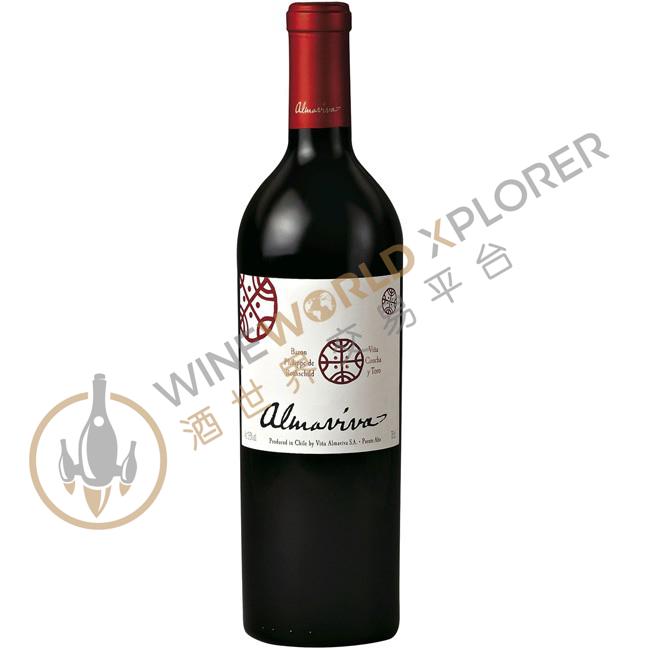
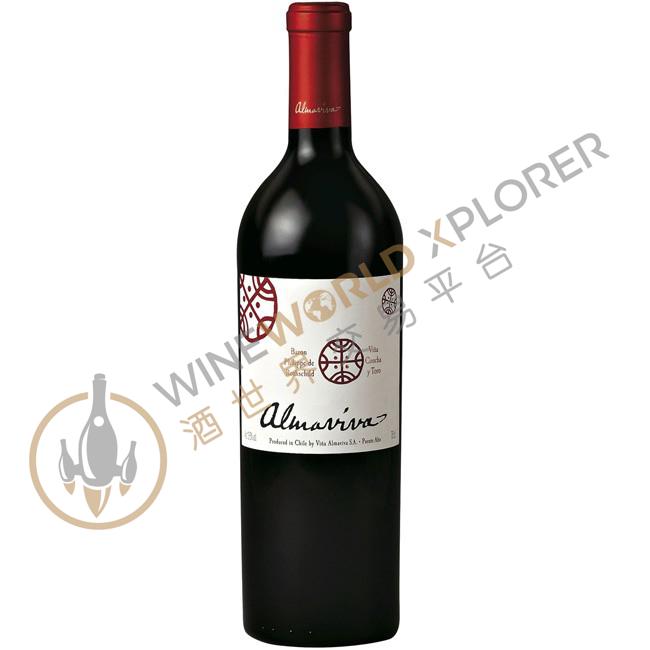
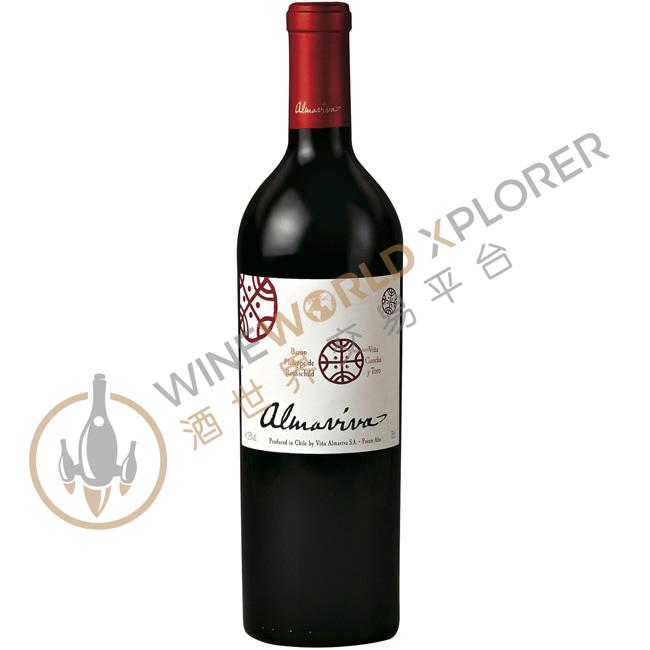
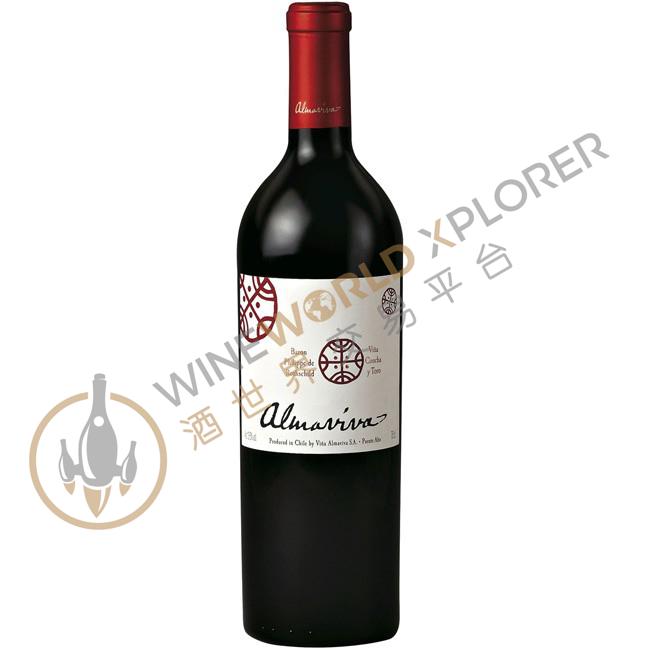
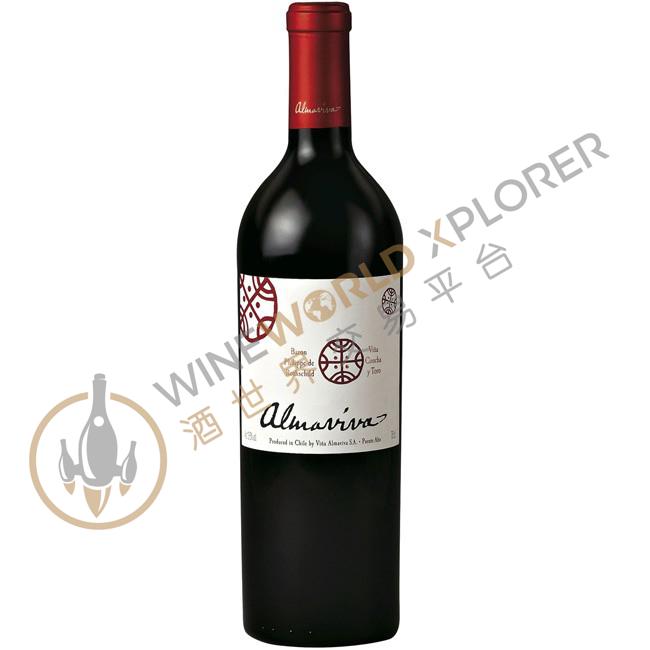
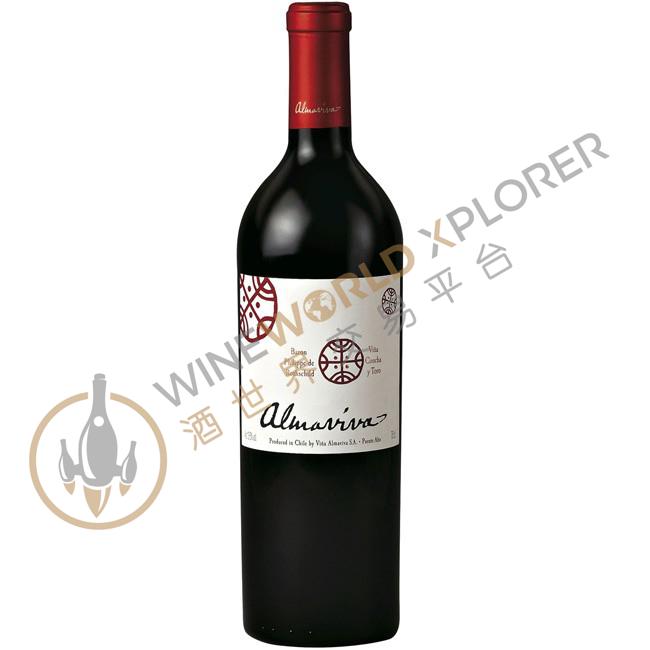
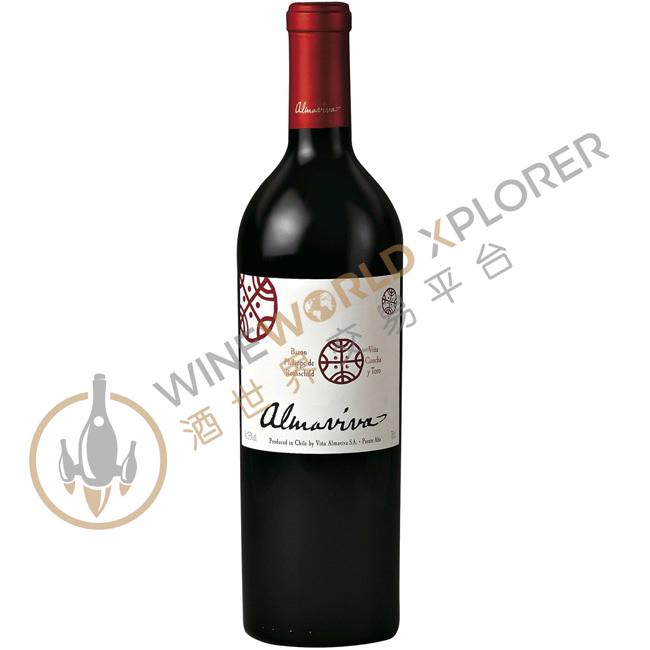
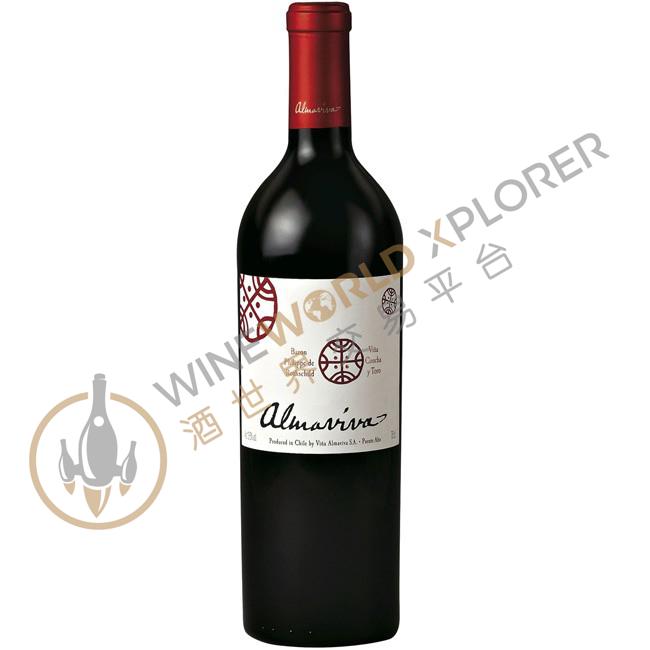
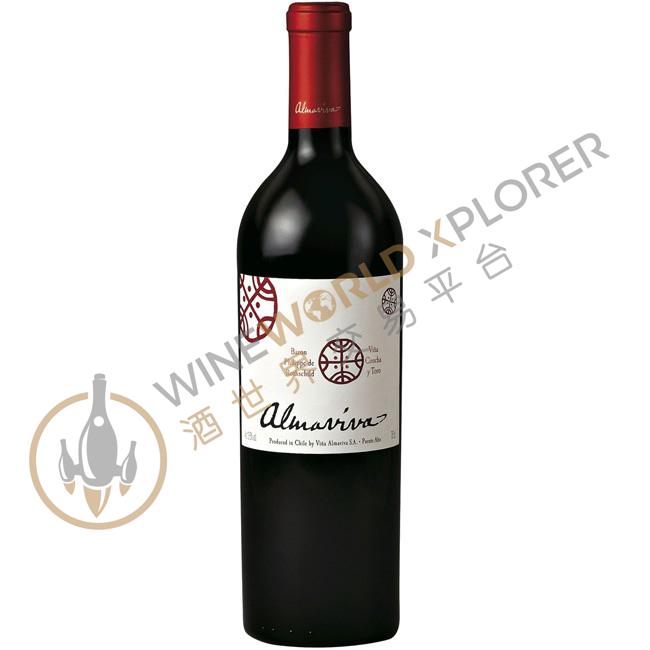
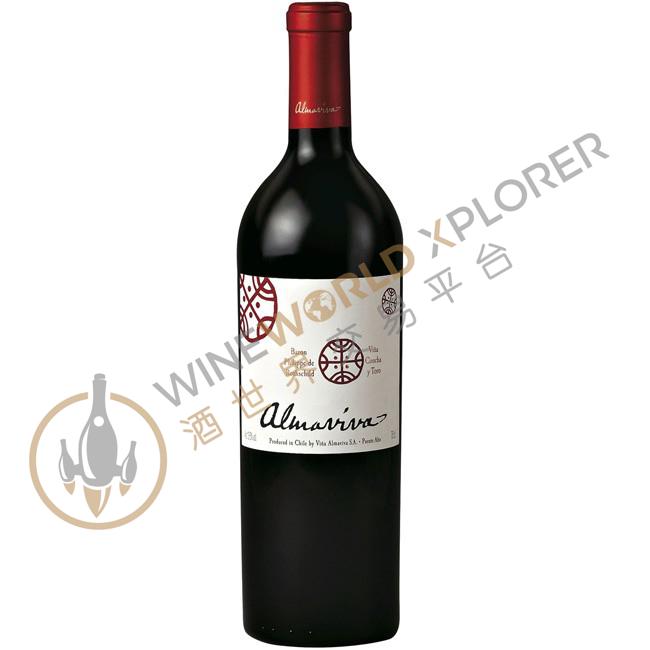
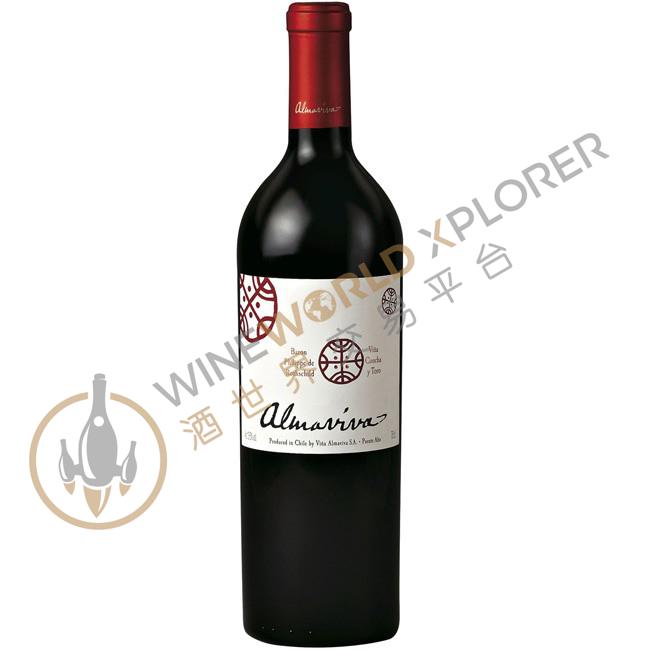
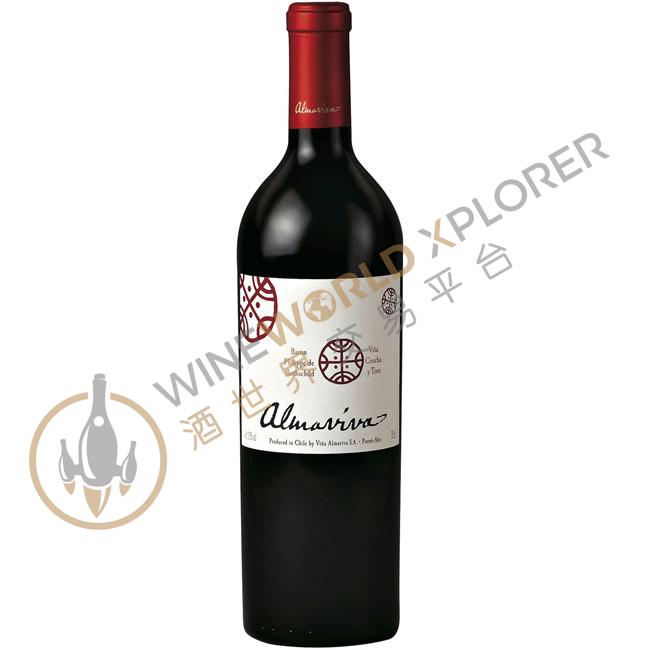
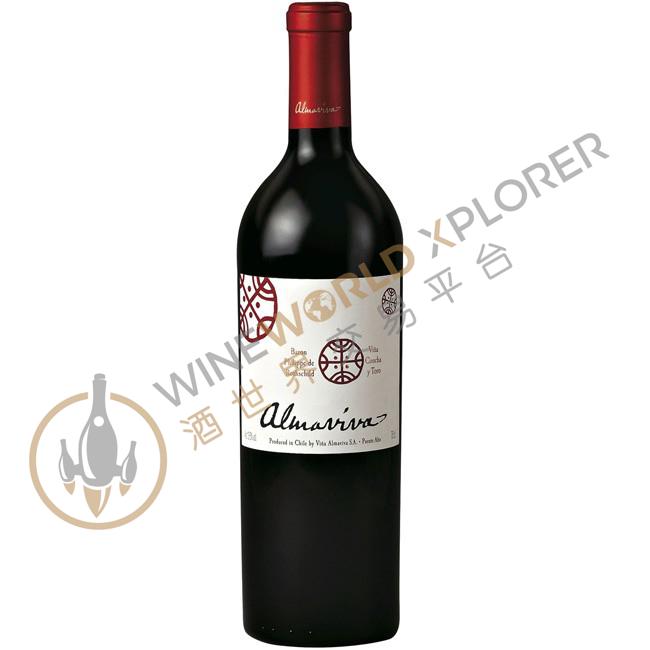
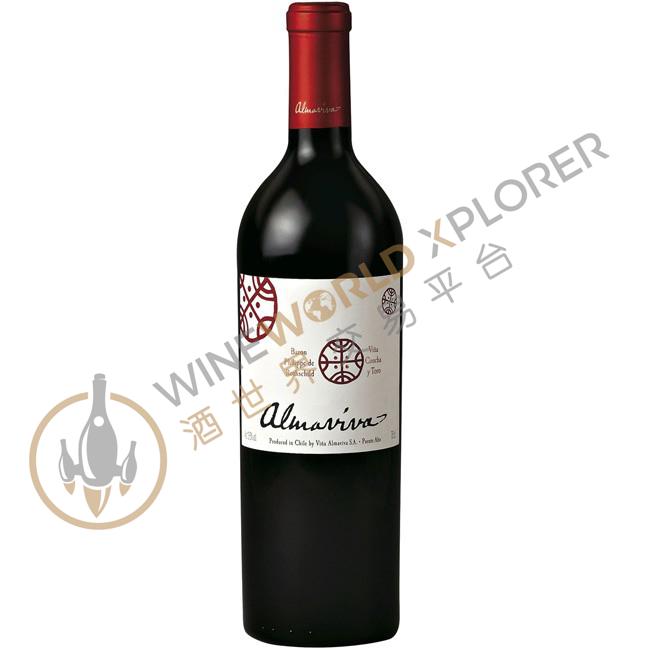
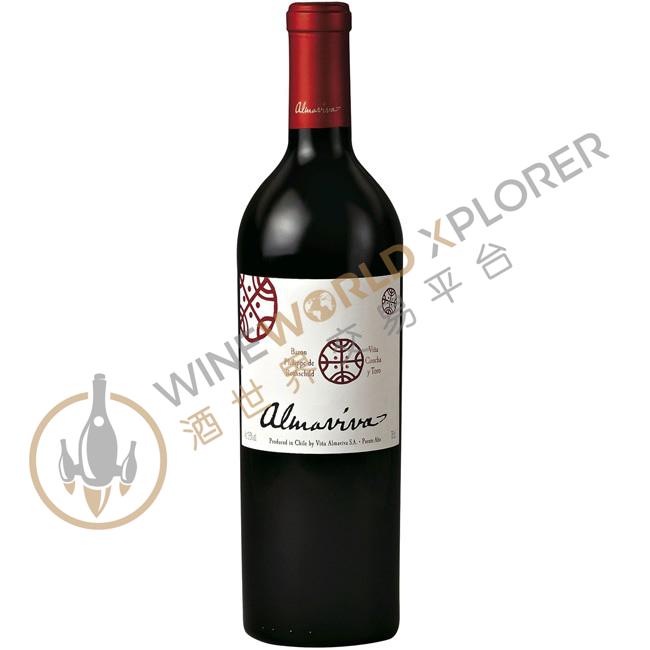
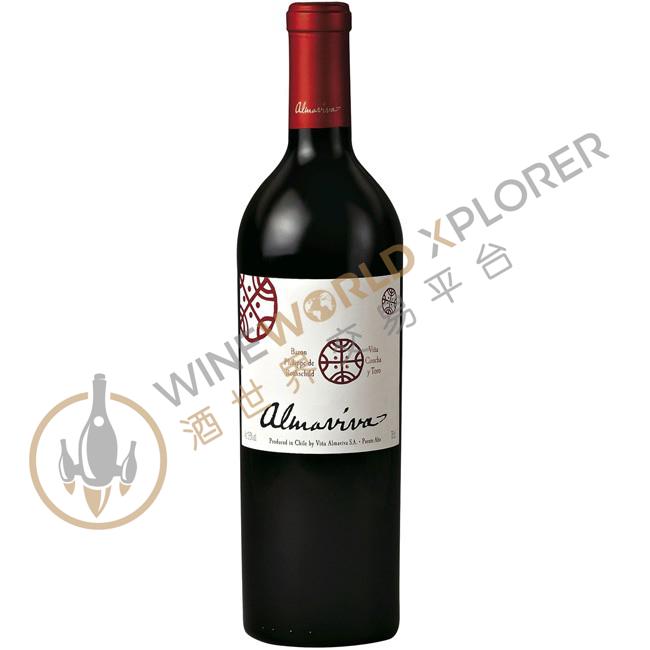
Almaviva, Almaviva 2017
 View analysis


Description
Made from a blend of classic Bordeaux varieties, in which Cabernet Sauvignon predominates, Almaviva is the result of a felicitous encounter between two cultures. Chile offers its soil, its climate and its vineyards, while France contributes its winemaking savoir-faire and traditions. The result is an exceptionally elegant and complex wine. Its launch was a major milestone in the development of Chilean wines, both in Chile itself and in the international market.
Appearance: Deep, intense and opaque ruby red. Nose: The nose reveals a generous, powerful and layered bouquet of ripe cassis and blackberries, interwoven with hints of mineral, fine notes of vanilla, coffee, black pepper and earth. Palate: Dense and full-bodied, the wine fills the mouth with round, ripe and refined tannins, leaving an overall impression of balance and persistence. Produced from an extremely warm, but superb vintage, this well-structured wine of balanced acidity strikes a wonderful combination of elegance and power, with a very promising long aging potential.
Tasting notes

Reviewed by: Luis Gutiérrez
I retasted the 2016 and 2017 next to the current 2018 to get some comparisons. Tasting the three years side by side, the 2017 Almaviva is clearly the one with more herbal notes and lots of concentration. It was a warm year with low yields and high concentration, but funnily enough, there are more herbaceous notes in the wine. This is a year of power and concentration, but the tannins are nicely coated by juicy fruit.
Reviewed by: Luis Gutiérrez
2017 was an unusual year, warm and extremely dry (178 liters of rain, but there was some rain after the 2016 harvest, so the soil had some water), and the harvest and the whole cycle was two to three weeks earlier than normal. That is the context for the 2017 Almaviva, whose vines saw extremely low yields (ten hectoliters per hectare in the older parts, 36 hectoliters per hectare in the young vines) and produced concentrated juice. The bottled blend is 65% Cabernet Sauvignon, 23% Carmenère, 5% Cabernet Franc, 5% Petit Verdot and 2% Merlot, quite similar to the 2016, and the alcohol level reached 14.6% with a pH of 3.65 and 4.9 grams of acidity (measured in tartaric acid). It matured in French oak barriques (825 of them new) for 19 months. It's a riper, rounder and softer vintage, with moderate acidity and a tender mouthfeel, really marked by very high temperatures all year round. They used a little more Petit Verdot in the blend, but there is no overripeness. The wine shows some herbal aromas (I really notice the touch of the Carmenere this year). They harvested extremely early (three weeks earlier than normal!) and were able to keep the tension in the wine, and it has a polished mouthfeel and very round tannins. It's a nicely crafted red blend, and they were able to overcome the difficulties of the year; I see the style of something between 2016 and 2015, quite compact. It might require some more bottle age to open up, and it should develop nicely in bottle. 180,000 bottles produced. It was bottled in January 2019.
Reviewed by: Luis Gutiérrez
2017 was an unusual year—warm and extremely dry, with 178 liters of rain, but there was some rain after the 2016 harvest, so the soil had some water]—and the harvest and the whole cycle were two to three weeks earlier than normal. That is the context for the 2017 Almaviva, whose vines saw extremely low yields (10 hectoliters per hectare in the older parts, 36 hectoliters per hectare in the young vines) and produced concentrated juice. The bottled blend is 65% Cabernet Sauvignon, 23% Carmenère, 5% Cabernet Franc, 5% Petit Verdot and 2% Merlot, quite similar to the 2016, and the alcohol level reached 14.6% with a pH of 3.65 and 4.9 grams of acidity (measured in tartaric acid). It matured in French oak barriques (825 of them new) for 19 months. It's a riper, rounder and softer vintage, with moderate acidity and a tender mouthfeel, and it is really marked by very high temperatures all year round. They used a little more Petit Verdot in the blend, but there is no over-ripeness. The wine shows some herbal aromas (I really notice the touch of the Carmenère this year). They harvested extremely early (three weeks earlier than normal!) and were able to keep the tension in the wine, and it has a polished mouthfeel and very round tannins. It's a nicely crafted red blend, and they were able to overcome the difficulties of the year; I see the style of something between 2016 and 2015, quite compact. It might require some more bottle age to open up, and it should develop nicely in bottle. 180,000 bottles produced. It was bottled in January 2019.
Reviewed by: Joaquin Hidalgo
A Cabernet Sauvignon mixed with 23% Carménère, 5% Cabernet Franc, 5% Petit Verdot and 2% Merlot from Puente Alto, Maipo that spent 19 months in French barrels. Reflecting a warm, dry year, the nose presents notes of black currant and raspberry jam, black tea leaves and sweet spices with a touch of kirsch. Gentle on the palate with firm, pleasant tannins, a loose structure, bold flavor and intriguing expression. A hint of menthol makes itself felt at the back of the mouth.
About the Producer
Almaviva Winery: A Franco-Chilean Legacy of Excellence In 1997, Baroness Philippine de Rothschild—then President of Baron Philippe de Rothschild SA—and Don Alfonso Larrain, President of Viña Concha y Toro, forged a historic partnership. This visionary alliance gave birth to Almaviva, an exceptional Franco-Chilean wine that marries the expertise of Bordeaux’s winemaking tradition with the unparalleled terroir of Chile’s Maipo Valley. Inspired by French literature, the estate takes its name from Count Almaviva, the noble protagonist of Beaumarchais’s famed play Le Mariage de Figaro. This choice reflects the wine’s elegance, sophistication, and timeless appeal. Nestled in the prestigious Maipo Valley, Almaviva’s estate spans 50 hectares of meticulously tended vineyards, where classic Bordeaux varieties—Cabernet Sauvignon, Cabernet Franc, Carmenère, Merlot, and Petit Verdot—thrive in the region’s optimal climate and gravel-rich soils. The estate’s striking château and modern bodega stand as symbols of its commitment to excellence, blending French heritage with Chilean innovation. A pioneer in Chile’s fine wine scene, Almaviva was the first Chilean winery to embrace the French "château" concept, emphasizing estate-grown grapes and meticulous craftsmanship. Today, it stands as a global benchmark for premium Chilean wine, celebrated for its depth, complexity, and distinctive expression of the Maipo Valley’s terroir. With each vintage, Almaviva continues to captivate connoisseurs worldwide, solidifying its place among the great wines of the world.
2001(2)2003(1)2004(1)2006(2)2007(2)2008(1)2009(1)2010(2)2012(1)2013(1)2014(2)2015(3)2016(4)
Package Size
1 x 1.5L