Wine Advisor



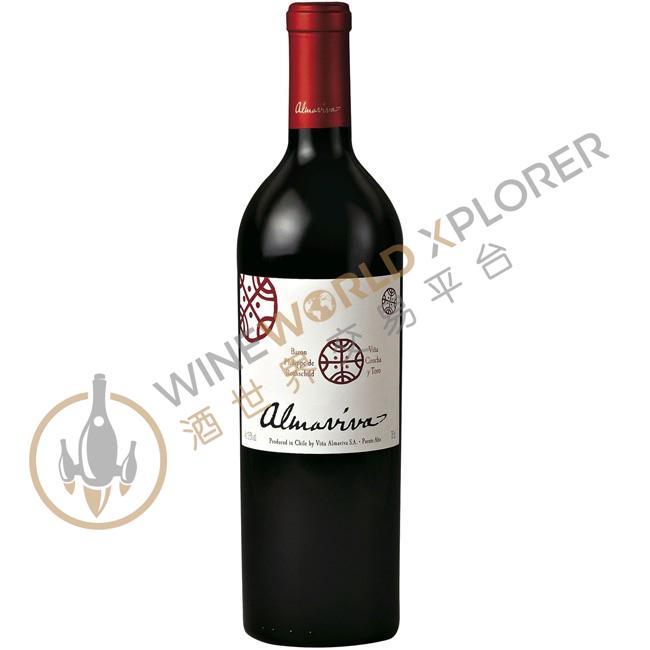
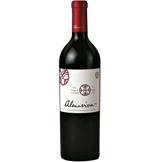
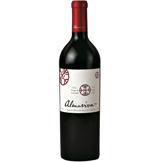
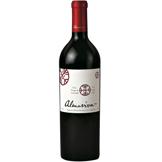
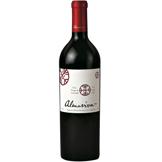
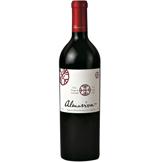
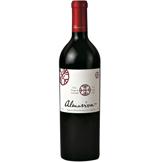
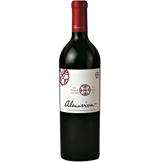
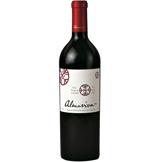
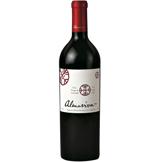
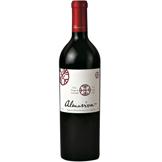
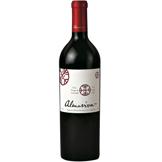
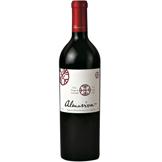
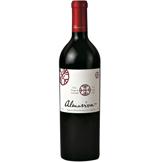
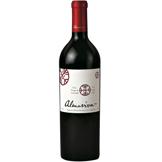
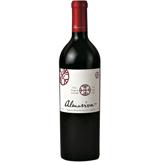
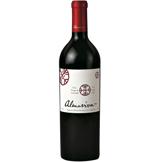
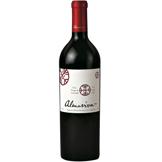
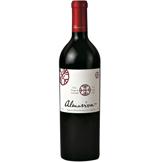
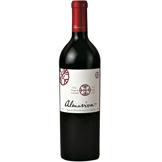
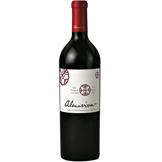
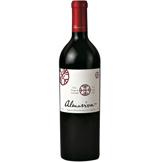
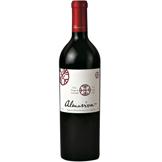
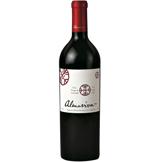
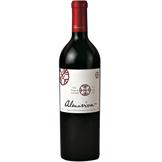
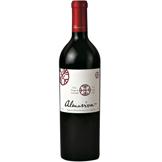
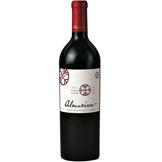
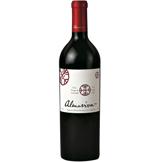
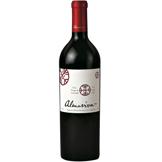
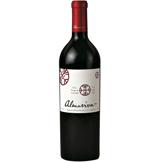
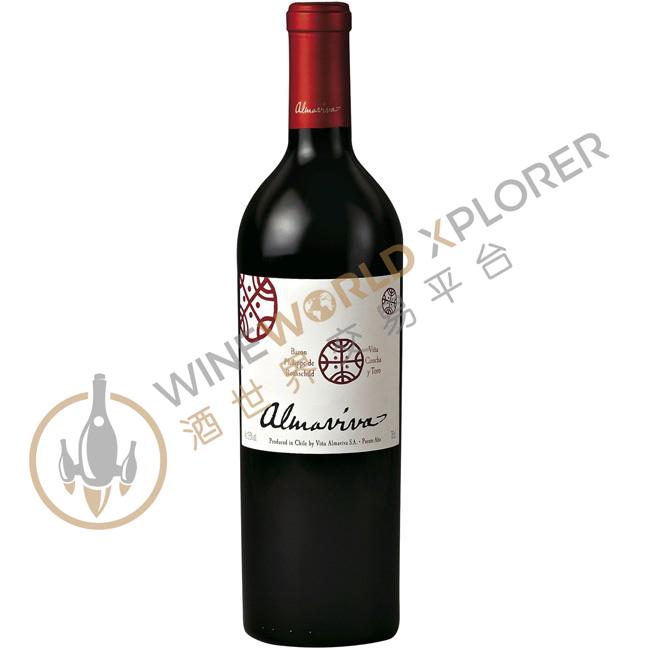
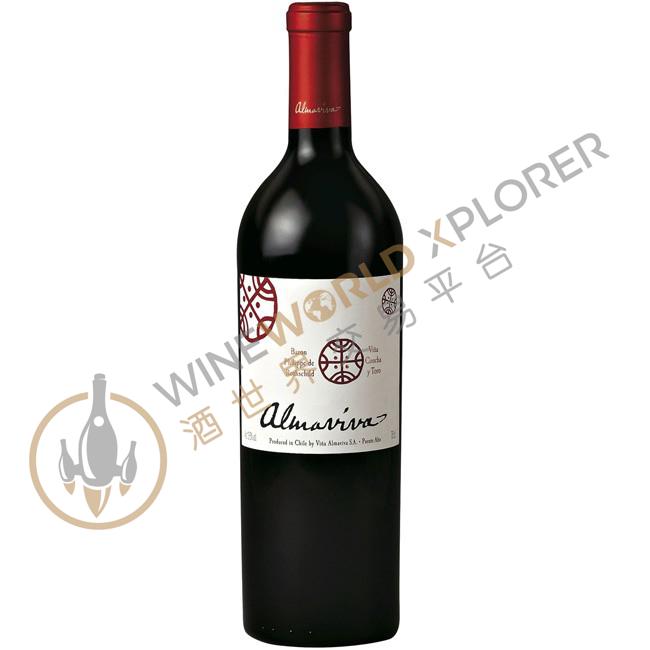
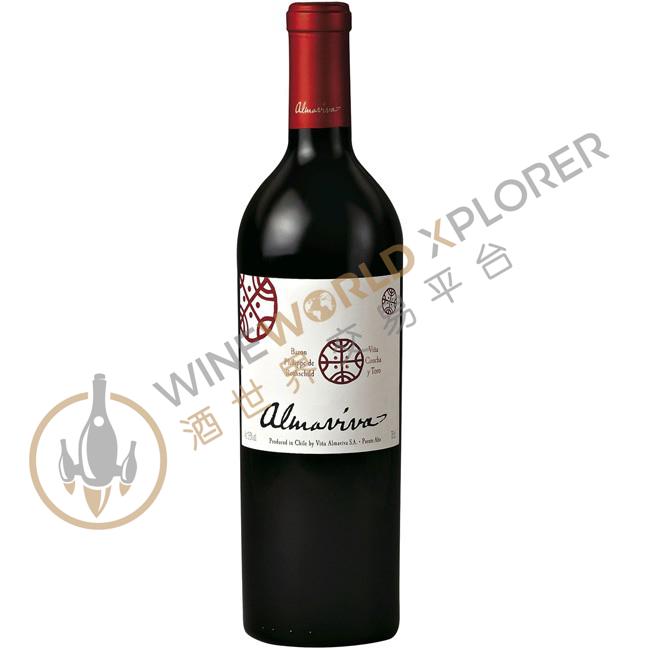
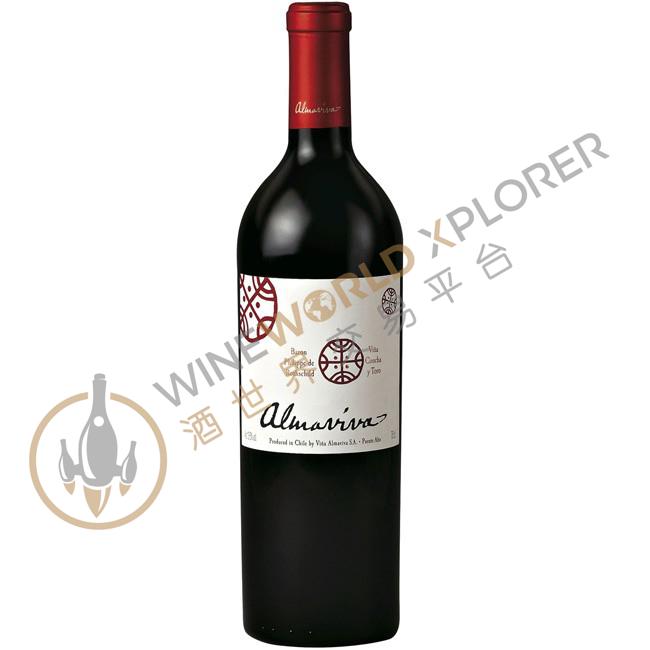
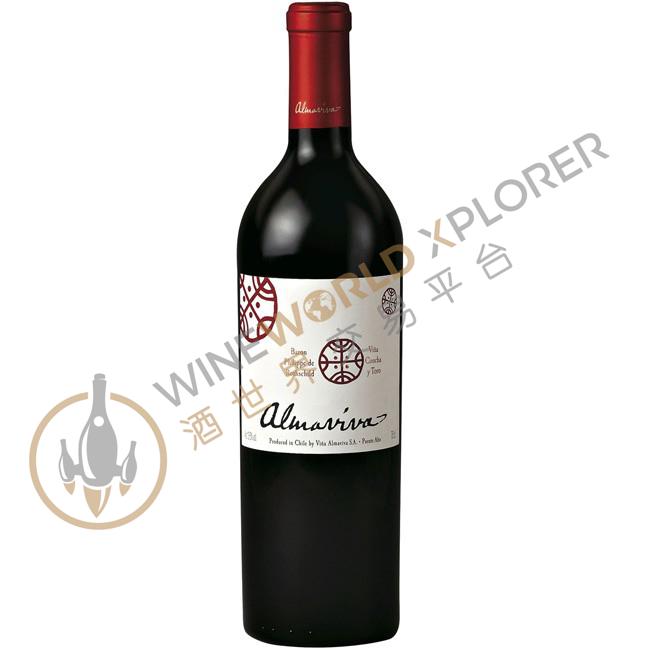
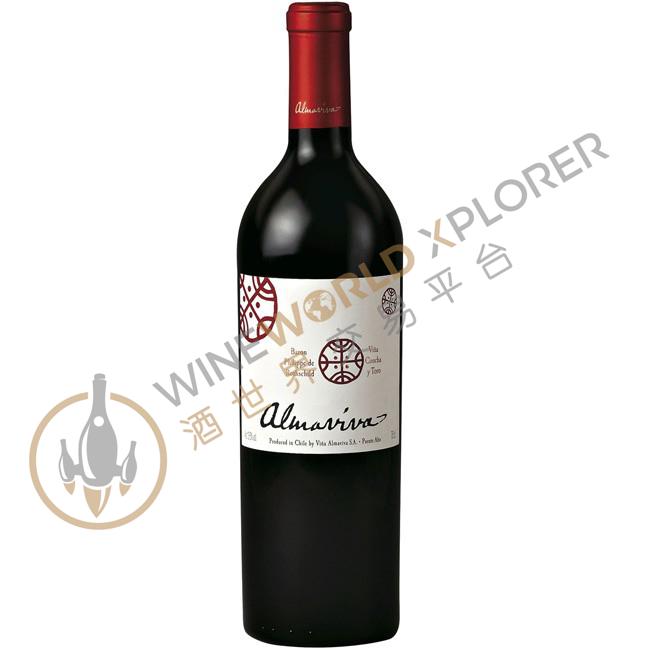
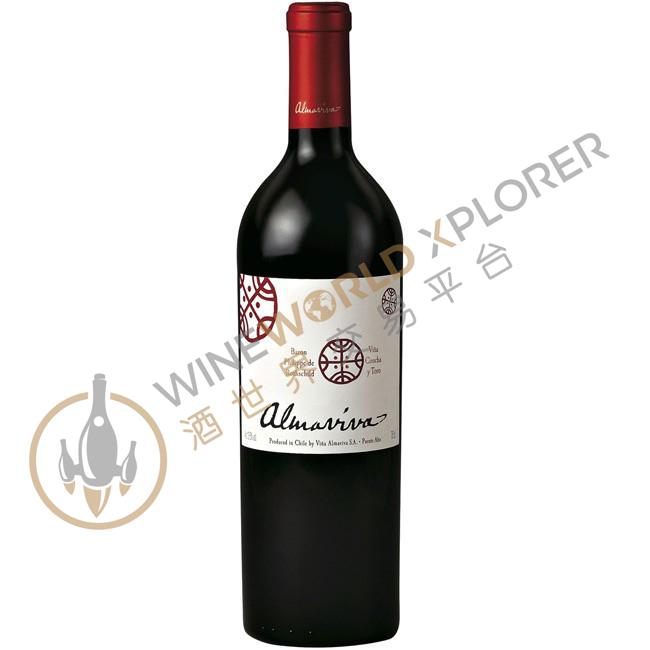
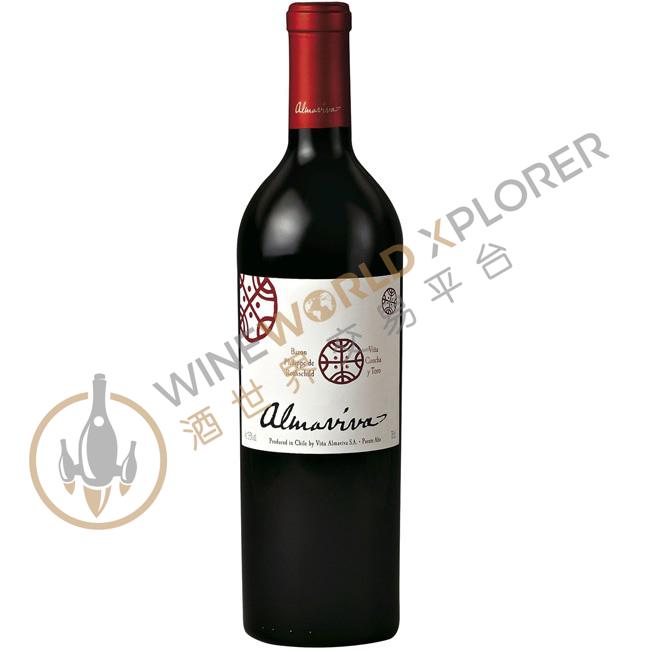
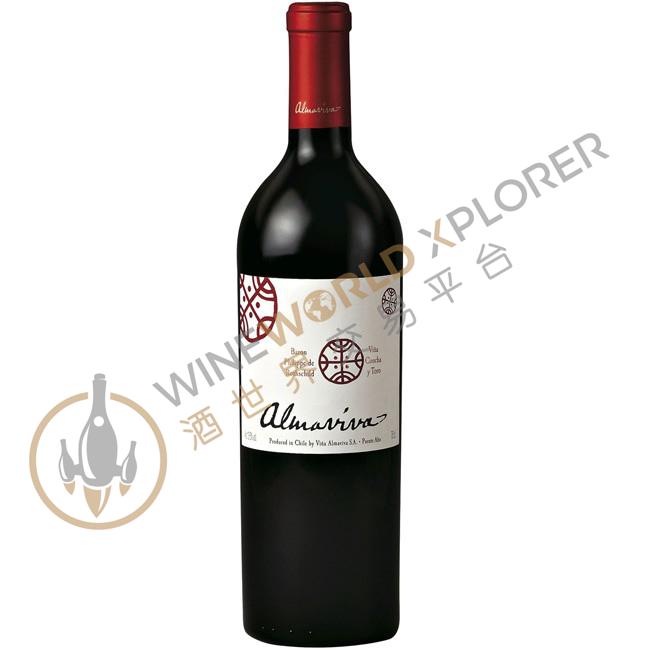
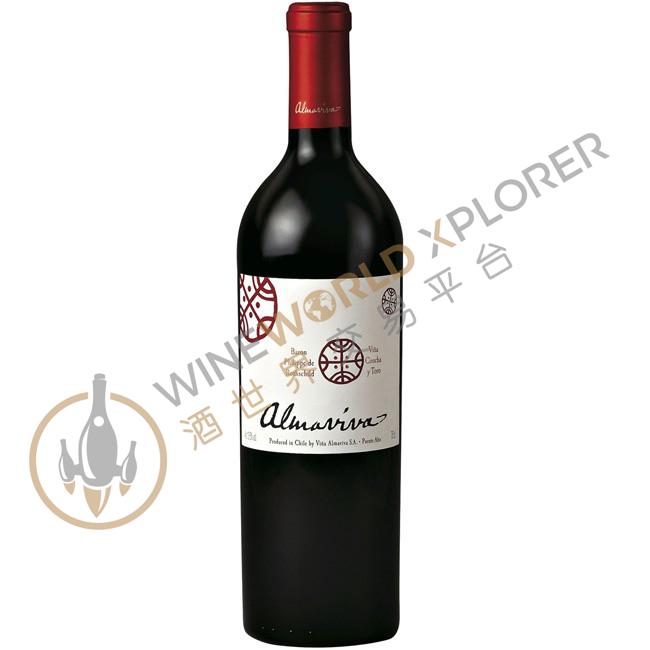
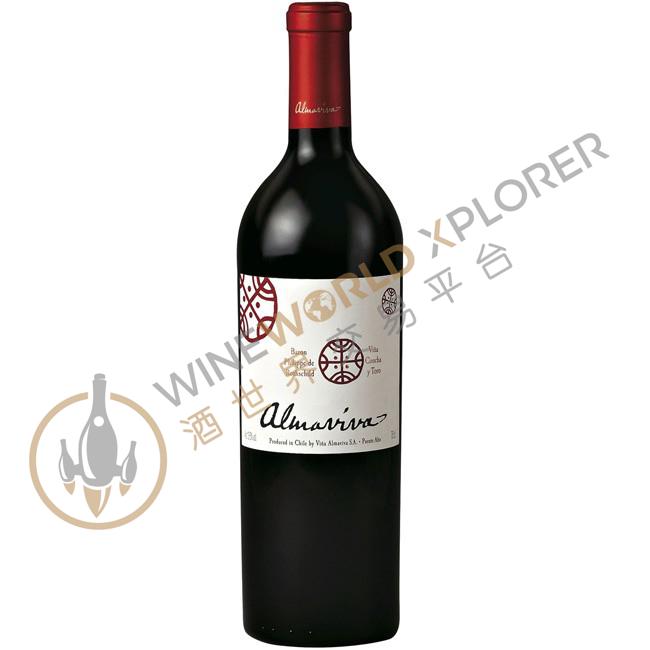
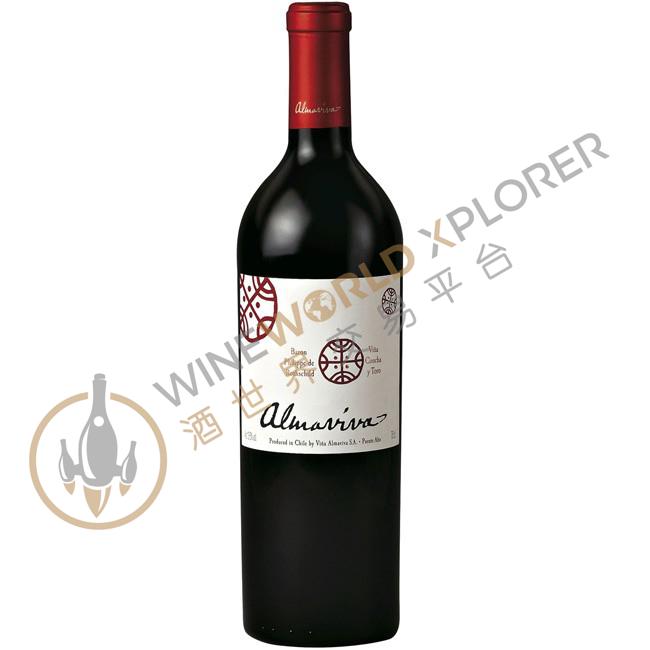
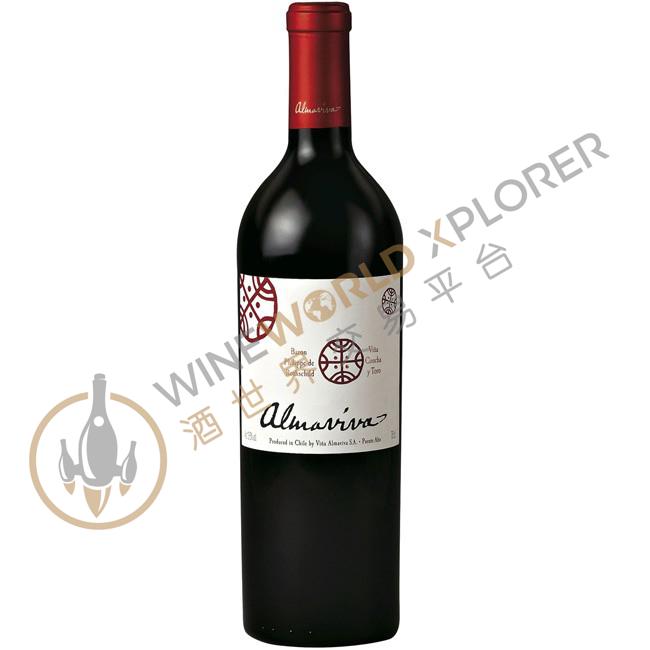
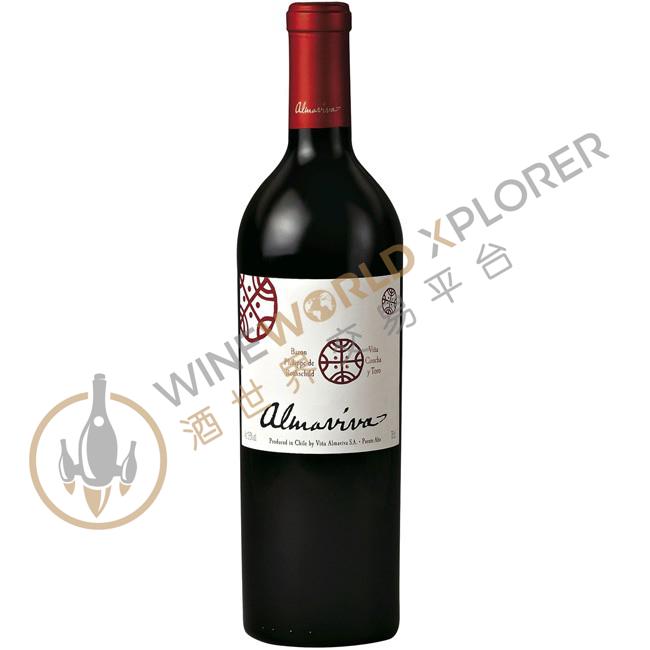
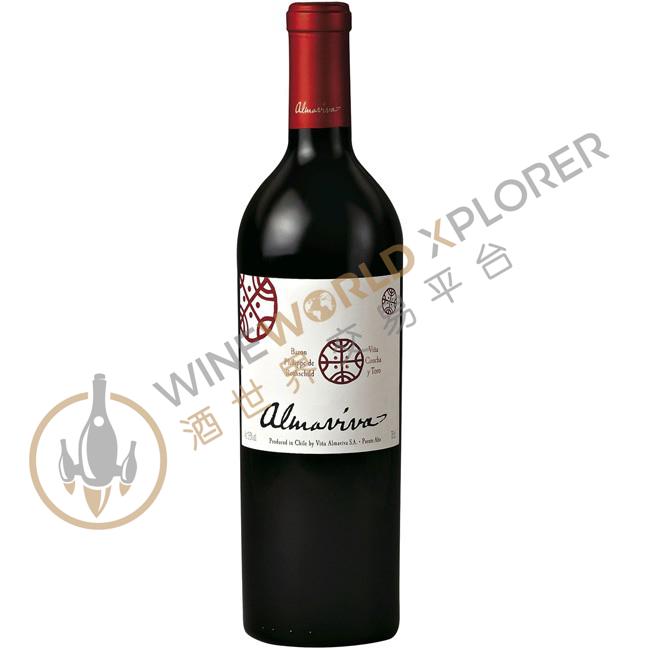
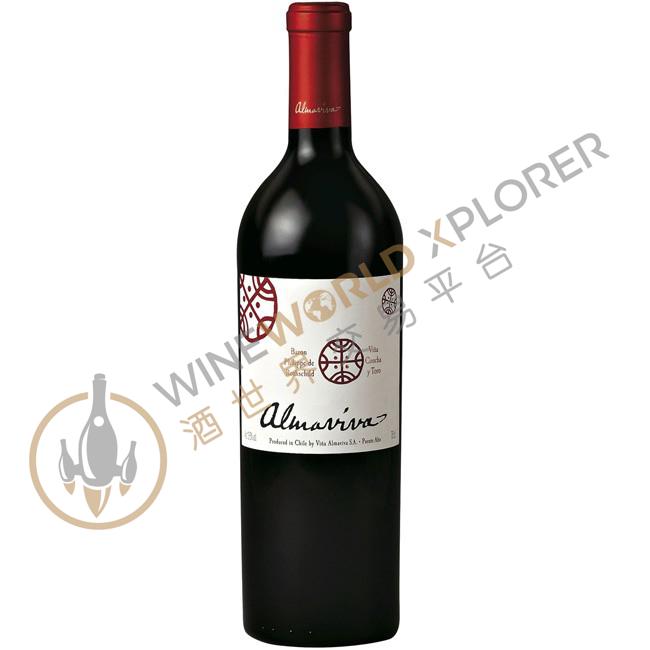
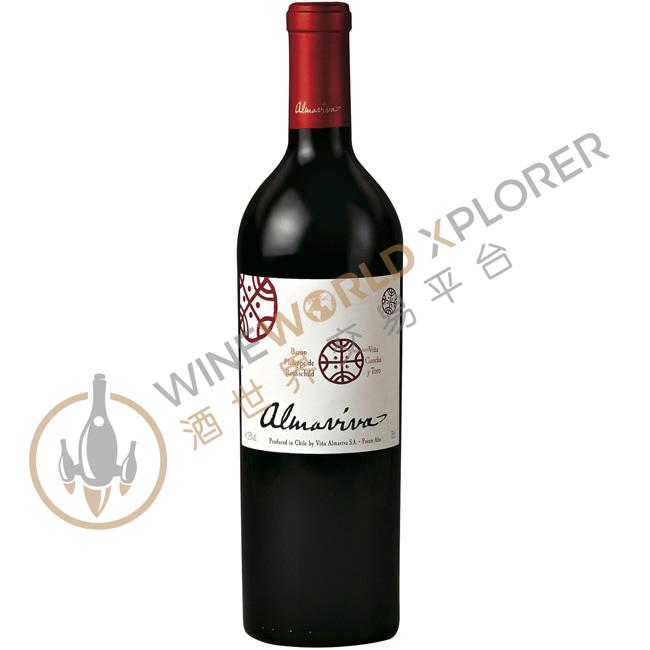
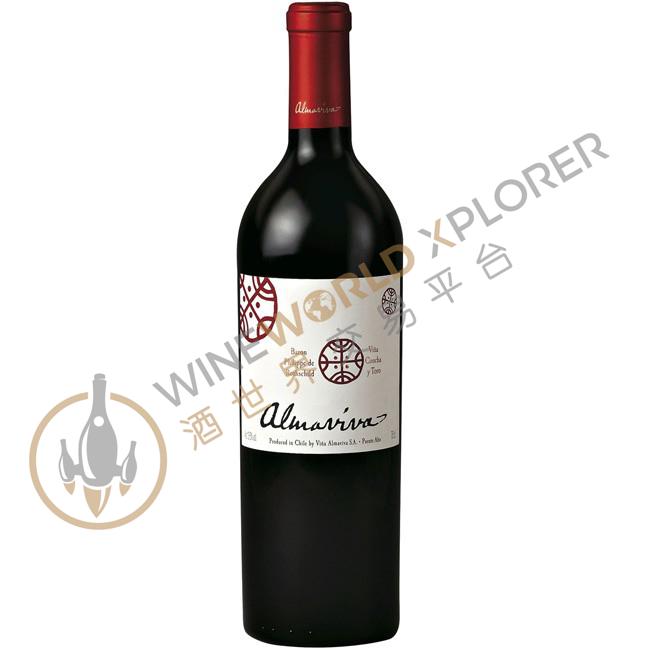
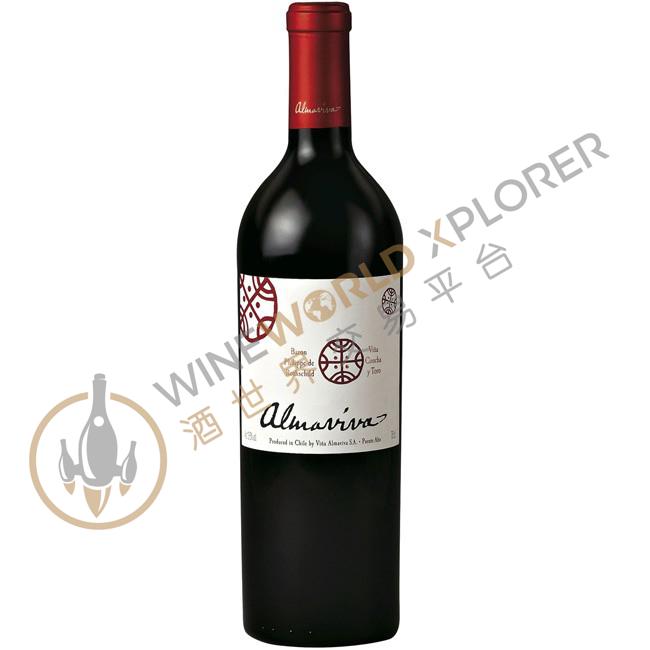
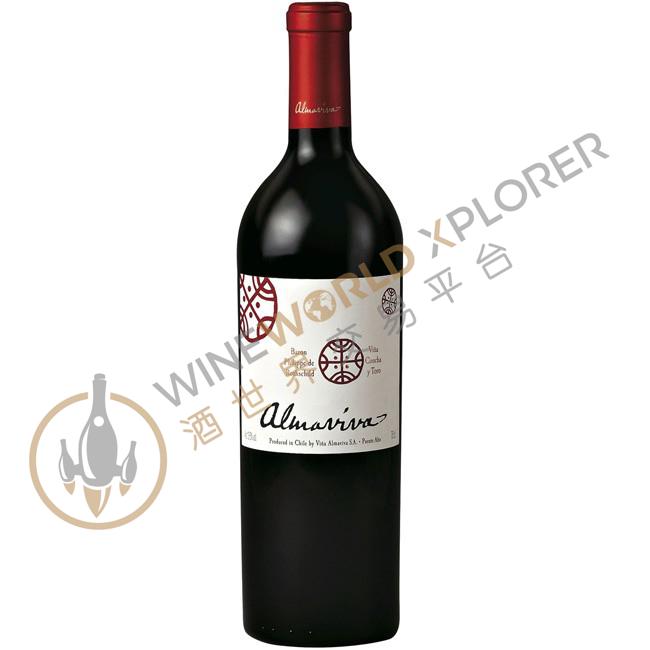
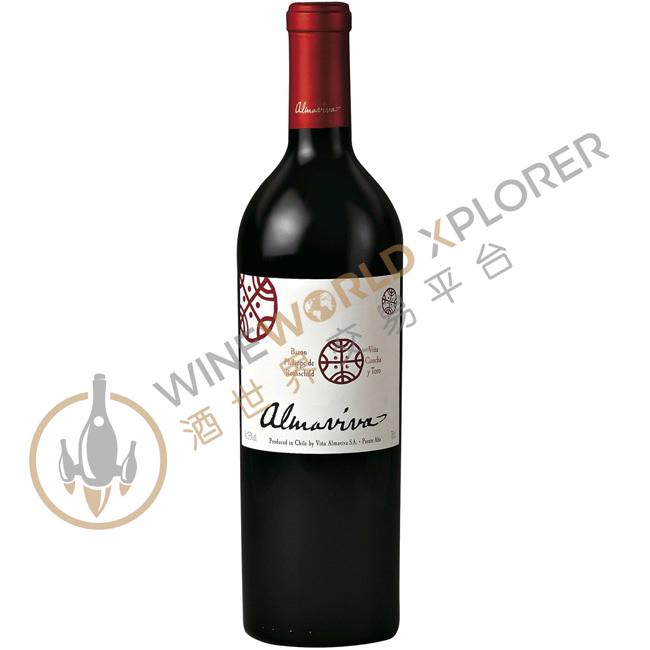
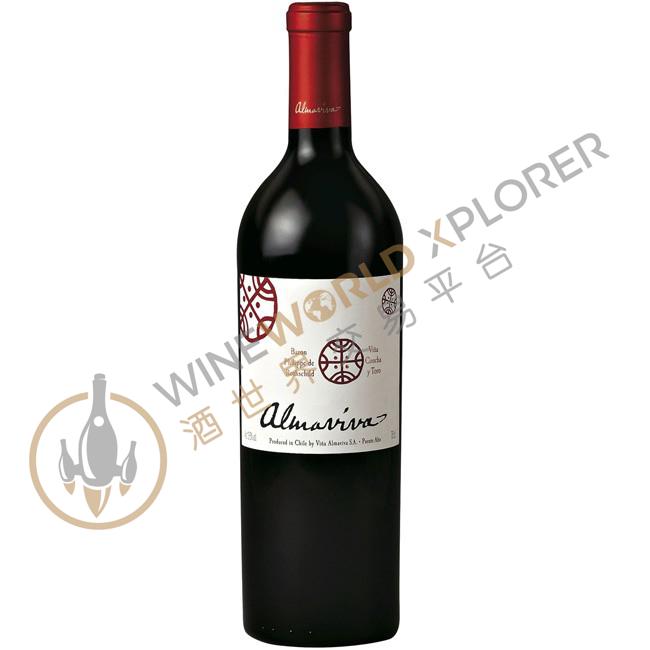
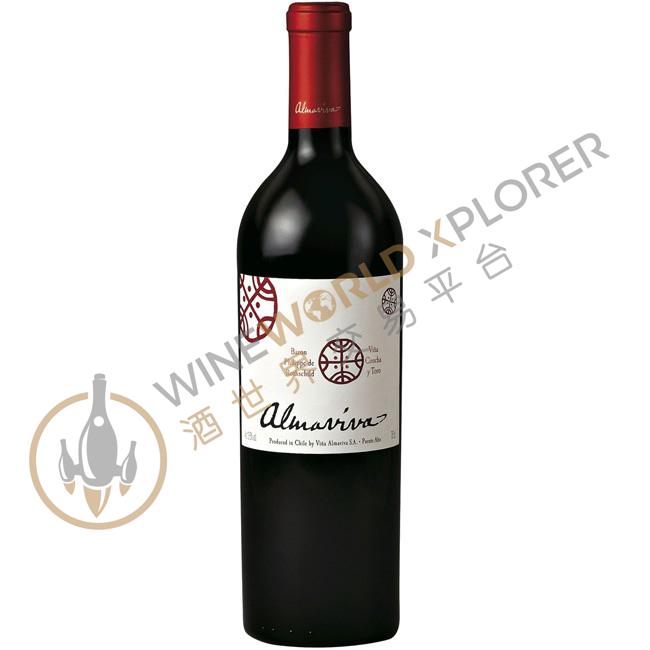
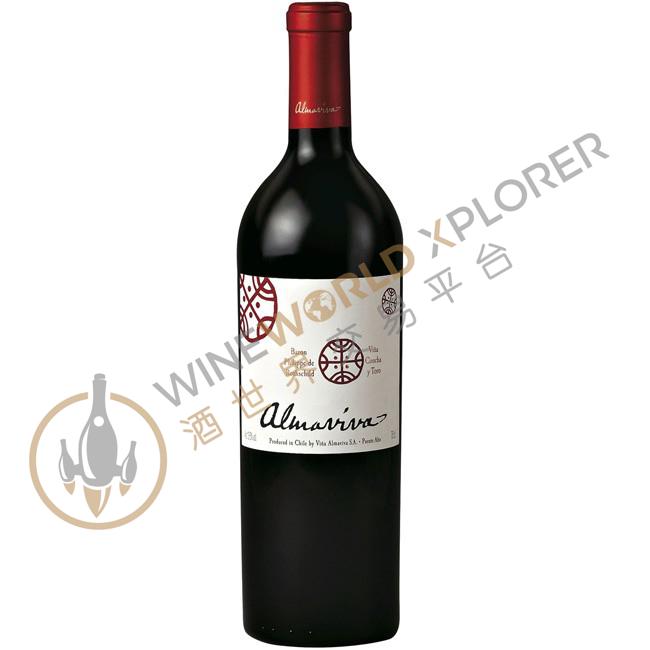
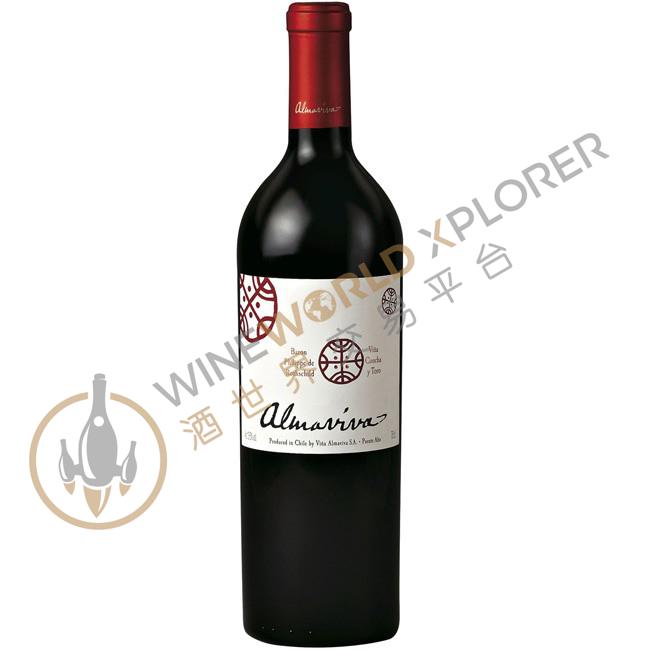
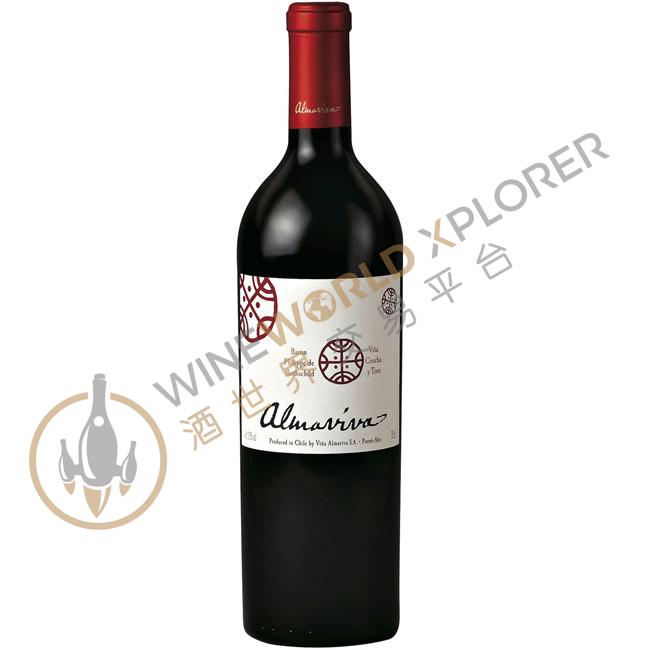
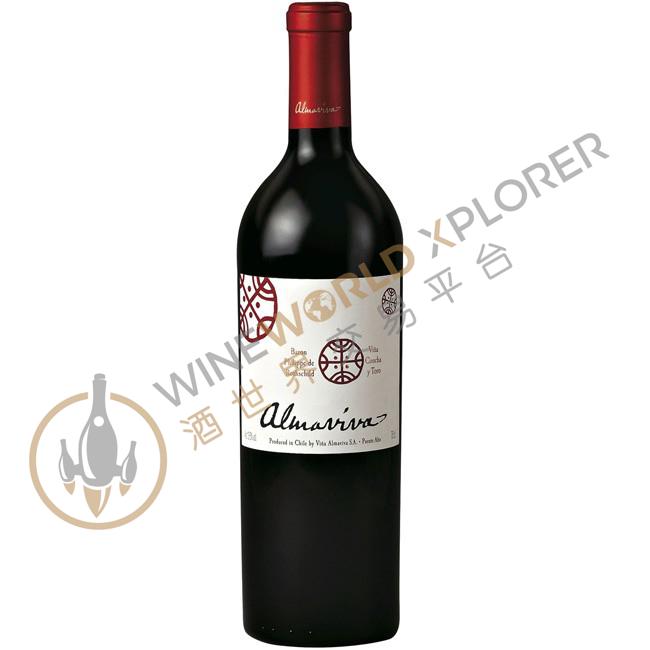
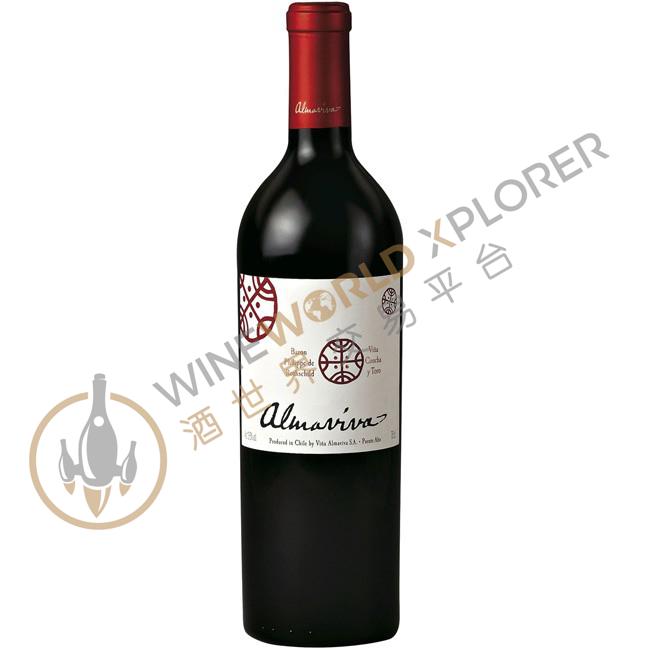
Almaviva, Almaviva 2014
 View analysis


Description
Made from a blend of classic Bordeaux varieties, in which Cabernet Sauvignon predominates, Almaviva is the result of a felicitous encounter between two cultures. Chile offers its soil, its climate and its vineyards, while France contributes its winemaking savoir-faire and traditions. The result is an exceptionally elegant and complex wine. Its launch was a major milestone in the development of Chilean wines, both in Chile itself and in the international market.
Tasting notes

Reviewed by: Luis Gutiérrez
I retasted the 2014 Almaviva next to the current 2015 and 2016 for comparison's sake. 2014 is considered a very good year in the powerful and concentrated way. In Puente Alto, they didn't have problems with frost, but yields were some of the lowest in recent times. This vintage has more alcohol (the label reads 15% alcohol). It's developing at a slow pace—it still has some lactic notes that denote youth—and should have a long life ahead in the bottle. This could be a long-distance runner of a vintage; in fact, it remains more closed than the rest of recent vintages.
Reviewed by: Luis Gutiérrez
The current release is the 2014 Almaviva, the classical Bordeaux blend from Puente Alto, one of the most prestigious appellations in Maipo. This is a late and slow ripening terroir. This was the reason why the frost of September 2013 didn't affect them, because the vines had not yet sprouted. In the last few years they have been on a quest in search of more purity, precision and character, improving the quality of the tannins to make them silkier without losing length and volume. It's easier said than done, but they are getting there. The harvest started on April 1st with the first Merlot and finished on May 16th with the last Carmenere. The final blend is 68% Cabernet Sauvignon, 22% Carmenère, 8% Cabernet Franc and 2% Petit Verdot; they didn't use any Merlot this time. After a sorting of bunches and individual grains, the grapes fermented in stainless steel tanks, some with native yeasts, others with selected ones. Malolactic was in oak barrel or tank, especially in warmer years. The élevage was in 77% new French oak barrels, the remaining ones second use, and it lasted 18 months. 180,000 bottles were produced. There is one single lot that was bottled between January 6th and 20th of 2016. I retasted the 2012 and 2013 for comparison, and they are developing as expected, showing the character of the vintages. 2012 was warmer and riper, an early, warm vintage, harvested two weeks before average. 2013 was the opposite, a late and cool harvest with bigger bunches and higher yields, harvested mostly in May, and as a result, it's a more harmonious and subtle vintage. 2014 would be something in between 2012 and 2013, without the excesses of heat or cold from those years but with lower yields in 2014. The last weeks before the harvest were a little cooler, so it has some of the freshness of 2013 and part of the power of 2012. For winemaker Michel Friou, 2014 could be a similar style to what they got in 2007.
Reviewed by: Joaquin Hidalgo
A Cabernet Sauvignon mixed with 22% Carménère, 8% Cabernet Franc and 2% Petit Verdot from Puente Alto, Maipo that spent 18 months in French barrels. Very dark maroon in the glass. The alcoholic nose gives off black currants and blueberries with hints of hazelnuts and pepper. High-impact, voluminous, reactive tannins and a hint of smoke flow across the palate, leaving a trail of dark fruit behind.
About the Producer
Almaviva Winery: A Franco-Chilean Legacy of Excellence In 1997, Baroness Philippine de Rothschild—then President of Baron Philippe de Rothschild SA—and Don Alfonso Larrain, President of Viña Concha y Toro, forged a historic partnership. This visionary alliance gave birth to Almaviva, an exceptional Franco-Chilean wine that marries the expertise of Bordeaux’s winemaking tradition with the unparalleled terroir of Chile’s Maipo Valley. Inspired by French literature, the estate takes its name from Count Almaviva, the noble protagonist of Beaumarchais’s famed play Le Mariage de Figaro. This choice reflects the wine’s elegance, sophistication, and timeless appeal. Nestled in the prestigious Maipo Valley, Almaviva’s estate spans 50 hectares of meticulously tended vineyards, where classic Bordeaux varieties—Cabernet Sauvignon, Cabernet Franc, Carmenère, Merlot, and Petit Verdot—thrive in the region’s optimal climate and gravel-rich soils. The estate’s striking château and modern bodega stand as symbols of its commitment to excellence, blending French heritage with Chilean innovation. A pioneer in Chile’s fine wine scene, Almaviva was the first Chilean winery to embrace the French "château" concept, emphasizing estate-grown grapes and meticulous craftsmanship. Today, it stands as a global benchmark for premium Chilean wine, celebrated for its depth, complexity, and distinctive expression of the Maipo Valley’s terroir. With each vintage, Almaviva continues to captivate connoisseurs worldwide, solidifying its place among the great wines of the world.
2001(2)2003(1)2004(1)2006(2)2007(2)2008(1)2009(1)2010(2)2012(1)2013(1)
Package Size
12 x 37.5cl