
 Wine Advisor



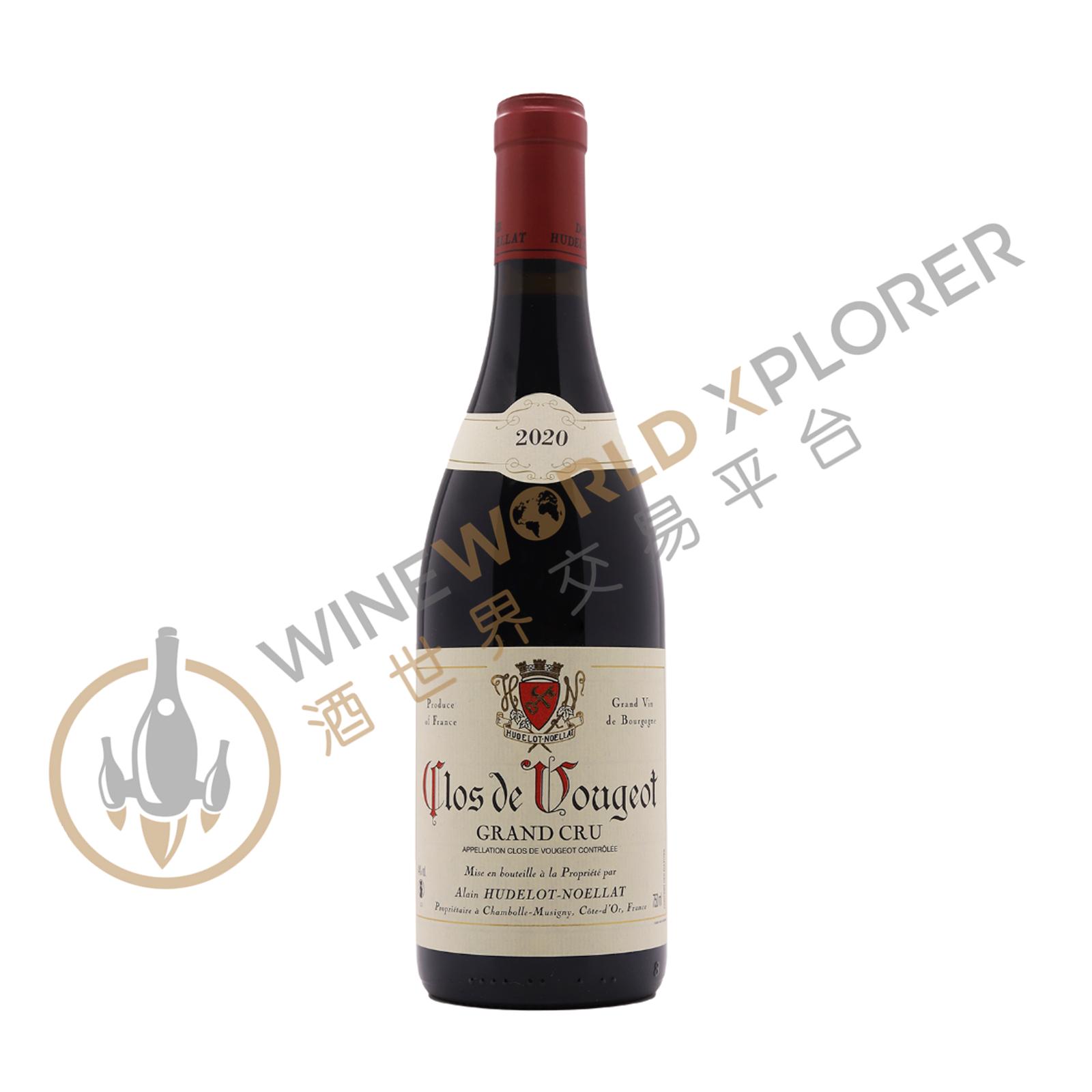
Alain Hudelot Noellat, Clos de Vougeot Grand Cru 2015
 View analysis


Description
Tasting notes

Reviewed by: Neal Martin
The 2015 Clos de Vougeot Grand Cru has a slightly lackluster bouquet that initially does not convey the energy or spark you look for in a young Pinot Noir, but then five minutes later, it is delightful and refined. The palate is fresh and tart on the entry, featuring earthy red fruit; however, it cuts away a little swiftly toward the finish. Fortunately, it fills out with aeration and ends up being quite an elegant Clos de Vougeot. Tasted blind at the annual Burgfest tasting.
Reviewed by: Stephen Tanzer
Bright, moderately saturated red. Surprisingly expressive scents of dark cherry, redcurrant and spices come across as more open and liqueur-like than those of the Malconsorts. Then dense, supple and compellingly sweet on the plate, offering an enticing creaminess of texture and considerable refinement. Finishes with substantial ripe tannins and lingering sweetness. Much less austere in the early going than the Malconsorts.
Reviewed by: Neal Martin
The 2015 Clos de Vougeot Grand Cru is aged in 45-50% new oak. The bouquet is very well defined with crisp red berry fruit, damp undergrowth, hints of cassis developing with time. The palate is medium-bodied, quite tensile and strict, linear, with a brisk saline finish that urges you back for another sip. Superb—though it faces tough challengers from some of the premier crus.
Reviewed by: William Kelley
From bottle, the 2015 Clos de Vougeot Grand Cru is one of the most reserved wines in the portfolio, opening in the glass with a brooding bouquet of plums, cassis, rich soil and wood smoke, framed by a judicious application of new oak. On the palate, the wine is full-bodied, deep and concentrated but very taut and undemonstrative. The raw materials are formidable, but this will require more than a decade of bottle age to blossom: when it does, my score will likely look conservative.
Reviewed by: Neal Martin
From bottle, the 2015 Clos de Vougeot Grand Cru is one of the most reserved wines in the portfolio, opening in the glass with a brooding bouquet of plums, cassis, rich soil and wood smoke, framed by a judicious application of new oak. On the palate, the wine is full-bodied, deep and concentrated but very taut and undemonstrative. The raw materials are formidable, but this will require more than a decade of bottle age to blossom: when it does, my score will likely look conservative.
About the Producer
In 1962, Alain inherited two small parcels of his father's Chambolle-Musigny Grand Cru Les Chames, plus several vineyards from his marriage to the great-granddaughter of Charles Noellat, a Vosne-Romanee winery family, and he established Domaine Alain Hudelot Noellat. The winery is now about 10 hectares (24 hectares) in size. The estate now has about 10 hectares (24 acres) of vineyards with an average age of over 50 years, including several dating back to 1920, including the vineyard at Romanée-Saint-Vivant. The winery is known for its lighter wines with nuanced and natural flavors. Now managed by third-generation grandson Charles van Canneyts, Hudelot-Nollat is not so different from its grandfather's time, when it was less visible in the thicker wines, but now it has the advantage of refinement, often with fresh, bright fruit, balanced acidity and silky tannins. The vinification is entirely de-stemmed, using local yeasts that are not comparable to artificial yeasts, with a relatively long pre-fermentation cold soak, mainly with trampled skins, and 18 months in new barrels at 20-60%. In 2012, Charles also started to buy grapes from other winegrowers under his own name to make his wine. Vosne-Romanee is a blend of three first growths, Suchots, Beaumonts and Malconsorts, and as young as it is, the Hudelot-Noellat family owns three first growths that are over 100 years old, so this VR is ostensibly a village wine, but with a first growth heritage. Jasper Morris MW has high praise for Domaine Hudelot-Noëllat. He believes that while Alain Hudelot's management has produced fine style reds, Charles van Canneyt has taken over and given the wines more concentration and backbone, retaining their elegance, but with more ageing potential and balance.
