
 Wine Advisor



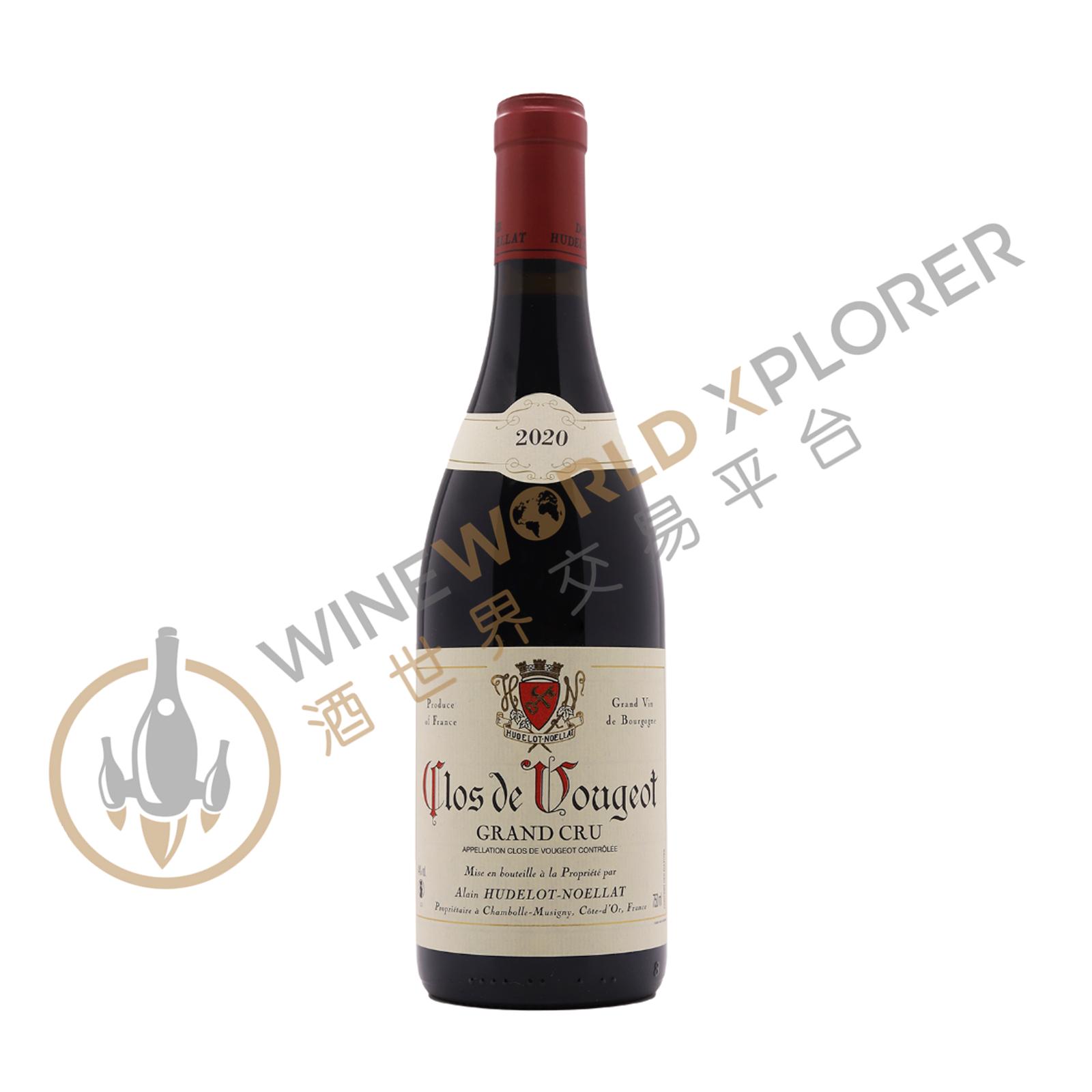
Alain Hudelot Noellat, Clos de Vougeot Grand Cru 2009
 View analysis


Description
Tasting notes

Reviewed by: Antonio Galloni
The 2009 Clos de Vougeot is impressive. Fresh, floral aromatics meld into a core of silky red fruit. The Clos de Vougeot tannins are there, but beautifully balanced by the textured, persistent fruit. The finish is feminine, persistent and impeccable in its elegance. Anticipated maturity: 2019-2029. I tasted the following wines with Charles Van Canneyt, Alain Hudelot’s grandson. Van Canneyt showed me a few 2008s before moving into the 2009s. The estate did some chaptalization in 2008. Based on the selection of wines I tasted, that may have robbed some of the 2008s of their vintage character. Vintage 2009 seems to have played more to the estate’s strengths. The estate used 50% new oak for the Grand Crus and 30% for the 1ers. Importer: Atherton Imports, Menlo Park, CA; tel. (650) 328-6639
Reviewed by: Neal Martin
This has a rather lightweight, earthy bouquet that lacks fruite at first, yet it gains intensity and gains a floral tone with aeration. The palate has a juicy entry, sappy red-berried fruits with an edgy, earthy finish that shows good definition. This Clos Vougeot improves as it goes along but never really “fires up the engines”. Tasted January 2011.
About the Producer
In 1962, Alain inherited two small parcels of his father's Chambolle-Musigny Grand Cru Les Chames, plus several vineyards from his marriage to the great-granddaughter of Charles Noellat, a Vosne-Romanee winery family, and he established Domaine Alain Hudelot Noellat. The winery is now about 10 hectares (24 hectares) in size. The estate now has about 10 hectares (24 acres) of vineyards with an average age of over 50 years, including several dating back to 1920, including the vineyard at Romanée-Saint-Vivant. The winery is known for its lighter wines with nuanced and natural flavors. Now managed by third-generation grandson Charles van Canneyts, Hudelot-Nollat is not so different from its grandfather's time, when it was less visible in the thicker wines, but now it has the advantage of refinement, often with fresh, bright fruit, balanced acidity and silky tannins. The vinification is entirely de-stemmed, using local yeasts that are not comparable to artificial yeasts, with a relatively long pre-fermentation cold soak, mainly with trampled skins, and 18 months in new barrels at 20-60%. In 2012, Charles also started to buy grapes from other winegrowers under his own name to make his wine. Vosne-Romanee is a blend of three first growths, Suchots, Beaumonts and Malconsorts, and as young as it is, the Hudelot-Noellat family owns three first growths that are over 100 years old, so this VR is ostensibly a village wine, but with a first growth heritage. Jasper Morris MW has high praise for Domaine Hudelot-Noëllat. He believes that while Alain Hudelot's management has produced fine style reds, Charles van Canneyt has taken over and given the wines more concentration and backbone, retaining their elegance, but with more ageing potential and balance.
