
 Wine Advisor




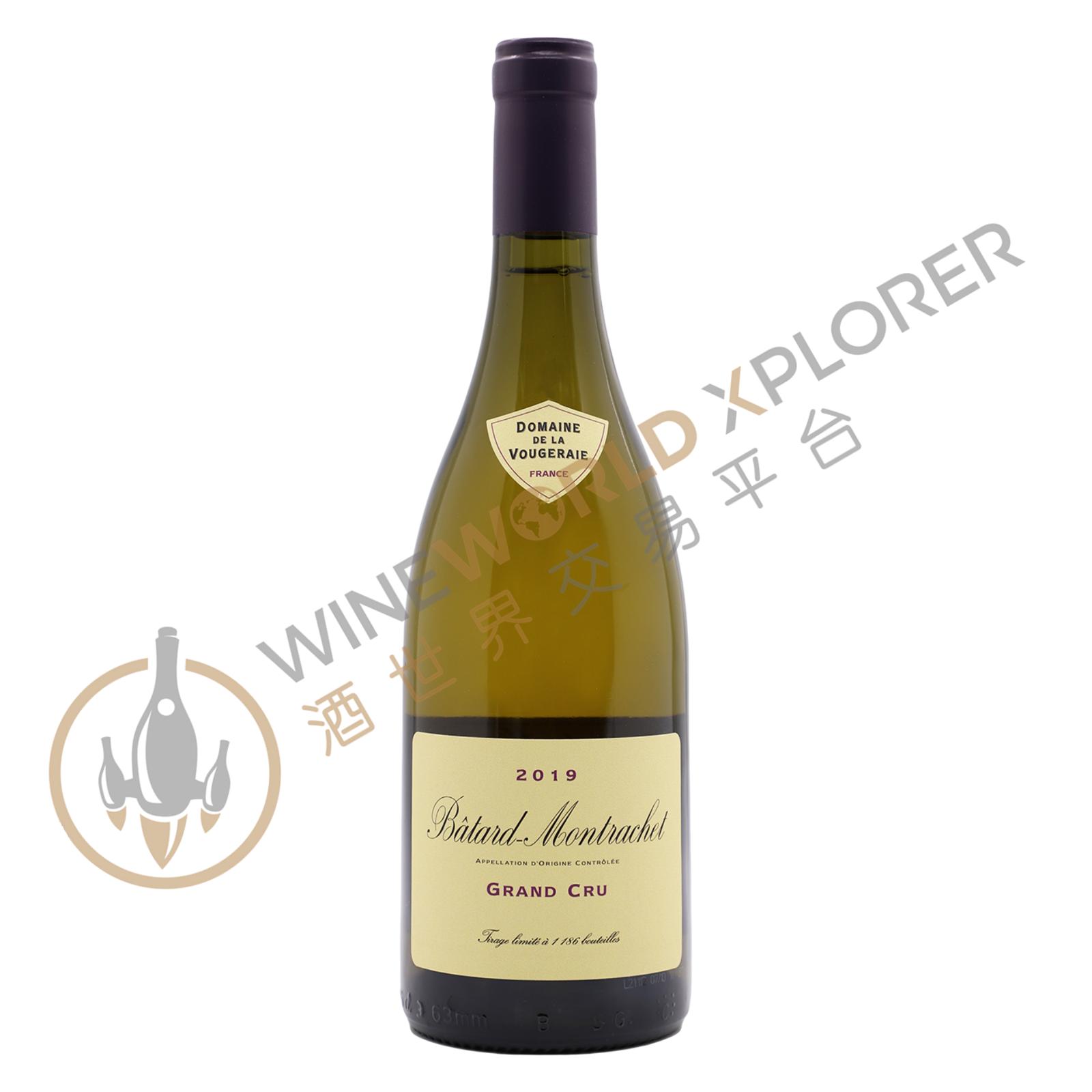
Vougeraie, Batard Montrachet Grand Cru 2017
 View analysis


Description
Tasting notes

Reviewed by: Neal Martin
The 2017 Bâtard-Montrachet Grand Cru has a lot of reduction on the nose that disguises the terroir; it’s difficult to peer beyond the sulfur here. The palate is dense and weighty and slightly honeyed in texture (possibly with just a bit of botrytis?). It feels harmonious toward the finish but does need to address the sulfur issue. Tasted blind at the annual Burgfest tasting in Savigny-lès-Beaune.
Reviewed by: Neal Martin
The 2017 Bâtard-Montrachet Grand Cru comes from three parcels of vine. It has a strict, focused, mineral bouquet that will clearly require some bottle age. The palate is well balanced with crisp acidity, quite pretty and delicate for a Bâtard, with hints of spice and dried honey toward the finish. Oddly, there is something Meursault-like about this wine, perhaps the soupçon of nuttiness pointing you away from Puligny. This is a finely crafted Bâtard-Montrachet.
About the Producer
Domaine de la Vougeraie is located in the wine-producing village of Premeaux between Cote de Nuits and Cote de Beaune in Burgundy, France. Chateau Vujaré was formally established in 1999 and is the property of one of the Burgundy wine merchant giants, the Posset family. The name of the winery "Vougeraie" means that the family owns a large piece of land in Vougeot (Clos de Vougeot), which is also the name of Claude's private residence in Vougeot. Today, the Posset family has effectively integrated the French and American wine industries and has become one of the world's premier luxury wine producers. Wujielai Winery has 67 vineyards with a total area of more than 34 hectares. Two-thirds of the winery's vineyards are located in the Côte de Nuits, and the rest are in the Côte de Beaune. Each area of the winery has different soil and climatic conditions. Some areas are dominated by sandy clay on the surface and clay on the bottom layer, which is suitable for planting Pinot Noir. Some parks have chalk (Chalk) soil, more pebbles, and Pinot Noir is also planted. The winery has been using organic farming methods to manage the vineyards since 1998. In 1999, the organic method of growing the vineyard was officially approved. Since 2001, the vineyards have been managed using Biodynamic methods. During the grape harvest season, the growers will regularly measure the grapes to ensure the best balance between the sugar content, pH and acidity of the grapes, and predict the best time for grape picking in turn, and then pick the grapes manually . Biodynamic method is a major feature of Wujielai Winery. The biodynamic method regards the entire planting area as a whole, emphasizing biodiversity. By studying the changes of the sun, the moon and the stars, and giving corresponding guidance at the right time, the vitality of animals and plants can be enhanced. Guided by the biodynamic calendar, biodynamic methods run through the entire process of viticulture, pruning and harvesting. This biodynamic calendar includes fruit days, root days, flower days and leaf days. All kinds of winemaking equipment in the winery are large in scale and of very good quality.
