
 Wine Advisor



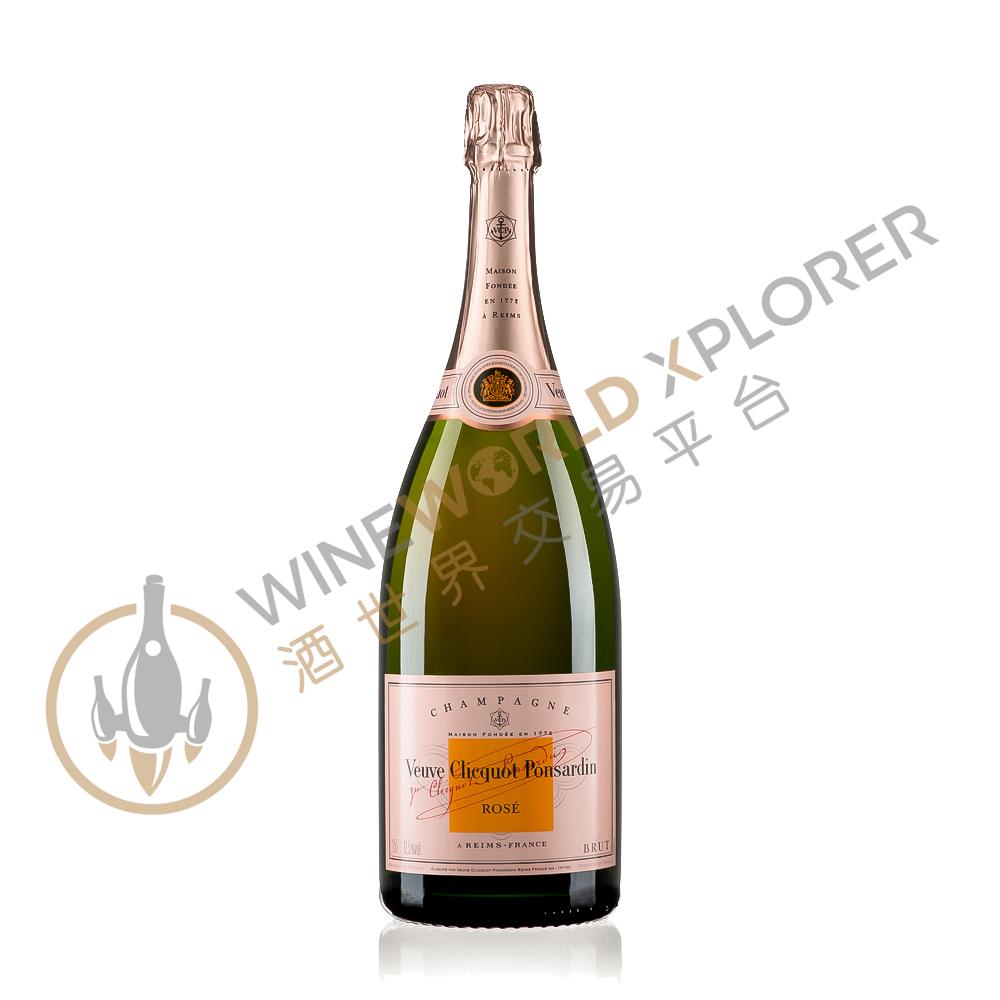
Veuve Clicquot, Brut Rose NV
 View analysis


Description
Tasting notes

Reviewed by: Antonio Galloni
The NV Brut Rose is a straightforward, accessible wine to enjoy over the next year or two. With a little additional refinement in the tannins, this bottling might merit a slightly higher score. This is Lot 14009917, disgorged between December, 2006 and January, 2007. Anticipated maturity: 2008-2010. Veuve Cliquot Ponsardin is one of Champagne’s best known brands thanks to the success of its “yellow label” non-vintage wine and the tete de cuvee La Grande Dame. Importer: Moet Hennessy USA, New York, NY; tel. (212) 251-8200
Reviewed by: Stephan Reinhardt
The rich, salmon-colored NV Brut Rosé (base 2012 with a dosage of nine grams) was launched ten years ago for the first time. Based on the Yellow Label cuvée, but colored with red wine, the newest edition offers intense and ripe red fruit aromas on the clear nose. Fresh, elegant and finesse-full on the palate, this is a warm and lush character with ripe cherry flavors, fine tannins, some leather aromas and a serious finish. This is a serious expression of easy-drinking Pinot Noir.
Reviewed by: William Kelley
The latest release of Clicquot's NV Brut Rosé mingles notes of peony, red berries and orange rind with hints of dried white flowers and toasted bread. Medium to full-bodied, fleshy and charming, it's supple and open-knit, with an enveloping core of fruit.
Reviewed by: William Kelley
The latest rendition of the NV Brut Rosé 200 ans offers up aromas of smoky red berries and red apples, followed by a medium to full-bodied, well-balanced, charming palate that's open-knit and giving, exhibiting a frothy mousse and a brief but nicely defined finish.
Reviewed by: Antonio Galloni
The latest release of Clicquot's NV Brut Rosé mingles notes of peony, red berries and orange rind with hints of dried white flowers and toasted bread. Medium to full-bodied, fleshy and charming, it's supple and open-knit, with an enveloping core of fruit.
About the Producer
Champagne Veuve Clicquot has been producing high-quality champagne since 1772, and the history of this ancient champagne house is closely linked to a remarkable woman, Madame Veuve. Philippe Clicquot, Madame Clicquot's father-in-law, founded the brand in northern France. In 1775, Veuve Clicquot creatively brewed the world's first pink champagne, and since then, Veuve Clicquot has become the standard for pink champagne brewing. In 1798, Francois, son of Philippe Veuve, who was on a mission to revitalize the family business, married Barbe Nicole Ponsardin, later Madame Veuve. In 1805, Francois (Francois) died young, his only 27-year-old widow, Madame Veuve, defying all opinions, regardless of worldly vision and suspicion, resolutely inherited her husband's career. She led Veuve Clicquot through the most difficult period with her extraordinary energy, wise and resolute courage and lively and intelligent heart. In the early 19th century, when Europe was under the blockade of Napoleon, Mrs. Veuve Clicquot tactfully broke through the trade blockade and shipped a large amount of champagne to Russia. Driven by the pursuit of perfection and the courage to innovate, Mrs. Veuve Clicquot invented the bottle-turning method that effectively removes precipitation in 1816 and brewed champagne with clear wine and excellent quality. This world-renowned technological innovation has led the trend of the champagne brewing industry. . 200 years ago, when most wine labels used dull tones, Madame Veuve Clicquot chose brilliant golden yellow as the symbol of Veuve Clicquot. Her enterprising spirit and sagacity were also recognized by the world, and she was affectionately known as the "Grand Dame of Champagne". In 1986, Cage Champagne was acquired by the world's top luxury goods company Louis Vuitton (LVMH). At present, the 393 hectares of vineyards under Veuve Clicquot Champagne have been bought by Madame Veuve Clicquot and her heirs piece by piece over the years. In terms of size and quality, Veuve Clicquot is already one of the most important vineyards in the entire Champagne region. All batches of Veuve Clicquot (by grape type, vineyard, and even grape plot) are kept separately, fermented in temperature-controlled stainless steel vats, and undergo complete malolactic fermentation. The winemaker's familiarity and understanding of the wine and the winemaking process enables Veuve Clicquot to brew non-vintage champagnes with consistent quality, such as Brut Yellow Label and Demi-Sec. In good years, the winery is able to blend and blend great vintage champagnes. Champagne blending ratios are not static, but most Veuve Clicquot vintages contain around 60% Pinot Noir. Vintage Champagnes are consistently excellent, with aromas of cassis and brioche, mature in style, relatively full-bodied, and even better with age. The best recent years are: 1996, 1990 and 1955. La Grande Dame is the first champagne brewed in 1972 to commemorate the 200th anniversary of the establishment of Veuve Clicquot. It is the most famous champagne in the Veuve Clicquot brand. This wine will only be brewed in a particularly outstanding year. The grapes are collected from top vineyards owned by Veuve Clicquot. In addition, the production of Champagne Rosé Ladies is very small, and it is difficult to see it in the market.
