Wine Advisor



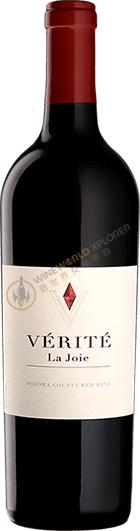
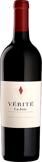
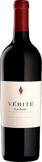
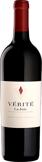
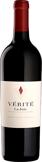
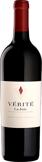
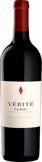
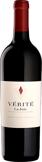
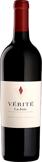
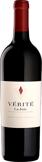
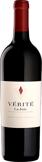
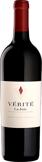
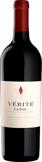
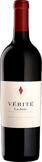
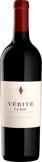
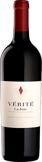
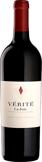
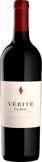
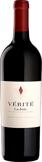
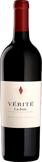
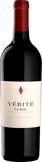
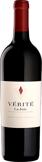
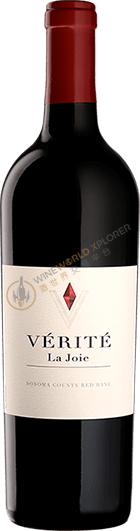
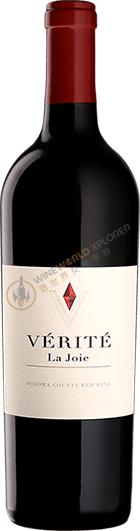
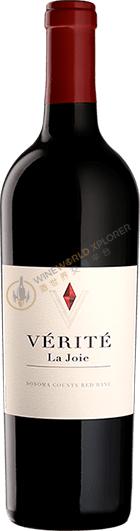
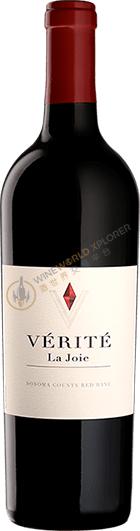
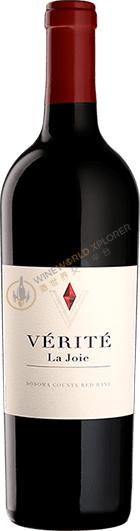
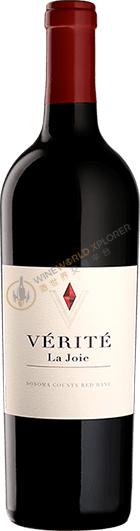
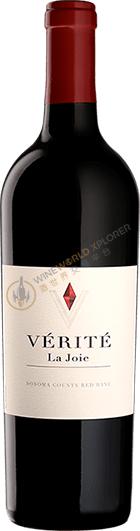
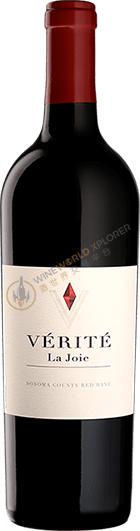
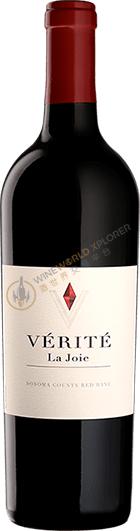
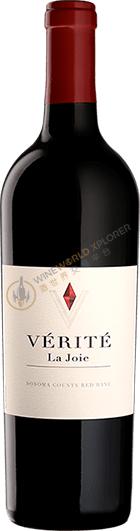
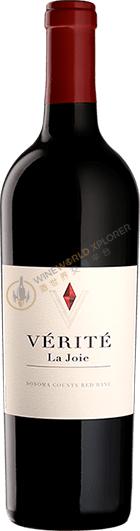
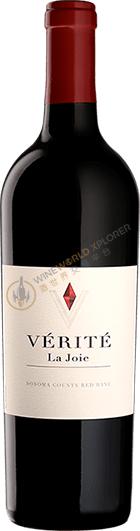
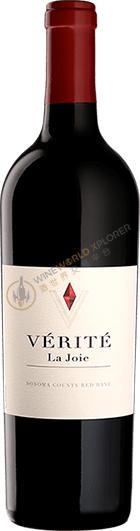
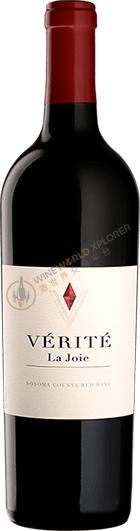
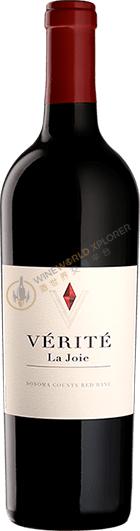
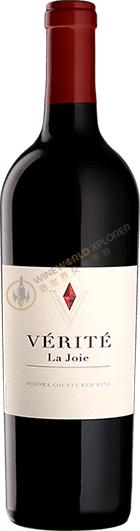
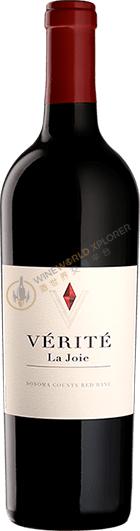
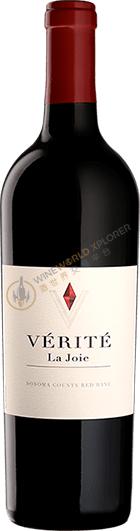
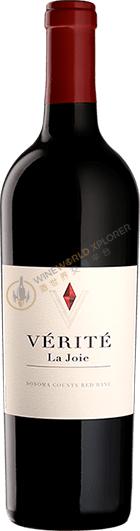
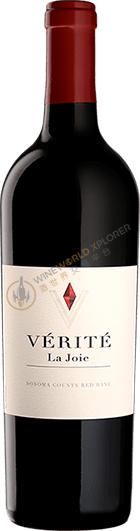
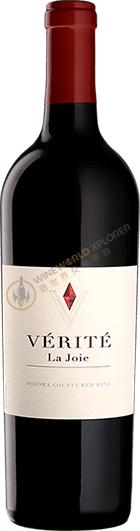
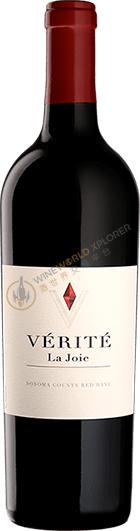
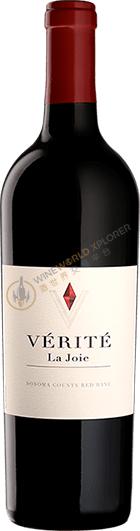
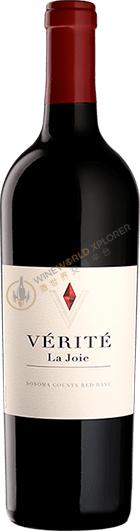
Verite, La Joie 2009
 View analysis


Description
Verite, La Joie, Sonoma County, California, Red, 2012
Tasting notes

Reviewed by: Antonio Galloni
The 2009 La Joie is dazzling. Firm yet well-integrated tannins frame an expressive core of dark red and black fruit, graphite, cassis, mocha and minerals. This is one of the more structured wines in the lineup, and it will require a few years in bottle for the tannins to soften. I especially like the energy and focus here. In 2009 the blend is 78% Cabernet Sauvignon, 9% Merlot, 9% Cabernet Franc, 2% Petit Verdot and 2% Malbec. Anticipated maturity: 2017-2029. Pierre Seillan thinks of himself as a master blender and vigneron, an intriguing combination. Seillan sources fruit from a wide number of vineyards in the Kendall-Jackson empire. He employs the same approach to cooperage, mixing and matching barrels from various barrel makers to come up with the perfect combination of component wines. It works. All of the Verite wines are aged in 100% new oak, but Seillan keeps the time in oak moderate, such that these wines hardly ever show signs of oakiness, even when they are young. Seillan’s goal is to make wines that improve in bottle and that are capable of lasting 30 years. The 2009s and 2010s are both exceptional vintages. I have a slight preference for the 2010s, a vintage with more aromatic and flavor delineation, firmer tannin and more long-term potential, all results of a season with large diurnal shifts. The 2009s are the product of the vintage with much more even ripening. They will offer terrific early appeal, but also have more than enough stuffing to age well for years. I also tasted the 2010 Tannat, a new wine in its first vintage. The last bottle of the morning was the 1998 La Muse, a wine from a very challenging year that is still youthful and full of life. I have little doubt these 2009s and 2010s will prove to be superior wines. My only hope is that Verite and Kendall-Jackson will keep prices for these wines reasonable. Tel. (707) 431-3930
Reviewed by: Robert M. Parker, Jr.
A barrel sample of the 2009 looked very strong. A blend of 75% Cabernet Sauvignon, 10% Merlot, 10% Cabernet Franc and the rest Petit Verdot and Malbec, it displays an up-front style as well as a 2005-like personality with seamless integration of acidity, tannin and wood, ripe fruit and a long finish. Although still unformed and primary, it appears to have 25+ years of aging potential.
Reviewed by: Robert M. Parker, Jr.
The 2009 La Joie (14.5% natural alcohol, and a blend of 77% Cabernet Sauvignon, 9% Merlot, 9% Cabernet Franc and the rest Petit Verdot and Malbec) boasts an opaque purple color along with abundant notes of wood spice, barbecued meat, new saddle leather, creme de cassis and forest floor. Rich, full-bodied and powerful with moderately high tannins, it needs to be forgotten for 5-7 years, and drunk over the following 25-30 years. This is the flagship, luxury, world-class winery of the late Jess Jackson’s portfolio of small, high quality estates. Jackson convinced Bordelais Pierre Seillan to come to California from St.-Emilion to make these wines, and Verite has been one of the classics for well over a decade. The La Muse cuvee represents a Pomerol-styled wine, La Joie a Medoc and Le Desir a St.-Emilion. These are long-term, concentrated, tannic efforts that usually require 5-10 years of bottle age, and are meant to age for at least three decades. The 2012s possess fabulous potential. It is nearly impossible to decide which of the three cuvees is the finest (it probably depends on your own personal stylistic predilections), but the alcohols are normal for a top California vintage, ranging from 14.1% to 14.3%. Obviously, 2011 was a much more challenging vintage, and the wines reflect that although they are unquestionably successful, even in this vintage. Pierre Seillan told me that the harvest was extremely late, and there had to be an enormous amount of selection done both in the vineyard and the winery to create these cuvees. A relatively cool, late-harvest year with a tiny crop, the 2010 vintage required a tremendous selection process as well as meticulous work in both the vineyard and winery. All three offerings have turned out to be surprisingly approachable for young Verite wines. A great vintage for Verite that rivals 2012 and probably what was achieved in 2013 is 2009. It was the type of vintage that Seillan desires – high in tannin, high in extract, with incredible upside potential for all three cuvees. The 2009s are the most backward and powerful of the four vintages reviewed in this report. The alcohols ranged from 14.5% to 14.6+%. Tel. (707) 433-9000
Reviewed by: Lisa Perrotti-Brown
A blend of 78% Cabernet Sauvignon, 9% Cabernet Franc, 9% Merlot, 2% Petit Verdot and 2% Malbec, the 2009 La Joie sports a very deep garnet color. It opens with baked plums, licorice and blackcurrant cordial notes—on steroids—with an undercurrent of oolong tea, aged meats, fragrant earth and new leather plus a waft of black olives. Medium to full-bodied, it delivers mouth-filling evolved black fruits and earthy sparks with a foundation of firm, chewy tannins and soft freshness, finishing long with some herbal accents coming through. 2,400 cases were made.
Reviewed by: Stephen Tanzer
Dark ruby. Multidimensional aromas of cassis, dried cherry, black cardamom, black tea, juniper, violet and graphite. More minerally, pristine and polished than the Désir but also penetrating and backward, with its intense mountain berry flavors showing a restrained sweetness and compelling juiciness and energy. The tannins are firm but noble, with the wine's finishing fruits, flowers and minerals saturating the palate and titillating the taste buds. This beauty is built for the long haul. (14.5% alcohol)
Reviewed by: Stephen Tanzer
(a Bordeaux blend based on 77% cabernet sauvignon): Bright, full ruby. Complex, vibrant aromas of cassis, cherry pit, licorice and graphite, with a floral topnote building as the wine opens in the glass. Dense, pliant and suave, with a compellingly layered, fine-grained texture to the dark berry, licorice and mineral flavors. A wine of major dimension but today the firm, noble tannins clamp down on the fruit. I'd love to see this again in six or seven years--in a flight of top 2009 Medoc wines.
Reviewed by: Stephen Tanzer
(77% cabernet sauvignon, 9% each merlot and cabernet franc, 3% petit verdot and 2% malbec): Bright deep ruby. Nuanced nose offers black cherry, licorice, minerals and bitter chocolate. Dense black fruit flavors showcase the wine's explosive cabernet sauvignon element yet also convey a sense of medicinal reserve. The outstanding rising finish features noble, building tannins. Extremely suave wine in the making.
Reviewed by: Antonio Galloni
The 2009 La Joie is dazzling. Firm yet well-integrated tannins frame an expressive core of dark red and black fruit, graphite, cassis, mocha and minerals. This is one of the more structured wines in the lineup, and it will require a few years in bottle for the tannins to soften. I especially like the energy and focus here. In 2009 the blend is 78% Cabernet Sauvignon, 9% Merlot, 9% Cabernet Franc, 2% Petit Verdot and 2% Malbec.
About the Producer
Verite is a local boutique winery located in Sonoma County, California, USA. Verite Winery is a winery owned by Jackson Family Wines. The winery name "Verite" means "truth" in French, which means that the wines produced by the winery can faithfully show the local terroir characteristics. The winemaker of the winery is Pierre Seillan, a famous winemaker with 22 years of winemaking experience in Bordeaux, France. (Haut-Medoc) winemaker and technical guide of 7 Bordeaux wineries in the production area. In the 1990s, Celine, who was a winemaker at a winery in Bordeaux at the time, met Jess Jackson, president of the Jackson family wine business, and the two hit it off. Soon Celine accepted Jess' invitation to come Sonoma County makes great wines. With the joint efforts of the two, Winery Truth released its first vintage in 1998. Over the years, the winery has been adhering to the winemaking philosophy of interpreting the truth of the soil and showing the unique terroir. The winery’s vineyards are located in the Alexander Valley, Bennett Valley, Knights Valley and Chalk Hill appellations. These appellations vary in terroir and hill topography, elevation and slope orientation, resulting in a diverse range of micro-vineyards under the estate’s entire vineyard. There are more than 40 different types of soil in the vineyard, among them, rocky and red volcanic soils provide ideal conditions for the growth of Cabernet Sauvignon (Cabernet Sauvignon) and Merlot (Merlot). In addition, the vineyard is also planted Cabernet Franc and Petit Verdot. During the grape growing process, the winery precisely controls the differences between different vineyards, the characteristics of the grape plants and even the subtle differences between each spore or tendril, so that the wine produced can reflect the characteristics of the local terroir. Currently, the wines released by the winery are Verite La Muse, Verite La Joie and Verite Le Desir. Among them, the creation of the Muse of Truth is inspired by the Pomerol wines and made from the quality Merlot of Sonoma County, which is balanced and elegant; the Joy of Truth has the depth and elegance of a good Cabernet Sauvignon. Strength, reminiscent of Pauillac-style wines from Bordeaux; Desire of Truth red wines with the suppleness of Saint-Emilion Cabernet Franc. The three series of blends, Le Desir, La Joie and La Muse, have all been awarded full marks by the Robert Parker Points.