
 Wine Advisor



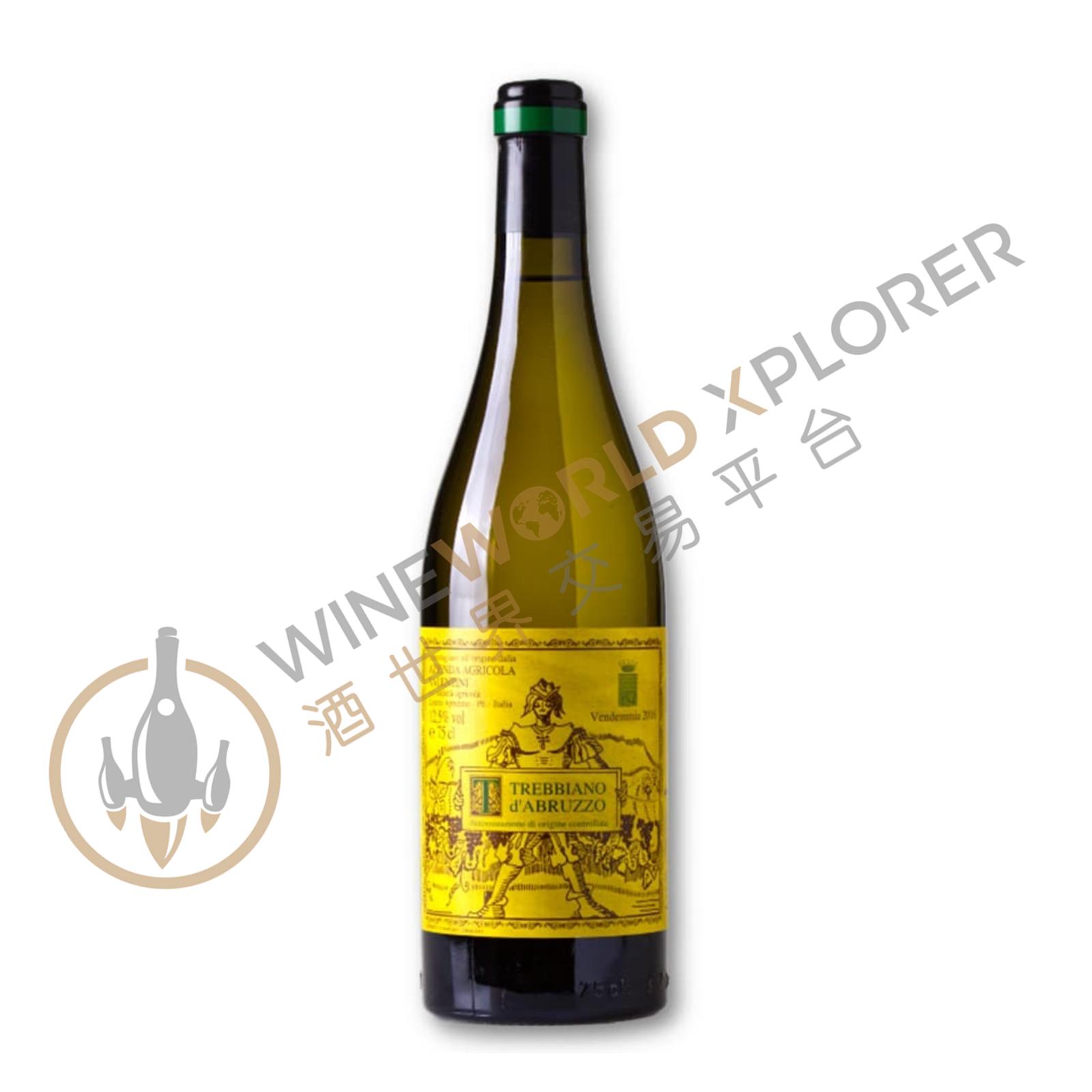
Valentini, Trebbiano d'Abruzzo 2015
 View analysis


Description
Tasting notes

Reviewed by: Ian d'Agata
Good bright yellow. The pure, complex nose suggests lime, yellow apple and botanical herbs. Then very precise, intense and penetrating, if still youthfully unevolved, conveying a powerful, three-dimensional impression of extract and a deep, textured, multilayered mouthfeel. The wine closes very long and juicy, with herbal and saline elements that titillate the taste buds. Another outstanding wine from Valentini, who never misses a beat with his Trebbiano d’Abruzzo.
Reviewed by: Ian D'Agata
Good bright yellow. The pure, complex nose suggests lime, yellow apple and botanical herbs. Then very precise, intense and penetrating, if still youthfully unevolved, conveying a powerful, three-dimensional impression of extract and a deep, textured, multilayered mouthfeel. The wine closes very long and juicy, with herbal and saline elements that titillate the taste buds. Another outstanding wine from Valentini, who never misses a beat with his Trebbiano d’Abruzzo.
About the Producer
The history of the Valentini winery dates back to 1600, when this noble family owned the estate of the same name in the province of Pescara, producing wine, oil, and wheat. Over the centuries, various family members engaged in different activities, but it was in the early 20th century that Edoardo took over management of the estate. He shifted the family's focus to producing top-quality wines, particularly Trebbiano and Montepulciano d’Abruzzo, which continue to be emblematic of the Valentini legacy. Today, the winery is led by Edoardo's son, Francesco Paolo, who describes himself as a “wine artisan.” He has faithfully continued his father’s traditions, striving to produce the same exceptional wines with the same enthusiasm and dedication he had from the very beginning. Francesco Paolo's approach is rooted in artisanal methods, emphasizing respect for nature and allowing the true character of the fruit to shine through. This philosophy includes not filtering the wines, using only the natural yeasts from the skins, and avoiding temperature control in the cellar. His commitment to these practices has helped maintain the winery's historic reputation and quality.
