
 Wine Advisor



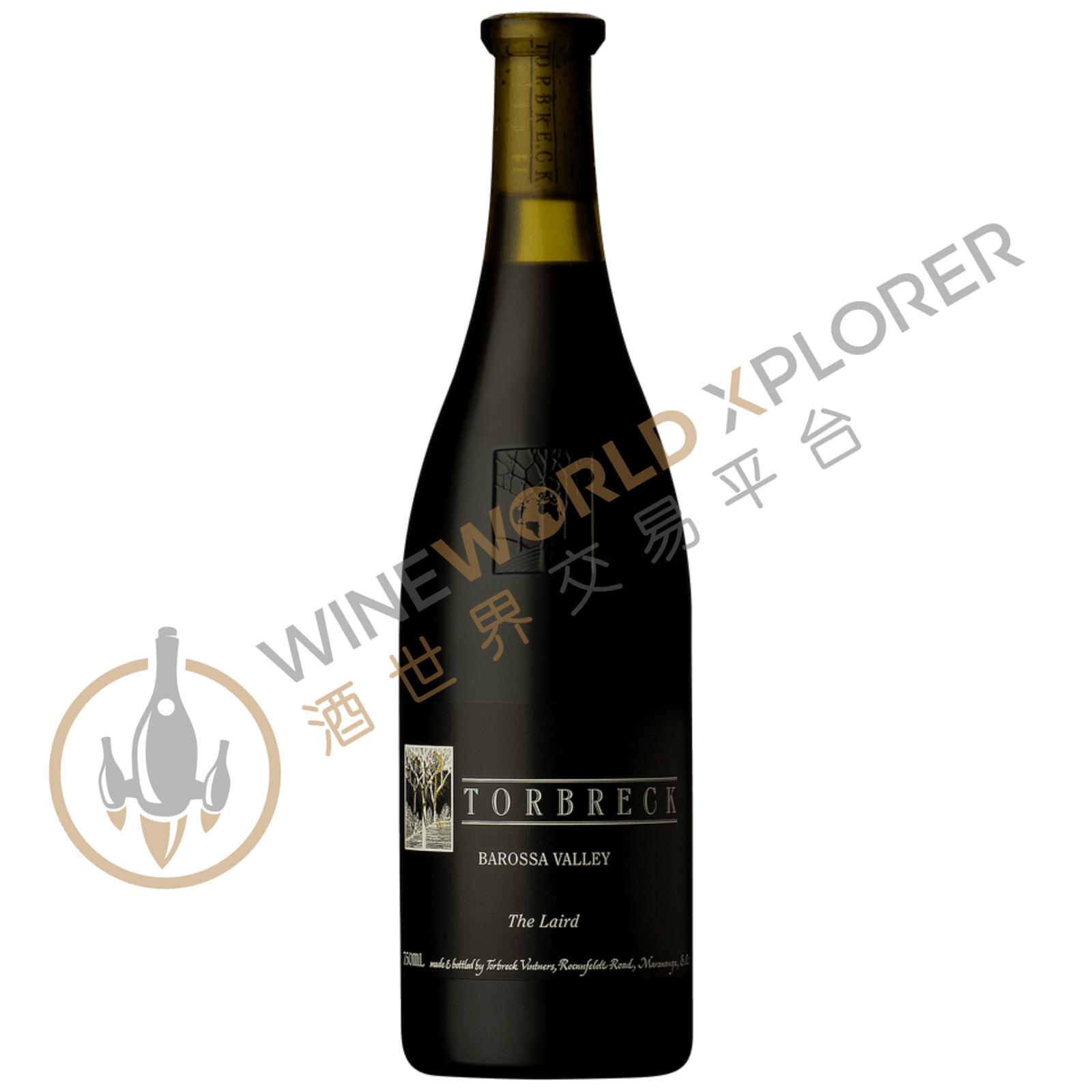
Torbreck, The Laird 2017
 View analysis


Description
Tasting notes

Reviewed by: Erin Larkin
I poured the 2017 The Laird, set it aside and got about doing other jobs for 45 minutes or so, to give it some room to breathe. And it does breathe. It has its own pulse and beat and life, and it flexes and moves in the mouth. This is incredibly enveloping, with aromas reminiscent of campfire coals, charred eucalyptus, lamb fat, roasted beetroot, black tea and a prowling sort of countenance. In the mouth, the wine is bonded and cohesive and seamless, there are no gaps between anything, no space between fruit, oak and tannin; it all comes as one. While this is a singular wine, it is so big and concentrated that it needs no accompaniment other than some fresh air and a good mate. It's denser than osmium and is impenetrable at this stage.
About the Producer
Although only 10 years old, Tobrey Estate has some of the oldest vineyards in the Barossa Valley, Australia's most sacred wine region. David Powell, the founder of Tobrey Winery, was introduced to wine through his uncle when he was studying economics at university. In the 25 years since he graduated, David Powell has spent his time learning about winemaking at prestigious wineries and in Europe, the United States and the Barossa Valley, and in the 1990s he began reaching out to local landowners to learn about their mostly dead, overgrown and neglected vineyards. Over time, David brought them back to life. He then began negotiating contracts with landowners to use these vineyards. By the end of 2003, he had signed long-term contracts with 35 local winegrowers who owned old vine vineyards. Today, David Powell is one of Australia's leading talents in making Rhone Valley style red wines. The winery is currently owned by Pete Kight. Currently, the vineyards at Tolbray cover 250 acres (101 hectares) and are planted to Grenache, Shiraz, Mourvedre, Viognier, Marsanne, Roussanne, Frontignac and Cabernet Sauvignon. Frontignac and Carbernet Sauvignon, among others. The average age of the vines is 60 years and the planting density is 1,500 vines per hectare. The winemaking philosophy of Château Tobré is based on the idea that quality wines are made in the vineyard through pre-bottling cultivation. Therefore, most of the grapes used in the winemaking are harvested from old vine vines, selected from the different sub-appellations of the Barossa Valley. The winery judges the harvest based on the ripeness of the fruit flavors, not the sugar level, so that it can obtain grapes from vines with optimal tannin, acidity and physiological ripeness. Once the grapes are harvested and returned, the winery makes the wine using very traditional winemaking techniques, starting with a gentle destemming of the grapes and then slowly pumping them into fermentation vessels with open tops, rotating them in a cycle twice a day with a mandatory complete load reduction. At the end of the fermentation process, all the skins are pressed in a basket and malolactic fermentation takes place spontaneously in barrels, using indigenous strains of bacteria from each single vineyard. All the wines of the winery are not clarified or filtered before bottling. Some of the more recent vintages of Château Toblet are 2002, 2001 and 1998.
