
 Wine Advisor




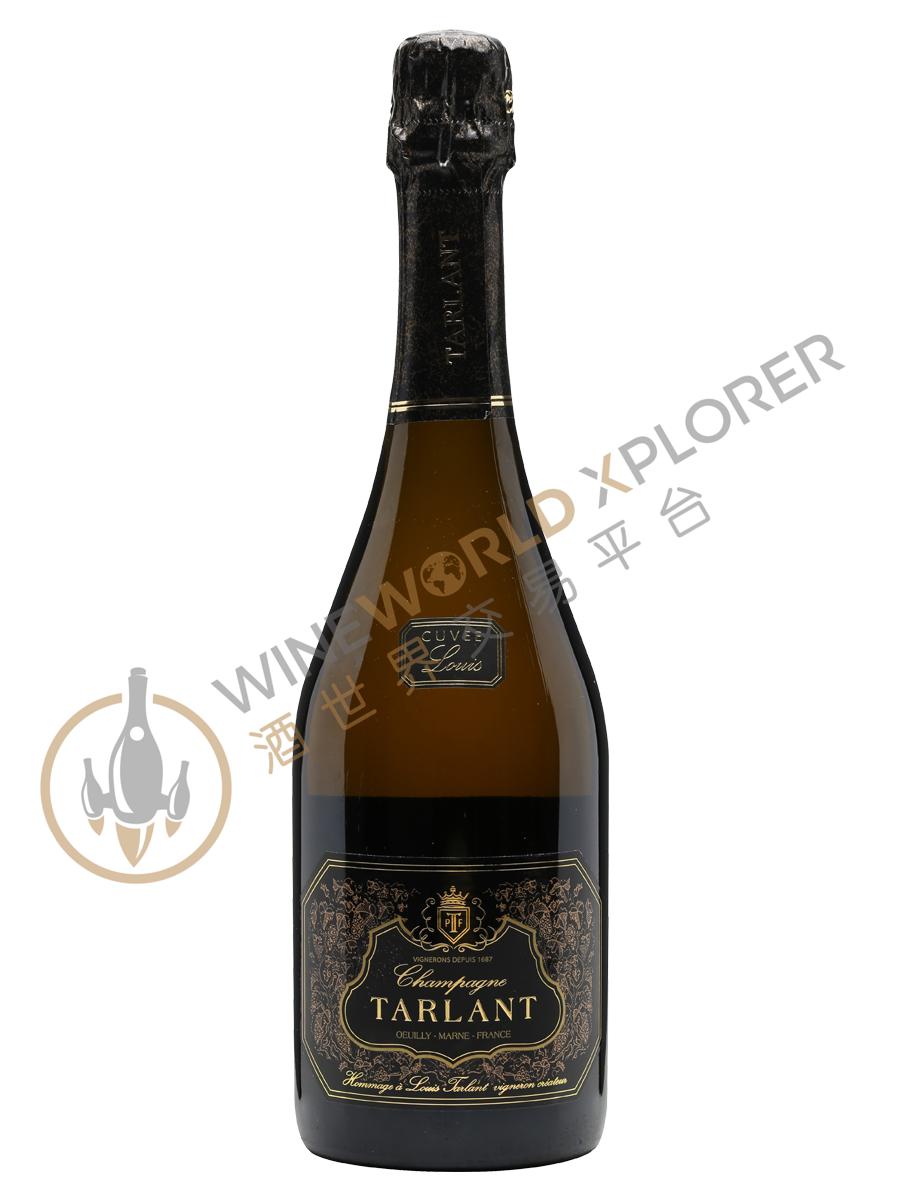
Tarlant, Cuvee Louis Brut Nature NV
 View analysis


Description
Tasting notes

Reviewed by: Stephan Reinhardt
The Cuvée Louis Brut Nature is a 50/50 Pinot Noir and Chardonnay blend sourced in the lieut-dit Les Crayons. This is based on the based on the 2000 vintage plus 15% of Reserve wines from 1996 to 1999; it opens with a deep and complex, very mineral bouquet. The purity, precision and elegance on the palate is stunning, as is the intensity of flavors. The wine has a nice reduction and tightness, and keeps the freshness. Impressive wine with food. Disgorged in January 2016.
Reviewed by: Stephan Reinhardt
Based on the vintages 1996 to (mainly) 2000, the NV Cuvée Louis Brut Nature is ripe, intense and pure as well as intense on the tropical-scented nose. Intensely fruity but also salty on the palate, this is a mouth-filling and finessed Cuvée Louis with persistent salinity. The wine drinks very well today, but it will improve and gain complexity over the years. Disgorged in December 2017.
Reviewed by: Stephan Reinhardt
For this NV Cuvee Louis Brut Nature, they harvested 50% Chardonnay plus 50% Pinot Noir from a single lieut-dit (Les Crayons) in a single year (1999) and fermented them in barrels, where the wine aged until May 2000 but without malolactic. After the second fermentation, the Champagne was disgorged not earlier than June 2014, so after 14 years on the lees. The result is a very clear, pure and extremely complex and persistent wine of great clarity, finesse and length. This wine is bone dry, though not austere, but a rich and full-flavored wine with aromas of toast, mocha, chocolate, apples, lemons, butterscotch, hazelnut, almonds, marzipan, spiced cookies, saffron, porcini, girolles, candied fruits, dates, oranges and mint. The pearls are very delicate and the finish is complex yet pure, firmly structured and very long. This is a fascinating Champagne for its own merits and I would have it for Christmas but without food, if not a three star Michelin cook composes the suitable dish.
About the Producer
Champagne Tarlant is located in the heart of the Vallee de la Marne, one of the three major Champagne producing regions. Brut Nature) Champagne. Tarlant Champagne is inherited from generation to generation by the Tarlant family. As early as 1780, Mr. Louis Tarlant (Louis Tarlant) and his wife Marie Madeleine (Marie Madeleine) began to cultivate their vineyards in the Marne Valley. In the nearly two hundred years of history, Taran Champagne has experienced wars and natural disasters, but thanks to the efforts of family members, the winery has continued to this day with an outstanding reputation. In 1928, the winery brewed the first Tarrant champagne, which was successfully promoted in the French market. Until now, the winery is run jointly by members of the Talan family. They pay attention to understanding the diversity of different types of plots and soils, and take care to protect and display their style. Tarrant Champagne is located in the valley of the Marne Valley. The river has a great role in regulating the climate of the region. The refraction of the waters makes the region more sunny, making it easier for the grapes in the estate to mature and the flavor of the wine to be more unique. The soil types in the production area are rich, including chalk, limestone, sandstone and clay, which give the wine enough acidity and bring a unique flavor. The blending of different varieties can bring more complex and unique flavors to the wine. In terms of planting technology, the winery attaches great importance to the performance of the characteristics of the place of origin, and constantly pursues advanced viticulture technology on the premise of protecting the ecological environment. In terms of winemaking, Taran Champagne is equipped with two newest presses to ensure high-quality grape juice. The grape juice is fermented separately, and each vineyard is independently brewed. This small-scale winemaking method allows the barrels and wine to be fully combined, making the wine compact and fragrant. In addition, the winery focuses on brewing natural, simple and authentic champagne, so as to reduce the amount of added sugar as much as possible, and even brew a rare unsweetened natural very dry champagne.
