Wine Advisor



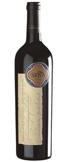
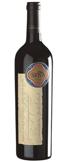
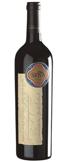
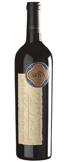
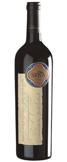
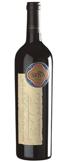
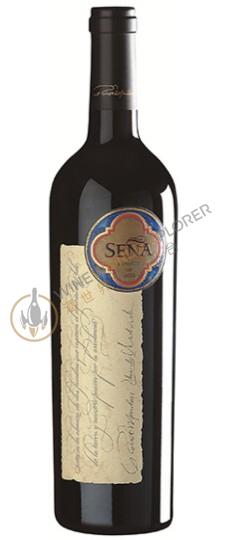
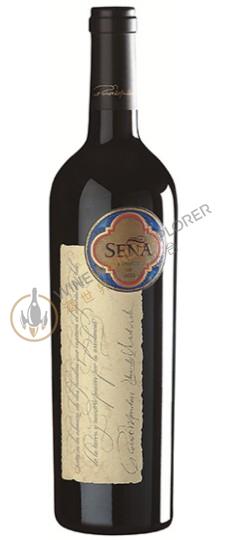
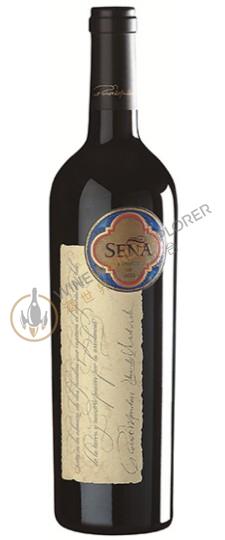
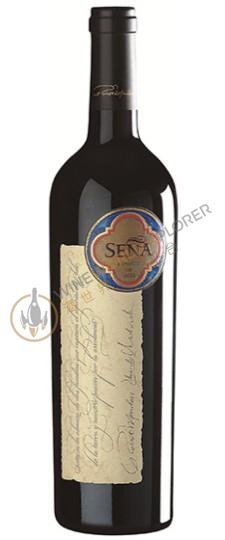
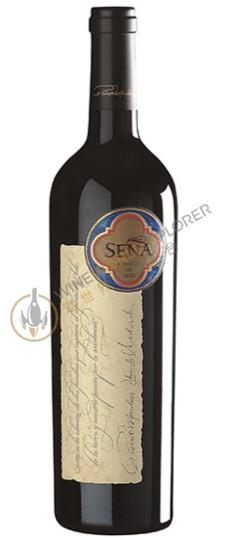
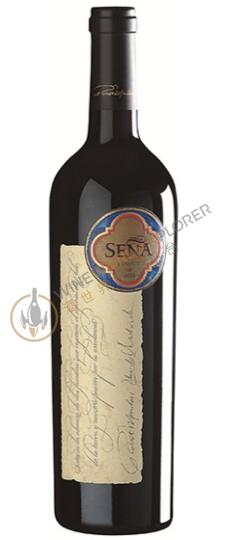
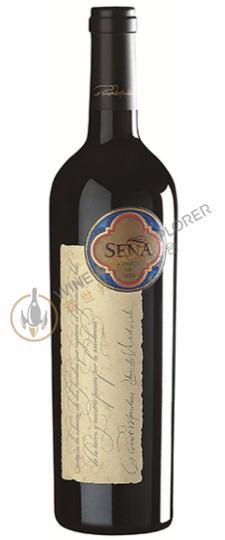
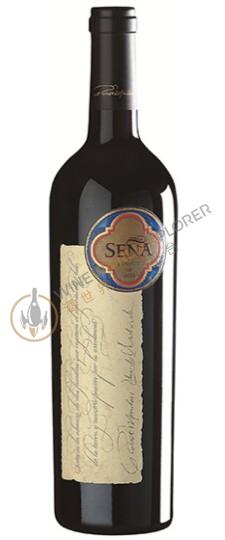
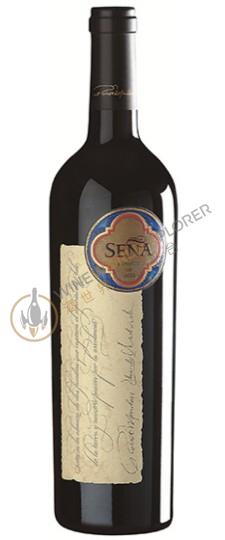
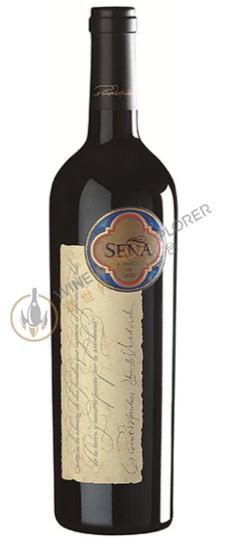
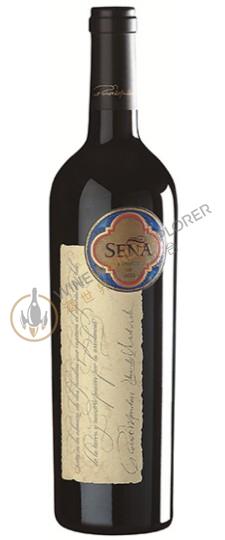
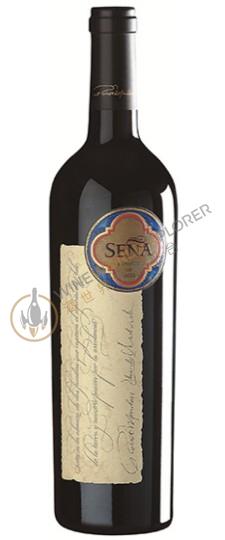
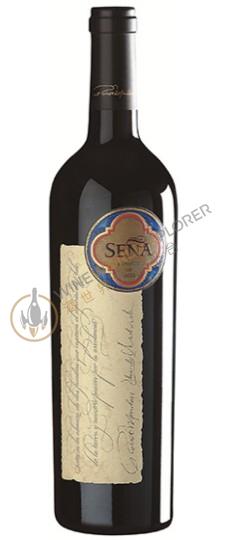
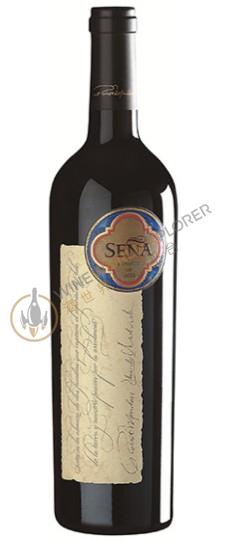
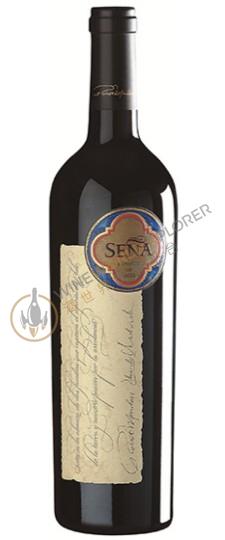
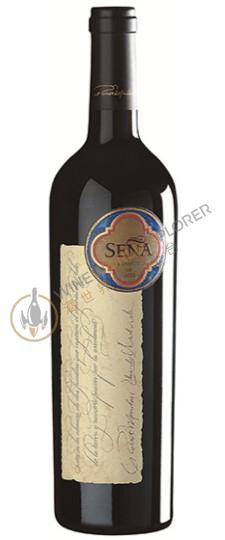
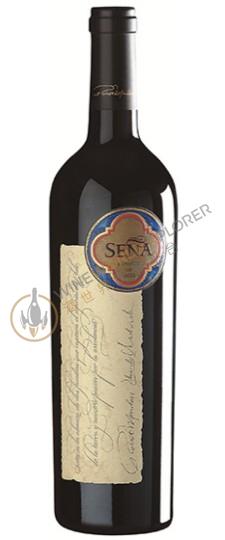
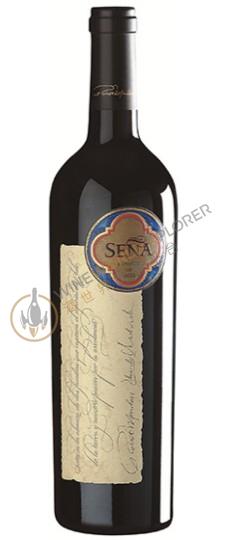
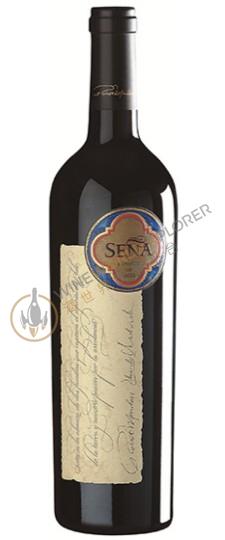
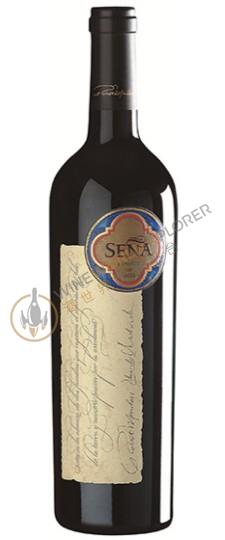
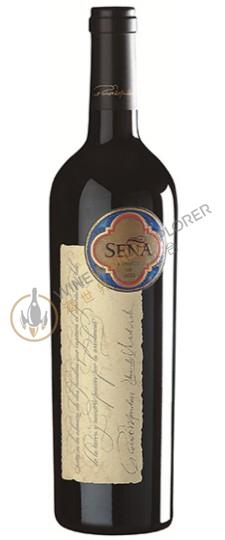
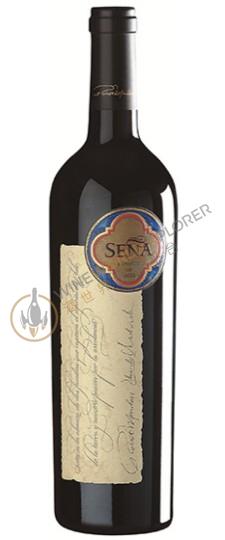
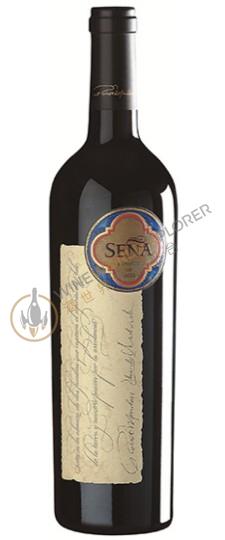
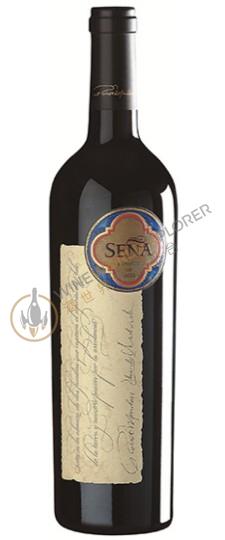
Sena 2017
 View analysis


Description
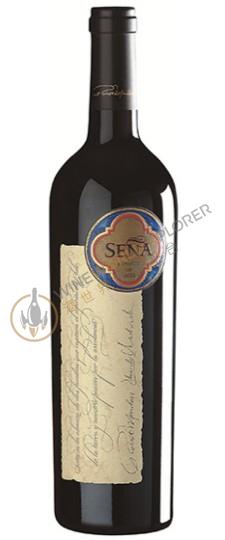
Seña is a sign to the world that Chile was able to produce world-class wines, expressing the uniqueness of the Aconcagua Valley and changing the way the world thought about Chilean wine. Seña is a unique Bordeaux-style red blend with a very Chilean soul. Its predominant variety is Cabernet Sauvignon, while Carmenere clearly ties it to Chile. Cabernet Franc, Malbec and Petit Verdot round out the blend.
"Of a bright, garnet red colour with beautiful violet sparkles, the 2017 vintage of Seña unwinds in a display of attractive aromas of blueberries, cherries, some cloves, violets and cassis, framed by so pastry notes, and a delicate final touch of liquorice. On the palate, it is juicy, very fresh and lively, with tannins that provide support and structure to wine with amazing persistence and personality, and that will age gracefully over time. This is perhaps one of the most complete and definitive versions of Seña that we have crafted so far." Francisco Baettig, Winemaker February 2019
Tasting notes

Reviewed by: Luis Gutiérrez
They explained how the 2017 Seña was produced with "grapes that were handpicked in the morning and transported to the winery in 12-kilogram boxes for a careful inspection on a double sorting table. The grapes fermented in stainless steel tanks at 25 to 31 degrees Celsius (77 to 88 degrees Fahrenheit), depending on the variety and the level of extraction desired. Three pump-overs were carried out daily during fermentation to rotate the volume of the tank 0.5 to 1.5 times. Total maceration time ranged from 15 to 30 days for the Cabernet Sauvignon, Merlot, Malbec and Carmenère and eight to 12 days for the Petit Verdot, according to the development of each block vinified. The final blend was racked to French oak barrels (67% new) and aged for 22 months, during which time malolactic fermentation and stabilization occurred naturally." They harvested early and managed to keep the same alcohol level as the 2016. This has less aromatic exuberance and is a more serious vintage with good concentration and weight, not as aerial as the 2016. They increased the amount of wine matured in larger 2,500-liter foudres instead of barrique. This is more powerful, structured and concentrated, like a drier version of the 2015, with some grainy tannins, more acidity, more austerity and less primary fruit. The tannins have some grip (the earlier harvest perhaps?) and might need a little bit of time in bottle, and the wine seems to have what it takes to develop nicely in bottle. They produced 120,000 bottles of this. It was bottled in February and March 2019. Just for the record, the varietal breakdown is 52% Cabernet Sauvignon, 15% Malbec, 15% Carmenère, 10% Cabernet Franc and 8% Petit Verdot, reflecting a good year for Carmenère and Cabernet Franc.
Reviewed by: Luis Gutiérrez
They explained how the 2017 Seña was produced with "grapes that were handpicked in the morning and transported to the winery in 12-kilogram boxes for a careful inspection on a double sorting table. The grapes fermented in stainless steel tanks at 25 to 31 degrees Celsius (77 to 88 degrees Fahrenheit), depending on the variety and the level of extraction desired. Three pump-overs were carried out daily during fermentation to rotate the volume of the tank 0.5 to 1.5 times. Total maceration time ranged from 15 to 30 days for the Cabernet Sauvignon, Merlot, Malbec and Carmenère and eight to 12 days for the Petit Verdot, according to the development of each block vinified. The final blend was racked to French oak barrels (67% new) and aged for 22 months, during which time malolactic fermentation and stabilization occurred naturally." They harvested early and managed to keep the same alcohol level as the 2016. This has less aromatic exuberance and is a more serious vintage with good concentration and weight, not as aerial as the 2016. They increased the amount of wine matured in larger 2,500-liter foudres instead of barrique. This is more powerful, structured and concentrated, like a drier version of the 2015, with some grainy tannins, more acidity, more austerity and less primary fruit. The tannins have some grip (the earlier harvest perhaps?) and might need a little bit of time in bottle, and the wine seems to have what it takes to develop nicely in bottle. They produced 120,000 bottles of this. It was bottled in February and March 2019. Just for the record, the varietal breakdown is 52% Cabernet Sauvignon, 15% Malbec, 15% Carmenère, 10% Cabernet Franc and 8% Petit Verdot, reflecting a good year for Carmenère and Cabernet Franc.
Reviewed by: Joaquin Hidalgo
The 2017 Seña was made in a warm, dry, early-ripening year. A blend of 52% Cabernet Sauvignon, 15% Malbec, 15% Carménère, 10% Cabernet Franc and 8% Petit Verdot, it was aged for 22 months in 70% new French barrels and a fifth in foudres. A purplish garnet in the glass. The simple, vivid nose offers notes of ripe blackcurrant and blackberry and their respective jams. In the mouth, it’s compact with firm tannins and accomplished juice thanks to the well-preserved acidity.
Reviewed by: Joaquin Hidalgo
Seña 2017 is a blend of 52% Cabernet Sauvignon, 15% Malbec, 15% Carménère, 10% Cabernet Franc and 8% Petit Verdot from Aconcagua that spent 22 months in 70% new oak. On the nose it has expressive young violets, licorice and mint while it is powerful and juicy on the palate with fine tannins, a rough texture and provocative finish. Will improve in the bottle.
About the Producer
One of the oldest vineyards of Cabernet Sauvignon and Carmenère in Chile, if not in the world, is the origine of this story. Enclaved in the Colchagua Valley, near the town of Santa Cruz, the Apalta Valley was the place selected by a visionnary near the 1915's who, using a unique french massal selection, planted this amazing vineyard. In 1994, Alexandra Marnier Lapostolle and her husband Cyril de Bournet acquired this property. True to the demands of the family, their ambition was to produce an exceptional Chile wine and to pave the way for the qualitative development of the country's fine wines. CLOS APALTA is born in 1997 as the iconic wine of the Domaines Bournet-Lapostolle in Chile under the idea to magnify the exceptional terroir of Apalta with French expertise. Recognized as “Wine of the Year” when its 2005 vintage was chosen TOP #1 by the Wine Spectator magazine, CLOS APALTA is the only South American wine that has received this award. In addition, the 2000 and 2001 vintages were also positioned as TOP 3 and TOP 2 respectively in the same magazine. With the exceptional 2017 vintage, Clos Apalta is awarded for the third time 100 points by famed American journalist and wine critic James Suckling, consolidating its position in the "Legends of Chile".
1999(1)2008(2)2009(8)2010(3)2011(3)2012(5)2013(7)2014(10)2015(7)2016(16)
Package Size