
 Wine Advisor




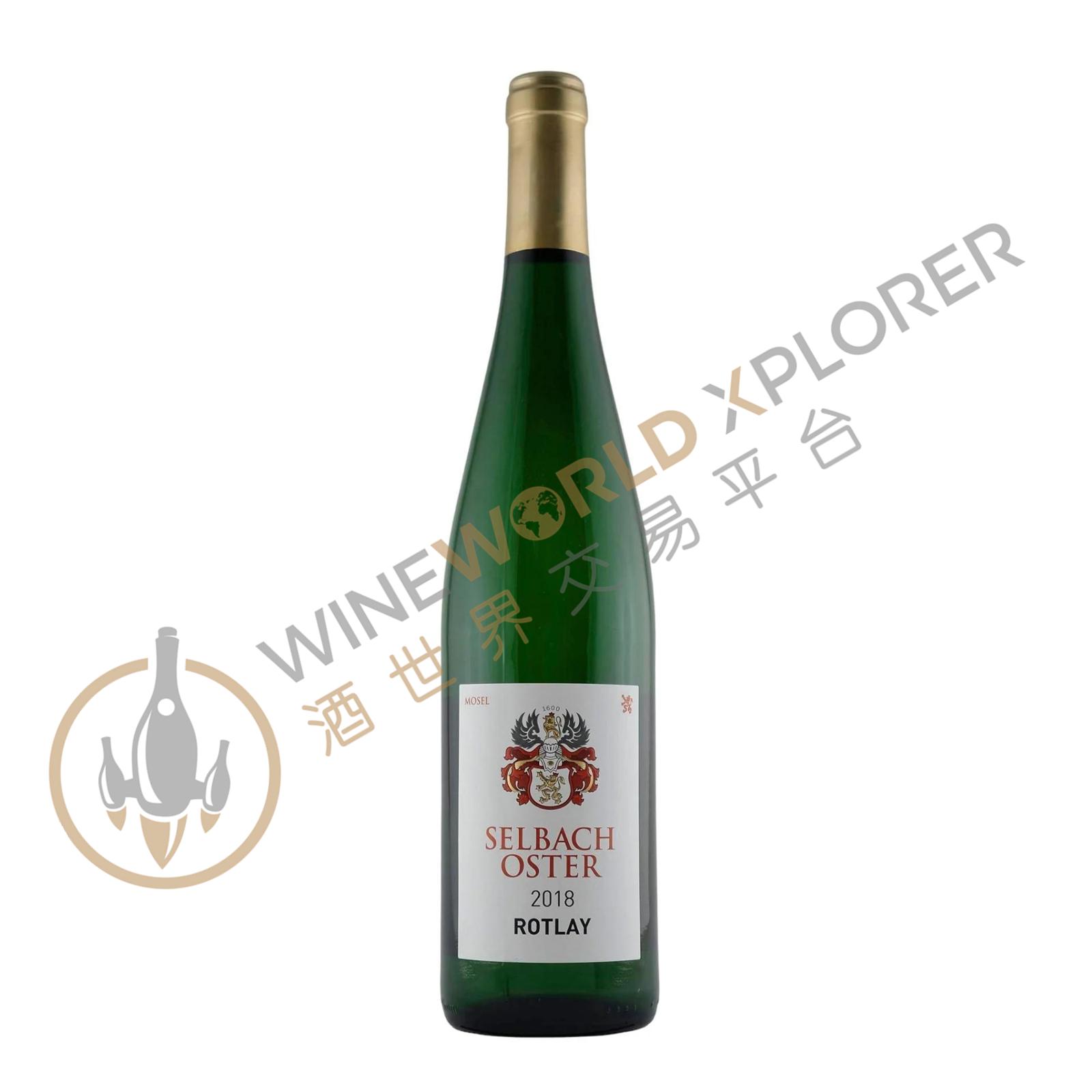
Selbach-Oster, Zeltinger Sonnenuhr Riesling Rotlay 2010
 View analysis

Description
Tasting notes

Reviewed by: David Schildknecht
The remarkably nuanced, savory complexity as well as the combination of creaminess with vivacity and elegance that characterize this site at its best certainly accrue to the Selbach’s block-picked (at 140 aggregate Oechsle!), Pradikat-free 2010 Zeltinger Sonnenuhr Rotlay, just as in this year’s corresponding Spatlesen and Auslesen. Nut paste, honey, citrus cream, dried apricot, and brown spices are among the layers to be found densely packed yet coursing with almost electric energy and citricity (at 14 grams acidity!). Its hold on my palate is equaled by that on my imagination. Following this over the next two or more decades will be an adventure, and I suspect that it will unfold its layers and its sheer dynamism will turn to captivating dance. “From the look of the grapes in early October,” relates Johannes Selbach, “it seemed we would have green, hard-edged wines this year. But the saving grace” – that three-word description spoken in English, incidentally – “was that if you waited, the weather cooperated just long enough, and eventually real ripeness and interesting aromas developed. At that point, we picked in a hurry, finishing in early November.” Reacting to the high-acid nature of 2010 material – much of it double-salt de-acidified as must – Selbach finished nearly all of his wines with significant residual sugar, and it was literally half by accident that any of these ended up with a profile that could be called “Kabinett.” Otherwise, this is a vintage dominated by sweet Spatlese and Auslese to an extent that in its relative stylistic homogeneity compels me to recollect my earliest experiences with this estate and the dominance in certain mid-’1980s vintages of off-dry Kabinett and Q.b.A.! The high ripeness and botrytized complexity that characterize this collection is reflected in the fact that the estate’s three by now familiar and no longer Pradikat-designated, block-picked parcel bottlings were served me after I had tasted the wines labeled “Auslese,” and there was not the least awkwardness to the transition (although for now this vintage looks to have rewarded selection at least marginally over block picking). “The two most unusual botrytis vintages of my career,” remarks Selbach, “have been 2006 and now 2010. But whereas the 2006s were opulent, 2010 delivered sleek, thoroughbred racehorses built for the long haul.” Hang on for a quite possibly wild ride, then, because as impressive as these wines are, just as Selbach intimated, they are highly unusual and their future track record correspondingly inscrutable. If 2009 was clearly a year for Schlossberg to shine, 2010 is a year of more predictable favoritism toward Zeltinger Sonnenuhr. Importers: There are a few regional importers of certain Selbach wines, but the majority (and those whose prices are noted above) are Terry Theise Estate Selections, imported by Michael Skurnik Wines, Inc., Syosset, NY; tel. (516) 677-9300
About the Producer
Seebach’s grapes are all harvested by hand, usually in two or three batches, then lightly crushed using modern pneumatic presses, and the grapes for icewine are also processed twice in an old-fashioned basket. press. Clear wines have to be separated from sediments, and some stainless steel tanks and fiberglass barrels are used for equalization. Typically, the winery uses local yeast for fermentation, but if some wines are not fermented to a satisfactory dry level, the winery also uses some other processes. The entire fermentation process is carried out in barrels with a capacity between 1,000 and 3,000 liters, and the fermentation temperature is very low. In addition, the winery is able to produce some wines with residual sugars, which are formed because the fermentation process has been artificially interrupted. Seebach Winery will age the wine with premium lees without stopping it, which he believes will improve the wine’s texture and add fruity complexity. The final bottling time is in early spring of the following year. Although exceptionally pure and transparent, the wines from this winery are still rich and intense, and are therefore highly regarded by tasters.
