
 Wine Advisor



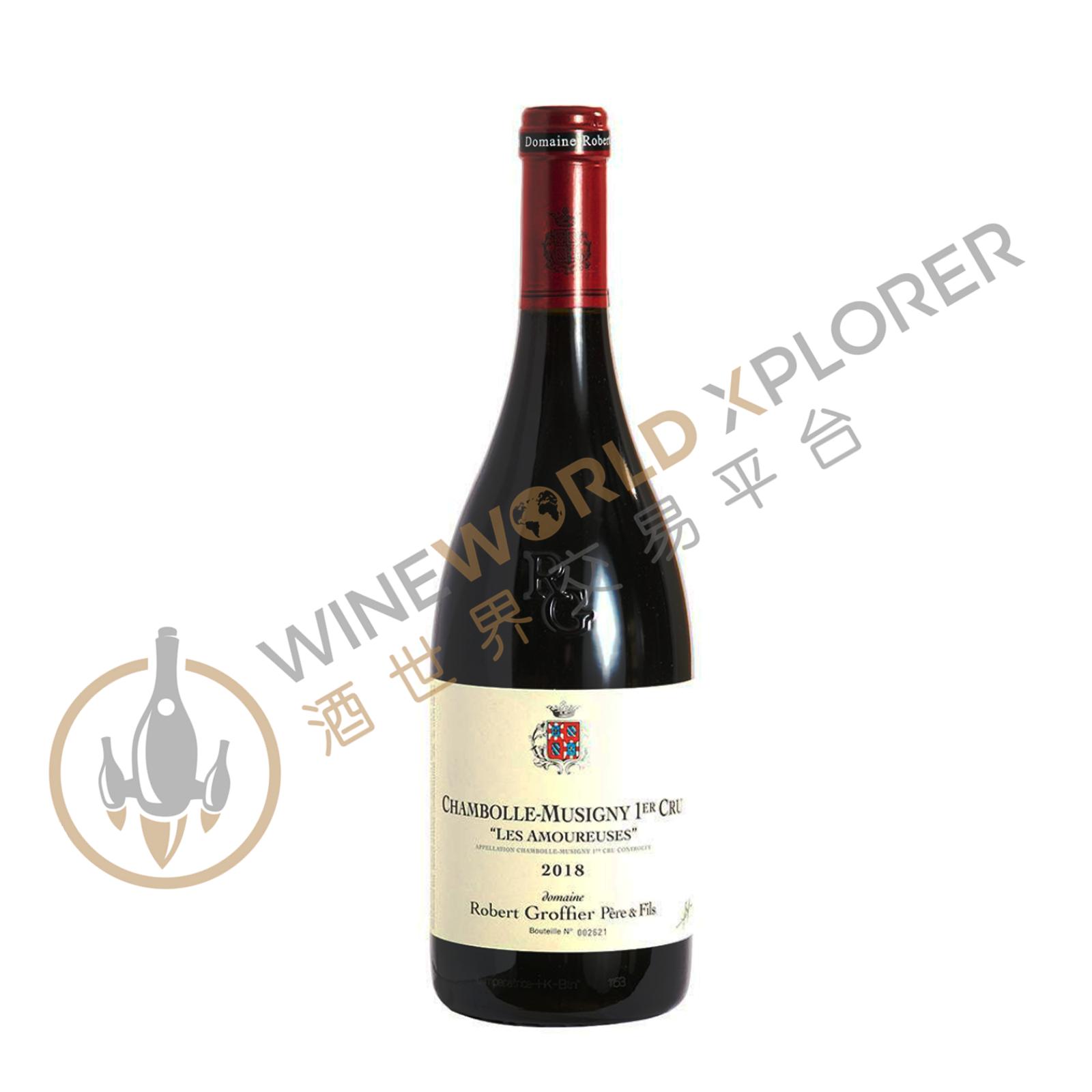
Robert Groffier, Chambolle Musigny 1er Cru Les Amoureuses 2012
 View analysis


Description
Tasting notes

Reviewed by: Antonio Galloni
Hard candy, sweet red berries, cinnamon and mint are all seamless and beautifully integrated in the 2012 Chambolle-Musigny Les Amoureuses. With time in the glass, the flavors become a bit darker and richer, with red and purple tones that gain focus. Today, the Amoureuses comes across as a bit raw and not fully formed, but that is not surprising at this very early stage.
Reviewed by: Stephen Tanzer
(25% whole clusters): Bright medium red. Deep but reticent aromas of wild red berries, red cherry, cocoa powder and mint. Sweet and plush on entry, then savory and perfumed in the middle, with slightly high-toned raspberry and spice flavors lifted by notes of crushed stone, red licorice and flowers. Boasts considerable volume and density but finishes with a firm edge of acidity and a suggestion of peppery tannins. I would not be surprised if this wine evolved relatively quickly.
Reviewed by: Stephen Tanzer
(vinified with 25% whole clusters): Deep, bright ruby-red. Withdrawn nose hints at black raspberry, licorice and chocolatey reduction, along with a hint of damp earth. Sweet and very ripe; a bit thick and heavy for Amoureuses but with solid framing acidity. Finishes with a palate-staining wave of fruit but a slightly roasted character.
About the Producer
The Groffier family are among the best wine makers in the Côte de Nuits. Originally founded by Robert Groffier’s father, Jules in the 1950s, the domaine is now run by Robert’s grandson, Nicolas. The domaine consists of almost 8 ha of fine vineyards, including 1 ha of Bonnes Mares, almost 0.5 ha of Chambertin Clos de Bèze and a full 1 ha of Chambolle-Musigny Les Amoureuses (the biggest single owner of this vineyard). The wine making technique is flexible and the proportion of stems to be retained is decided annually. nowadays, up to 20% of stems are retained, compared to 50% 20 years ago. The destemed grapes are transferred to stainless steel vats without crushing and cooled to 10-12 degrees so the natural yeast fermentation starts 4-5 days later – to allow further extraction of colour from the skins. Frequent short pigeages are done, and the temperature is allowed to rise up to 35 degrees – which retains even more colour to the liquid. After 17-20 days maceration, the temperature descends to 20-22 degrees and after pressing age in oak, the percentage of new one vary per cuvée and vintage – from none to the Bourgogne to up to 100% for the grand crus. The wines are only racked once, usually only a year after the vintage. The wines return to vat as the new vintage is put into barrel, so only one vintage is in barrel at any time. The wines are bottled without fining or filtration.
