
 Wine Advisor



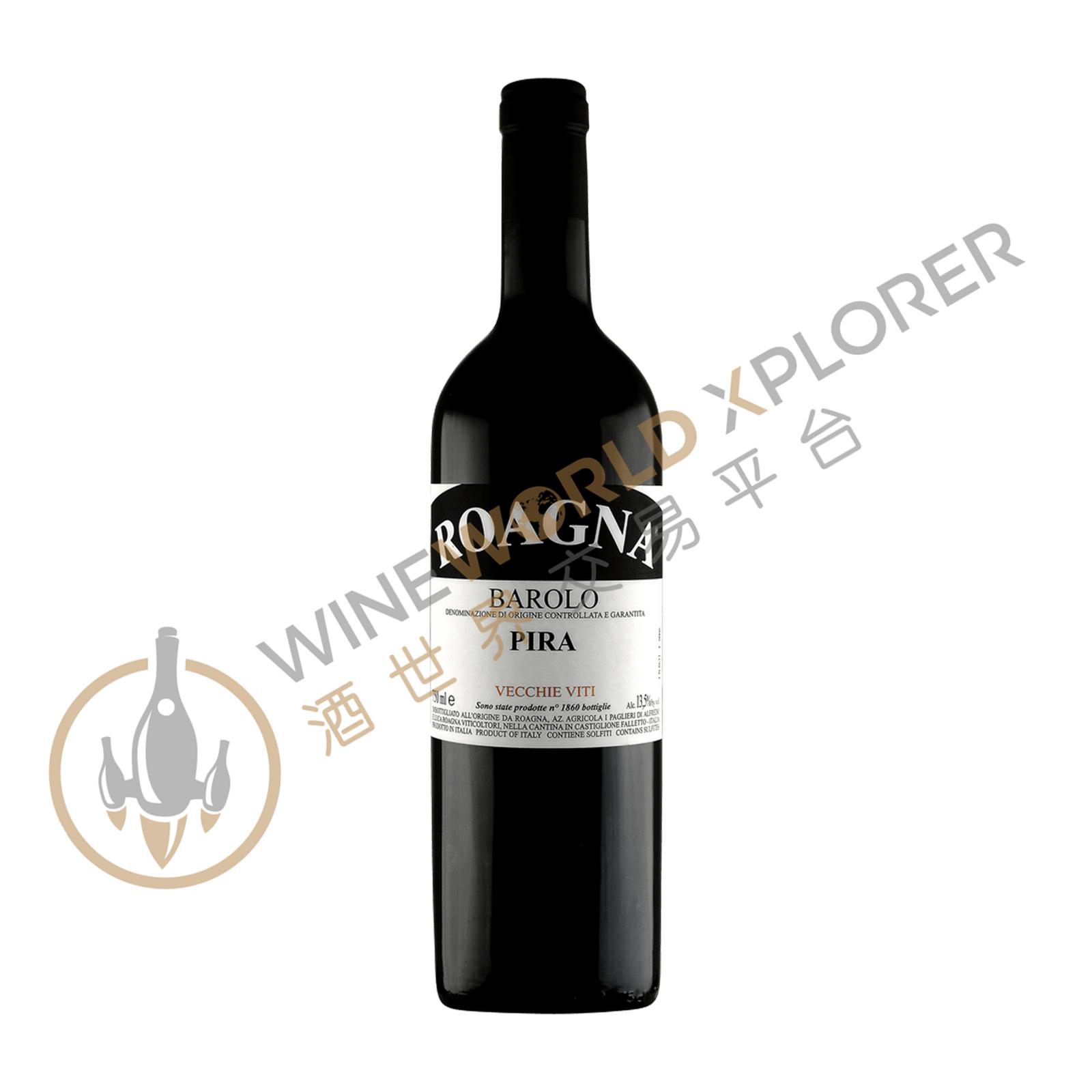
Roagna, Barolo Pira Vecchie Viti 2013
 View analysis


Description
Tasting notes

Reviewed by: Antonio Galloni
The 2013 Barolo Pira Vecchie Viti emerges from the estate's oldest vines, planted in 1937. Perfumed, gracious and light on its feet, the 2013 Vecchie Viti is another totally alluring wine from Luca Roagna. Readers will find a Barolo built on lift and grace. The tannins are there, but they are almost non-existent, such is the wine's purity. Sweet tobacco, cedar, mint and crushed flower accents add nuance, but what strikes me most about the 2013 is how lifted and gracious it is. Next to the straight Barolo Pira, the Vecchie Viti is strikingly perfumed and has an inner sense of sweetness and texture that is utterly beguiling.
Reviewed by: Monica Larner
The youngest vines in this special part of the Pira cru were planted in 1937, and many of those plants are still on their original rupestris root stock. The gorgeous 2013 Barolo Pira Vecchie Viti absolutely knocks it out of the park. Luca Roagna told me, “this wine was born elegant,” and that’s something you definitely feel in a slightly cooler and later vintage such as this. The younger fruit from Pira is more fleshy and bold, but this old-vine fruit (from heavily calcareous soils) is so much more delineated and firm. The aromatic presentation here is more compact, moving in virtual slow motion and with carefully contemplated shifts. Lastly, the wine bites back with a more pronounced tannic hold that will serve it well as it continues its bottle aging, even through, in essence, the 2013 vintage has already developed impressive complexity and soul.
Reviewed by: Antonio Galloni
The 2013 Barolo Pira Vecchie Viti emerges from the estate's oldest vines, planted in 1937. Perfumed, gracious and light on its feet, the 2013 Vecchie Viti is another totally alluring wine from Luca Roagna. Readers will find a Barolo built on lift and grace. The tannins are there, but they are almost non-existent, such is the wine's purity. Sweet tobacco, cedar, mint and crushed flower accents add nuance, but what strikes me most about the 2013 is how lifted and gracious it is. Next to the straight Barolo Pira, the Vecchie Viti is strikingly perfumed and has an inner sense of sweetness and texture that is utterly beguiling.
About the Producer
The fine estate of Roagna has long roots in the commune of Barbaresco, having been started very early in the twentieth century by Vincenzo Roagna. Vincenzo passed on the reigns to his son Giovanni Roagna, who in his turn saw his son Alfredo succeed him as the head of the estate. Today the property is run by Luca Roagna, the fifth generation of the family. Luca was born in 1980 and succeeded to winemaking for the property soon after his graduation from oenological school in 2001. The style of the estate’s wines has been carefully passed down through all five generations of Roagna family, with the wines made in a very traditional and classic style. These are deep, complex and structured wines that are built to age and handsomely reward cellaring. The heart of the Roagna estate is its six and a half hectares of vineyards in the commune of Barbaresco, most of these lying in the fine cru of Pajè. From the Pajè vineyard the Roagna family now makes three distinct cuvées, a Barbaresco “normale” labeled as Barbaresco “Pajè,” a Barbaresco Paje Vecchie Vite and “Crichët Pajè" - made from the crest of the Paje cru. In 1989 the family’s long-held aspirations of owning top level crus in Barolo comparable to their Pajè holdings in Barbaresco came true, when they purchased a parcel historically known as La Rocche e La Pira, in the fabled village of Castiglione Falletto. The vinification techniques at Roagna are still traditional though Luca has made noteworthy improvements and changes to the process. The fermentations are in cask and the macerations have gone from around thirty days to, on average, 60-90 days. The aging regimen depends a bit on the cru and vintage but go from 2-3 years to sometimes 8-10 and as much as 15-16 years for the Riserva, part of which is in cement. Luca has also switched all of their oak to the highest quality French oak that is 10cm thick – twice the thickness of a standard cask. These casks allow for a very slow and micro-oxygenation which adds to the elegance of the finished wines. In addition to their fine Barbaresco and Barolo bottlings, the property also makes a Langhe Rosso cuvée from “younger Nebbiolo vines” which in Luca’s case are under 25 years – hardly young by other producers’ standards. He also produces a chewy and intensely flavored Dolcetto, and a white wine that is a blend of 75-80% chardonnay and 20-25% Nebbiolo (vinified without the skins) which they label as Langhe Bianco Solea. The Langhe Bianco Solea is held for three years prior to release by the winery, and is a medium-full, fresh and pure white that typically offers up an aromatic blend of pear, flowers, a touch of honey and pastry cream. All of the estate’s wines are bottled unfined and unfiltered.
