
 Wine Advisor



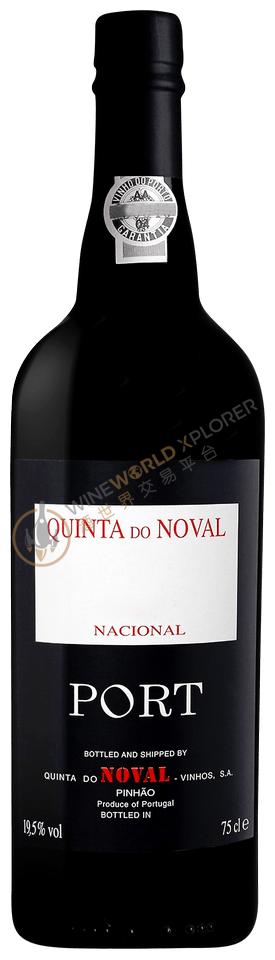
Quinta do Noval, Nacional Vintage Port 2022
 View analysis


Description
Quinta do Noval, Vintage Port, Porto, Nacional, Douro, Red, 2001
Tasting notes

Reviewed by: Luis Gutiérrez
The 2022 Vintage Port Nacional was produced with grapes from ungrafted vines, not pre-phylloxera, as you might read elsewhere, as these are relatively young vines from two vineyards planted with a field blend of Touriga Francesa, Tinto Cão, Touriga Nacional, Sousão (some 15% in the field blend) and Tinta Roriz. It's produced in exactly the same way as the other Vintage Port, in granite lagars and aged in old casks for 18 months. It has 19.5% alcohol, a pH of 3.67 and 86 grams of sugar, quite similar parameters to the regular Vintage Port from the same vintage, and it's quite low in sugar compared with other years. But the wine is more backward, with more detail, and it's more serious, with lots of complexity. The tannins and the sweetness compensate each other; there's a lot of depth, concentration and power but in a very harmonious way. I think this has better balance and more elegance than other recent vintages. It opens slowly in the glass to give classical notes of candied violets and rockrose and a lactic hint. It should age effortlessly for 50 years. 1,920 bottles were filled in May 2024.
Reviewed by: Neal Martin
The 2022 Naçional Vintage Port comes from the usual field blend planted on their own roots in the 1920s. The fruit was trodden by foot in concrete lagares and aged for 18 months in oak and 2,500-liter chestnut vats. This has a broader, deeper bouquet than the regular Noval fortified, black plum and licorice, blueberry and Christmas cake, all delivered with fabulous delineation and freshness. The palate is stunning: lovely balance and tangible intensity, yet it is so light-footed and gentle in terms of grip with a spicier, more peppery finish than the Quinta do Noval. It's very long on the finish. This is a Naçional that will age gracefully over decades. Just 167 cases were produced.
About the Producer
Quinta do Noval is one of the oldest and leading wineries producing Port wine. Among the top port producers, Bird Park is even more distinguished by the fact that its grapes are picked from a single vineyard. Notably, the winery is known for producing Portugal’s best port wine, “Nacional”, a blend from a single vineyard of old vines in the domestic Touriga Nacional. Likewise, the winery also produces high-quality dry red wines from Portugal, the most anticipated wines from the Douro region, showing unparalleled depth and concentration, as well as rich fruit and spice. trait. "Douro" means gold and gold in Portuguese, so the Douro River is also called the Golden River Valley. The Bird Park is located in Pinhao Village, the most central part of the Douro River region. The winery now has about 247 acres of vineyards. The Bird Park was created in 1715, originally owned and operated by the Rebello Valente family for over a century, and passed on to Viscount Vilar D'Allen by marriage in the early 19th century , a man with a passion for wild dances. In the 1880s, due to phylloxera damage, like other local wineries, Bird Garden was also for sale. In 1894, it was sold to Antonio Jose da Silva, a famous local businessman, who replanted the grape The estate was reborn, and his son-in-law, Luiz Vasconcelos Porto, took over the management and has been managing the winery for nearly 30 years. Louis vigorously carried out reforms, widening the width of the terraces, increasing the light and the convenience of field operations, which is a great reform even by today's technical standards, and promoted the winery with the help of Cambridge, Oxford and other clubs to enhance the reputation of the winery. Bird Garden's reputation continued to improve, and the 1931 vintage was an iconic one. Due to the world economic downturn at the time, orders for Port wine fell sharply. During the year, only three wine merchants continued to operate. Bird Garden was the The only Portuguese producer at the time with continuous exports to the Anglo-American market.
