Wine Advisor



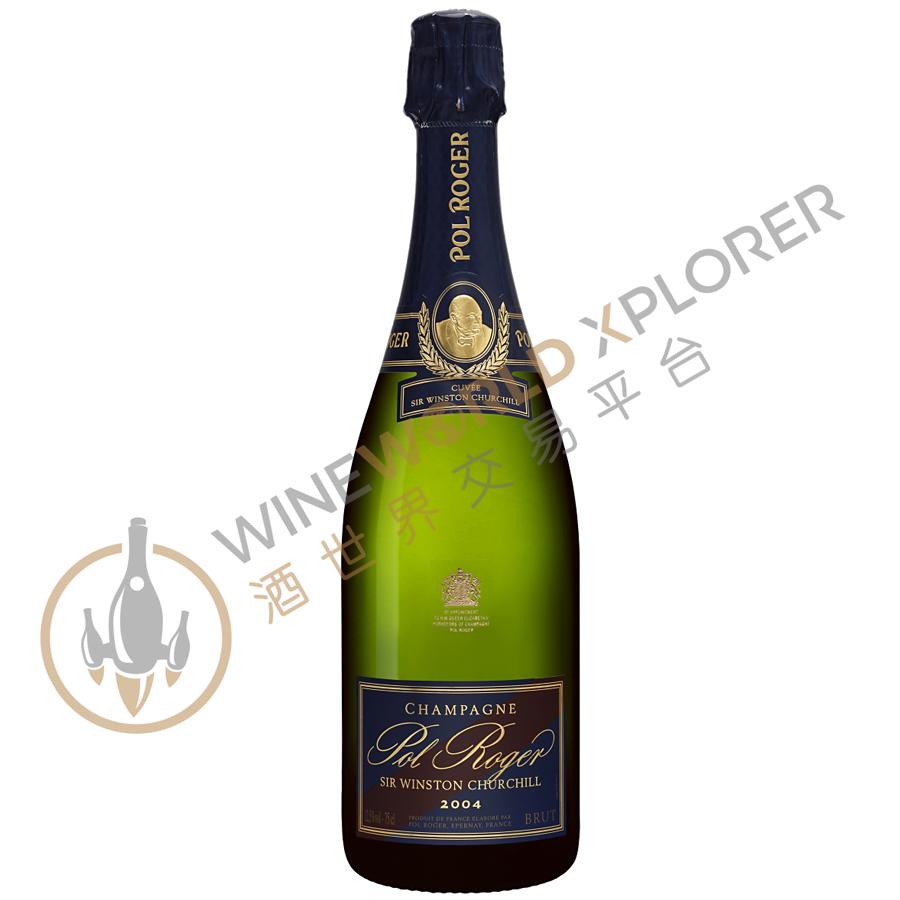
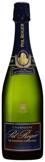
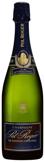
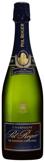
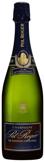
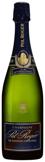
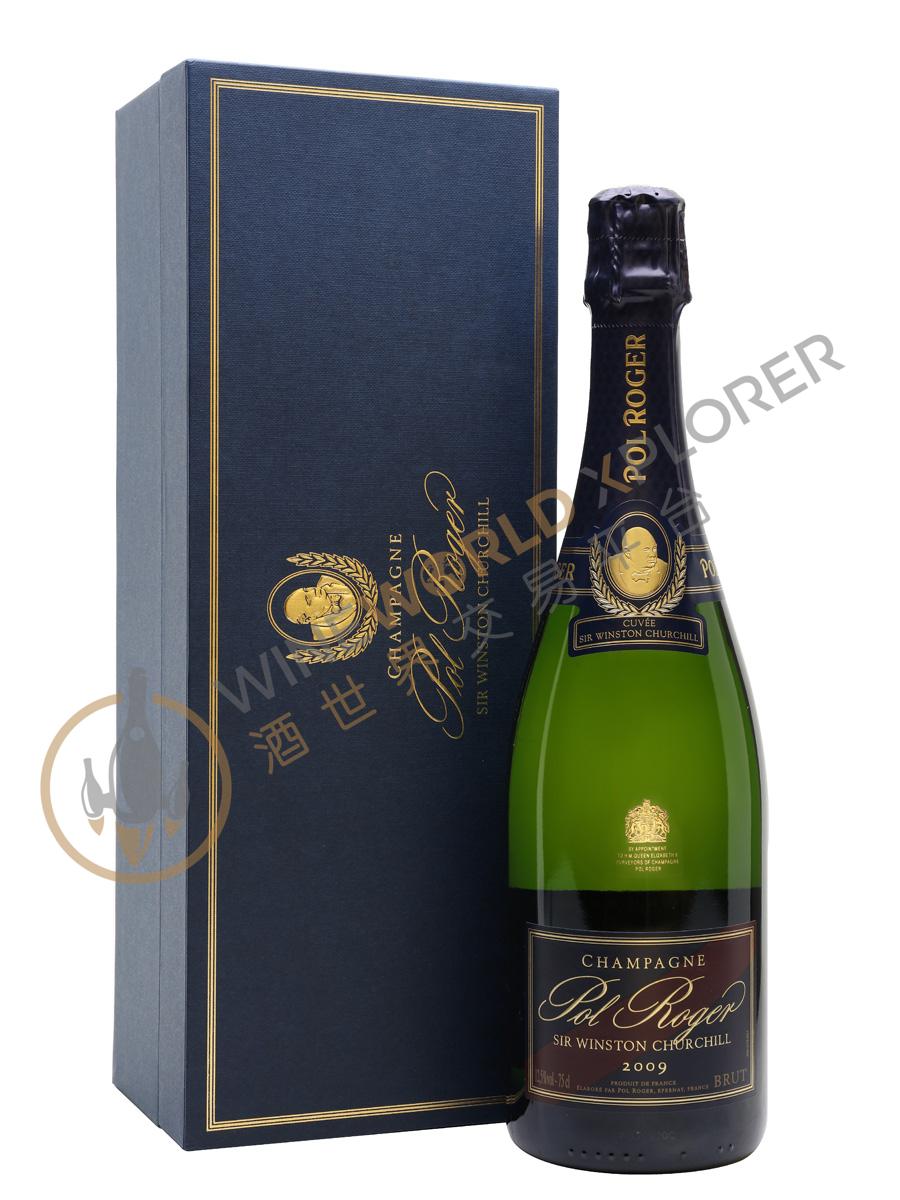
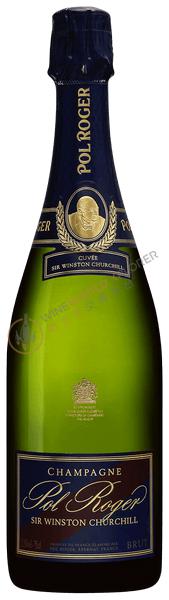
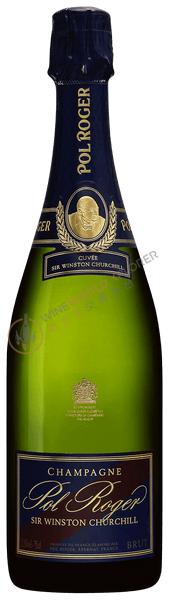
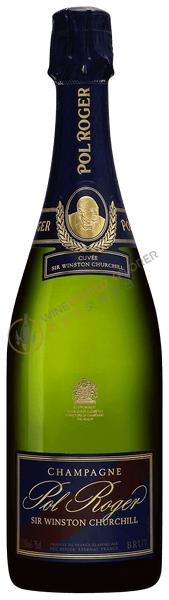
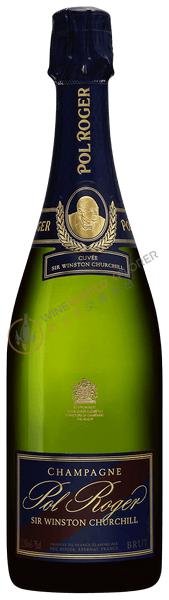
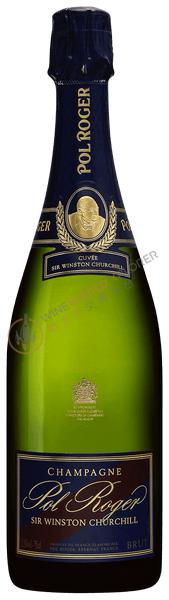
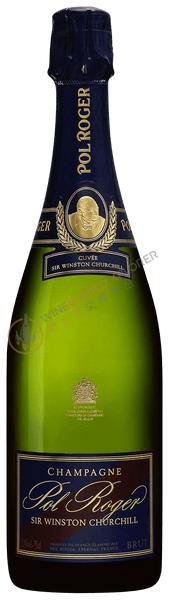
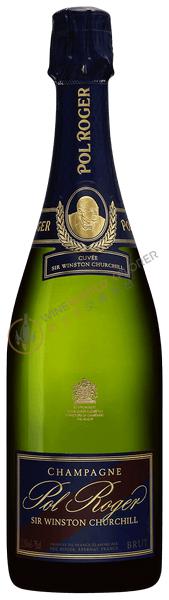
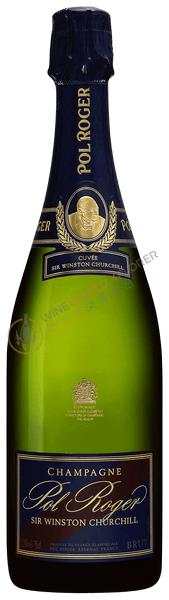
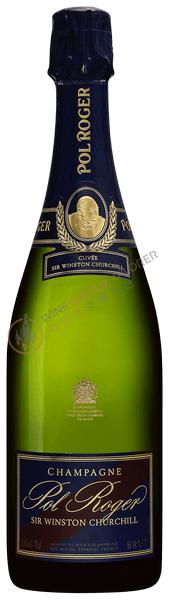
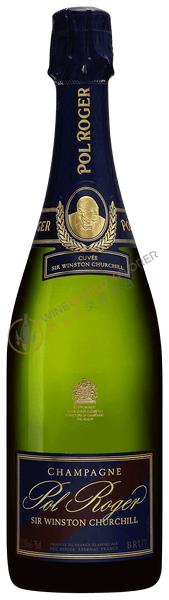
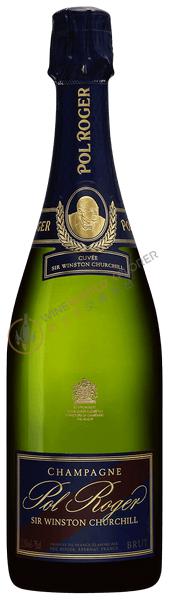
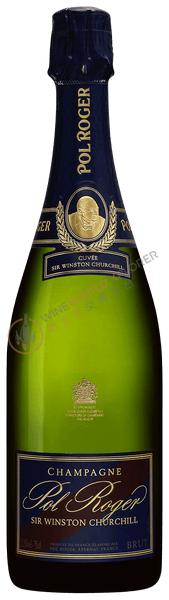
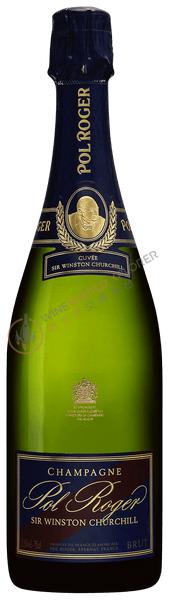
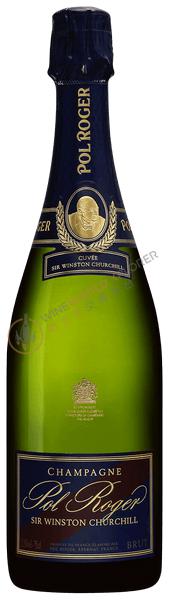
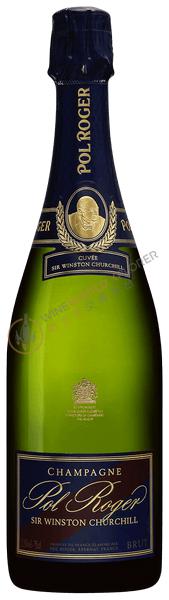
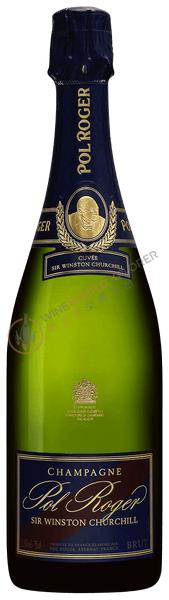
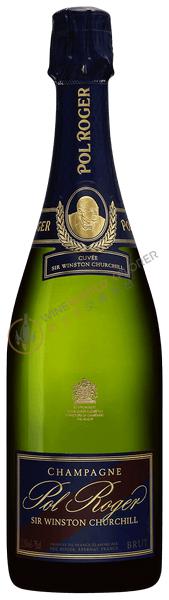
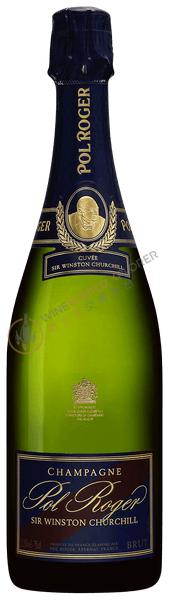
Pol Roger, Sir Winston Churchill 2008
 View analysis


Description
Champagne Pol Roger created their Prestige Cuvée in homage to Sir Winston Churchill mindful of the qualities that he sought in his champagne : robustness, a full-bodied character and relative maturity. The exact blend is a closely guarded family secret but it is undeniable that the composition would meet with the approval of the man to whom it is dedicated : "My tastes are simple, I am easily satisfied with the best". Pinot Noir predominates, providing structure, breadth and robustness whilst Chardonnay contributes elegance, finesse and subtlety. Composed exclusively of grapes sourced from Grands Crus Pinot Noir and Chardonnay vineyards which were already under vine during Churchill's lifetime. Cuvée Sir Winston Churchill is only made in the very best vintages and is always released later than the other vintage dated Champagnes from Pol Roger, marking Churchill's appreciation for older wines.
The opulent golden colour of the wine is enlivened by a fine, harmonious stream of bubbles. At first, the rich nose boasts notes of white flowers and freshly baked brioche aromas. As the wine warms in the glass, it exudes scents of dried fruits and toasted almonds and hazelnuts, combining with a hint of orange zest. On the palate, the wine is immediately powerful and yet exquisitely well-balanced; refreshing flavours of citrus fruit, notably grapefruit, are coupled with creamy notes of pastry. This wine combines the fullness of the much-celebrated 2008 vintage with the unparalleled and much-loved style of the Cuvée Sir Winston Churchill. A long, lingering finish indicates that this wine has fantastic ageing potential.
Tasting notes

Reviewed by: Stephan Reinhardt
Sourced in grand cru vineyards and blending Pinot Noir with Chardonnay, Pol Roger's 2008 Cuvée Sir Winston Churchill displays an intense straw-yellow/white-golden color and opens with a beautifully deep, fresh, concentrated and beautifully aromatic bouquet of perfectly ripe tropical fruits, refreshing lemons, very fine vanilla and brioche aromas. The attack on the palate is fresh and finessed, and in the following seconds, the 2008 reveals great airiness, precision, purity and intensity with a firm, persistent structure in the long, refreshing, perfectly balanced and mouthwateringly salty finish. The 2008 Winston Churchill is a highly complex yet focused and vitalizing prestige cuvée of great, great finesse, chalky expression and exciting elegance. It already drinks great but also indicates immense aging potential. It's most likely one of the finest of this century and one of the greatest Churchills of modern times. Tasted from lot L82002894D in July 2018. Disgorgement date unknown. The wine will be released in the second half of this year.
Reviewed by: William Kelley
The 2008 Cuvée Sir Winston Churchill continues to stand out as the finest rendition of this bottling released in the last 10 years. Just beginning to enter its early drinking window, it wafts from the glass with aromas of ripe apple, confit citrus and mirabelle plum mingled with notions of sweet spices, honeycomb, dried fruits and crème brûlée. Full-bodied, deep and concentrated, it's layered and complete, with a racy spine of acidity and a long, penetrating finish.
Reviewed by: William Kelley
Released in October of last year, Pol Roger's 2008 Cuvée Sir Winston Churchill is showing brilliantly, unfurling in the glass with a complex bouquet of waxy citrus rind, dried white flowers, freshly baked bread, iodine and honeyed yellow apple. On the palate, the wine is full-bodied, powerful and vinous, with a deep and multidimensional core, broad structural shoulders and considerable concentration, girdled by tangy acids and displaying a youthfully frothy but incipiently fine mousse. The finish is long and intense. This is a terrific rendition of this reliably superb cuvée and well worth seeking out.
Reviewed by: Antonio Galloni
The 2008 Brut Cuvée Sir Winston Churchill is one of the most reticent and tightly wound wines of the vintage. To be sure, all the 2008s offer tremendous brightness and punch, but most are also a bit more approachable in the early going. The 2008 Churchill is totally closed in on itself at present. Vibrant floral, citrus and saline notes add an attractive upper register to a core of persistent Pinot-inflected fruit as the wine gradually opens up. The 2008 is a total knock-out, but I wouldn't dream of touching a bottle anytime soon.
About the Producer
Located in the town of Epernay in the Champagne region, Pol Roger Champagne was founded in 1849 by Pol Roger, a Champagne man from Aix-en-Provence. Over the next 50 years, Pol Roger built the estate into one of the most respected in Champagne and established it as a solid trading cornerstone in the UK. After his death, the estate passed into the hands of his sons Maurice and Georges. The two brothers had their own specialities, Maurice being very open to the public and Georges preferring to stay in the blending room and tasting room, and it was in their hands that the Champagne de la Vignoble continued to flourish. The Champagnes are now made from 55 hectares of vineyards, mostly in or around Epernay. Made from grapes grown in 18 vineyards in the Epernay region, it is a rich, deep, full-bodied wine with the vibrancy and finesse that characterise the best Champagnes. Its Reserve Champagnes can last 30 years or more, longer than the best French red wines. Another of the estate's outstanding Champagnes is the Chardonnay Blanc de Blancs, which is also one of the world's finest white in white Champagnes, made from only Chardonnay from the best vineyards in the Cramant, Le Mesnil, Oger and Avize regions. The Chardonnay Blanc de Blancs is perhaps the estate's sexiest and most glamorous, ready to drink at a young age and with less ageing capacity than the Reserve and the famous Sir Winston Churchill Memorial Champagne. Today, after a century and a half of development, traditional and modern elements can be found in all aspects of the vinification process at Château Paulus. The most direct manifestation of this modernity is in the fermentation plant, with its neat and shiny stainless steel fermenting tanks, hinting at a departure from the days of first fermentation and storage in wooden barrels. It was around the 1930s that the estate decided to move away from barrel fermentation and started using concrete tanks for fermentation and later stainless steel fermenters. This modern equipment allowed for better temperature control during fermentation and clarification, resulting in a cleaner, more consistent and better quality fermented wine. Château Paulot was one of the first champagne houses to make this change.