
 Wine Advisor



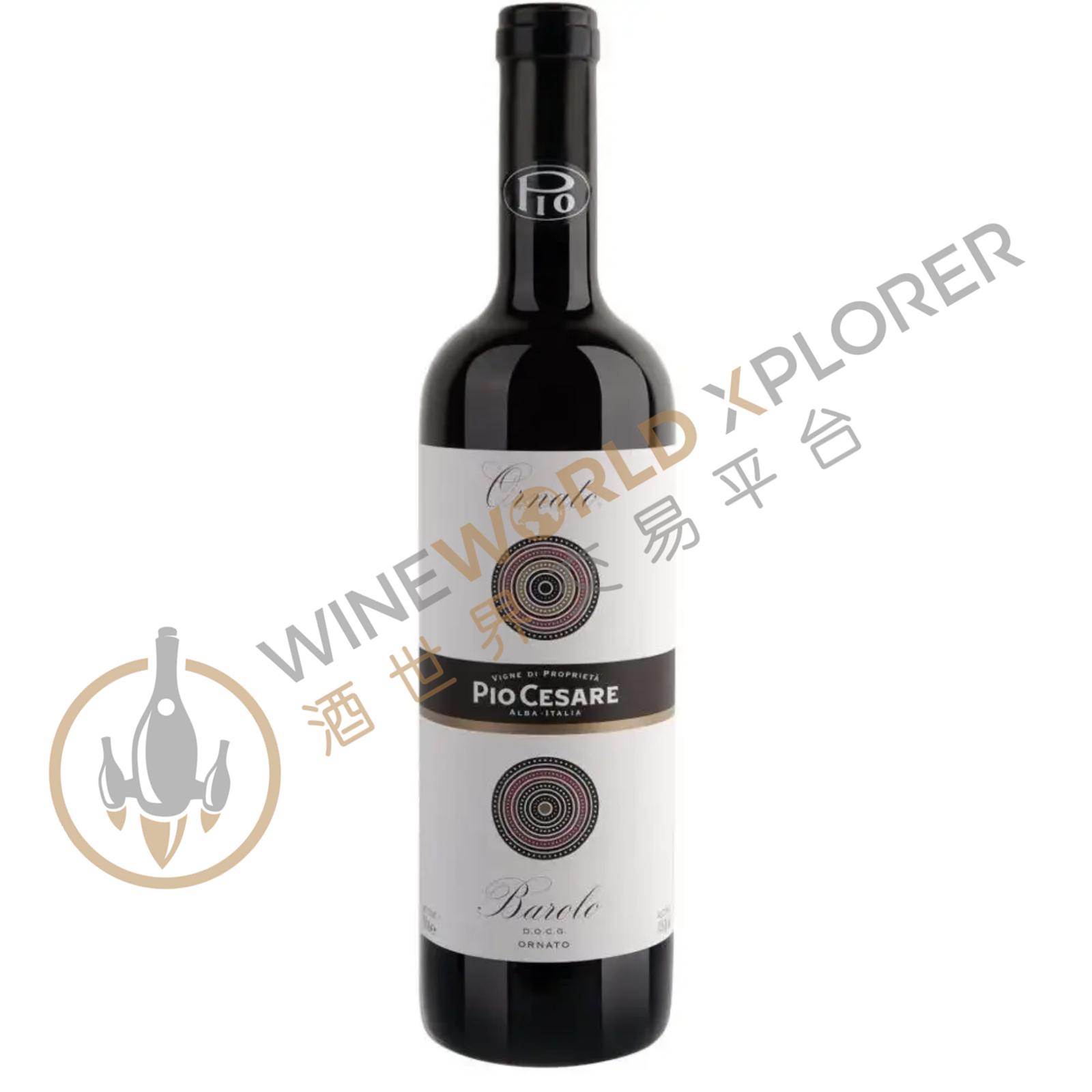
Pio Cesare, Barolo Ornato 2021
 View analysis


Description
Tasting notes

Reviewed by: James Suckling
A juicy and fruity wine with round and polished tannins and a flavorful finish. Complex aromas of oyster shells, terra cotta and tar. It’s medium- to full-bodied with tension and well-formed muscles, but always in balance and harmony. Very long aftertaste. Clearly a great wine. Drink after 2028.
Reviewed by: Antonio Galloni
The 2021 Barolo Ornato hits the palate with copious dark-toned fruit, gravel, incense, new leather, licorice, graphite and scorched earth. This potent Serralunga Barolo is quite backward, but all the elements are very nicely balanced just the same. It's classic Serralunga all the way.
About the Producer
Located in the Piedmont region of Italy, Pio is one of the oldest wineries in the region and was named one of Wine Spectator's "10 Best Wineries in the World" in 2002. Pio was founded in 1881 by the current owner's great-great-grandfather, Cesare Pio. He was one of the first winemakers and one of the first to adhere to a philosophy of winemaking dedicated to the terroir of the appellation and to the strict demands of quality. Since its foundation, Château Pio has been guided by a commitment to quality that has remained unchanged through four generations. The winery is currently headed by Boffa Pio, a descendant of the family. Today, Pio has over 50 hectares of vineyards in the best areas of Barolo and Barbaresco. In addition to its own vineyards, Bodegas Pio has established long-term partnerships with professional vintners who are responsible for all aspects of the vineyard's viticultural management. In terms of winemaking, Château Piau, under the leadership of its current owner, Boffa Piau, has pioneered the use of stainless steel tanks for the production of its wines. In addition, the winery reduces the amount of time the grapes are macerated on their skins, thus reducing the tannin content of the wine. What's more, the winery's hygiene standards are strictly controlled, resulting in wines that are very pure. Château Piau has a systematic approach to limiting the production of its wines in order to maintain a consistently high quality. 70% of its production is exported. In recent years, the winery has made several major investments in rebuilding the cellars and renovating the winery's equipment: the Roman Empire-era walls remain in place 12 metres underground; new fermenters have been built to take advantage of gravity and a new barrel ageing room has been installed; and new bottling and labelling equipment has been installed.
