
 Wine Advisor



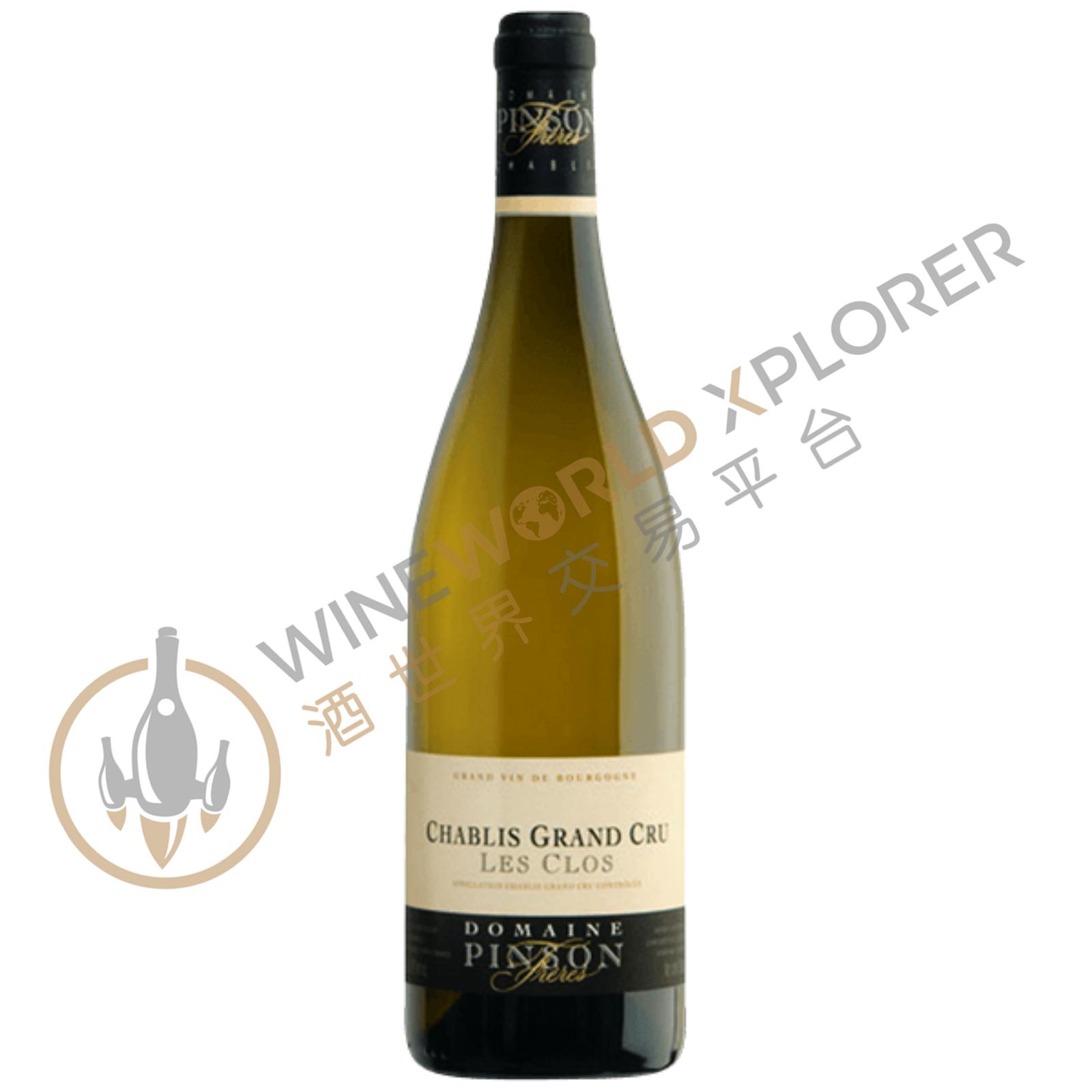
Pinson Freres, Chablis Grand Cru Les Clos 2013
 View analysis


Description
Tasting notes

Reviewed by: Neal Martin
The 2013 Chablis Grand Cru les Clos comes from 35-year-old vines and undergoes both alcoholc and malolactic fermentation in 20% new oak, the remainder in stainless steel. It has a very mineral-driven, focused, stony bouquet that reeks of "Grand Cru" - which is exactly what we want. The palate is fresh, vibrant and slightly peachy on the entry with a keen line of acidity and plenty of fruit concentration toward the finish, orange peel and lemon rind lingering on the aftertaste. This is a very well-crafted, confident Les Clos that should age well over the next 10 to 15 years.
Reviewed by: Neal Martin
Tasted blind at the annual “Burgfest” tasting in Brouilland. The 2013 Chablis Grand Cru les Clos fell short of the fine showing last year although I suspect this is more because it is amidst an awkward stage of evolution. It has an attractive bouquet with touches of praline and honeysuckle infusing the citrus fruit, nicely detailed and full of vigor. The palate is fresh and full of lime on the entry. This feels linear in the mouth with a slightly nuttiness developing towards the finish that does not quite deliver the definition that I was hoping for. Give this a couple more years in bottle and I am sure it will revert back to its initial promise. Tasted May 2016.
Reviewed by: Stephen Tanzer
(bottled in January of this year; began in 20% new oak and 80% _cuve, then was assembled in old barrels after the malolactic fermentation): Medium yellow. Strong vanillin oak on the nose. Ripe, plush and dry, with the stone fruit flavors currently dominated by oak spice and caramel. Still a bit youthfully austere but fresher than the Cuvée Authentique. Will it absorb the vanillin oak?
Reviewed by: Stephen Tanzer
(fermented in 20% new oak, then raised in 0- to 3-year-old barrels): Good aromatic lift to the aromas of ripe peach, fresh herbs, mint and spices. Suave, seamless and elegant; a step up in intensity and firmness from the premier crus. Builds nicely in the mouth, finishing with attractive mineral firmness and very good length. This will not be bottled until next January.
Reviewed by: Neal Martin
Tasted blind at the annual “Burgfest” tasting in Brouilland. The 2013 Chablis Grand Cru les Clos fell short of the fine showing last year although I suspect this is more because it is amidst an awkward stage of evolution. It has an attractive bouquet with touches of praline and honeysuckle infusing the citrus fruit, nicely detailed and full of vigor. The palate is fresh and full of lime on the entry. This feels linear in the mouth with a slightly nuttiness developing towards the finish that does not quite deliver the definition that I was hoping for. Give this a couple more years in bottle and I am sure it will revert back to its initial promise. Tasted May 2016.
Reviewed by: Stephen Tanzer
(bottled in January of this year; began in 20% new oak and 80% _cuve, then was assembled in old barrels after the malolactic fermentation): Medium yellow. Strong vanillin oak on the nose. Ripe, plush and dry, with the stone fruit flavors currently dominated by oak spice and caramel. Still a bit youthfully austere but fresher than the Cuvée Authentique. Will it absorb the vanillin oak?
About the Producer
Domaine Pinson Freres, located in the Chablis region in the far north of Burgundy, France, has its roots in an old family of local winemakers. The vineyards at Binson Brothers are all located in the heart of Chablis and comprise 2.94 hectares of Chablis vineyards, 7.02 hectares of Chablis Premier Cru and 2.57 hectares of Chablis Grand Cru. The cold climate of the Chablis region contributes to the finesse of the wines and the brisk acidity of the region. The famous Kimmeridgian soils, rich in fossilised oyster shells, give the wines their full mineral flavour. In addition to the natural conditions, Benson Brothers also devotes a great deal of attention to the management of the vineyard, using methods such as Cuyo pruning, de-budding and green harvesting to control yields per unit and obtain more intense fruit flavours. The winery respects the terroir and refuses to use chemical herbicides and pesticides in its conservation efforts to reduce environmental damage. During the harvest season, all the grapes are harvested by hand in whole bunches to keep them fresh and intact. The grapes are screened twice after arrival at the winery. Out of a belief in terroir, the winemaking process at Benson Brothers is adapted to the plot and vintage in order to bring out the terroir of each plot. For example, new oak barrels are used for fermenting some of the grapes from the Premier and Grand Crus, while stainless steel barrels are used for the rest of the estate. The wines are aged for 9 months at village level, 12 months at first growth and 18-24 months at grand cru level. Benson Brothers has produced nine Chardonnay wines, including a fresh, mineral and floral Chablis white; a concentrated, fruity Chablis 1er Cru; and a rich, powerful Les Clos, a perfect expression of the Grand Cru terroir. The wines have been featured several times in specialist wine magazines such as Hachette Guild, as well as in international competitions such as the Decanter World Wine Awards.
