
 Wine Advisor



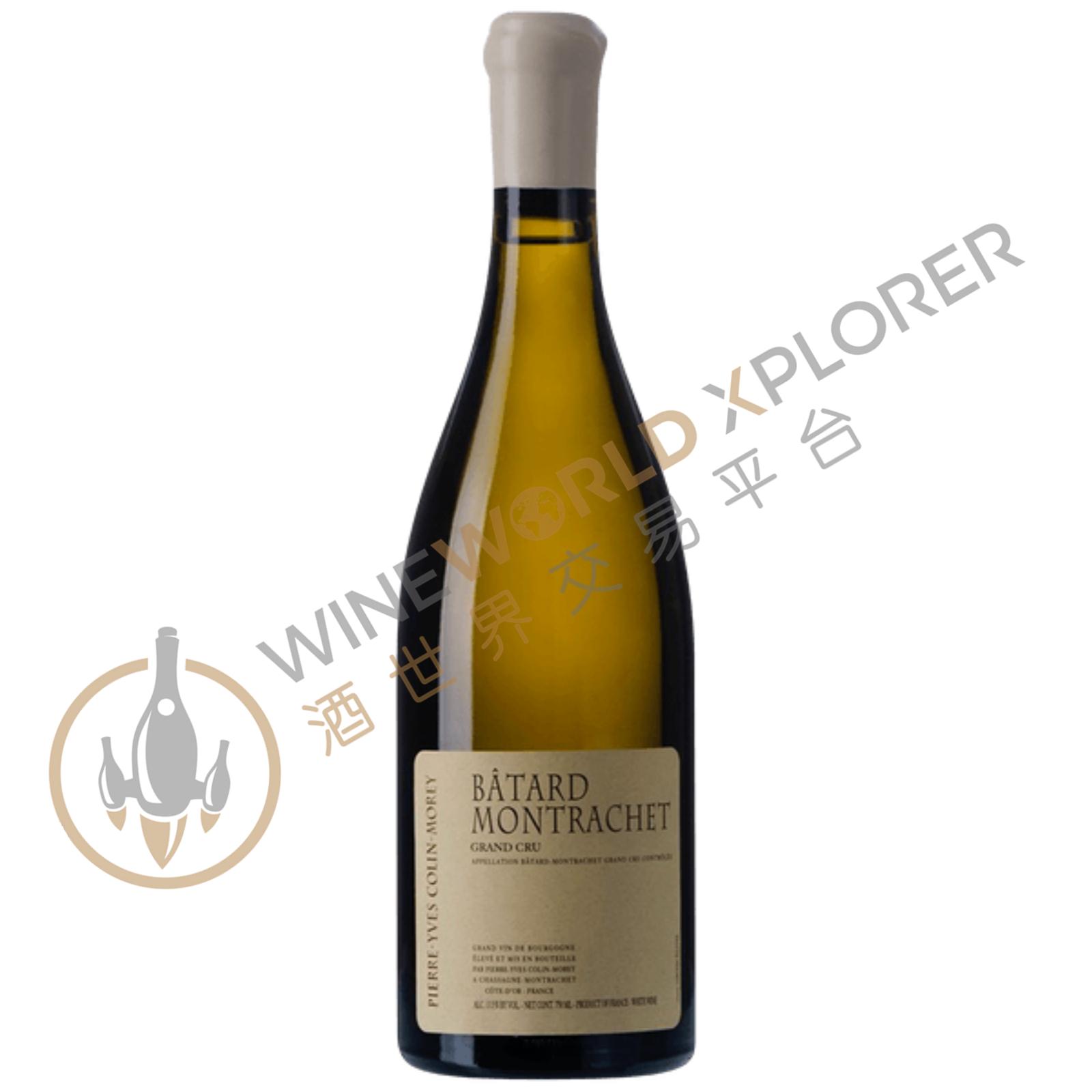
Pierre Yves Colin Morey, Batard Montrachet Grand Cru 2022
 View analysis


Description
Tasting notes

Reviewed by: William Kelley
The king of the cellar is the 2022 Bâtard-Montrachet Grand Cru, a deep and multidimensional wine redolent of pear, peach, clear honey, toasted nuts, freshly baked bread and white flowers. Full-bodied, layered and structured, its satiny attack segues into a concentrated mid-palate and a long, saline finish.
Reviewed by: Neal Martin
The 2022 Bâtard-Montrachet Grand Cru is 100% Domaine unlike the Corton-Charlemagne. It has a classic nose from this Grand Cru: crushed limestone, sea cave and touches of shucked oyster shells. The palate is well-balanced and very intense, building in the mouth towards a cerebral, grippy finish that is one of their most persistent cuvées. The 2021 Bâtard-Montrachet showed brilliantly last year…the 2022 does exactly the same.
About the Producer
Maison Pierre-Yves Colin-Morey is a Burgundy producer based in Chassagne-Montrachet, in the Côte de Beaune subregion. It is known for its fine Chardonnay wines, and has most of its vineyard holdings in Saint-Aubin. The estate was established in 2005 by husband-and-wife team Pierre-Yves Colin and Catherine Morey, both children of esteemed Burgundy winemakers. Colin had been winemaker at his family's winery since 1995 and in 2001 started a négociant business with his wife. In 2005, he left the family estate to establish his own label with his six-hectare (15-acre) share – the rest of the Colin vineyards remained with his three siblings (Caroline, Joseph and Damien, who run Domaine Marc Colin). Pierre-Yves Colin-Morey has holdings in several premier cru sites in Saint-Aubin and Chassagne-Montrachet including Chatèniere, Champlots, Remilly, Chenevottes and Caillerets. On top of this, the domaine buys grapes to make wines from several grand cru vineyards, including Bâtard-Montrachet and Corton-Charlemagne. The estate predominantly makes Chardonnay, but also produces a small amount of Pinot Noir from Saint-Aubin and Santenay. In the cellar, Pierre-Yves Colin-Morey does not employ battonage but favors lengthy lees contact and barrel aging. The wines are bottled without filtration and often without fining.
