
 Wine Advisor



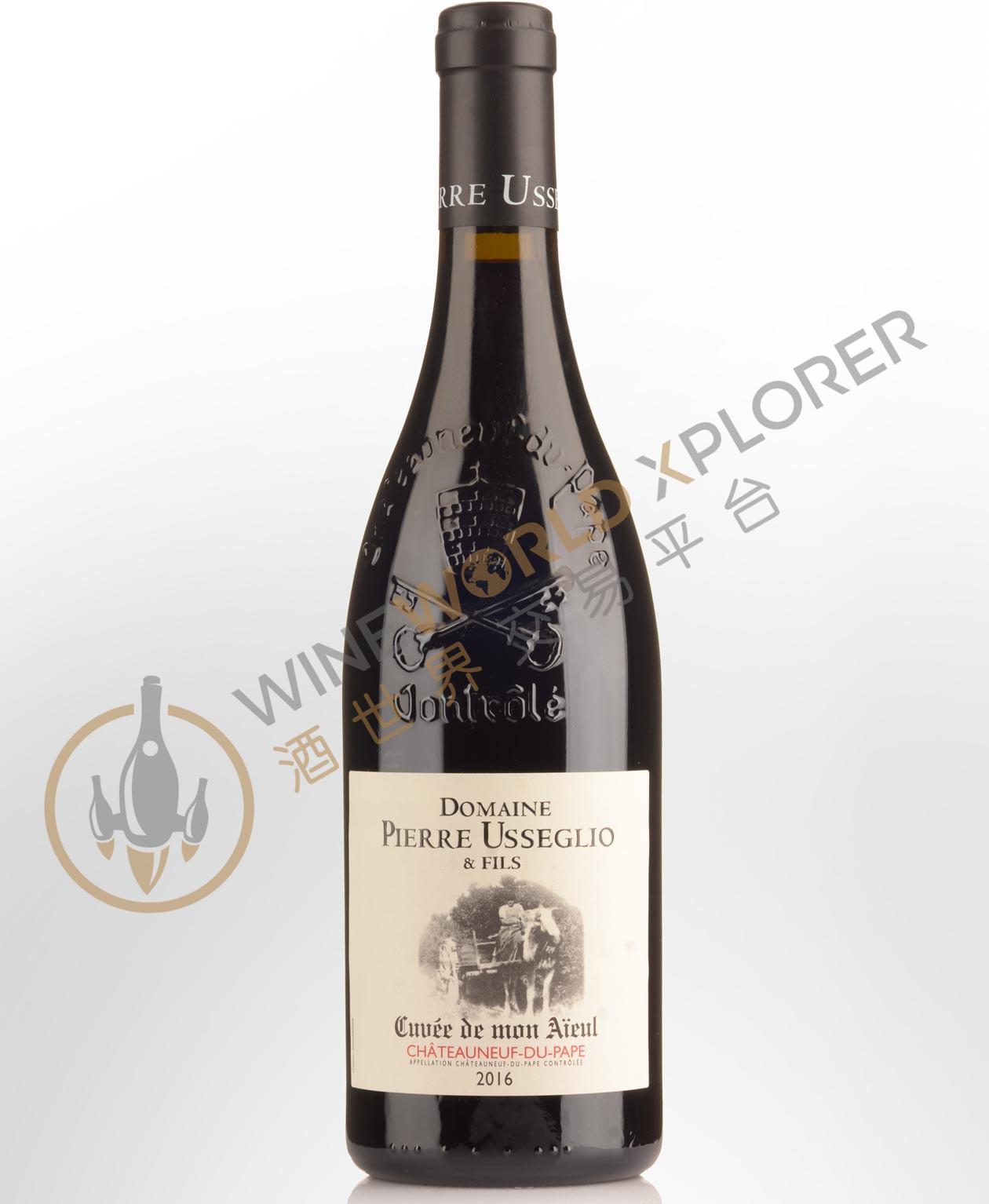
Pierre Usseglio, Chateauneuf Du Pape Cuvee de Mon Aieul 2001
 View analysis


Description
Tasting notes

Reviewed by: Stephen Tanzer
Red-ruby. Raspberry liqueur, game and exotic woodsmoke on the nose. Large-scaled, powerful and dense, with an impressive, solid core of almost medicinal black cherry and dark berry fruit. Very deep, rich, young Chateauneuf with strong but ripe palate-coating tannins and superb persistence. This will reward seven to ten years of cellaring.
Reviewed by: Jeb Dunnuck
More precise and focused than the more exuberant, sexy and rounded '00, the 2001 Chateauneuf du Pape Cuvee de Mon Aieul is borderline perfection (I seriously considered adding a point here) and a monumental Chateauneuf du Pape that is drinking at point. Kirsch, olive tapenade, roasted meats, tobacco and assorted mature Grenache characteristics give way to a full-bodied, massively endowed, concentrated, gorgeously layered wine that's just about as good as it gets. I kept coming back to this over the evening and it got better and better with air, so while fully mature, it's not going anywhere soon.
Reviewed by: Stephen Tanzer
Red-ruby. Raspberry liqueur, game and exotic woodsmoke on the nose. Large-scaled, powerful and dense, with an impressive, solid core of almost medicinal black cherry and dark berry fruit. Very deep, rich, young Chateauneuf with strong but ripe palate-coating tannins and superb persistence. This will reward seven to ten years of cellaring.
About the Producer
Château USSEGLIO is a family business. Its creation dates back to 1948, when grandfather Francis USSEGLIO left Italy to work as a wine worker at CHATEAUNEUF-DU-PAPE. 1949 saw his first harvest come out of the oven. Later, his son Pierre took over the estate and expanded Château Pierre Usseglio. Today it covers 39 hectares, 24 hectares of Châteauneuf-du-Pape red, 1 hectare of Châteauneuf-du-Pape white, 6 hectares of Lillac red, 6 hectares of Côtes du Rhône and 2 hectares of French wines developed by Pierre's two sons. Jean-Pierre and Thierry Usseglio. The estate produces the traditional Châteauneuf-du-Pape red wines. Half of the vines in the winery are over 65 years old and the other half are about 40 years old. The yields obtained are very low, around 20 to 25 hectolitres per hectare, depending on the vintage. Harvesting is always done by hand and sorting is selective. The grapes are destemmed and the winemaking process lasts 25 to 30 days, after which the wine is aged 50% in oak barrels for 12 days and 50% in concrete tanks. The result is a powerful, rounded wine with intense aromas of red fruit and spices. The wines of this estate are best consumed over a period of 5 to 10 years, depending on taste and vintage.
