
 Wine Advisor



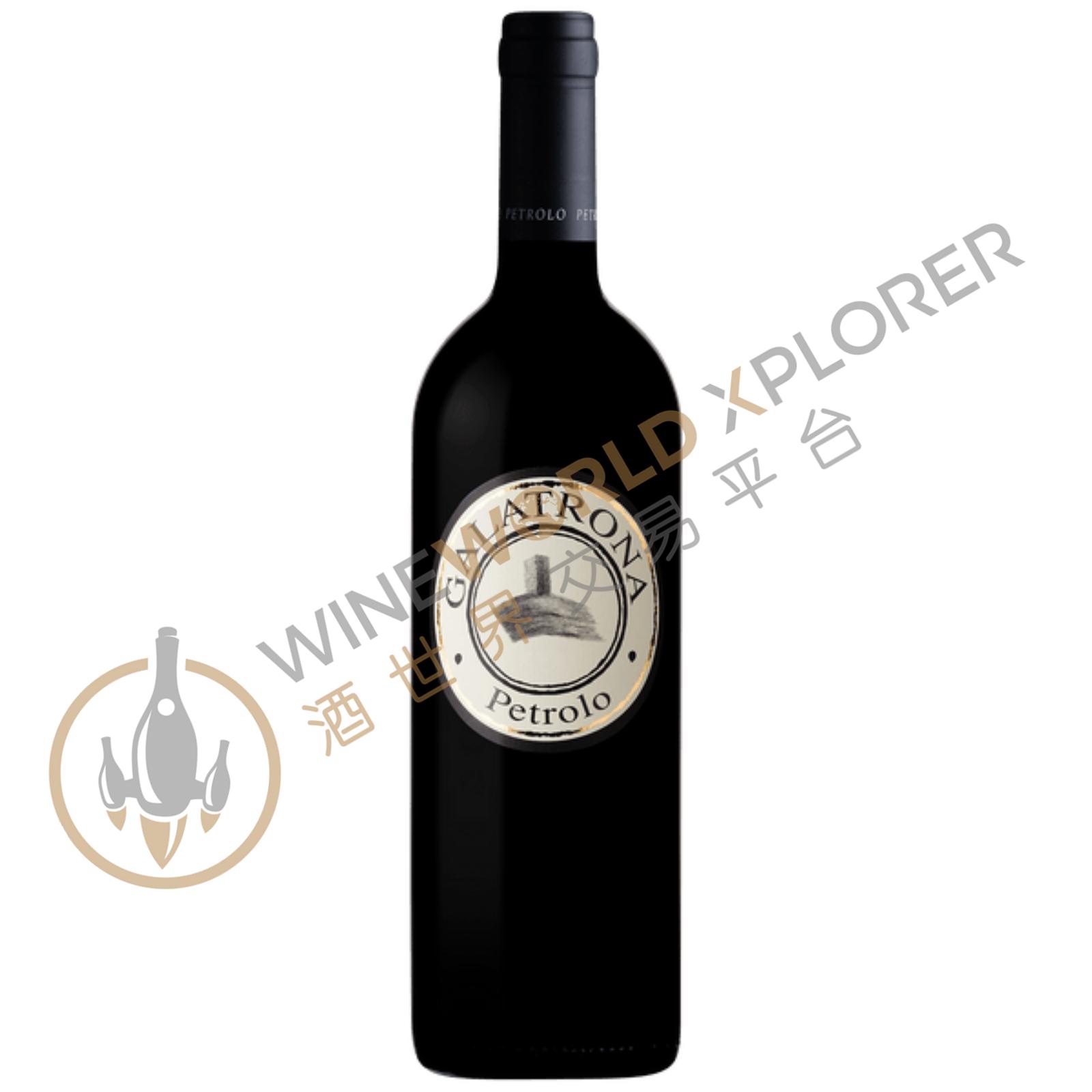
Petrolo, Galatrona 2013
 View analysis


Description
Galatrona is the “Gran-Cru” of Merlot of Petrolo, only made with the grapes from the vineyard of the same name planted between the end of the 80’s and half of the 90’s with low vigor bordeaux clones. The peculiar soil, rich in clay in combination with schist, marl and sandstones, allows the concentration of all the noble components of the grapes, fundamental for the great structure, elegance, balance and persistence wanted for this wine.
Tasting notes

Reviewed by: Antonio Galloni
Petrolo's flagship Galatrona is a good wine, but it comes across as a bit lean and lacking in depth in 2013. The fruit never has a chance to fully emerge in a wine that remains both compact and abrupt. Both bottles I tasted were disappointing relative to Galatrona's historical level of quality.
Reviewed by: Monica Larner
The 2013 Galatrona pretty much sold out in pre sales before it's official release last year. The quality is outstanding and the Merlot grape offers a heightened sense of sharpness and focus in a slightly cooler vintage such as this. Galatrona exhibits a plush and rich bouquet that is embellished with soft cherry and blackberry nuances followed by spice, sweet tobacco, chocolate and crushed granite. The wine is amply fleshed out and generous. It offers an incredible sense of overall balance and irresistible drinking pleasure.
Reviewed by: Antonio Galloni
Petrolo's flagship Galatrona is a good wine, but it comes across as a bit lean and lacking in depth in 2013. The fruit never has a chance to fully emerge in a wine that remains both compact and abrupt. Both bottles I tasted were disappointing relative to Galatrona's historical level of quality.
Reviewed by: James Suckling
The violets and blackberries show wonderfully on the nose here, yet this remains subtle and complete with hints of walnuts. Full body, ultra-fine and firm tannins and a beautiful fruit and mineral undertone. Tight and substantial. So layered. Another example of finesse and beauty here with this pure merlot. Better in 2018.
About the Producer
The vineyards of Château Perrault span a total of 31 hectares, bordering the southeast of Chianti Classico. The vineyards are located on slopes between 250 and 450 meters above sea level, with moderately loose soils mixed with rocks typical of the Chianti region, such as marl, sandstone and shale. In order to produce unique wines, the winery grows Sangiovese, Merlot and Cabernet Sauvignon according to the characteristics of the terroir. In terms of vineyard management, Perrault Winery attaches great importance to the protection of ecological balance and biodiversity. The harmonious coexistence of vines, grasses, olive trees and woods not only protects the natural environment, but also creates a favorable growth environment for grapes. At the same time, the winery also strictly controls the grape production. The planting density of each hectare of vineyards is about 5,500 grapes, and the yield per hectare is only 2,000-2,500 hectoliters. Precise screening further enhances the quality and beauty of the wine. In the brewing of wine, Perrault Winery is based on the principle of brewing wine with unique personality, and uses different brewing and aging methods and containers for different wines. After the wine grapes are manually picked and screened in the winemaking workshop, they will be placed in clay pots, concrete tanks, cement tanks and other containers for alcohol fermentation according to the variety and plot, and then use French oak barrels, wooden barrels and Clay pots and other containers age the wine. At the same time, some wines will also improve the wine texture through Malolactic Fermentation and lees aging (Sur Lies). In order to produce better quality wines, the winery has also renovated the winery in recent years. Château Perrault's diverse vineyard terroir and unique brewing methods provide the basis for the variety of wines. At present, in addition to the three wines A, B and C of the Boggina series, the winery produced by the winery also includes Galatrona, Campo Lusso, Torrione and Four wines from San Petrolo. These wines, although different in style, are all of excellent quality and have received high marks from wine critics. For example, the 2018 red wine of Campo Luso received a high score of 97 points from the famous wine critic James Suckling; and the red wine of Garaço not only won the excellent quality of the 1998 wine Suckling's full score praised, and the 2015 wine was ranked second in its 2017 top 100 wine list with a high score of 99 points.
