
 Wine Advisor



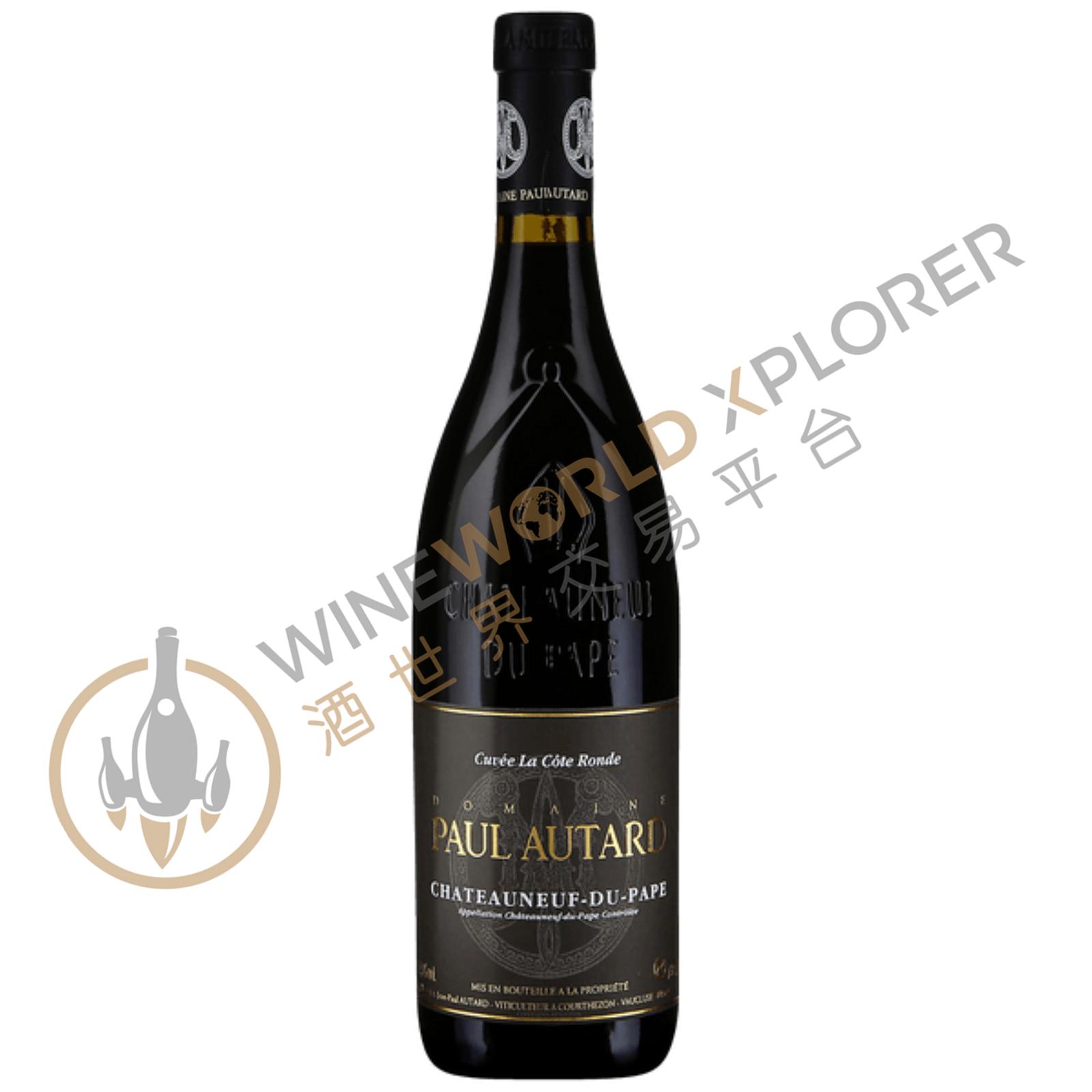
Paul Autard, Chateauneuf du Pape Cuvee La Cote Ronde 2001
 View analysis


Description
Tasting notes

Reviewed by: Robert M. Parker, Jr.
The 2001 Chateauneuf du Pape La Cote Ronde reveals a trace of new oak in the nose along with aromas of melted licorice, black cherries, currants, pepper, and sweet cassis. Dense, chewy, and well-defined, with a big structure and a thick, saturated purple color, it looks to be potentially the longest-lived and biggest La Cote Ronde since the 1998. Anticipated maturity: 2005-2015. Represented by Russell Herman, Berkeley Heights, NJ; tel. (908) 771-9082, various American importers.
Reviewed by: Robert M. Parker, Jr.
Most of the structure, tannin, and backwardness appears to have found its way into the top cuvee, the 2001 Chateauneuf du Pape La Cote Ronde. A deep ruby color is followed by aromas of spicy new oak, herbes de Provence, earth, pepper, and kirsch liqueur. Pinot Noir-like in the mouth, with moderate tannin in the finish, it will be at its finest between 2005-2013. Represented by Russell Herman, Berkeley Heights, NJ; tel. (908) 771-9082, various American importers.
Reviewed by: Stephen Tanzer
Dark red. Slightly medicinal aromas of bitter cherry, cherry pit, licorice and spicy oak. Concentrated and sweet, with very firm flavors of briary red berries. Firmly tannic and rather backward today, with a slight youthful toughness that will require several years of bottle aging. Much less accessible today than the regular bottling.
Reviewed by: Stephen Tanzer
Saturated red-ruby. Grapey, more oaky aromas of roasted dark berries and maple syrup. Supple but focused and bright, with dark berry and bitter chocolate flavors and a whiff of mint. Offers strong potential.
About the Producer
Jean-Paul Autard carries on the tradition established by Paul Autard when he founded the domaine in the village of Courthézon in the 1970’s. Autard has 26 hectares of vines, of which 12 are in Châteauneuf-du-Pape and 14 in Côtes-du-Rhône (located at the border of the Châteauneuf appellation in Courthézon.) The aging cellar is a massive, vaulted cave cut into sandstone rock, housing the domaine’s barriques. They aim to get the most out of each variety by vinifying separately and then blending judiciously. The grapes are destemmed and fermentation takes place in stainless steel tanks with indigenous yeasts. After the malolactic fermentation, the wines are transferred to barriques for aging, about one third of which are new for the regular cuvée of Châteauneuf and 100% new for La Côte Ronde and Juline.
