
 Wine Advisor



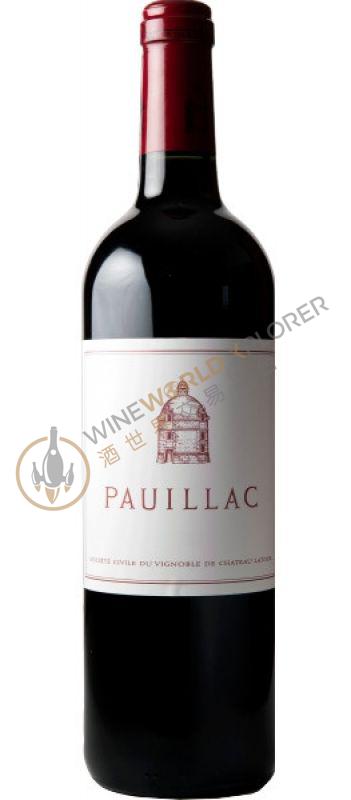
Pauillac de Latour 2018
 View analysis


Description
This wine has been made every year since 1989, and was developed primarily for the restaurant market. The Pauillac is made primarily from young vines, growing on the less prestigious terroirs in the vineyard, and from wines that do not meet the selection criteria for Forts de Latour (specific to each vintage). About 20% new barrels are used in the vinification of the Pauillac, the precise proportion varying depending on the characteristics of the vintage. The blend for Château Latour’s Pauillac typically consists of nearly 45% Merlot. This generous, fruity wine is an excellent introduction to the family of wines produced by Château Latour. It can be enjoyed after four to five years of ageing, and will continue to improve for several more years.
Tasting notes

Reviewed by: Neal Martin
The 2018 Pauillac de Latour, bottled in June 2020, has a floral, almost Margaux-like bouquet with a mixture of red and black fruit infused with crushed violet and a nuanced pencil box note in the background. The palate is medium-bodied and quite animated upon opening. The acidity is a little more heightened than I expected. With modest weight, the 2018 is linear yet reassuringly elegant towards the finish. Contemplating this Troisième Vin, maybe it is more low-key than expected, but in a positive sense. It should drink well over the next decade.
Reviewed by: James Suckling
Firm, very silky and driven with blackberry and currant. Medium to full body, chewy texture and a lightly austere finish. Chewy and polished third wine of Latour.
Reviewed by: James Suckling
This is already very complex with tobacco, blackberries and hints of cedar. It’s medium-bodied with firm and layered tannins. Juicy and so delicious. It can age, too. Delightful now, but better after 2025.
About the Producer
Château Latour is located in the heart of the Médoc wine region, about 50 km north-west of Bordeaux, where the legend of the vineyards of Bordeaux began. The château's prime terroir, l’Enclos, overlooks the Gironde estuary: it is the river and the ocean that, over the centuries, have given the vineyard its geological complexity and, on a daily basis, ensure a mild climate. Château Latour’s superb location, just 300 metres from the estuary, gives it its special character and tempers any extreme weather conditions, especially spells of severe cold or frost, as for example in 1991. There are two factors that have a benign influence: • The proximity of the Atlantic, bringing the generosity of an ocean climate; • The immediate proximity of a large mass of water in the form of the estuary, protecting against possible cold spells early in the growth cycle and also enabling earlier ripening of the grapes, which can be an important factor as the harvests approach.
