Wine Advisor



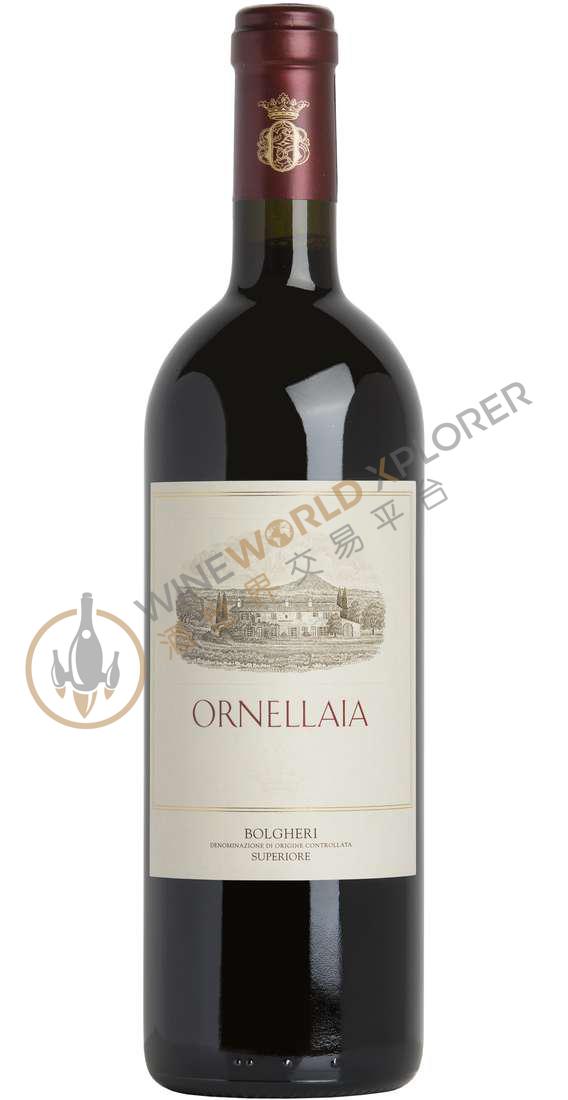
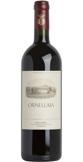
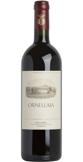
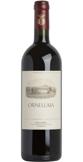
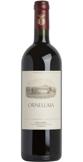
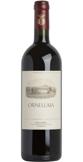
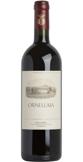
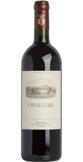
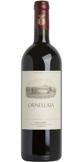
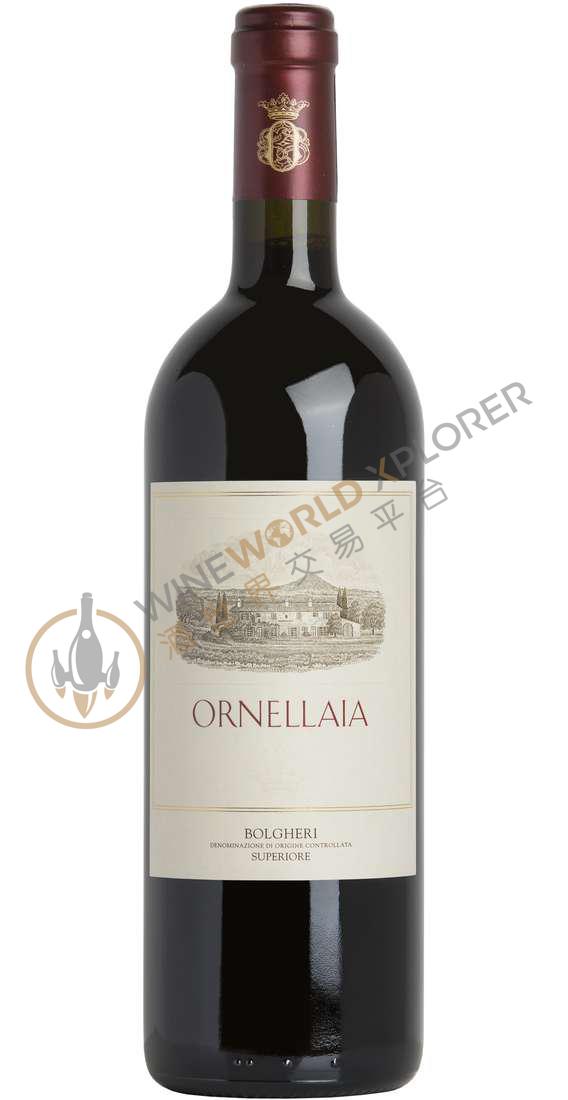
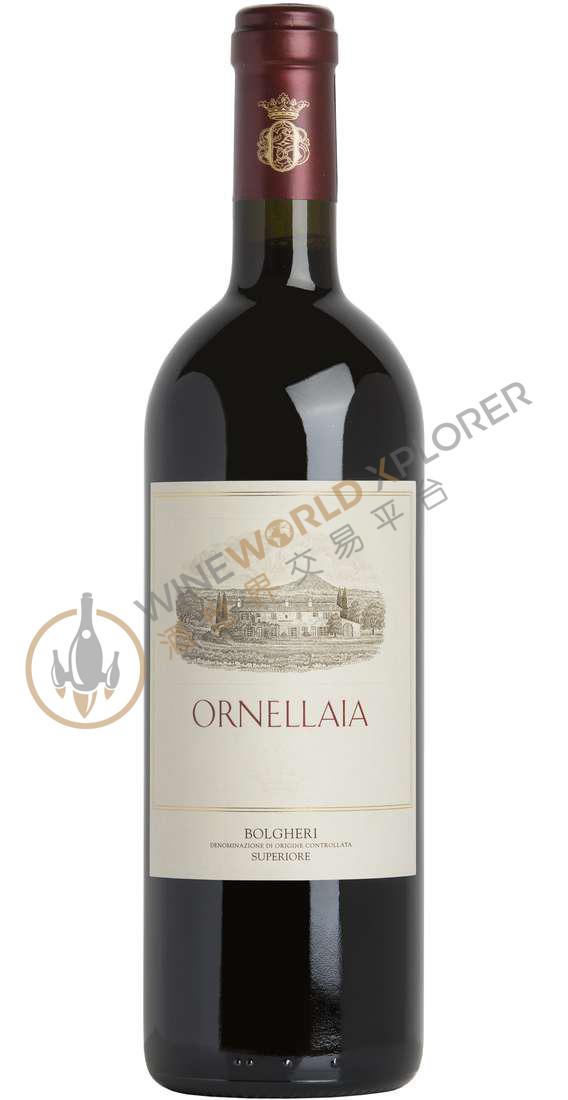
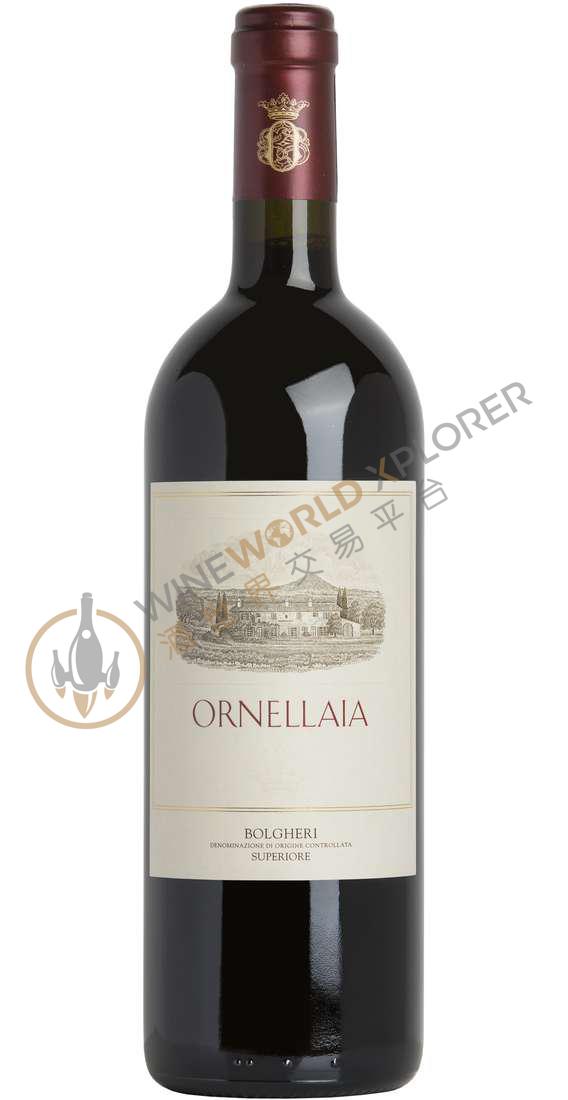
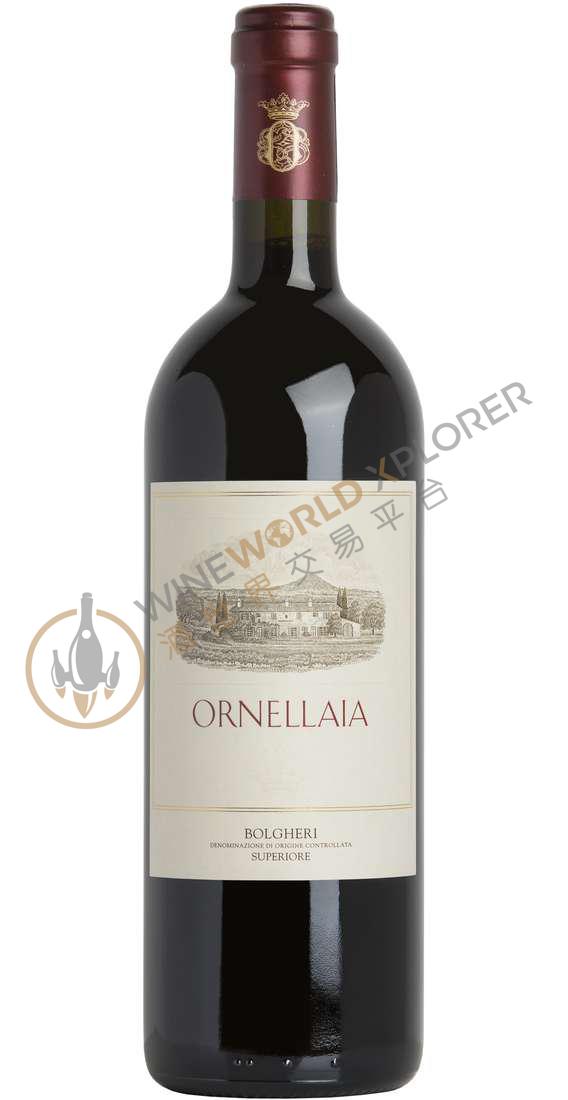
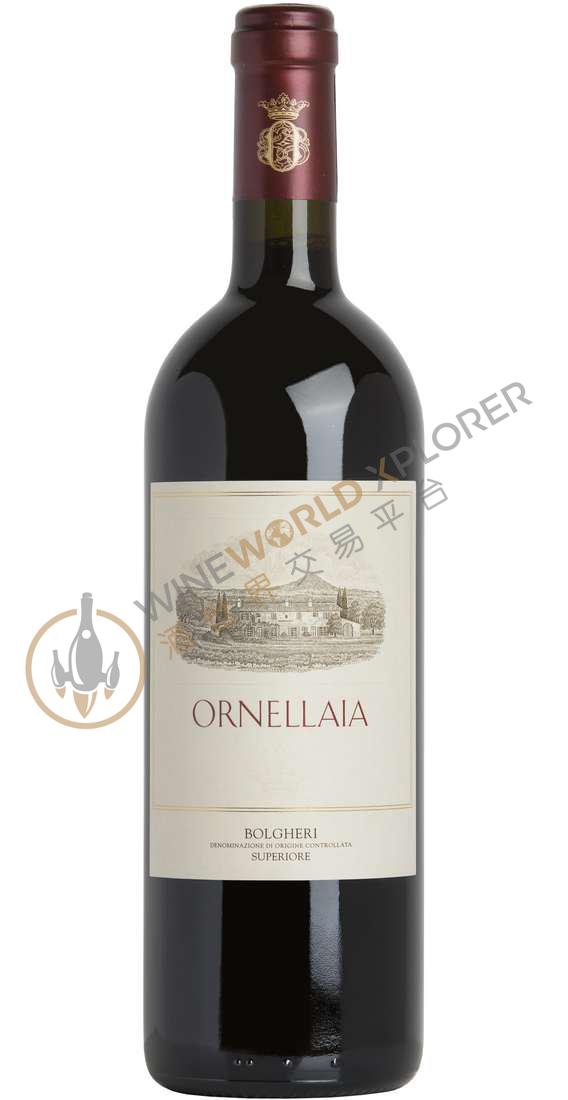
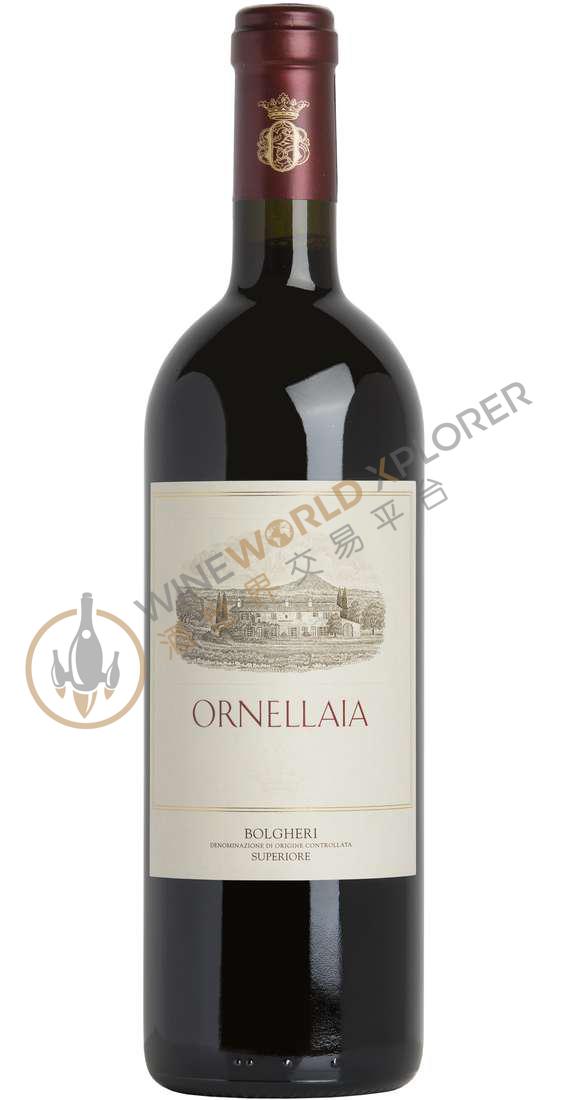
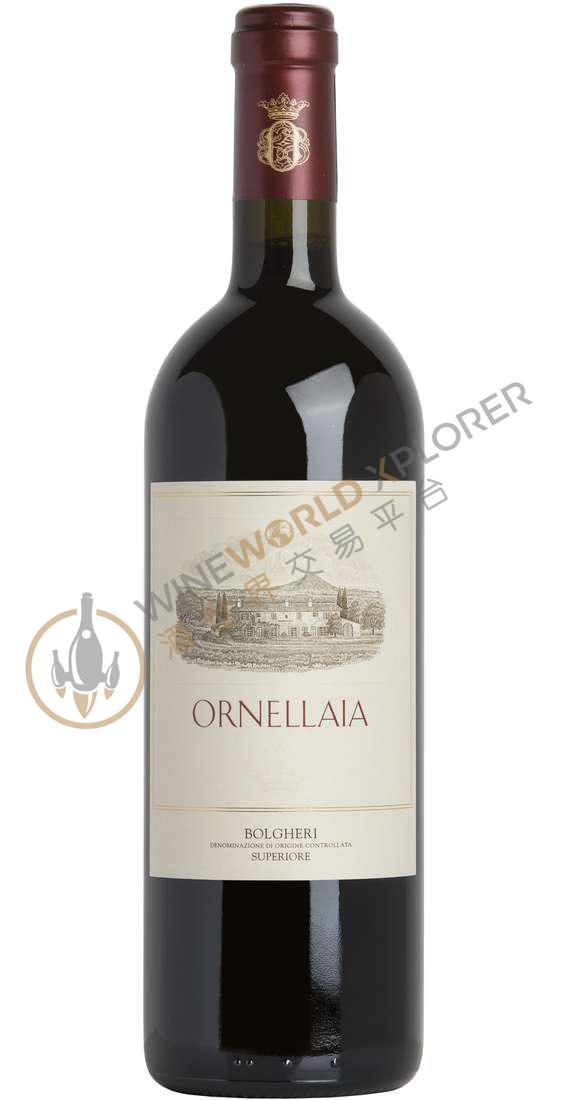
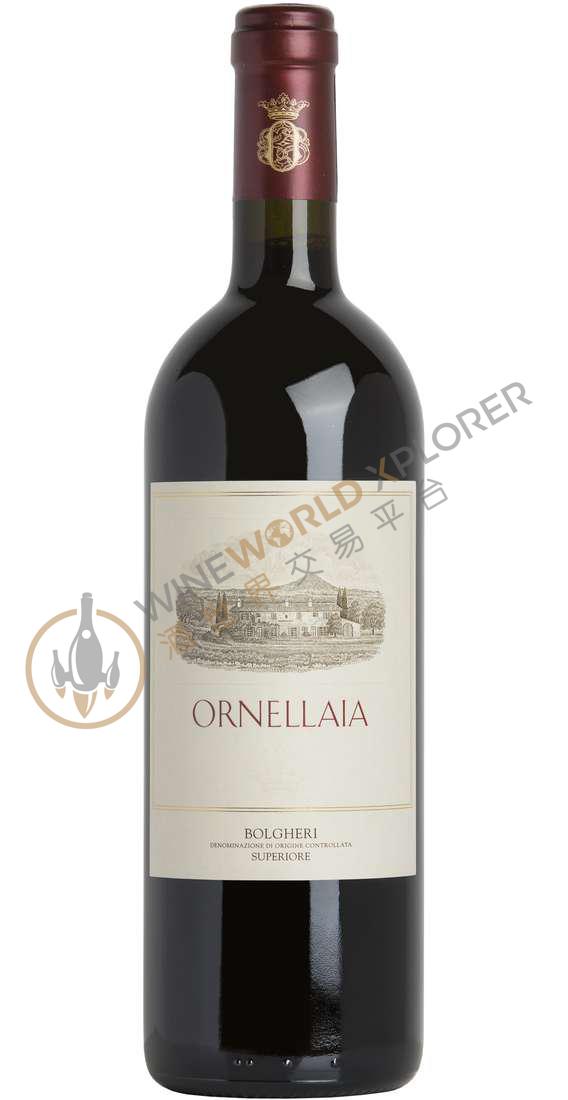
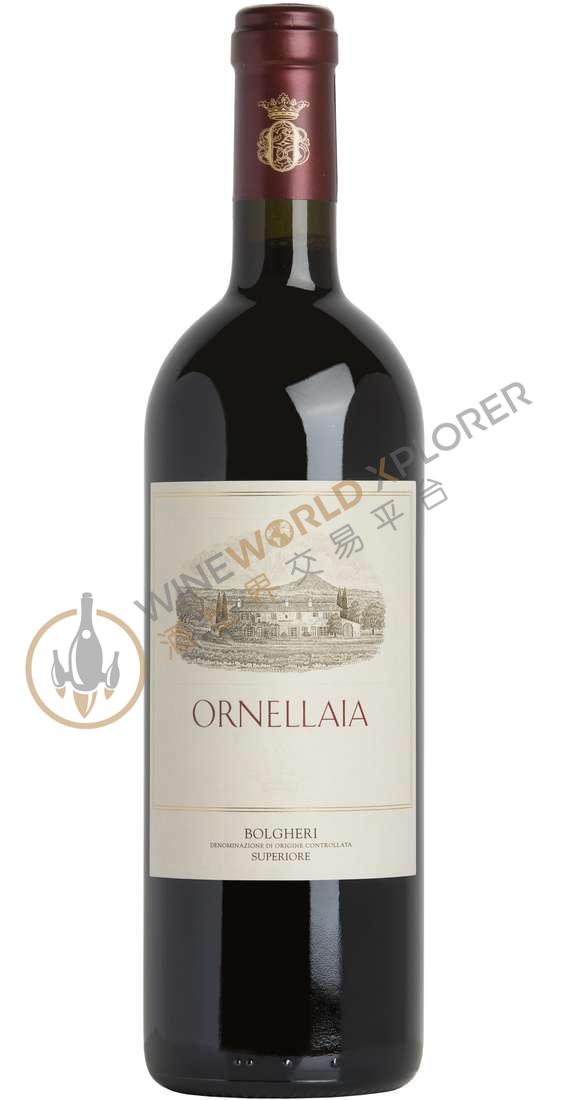
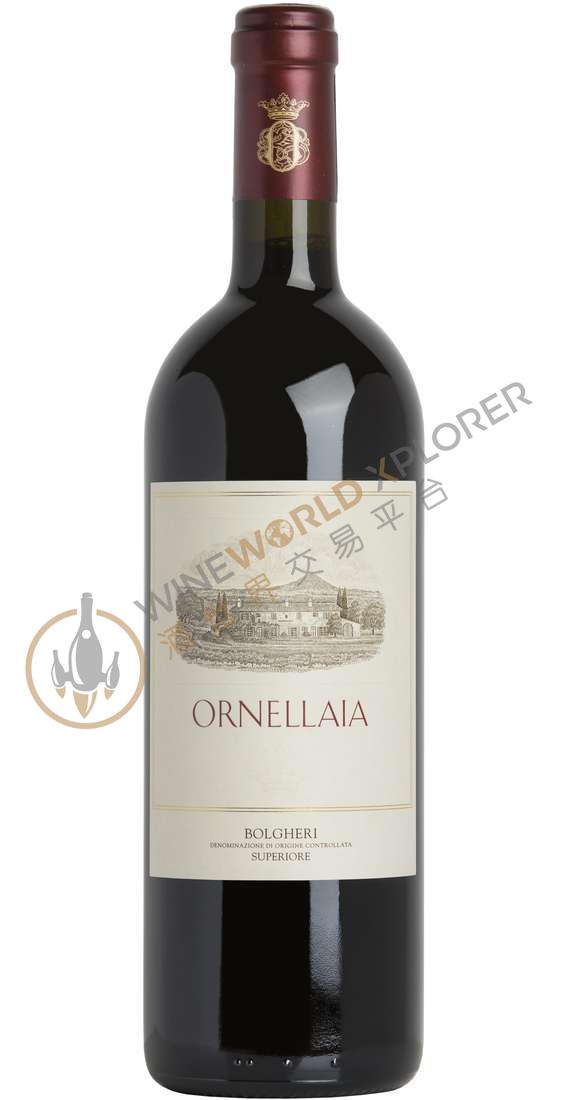
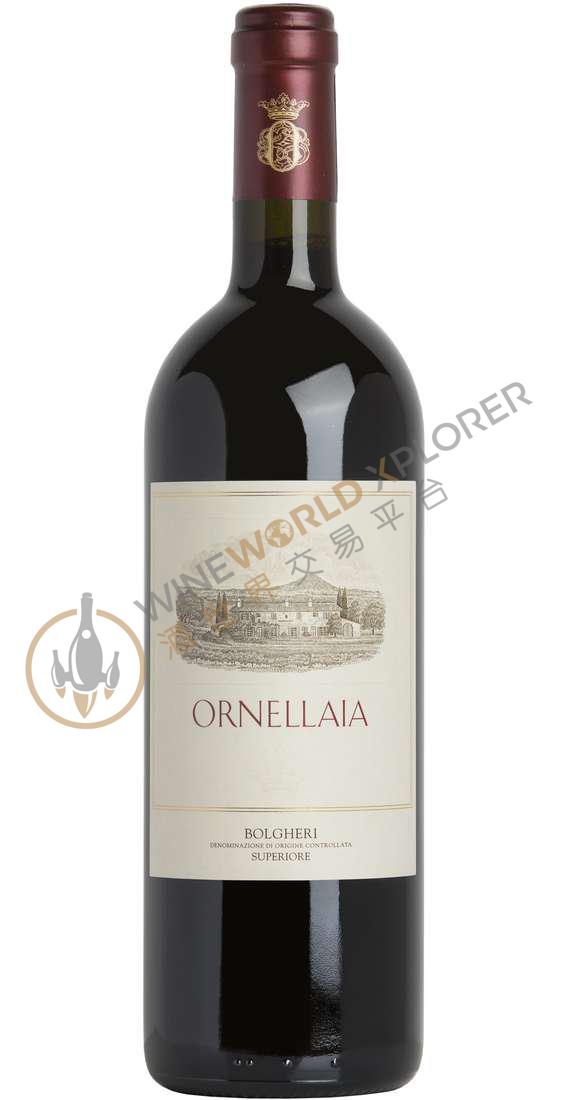
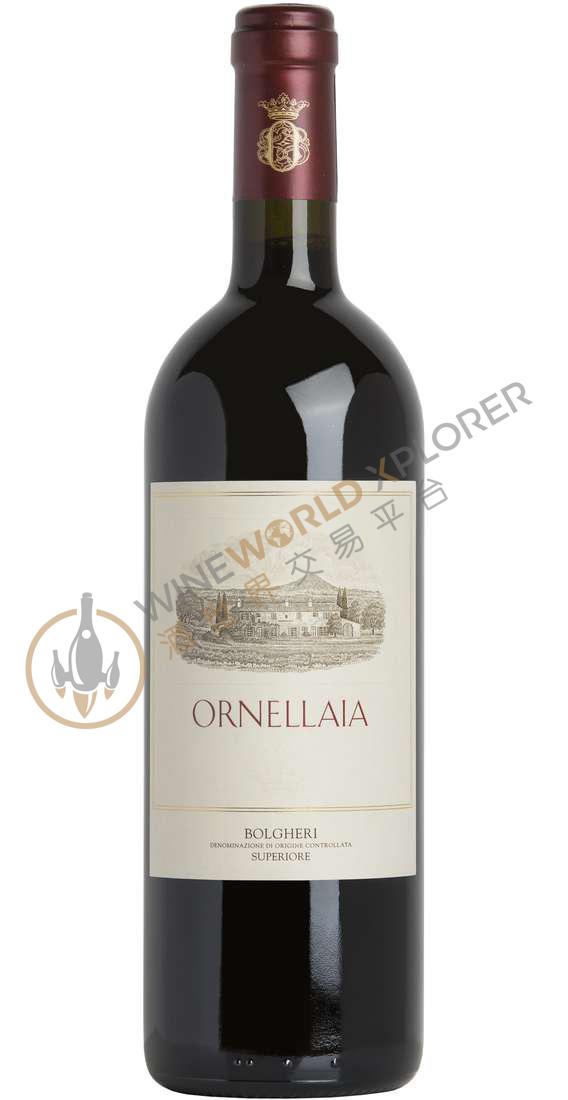
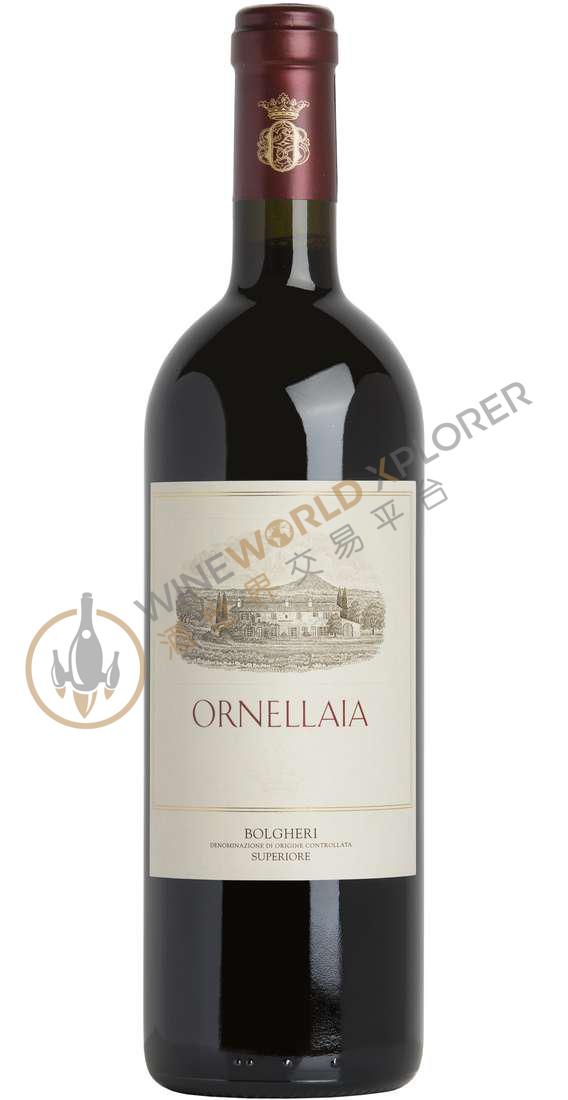
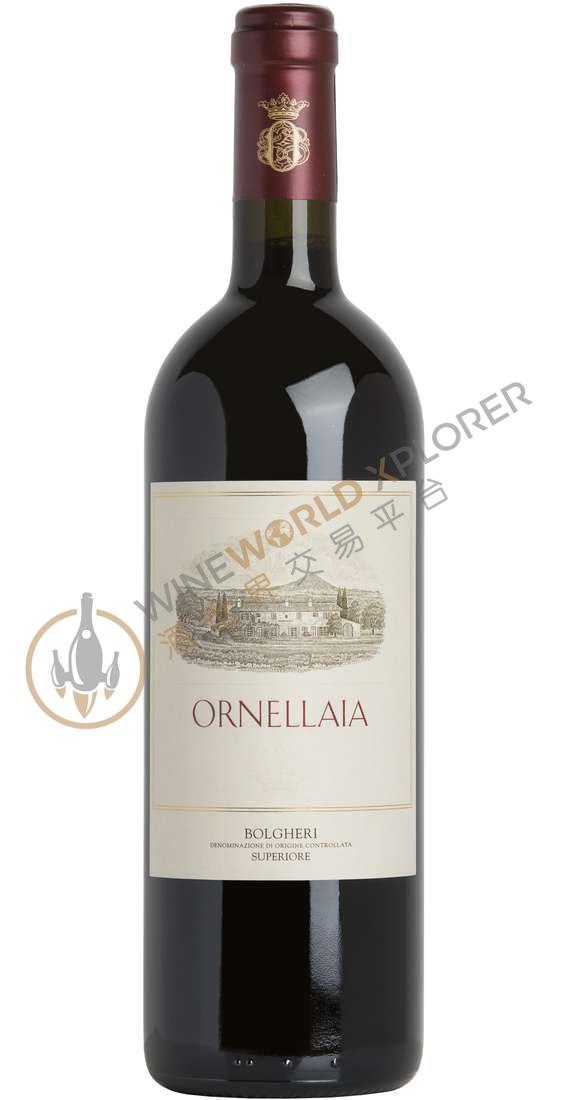
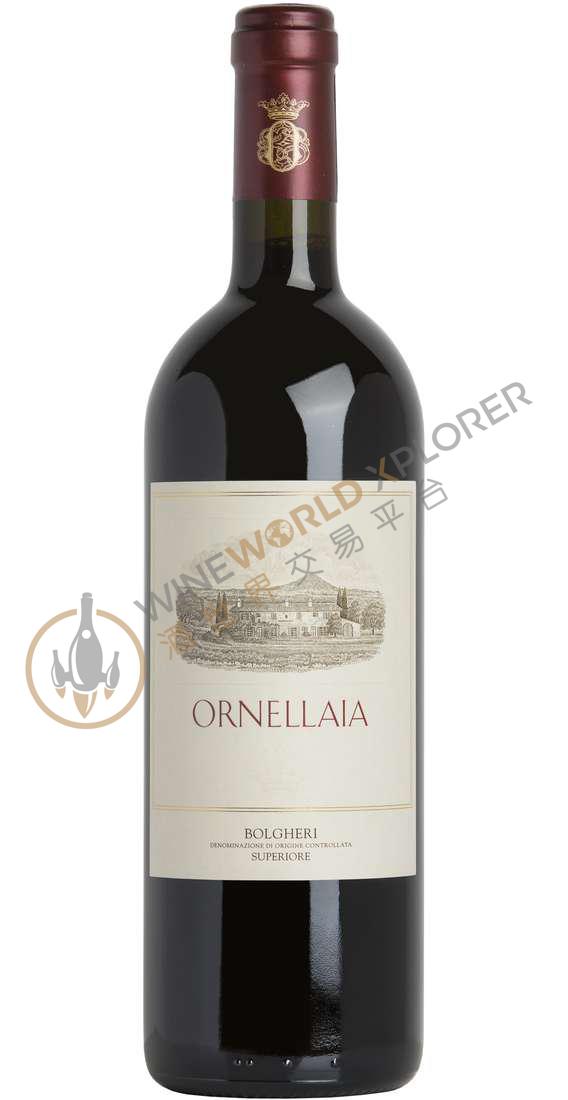
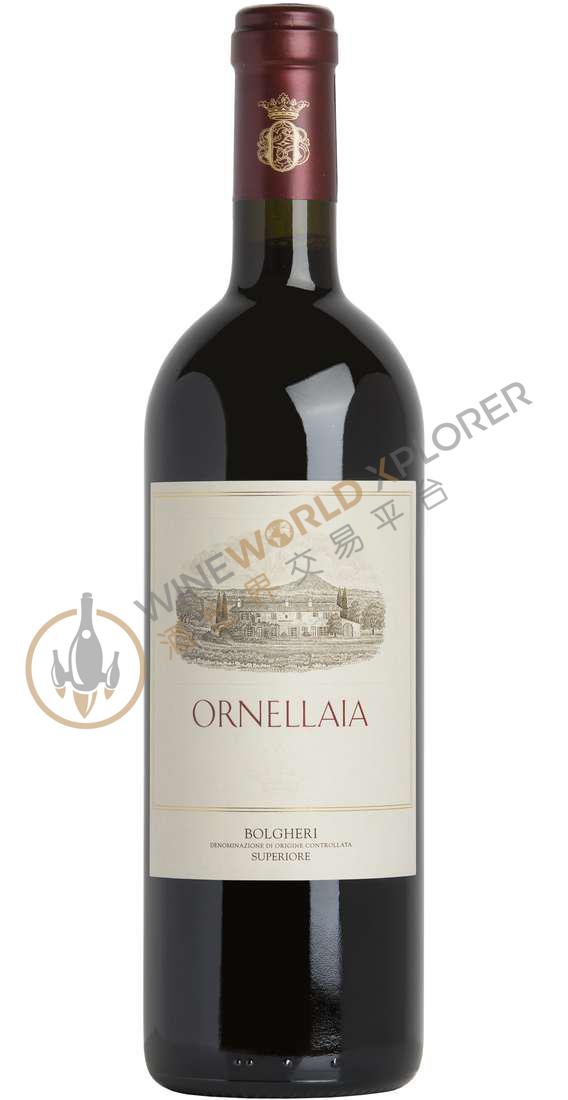
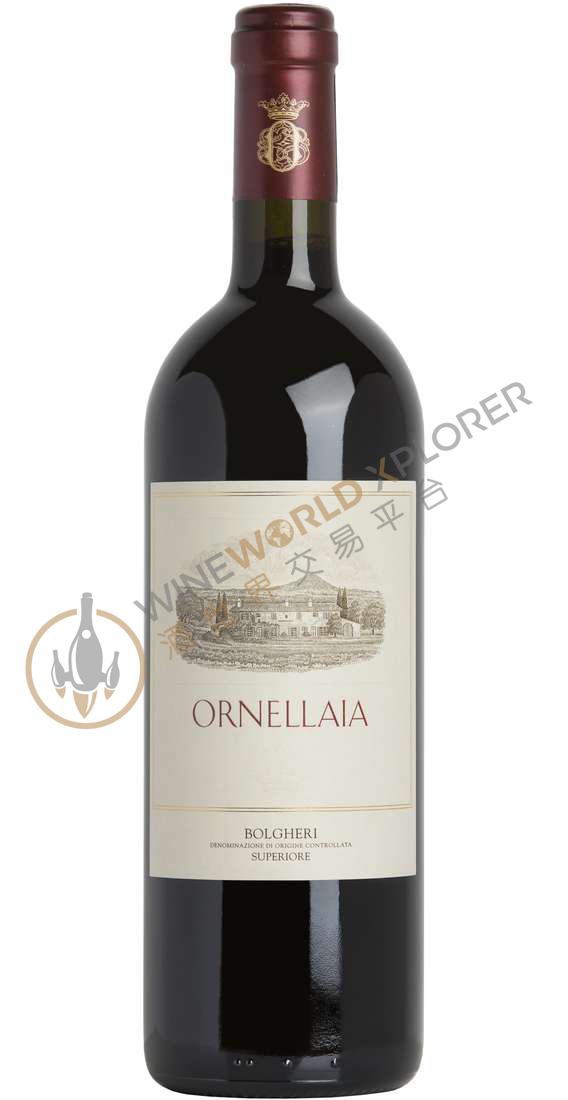
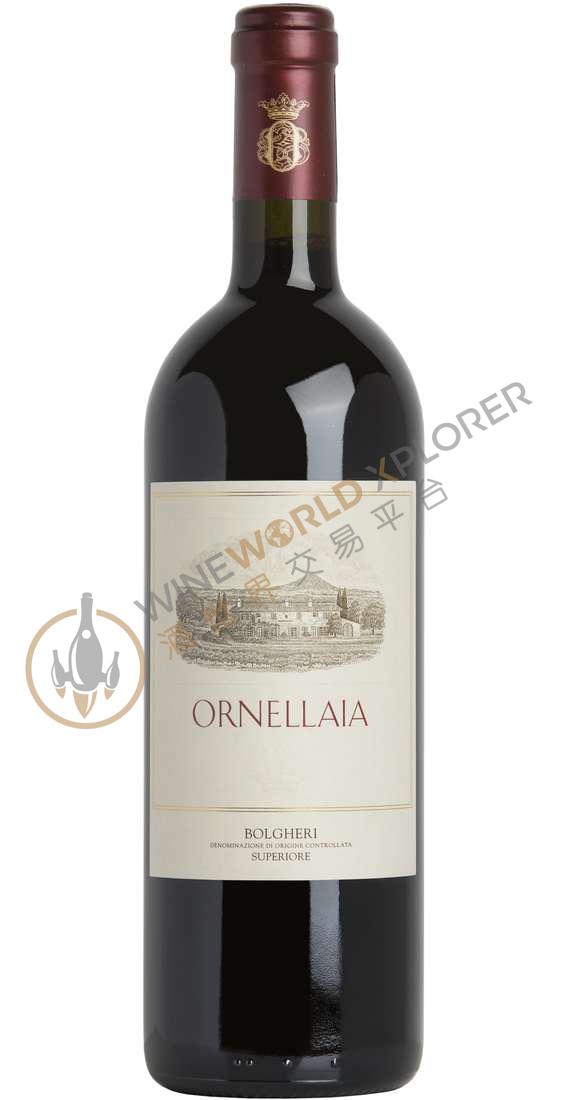
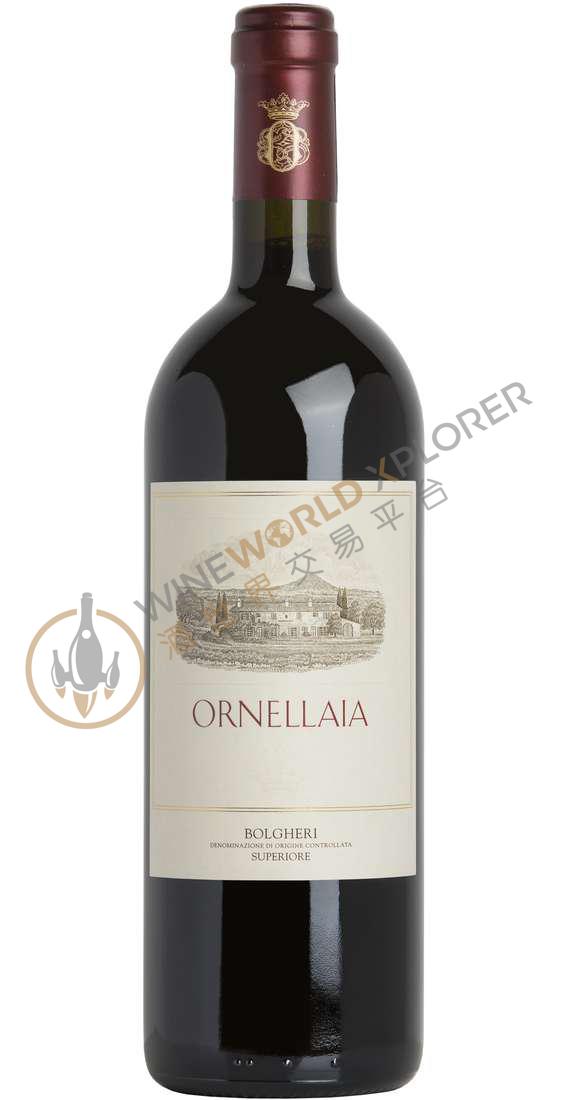
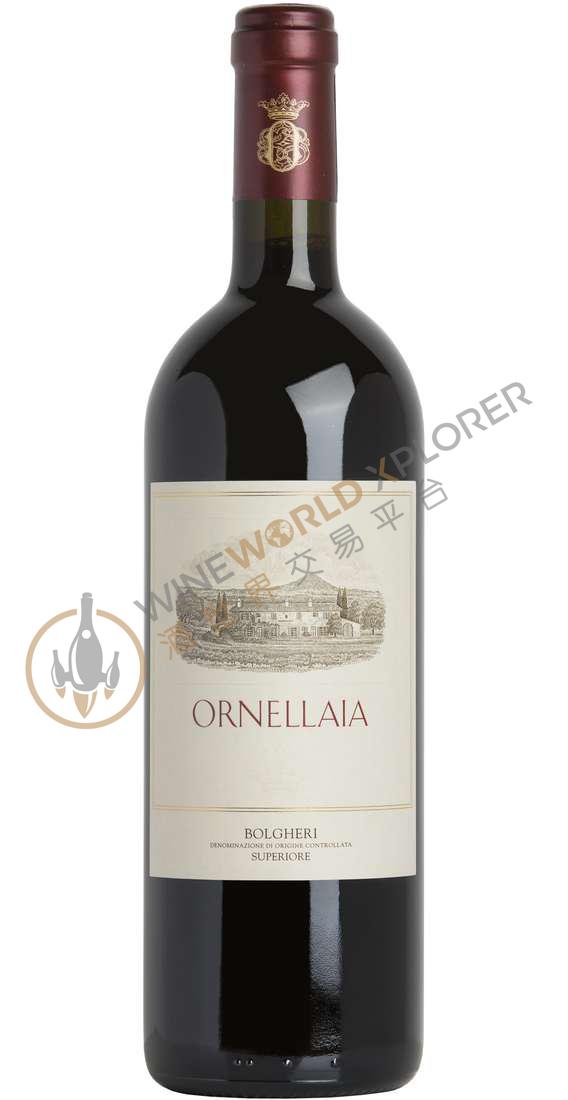
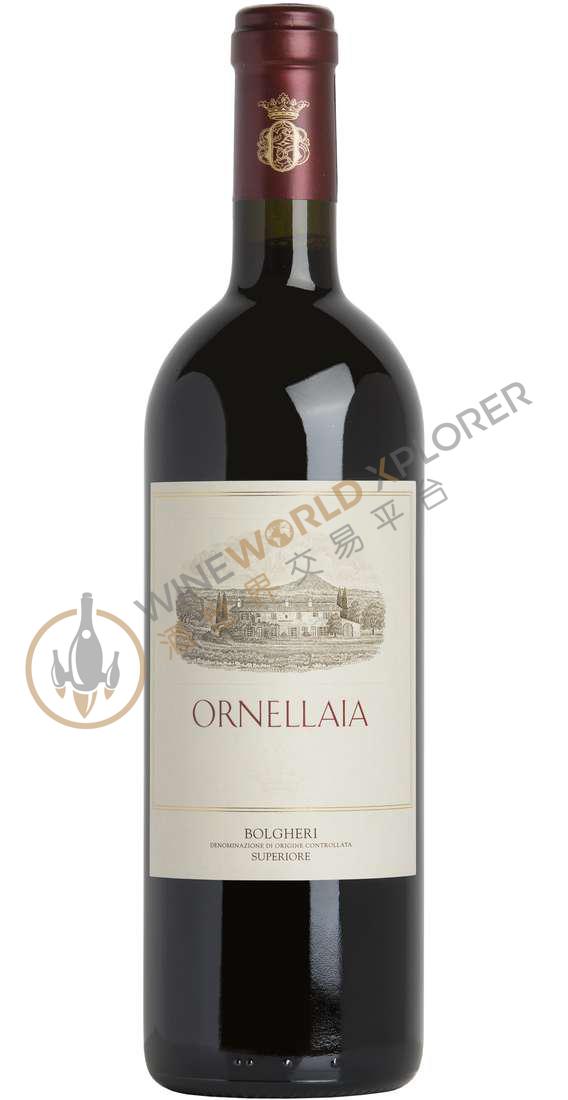
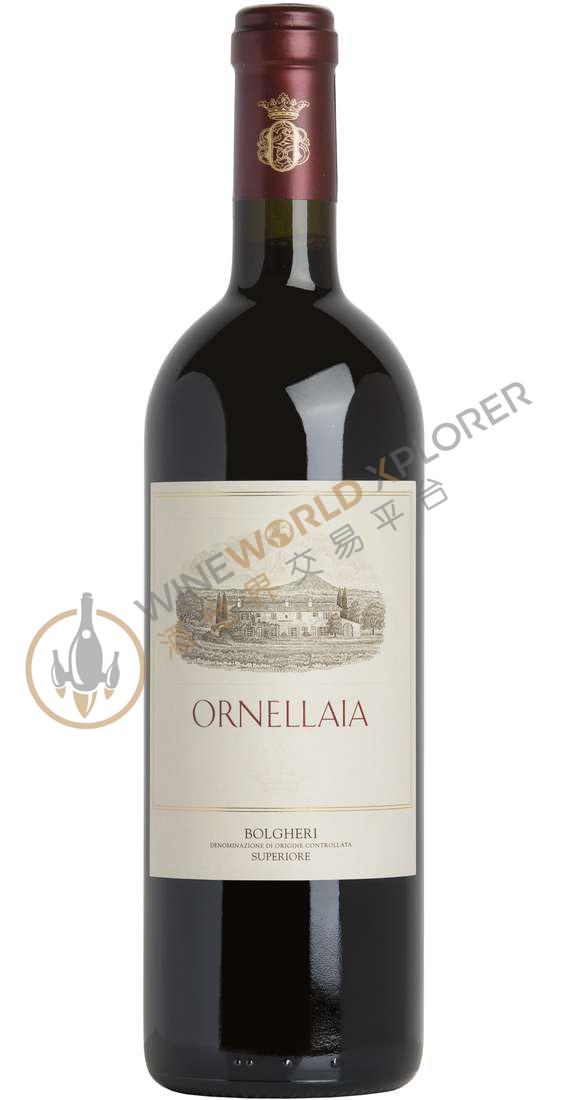
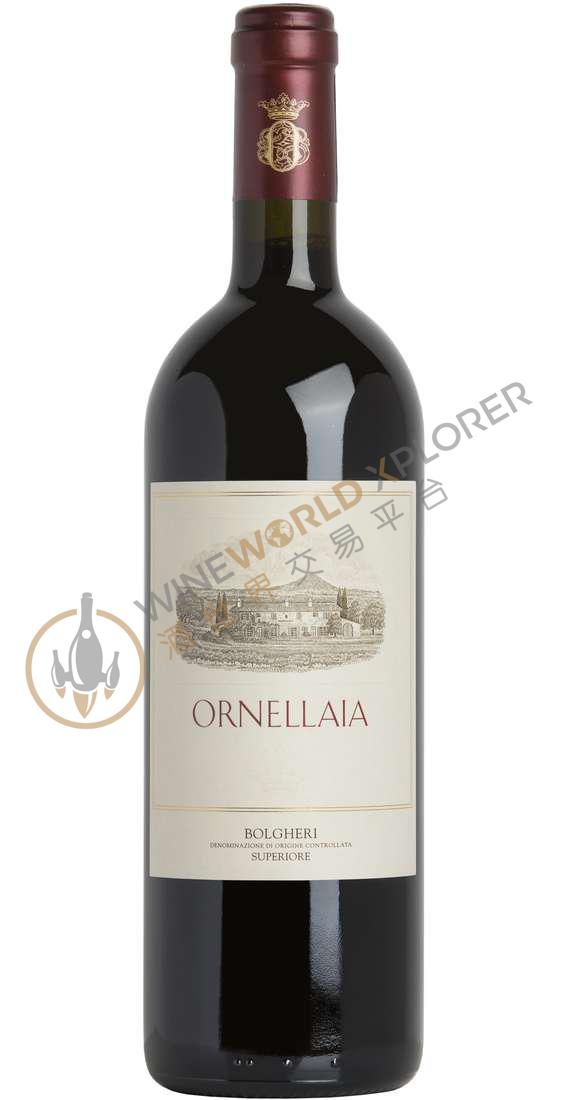
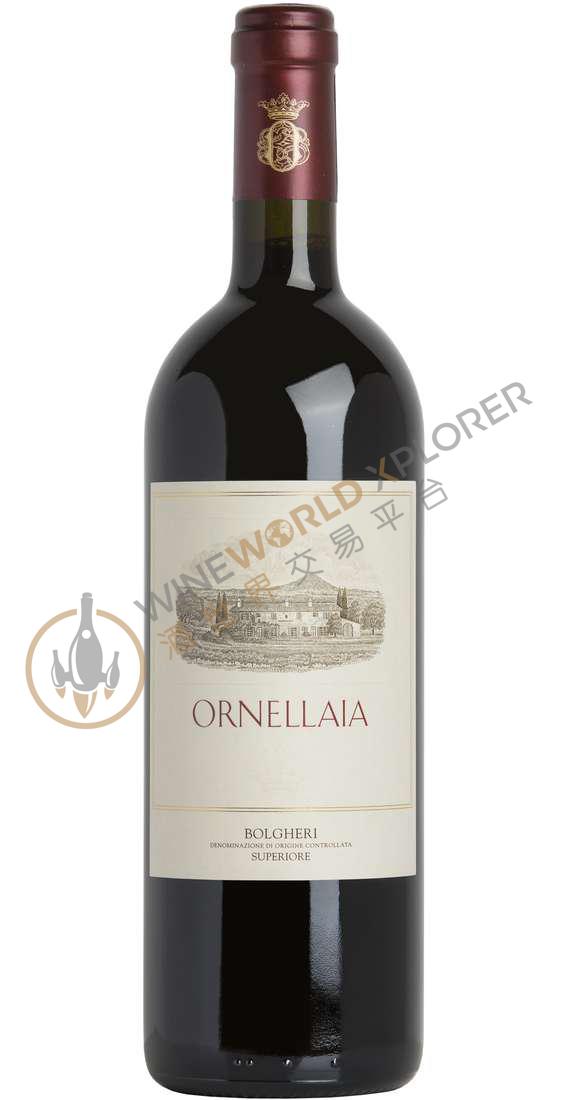
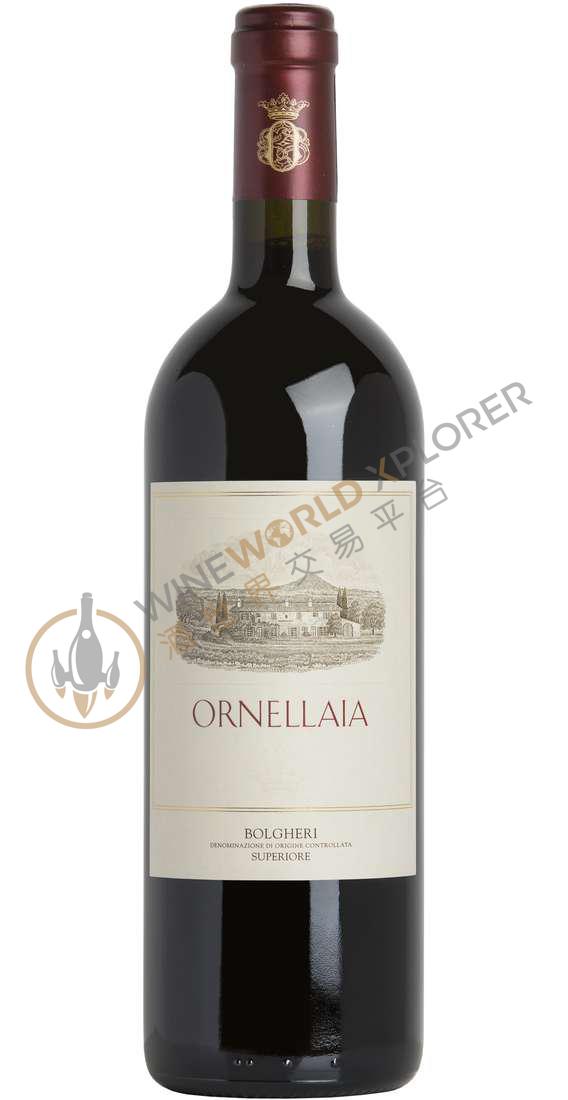
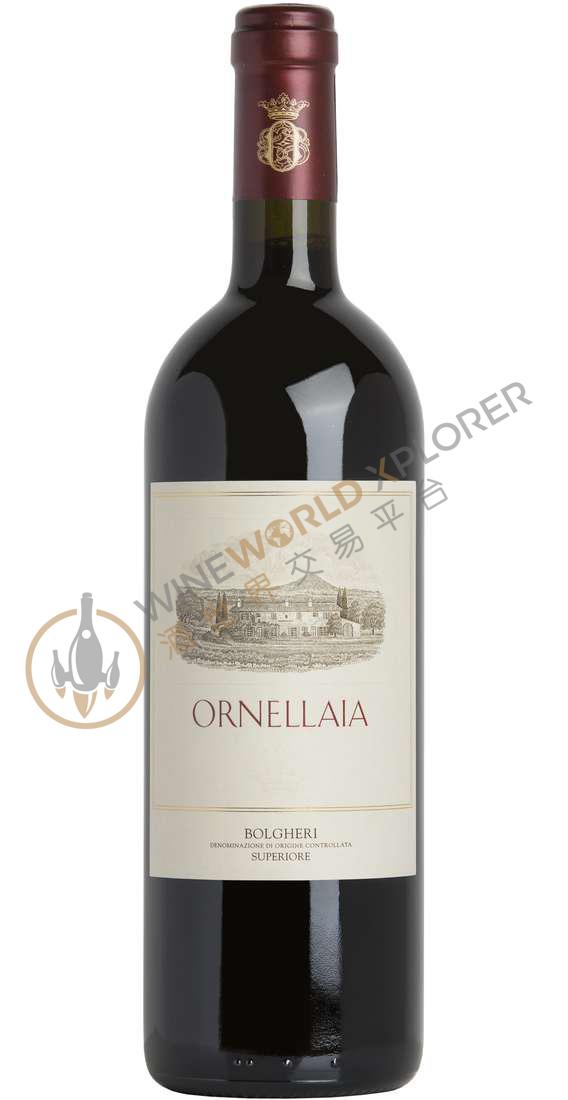
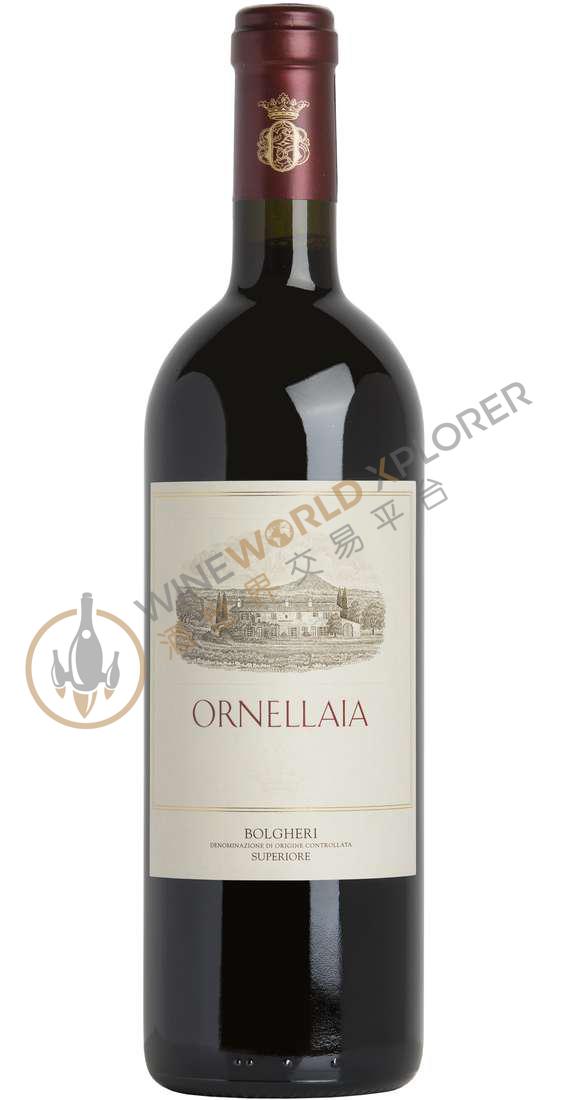
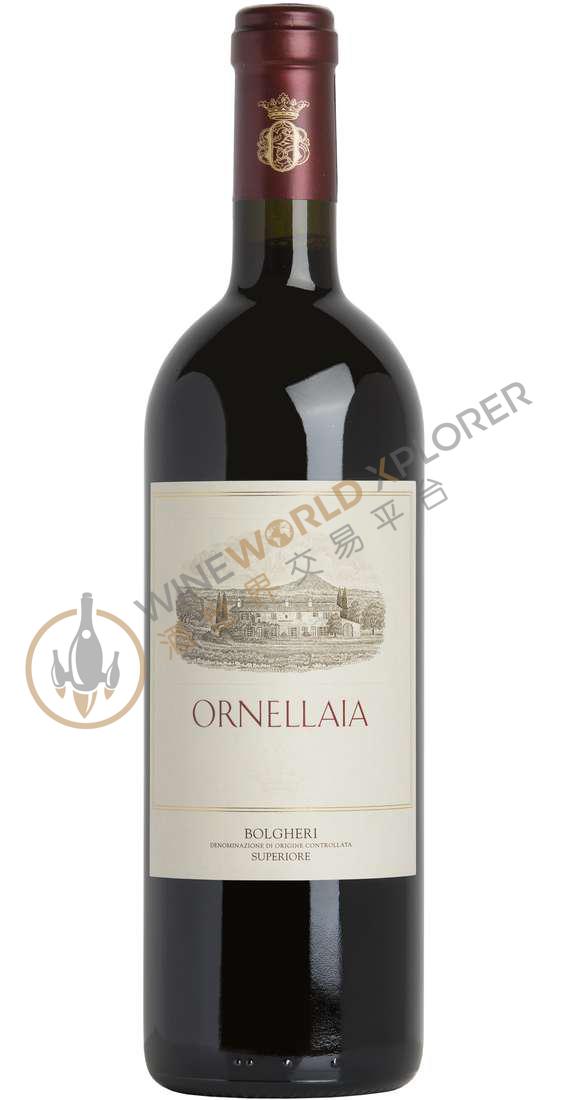
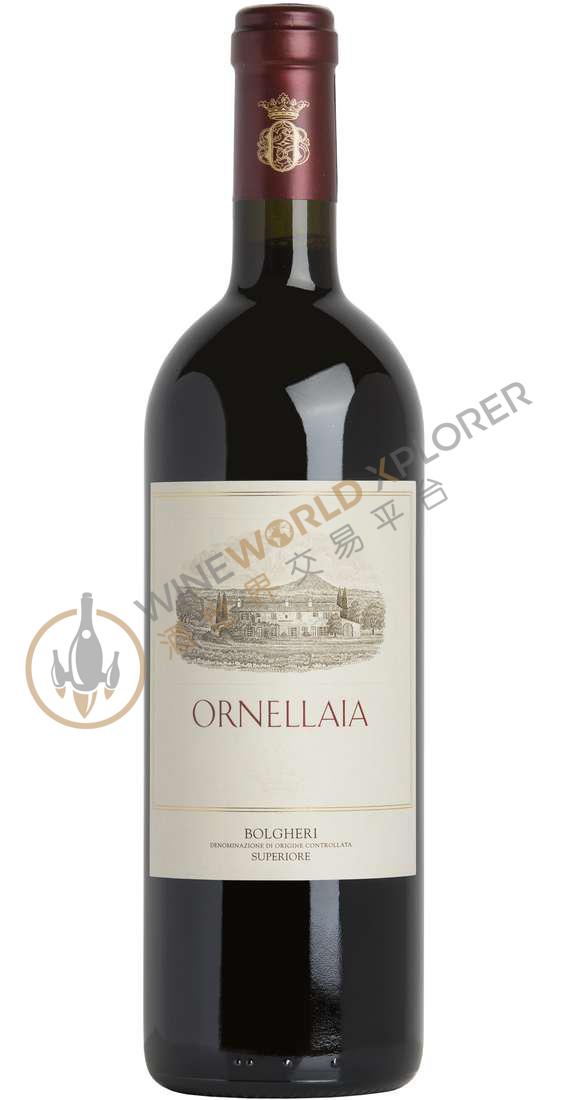
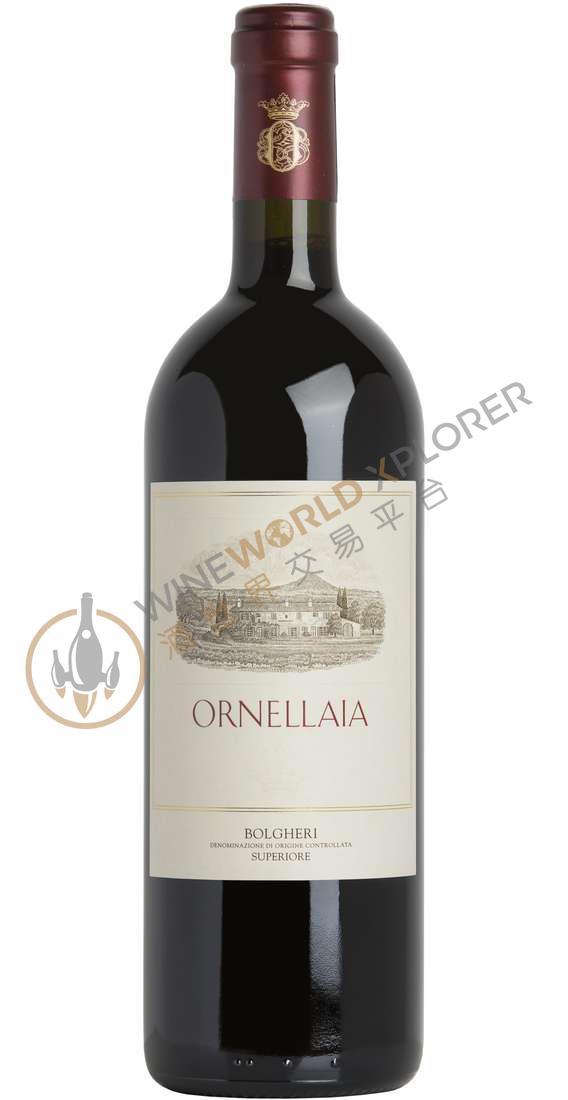
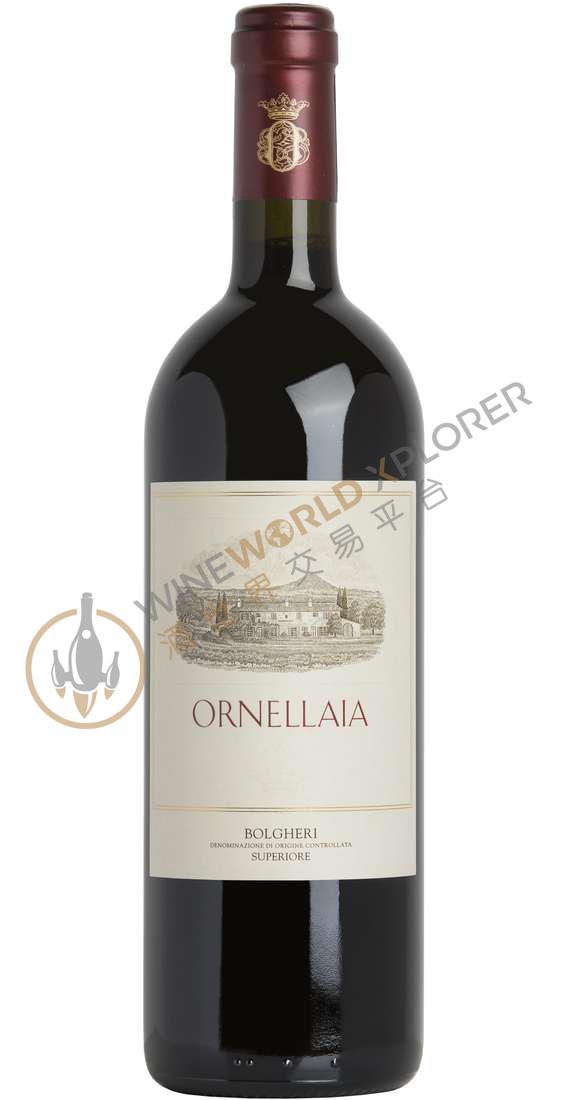
Ornellaia, Ornellaia Bolgheri Superiore 2023
 View analysis


Description
Tasting notes

Reviewed by: Monica Larner
The Ornellaia 2023 Bolgheri Superiore Ornellaia is a blend of 55% Cabernet Sauvignon, 26% Merlot, 12% Cabernet Franc and 7% Petit Verdot, and it is worth noting that Merlot remains present at nearly the same percentage as previous years, despite the greater challenges faced by early-ripening varieties in this mildew-prone vintage. Careful fruit selection made the difference. The wine shows impressive richness and concentration with a bouquet that leans botanical and complex, marked by dark fruit, Mediterranean thyme and rosemary. The nose was slightly closed when I tasted the wine, but it will open. The texture is velvety and polished, delivering beautiful richness with a sense of succulence that feels expansive on the palate. According to proprietor Lamberto Frescobaldi, the goal is to establish a clear through line focused on freshness and balancing fruit and spice while avoiding excess ripeness. This is a meticulously made Ornellaia that captures the vintage with remarkable elegance. The wine was bottled in July 2025 and is scheduled for release in March 2026.
About the Producer
Tenuta dell'Ornellaia (also known as Ornellaia) is located in one of the most beautiful natural locations in the Tuscany region of Italy, and the estate's priority is to produce wines of exceptional quality. The passion for wine, the dedication to quality and the unique terroir have created the highly acclaimed wines of Château Ornellaia, which have established the estate as one of the world's leading wineries. Located in the foothills of the Bolgheri region of Livorno, on the western edge of Tuscany, facing the Mediterranean Sea, Château d'Ornellaia is a unique wine estate. Thanks to its proximity to the sea, the cool sea breeze blows through the vineyards throughout the summer. The soil is predominantly alluvial and volcanic, and the unique terroir and microclimate create an excellent environment for the grapes to grow. There are two main vineyards: the original vineyard of Château d'Ornaya, where the winery is located, and the Bellaria vineyard, located directly east of the town of Paogli. Founded in 1981 by Lodovico Antinori, Château d'Ornaya began producing its first vintage in 1985, and in 1991 Michel Rolland became the winemaking consultant for Château d'Ornaya. In 2005, the Frescobaldi family bought all the remaining shares of Ornellaia and has been running it ever since. This brought Ornellaia back into the hands of the Italians. Since the foundations of Ornellaia were laid more than 20 years ago, the winery has had a vision that the Italian wines of the future would have to be created with a unique and new winemaking process, in search of great quality. To achieve this, the winery had to find a unique origin, get the timing right and have an optimal team. All of this is structured into a philosophy and has enabled Château d'Ornaya to unleash its unlimited potential. With its intelligent team and winemaking philosophy, as well as the inspiration of its "artists", each vintage is crafted into a masterpiece. Château d'Ornellaia is committed to following the laws of nature in the production of each vintage. The grapes are hand-picked when they reach full ripeness and then vinified individually according to the parcels in order to extract the unique and rare terroir brought about by the growing conditions. In addition, the team's dedication and hard work to achieve the winery's goal of producing excellent quality wines has resulted in bottle after bottle of excellent wines. The hand-harvested grapes were completely destemmed and then fermented, partly in wooden barrels and partly in stainless steel tanks. The wine then undergoes malolactic fermentation in oak barrels, 70% of which are new and 30% are old. The wine is then aged in temperature-controlled cellars for 18 months. Once the ageing period has reached 12 months, the winemaker blends the wine and allows it to age further. Château d'Ornaya's winemaking philosophy is based on the belief that wines must faithfully express the characteristics of the terroir. This adherence to this unique terroir is also firmly embedded in all aspects and processes of wine making, such as limiting yields to ensure the highest quality, paying attention to every detail and insisting on hand-selected harvesting and small batch fermentation and ageing.
1986(1)1987(1)1990(1)1995(4)1996(4)1997(1)1998(1)1999(1)2000(3)2001(2)2003(1)2004(5)2006(1)2007(10)2008(4)2009(6)2010(7)2011(4)2012(6)2013(6)2014(3)2015(12)2016(3)2017(27)2018(15)2019(10)2020(15)2021(13)2022(16)
Package Size
1 x 1.5L