
 Wine Advisor



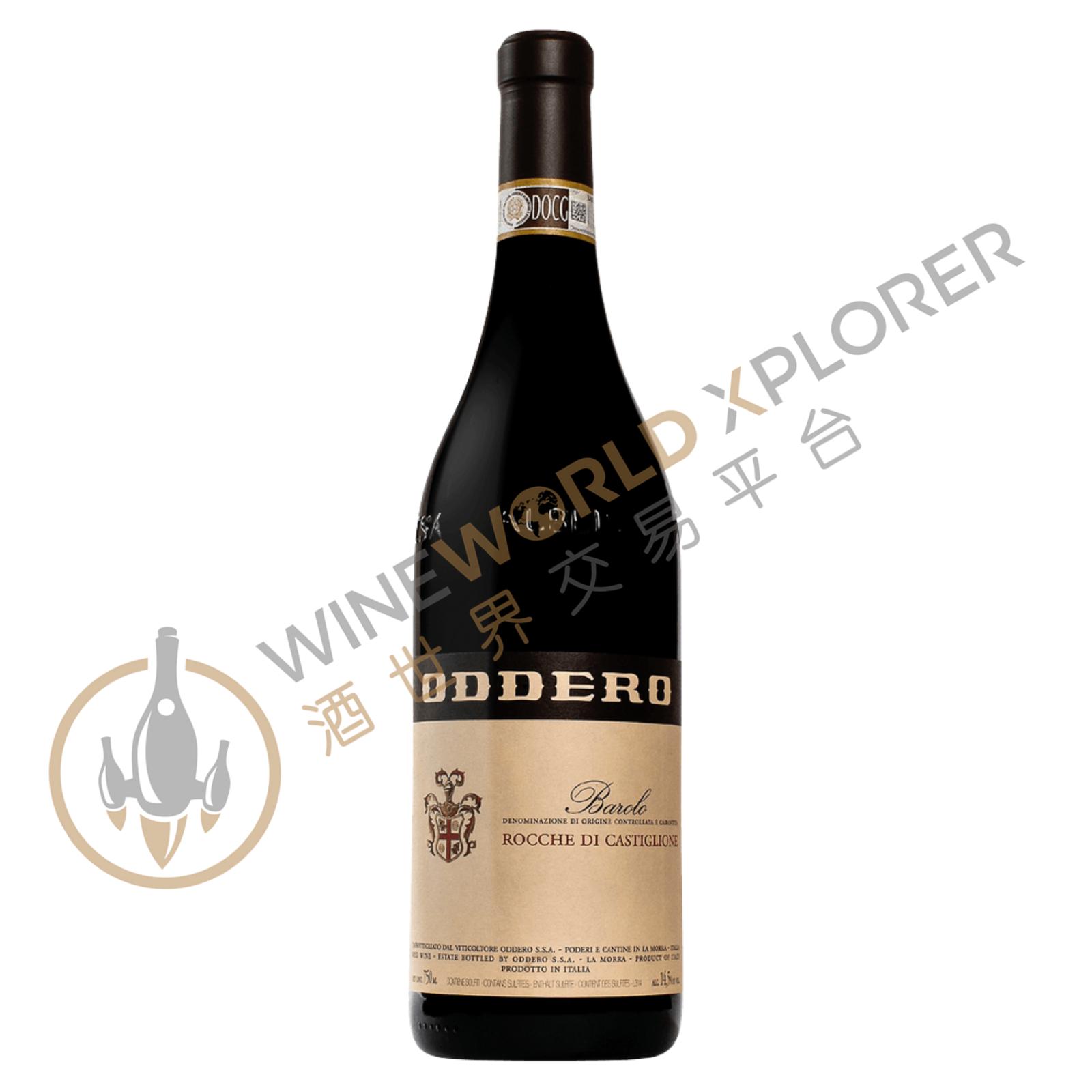
Oddero, Barolo Rocche di Castiglione 2017
 View analysis


Description
Tasting notes

Reviewed by: Monica Larner
This is an unexpected knockout from the underdog 2017 vintage. Drawing its fruit from old vines in the magnificent village of Castiglione Falletto, the Oddero 2017 Barolo Rocche di Castiglione is perfumed and delicate in a manner that is quite unusual for this challenging and hot vintage. The bouquet is gracefully shaped by delicate aromas of blue flower and dried lilac, and you are presented with limestone or mineral aromas as well. This is one of those wines that demonstrates its complexity with a busy embroidery or interwoven assemble of little aromatic details and embellishments. I just love the way this wine interprets this vintage with those super long-lasting, almost salty notes on the close.
Reviewed by: Antonio Galloni
The 2017 Barolo Rocche di Castiglione is a beautiful wine that captures the natural intensity of the year while maintaining the style of the site. Silky aromatic and wonderfully nuanced the 2017 Rocche di Castiglione has so much to offer. Lavender, rose petal, spice and kirsch are some of the notes that meld together in this open-knit, inviting Barolo from Oddero.
Reviewed by: James Suckling
This is a tannic and very muscular young Barolo, yet the tannins are fine and focused. It’s rather traditional in nature. Medium-to full-bodied with firm, linear tannins. Very long and persistent. Drink after 2025.
About the Producer
Poderi e Cantine Oddero is a historical brand among Barolo producers. The winery’s roots go back to the end of the 18th century when our ancestors began to make wine under their own name. The wine cellars, located in the frazione Santa Maria of La Morra, are raised up on a natural terrace and overlook the hills of the Langhe. Immersed in a sea of beautifully tended vineyards, our winery cultivates 35 hectares of the best cru of the Langhe and Asti territories to make some of Piedmont’s most renownwines: Barolo, Barbaresco, Langhe Nebbiolo, Dolcetto d’Alba, Barbera d’Alba, Barbera d’Asti, and Moscato. Traditional knowledge and modern production techniques. Tenacity, patience, and respect for our territory and its raw materials. Making wine means attending to every last detail, from winter to spring pruning, from thinning to harvest, from pressing to fermentation and a long aging time. Quality reveals itself in the details.
