Wine Advisor



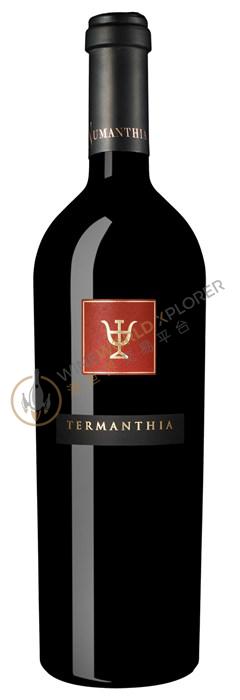



















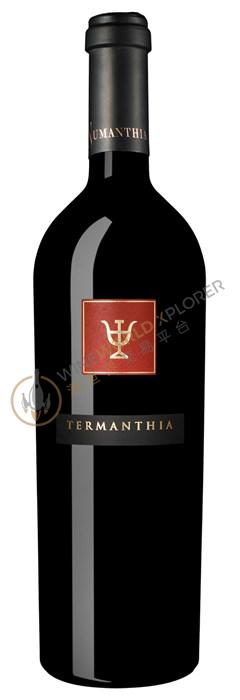
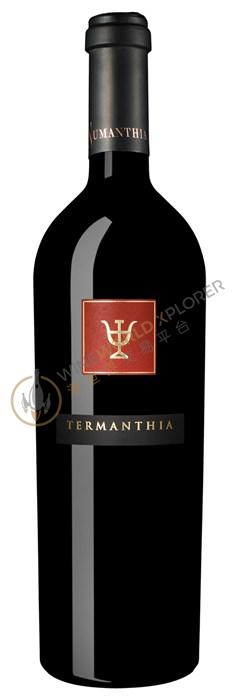
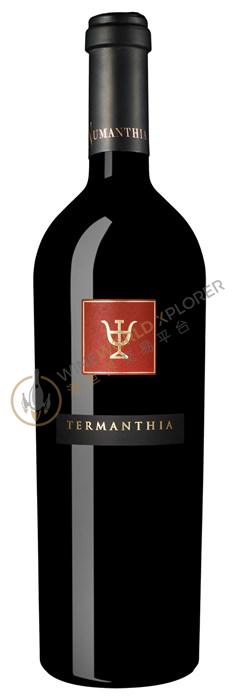
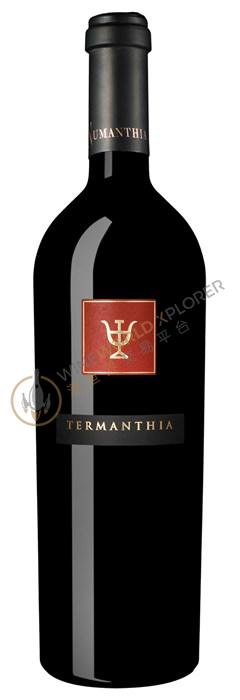
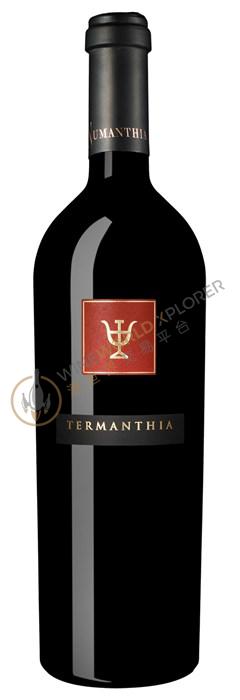
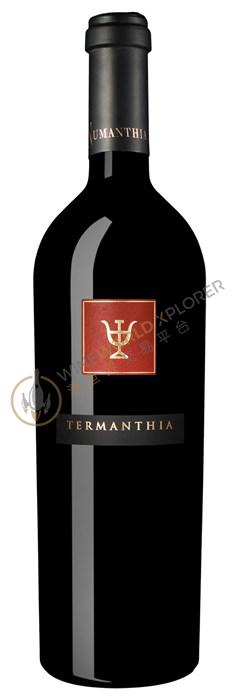
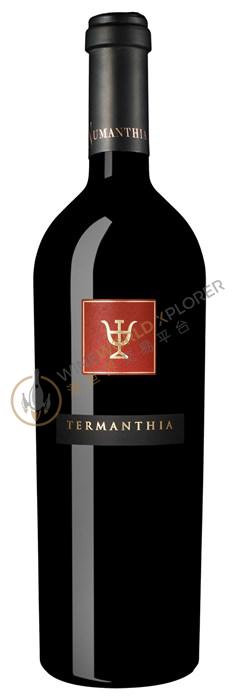
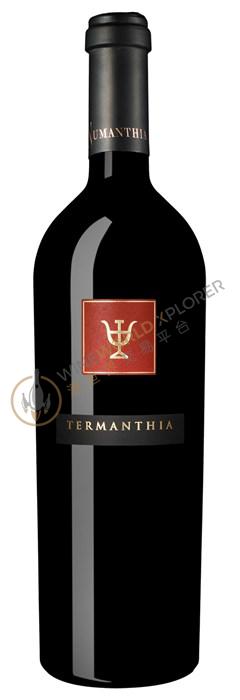
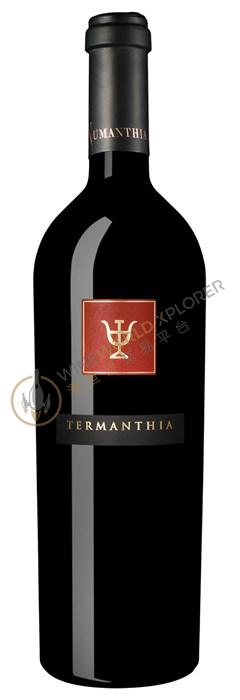
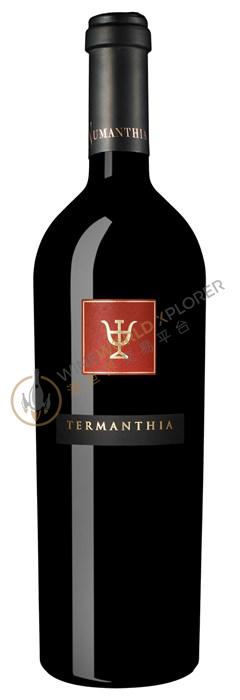
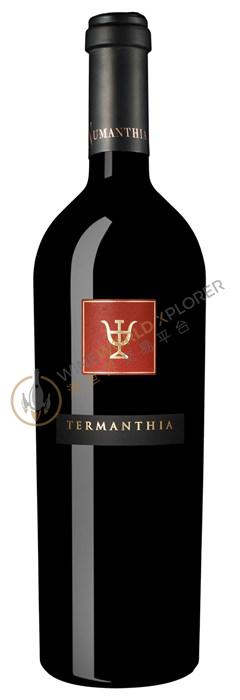
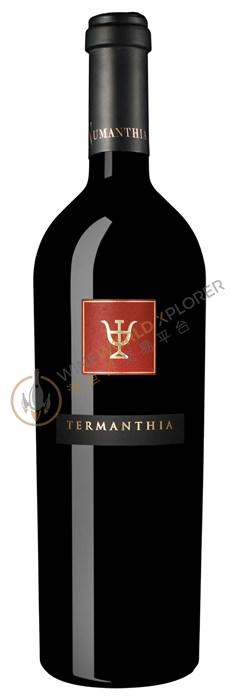
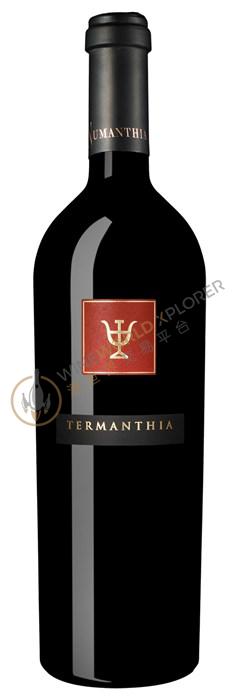
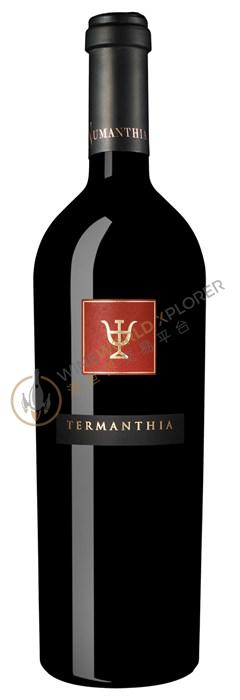
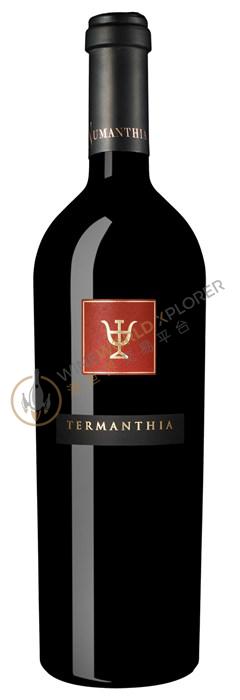
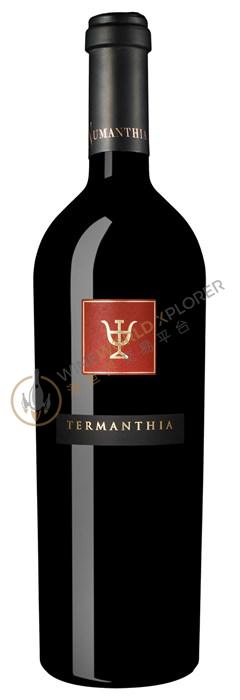
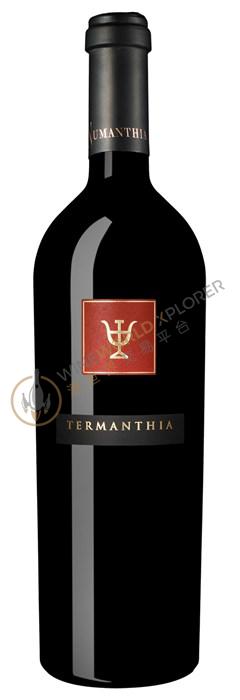
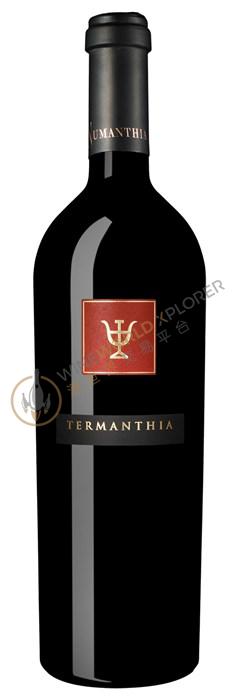
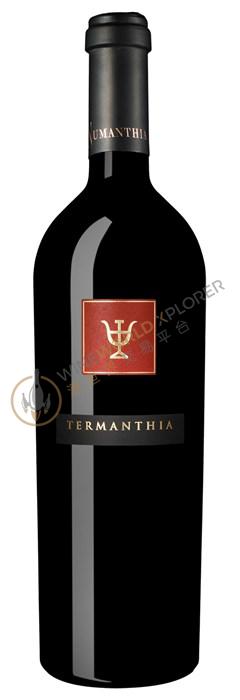
Numanthia, Termanthia 2008
 View analysis


Description
Tasting notes

Reviewed by: Jay S Miller
The 2008 Termanthia is a glass-coating opaque purple color. It reveals an already complex bouquet, rich, ripe fruit with underlying structure, and a more forward personality than is found in a great year such as 2004. This loaded effort will benefit from 6-8 years of cellaring and will offer a drinking window extending from 2017 to 2033. The new releases of Numanthia-Termes are outstanding. Importer: LVMH; www.lvmh.com
Reviewed by: Neal Martin
The 2008 Termanthia has better precision on the nose compared to the 2007, with more minerality coming through, and lifted black cherries entwined with lavender and incense. The palate is medium-bodied with supple tannins, offering slightly honey red cherry fruit with dark plum and a hint of mulberry and creme de cassis. It is very well-balanced, although there is still some oak to be subsumed towards the finish. Drink 2017-2030. Tell me, did you automatically skip directly here before perusing the rest of this report? Naughty you. But it would not surprise me, since it was this address that brought Toro global attention, and so a visit to Numanthia Termes was a priority. I only need adumbrate the history of the estate. Named after an ancient Spanish city said to have resisted Roman invasion for 20 years, Numanthia was founded by the Eguren family in 1998 in Valdefinjas. Its wines enjoyed overnight critical acclaim, including in this very publication, and it was the catalyst for other winemakers to exploit Toro and recreate their success. The source of quality was derived from an exceptional parcel that included 120-year-old un-grafted vines that had resisted phylloxera with the resilience of those ancient Spanish soldiers. A new winery was constructed in 2007, but in February 2008 it was announced that the estate had been sold to LVMH. Winemaker Marcos Eguren agreed to stay on for two more vintages before he moved on to establish his own winery close by (see “Teso la Monja”). Taking the winemaking reins, Manuel Lazueda has overseen recent vintages, and he kindly not only showed recent releases from Numanthia, but conducted a complete vertical of Termanthia from the maiden vintage. Naturally, there has been speculation how I would find these wines, which come cloaked in 200% new oak. You would presume they are an anathema to what I believe constitutes a great wine. You have to trust me when I say that I tasted without prejudice and without being influenced by previous scores or remarks. There is no question that Lazueda is a talented, perspicacious and passionate winemaker and is overseeing what LVMH themselves describe as a “luxury brand,” according to their website, one said to be purchased for a cool $25 million. That ineluctably creates expectation from every quarter – consumers, investors, collectors, shareholders and yes, critics. I admired both vintages of Numanthia – a statement that might surprise those who incorrectly assume that my so-called “classical” palate does not appreciate modern styles of winemaking. Furthermore, I believe that it offers great value for money considering the cache of the name. Now for a vertical of Termanthia from the debut vintage, and perhaps here we begin courting controversy. In a nutshell, tasting through every vintage from the maiden 2000, I was rather underwhelmed by the first few vintages but found more to admire in later releases. I asked Lazueda what changes he felt there have been over the years. He replied that since 2004, though tannins have increased, they have become smoother, and in a vintage such as 2009, he waited one or two more days to obtain sweeter tannins. Of course, we had a long discussion on the oak regime of 200% new Taransaud oak. When pressed, he told me that they have trialed batches at 100% new oak, but that for now they will continue the present modus operandi. He proposed that despite the level of new oak, that it does not impinge upon the personality of the wine. We will have to agree to disagree on that point. When I enquired why they used particular cooperages, he explained what each imparted, at which point I highlighted the contradiction that the oak did not alter the character of Termanthia. It does. It has to. Given that the subject is a precious parcel of ancient Tinto de Toro vines, would terroir be expressed with greater clarity with less dependence upon new oak? Or should we consider 200% new oak to be an intrinsic part of its terroir? Your answer to those questions will dictate your appreciation of Termanthia, at least from a philosophical standpoint. Consider Pablo Alvarez’s comments as to the reason why he does not mature Pintia for over 12 months. However, what I would say is that I admired these wines far more that I suspect many would predict. Doubtless those whose interest does not extend beyond scores will interpret my scores as an unforgivable attack on one of Toro’s icons, a criminal downgrading. The truth is, I consider Termanthia to be one of the region’s finest wines, even if my criteria for what constitutes a “perfect” wine might be more stringent than others. I consider it to be one of the top two or three Toro wines alongside Alabaster from Teso la Monja, Pintia and the San Roman from Bodegas Maurodos. However, perhaps with reconsideration of the oak regi, it could well become the greatest, but that is their decision to make and not mine. I merely express an opinion, but one that I feel is not mine alone. Importer: LVMH; www.lvmh.com
About the Producer
Bodega Numanthia is an estate in the Toro region of northwest Spain, making three high-end red wines wines solely from the Tinta de Toro grape (aka Tempranillo). It is credited with playing a key role bringing the region into the international spotlight. The vines are distributed across numerous small plots on dry soils on either side of the Duero around the town of Toro. Bodega Numanthia estate vineyards cover 83 hectares (205 acres), although the winery sources from a total of 200 hectares (490 acres) across the region. The climate is continental with hot, dry days and cool nights. Most of the vines are at least 50 years old, with several parcels even older again, on ungrafted rootstocks. Numanthia's top wine, Termanthia, is regularly made from a single five-hectare (11-acre) parcel of 120-year-old vines. The grapes are crushed by foot, fermented in oak vats and the wine is aged in what is sometimes refered to as 200 percent new French oak (after an initial period in new oak, the wine is racked into another, unused new oak barrel). Numanthia's standard wine has 18 months aging in French oak barriques while Termes, the entry-level label, is made from younger vines (generally still over 30 years old) and aged in mainly seasoned and some new French oak. The estate was founded in 1998 by the Eguren family and US-based Spanish wine importer Jorge Ordoñez when there were only seven estates in the region. It has been owned by LVMH since 2008. Through its wine group, Sierra Cantabria, the Eguren family later established the Toro-based Teso la Monja range.