
 Wine Advisor



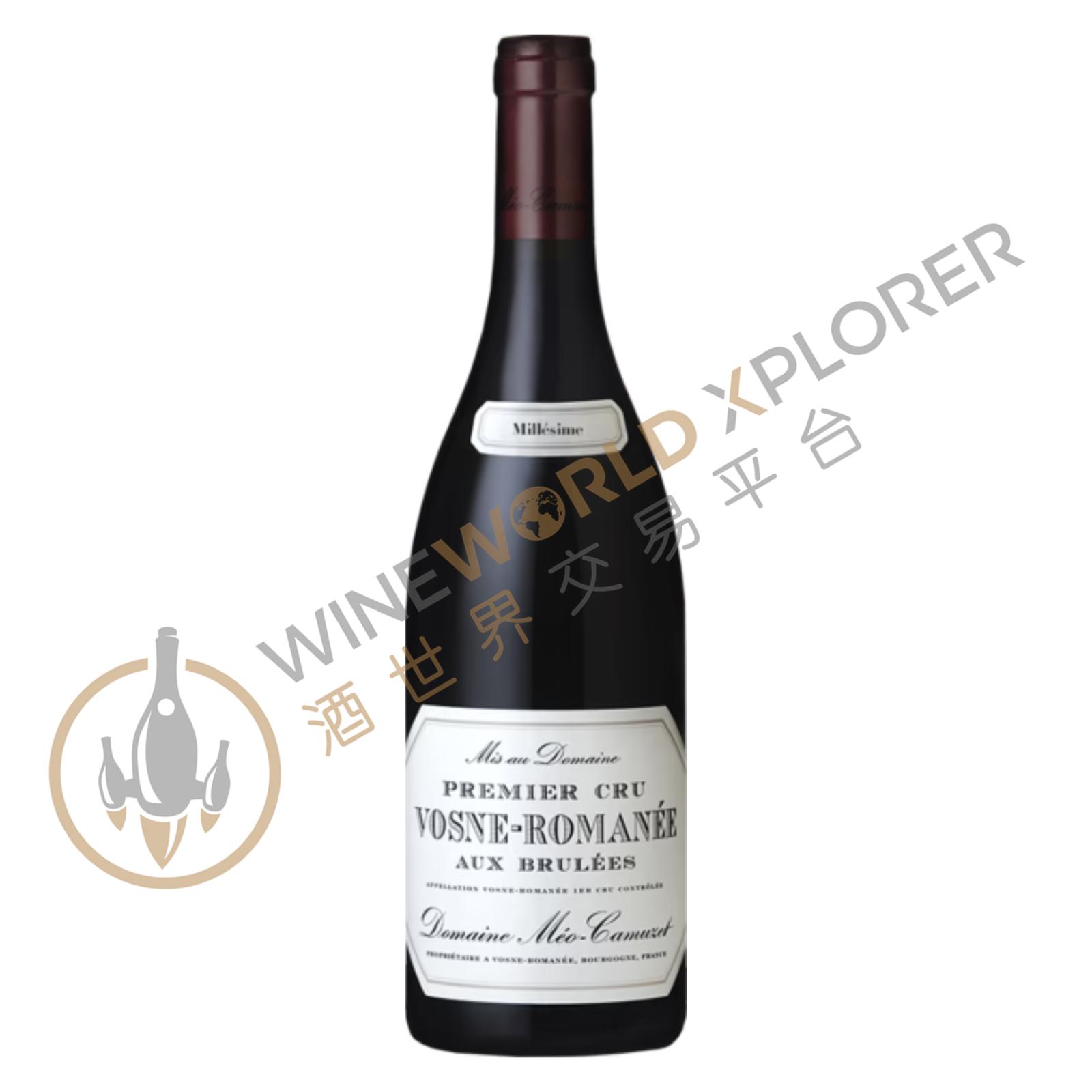
Meo Camuzet, Vosne Romanee 1er Cru Aux Brulees 2005
 View analysis


Description
Tasting notes

Reviewed by: David Schildknecht
The 2005 Vosne-Romanee Les Brulees has the polish, refinement, creaminess of texture and charm that the Parantoux lacked. Sweet black raspberry, nut paste, and butter-creme dominate in the nose and mouth, and the counterpoint of faintly caramelized fruit, toasted nuts, and grilled meat with diverse mineral expressions and juicy freshness of black raspberry and pomegranate is captivating. This long, polished wine should be given 8-10 years of development by which time a direct comparison with the presently more austere and high-strung Parantoux should be a rare treat. Between the effects of drought and of localized hail (in May, before it could effect quality) Jean-Nicolas Meo reported one of his smallest-ever harvests. His production, however, is being boosted these days by a range of negociant wines under the label “Meo-Camuzet Frere et Soeur” (marked “F&S” in the listing above). The top wines had been assembled in tank and sulfured in preparation for bottling, and were suffering a bit on account of this. Importer: Kermit Lynch Wine Merchant, Berkeley, CA; tel. (510) 524-1524. Also a Jean-Marie de Champs Selection (various importers), French fax 011 33 3 80 22 58 25.
Reviewed by: Neal Martin
The 2005 Vosne-Romanée Aux Brûlées 1er Cru has a very fragrant bouquet, red and black fruit, sous-bois, light sandalwood scents, beautifully defined and gaining intensity with aeration. Quite a woody undercurrent becomes apparent with time in the glass. The palate is quite structured, again, the barrel aging imparting a veil of wood that at the moment still slightly occludes the obviously attractive, allspice-tinged dark berry fruit underneath. Give this another couple of years. Tasted at the Méo-Camuzet dinner at Arbor in Hong Kong.
About the Producer
Founded in the early 20th Century by Etie, Méo-Camuzet is one of the figureheads of Vosne-Romanée as well as an old family of the village. Back in 1920, founder Etienne Camuzet acquired 3 hectares of the house's flagship Clos Vougeot as well as the Château itself before donating it to the Confrérie des Chevaliers du Tastevin. After WWII, the estate came to the management of Jean Méo who had agreements with vintners managing the vineyards and making the wines, the most famous of which was Henri Jayer. In 1983, the estate started to bottle some of its fruits under its own label and the sharecropping agreements eventually came to an end in 1988 when Jean-Nicolas Méo took over the management of the 17.2-hectare property. The meticulous work in the vineyard involves bud pruning in spring, careful trellising to ensure an optimal leaf exposure to sunlight as well as aeration of the bunches and green harvest may be performed if necessary. After harvest bunches are de-stemmed before a 3-5 days cold maceration prior to fermentation. The wines are then matured in oak barrels for 15 to 18 months before bottling. The winemaking aims at preserving the fruit purity to craft smoothly grained, profound wines with complex aromatics and silky textures. In order to ensure the quality acquired in the vineyard and revealed in the cellar is bottled unspoilt, the wines are not filtered. Jean-Nicolas Méo is also involved in a négociant activity which sources and vinifies grapes from vineyards managed by the estate before bottling them under the "Frère & Soeur" label. The attention to detail in the vineyards and the winery is the same as for the estate and allows the family to produce a wider range of appellation in lesser-known Côte de Nuits villages such as Marsannay or Fixin offering a great entry point to the wines of the domaine. Since 2011, this superb portfolio now comprises the first ever Grand Cru white produced by Méo-Camuzet: a Corton-Charlemagne.
