Wine Advisor



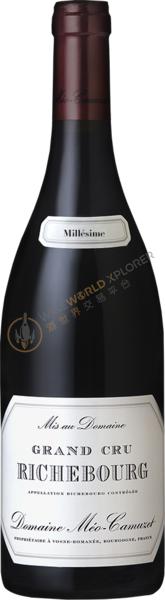
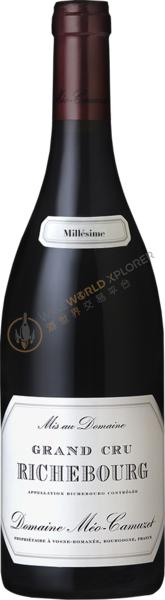
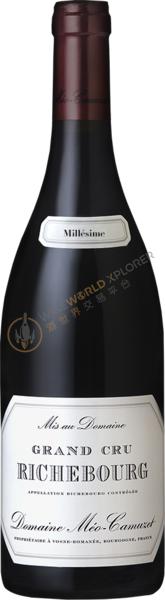
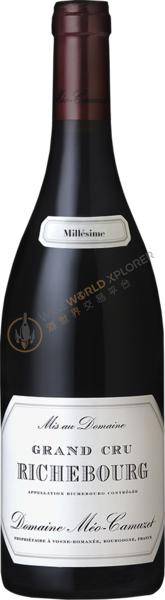
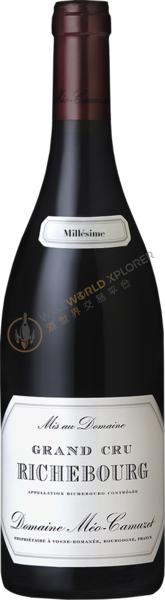
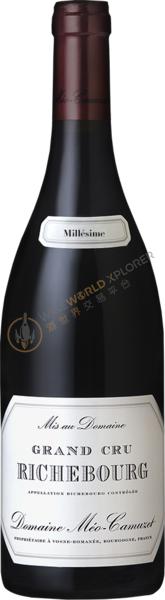
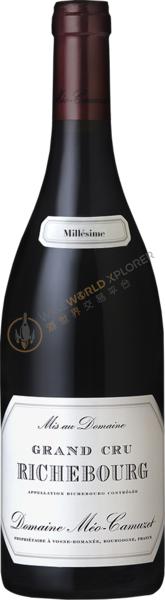
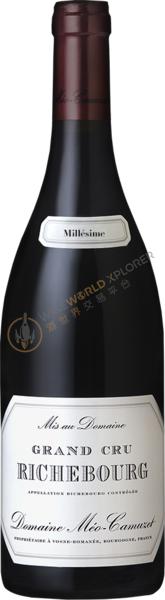
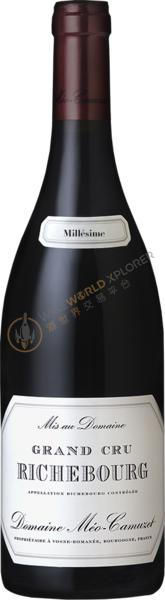
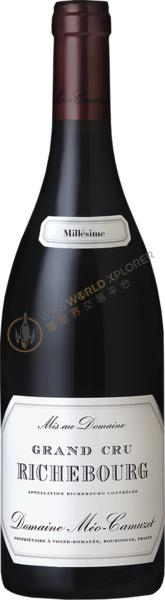
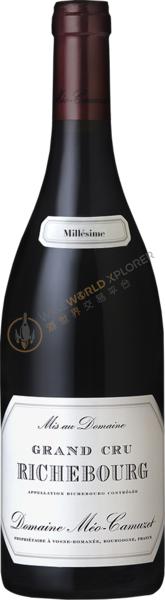
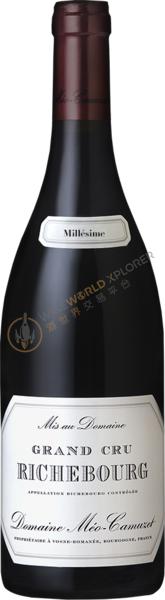
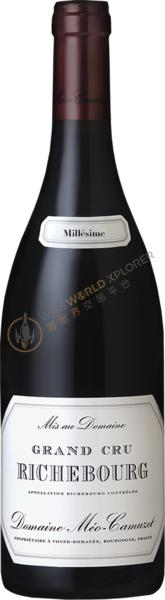
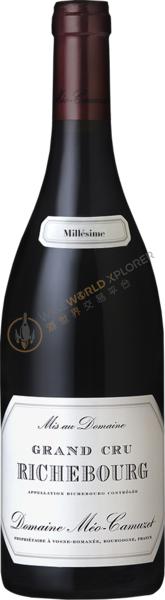
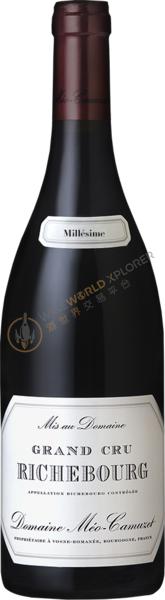
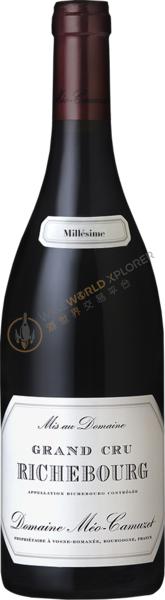
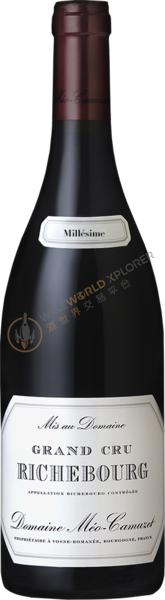
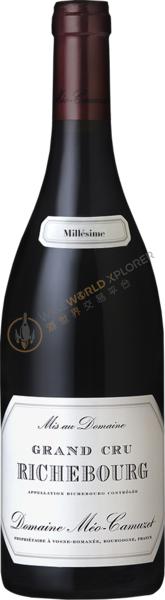
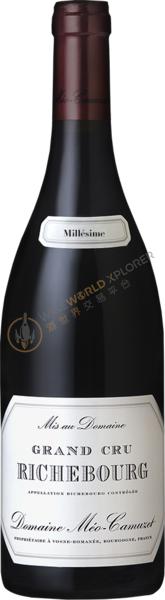
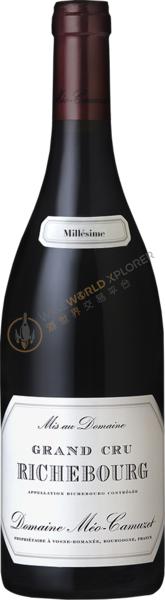
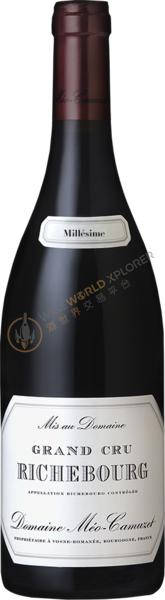
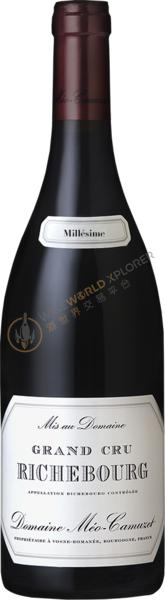
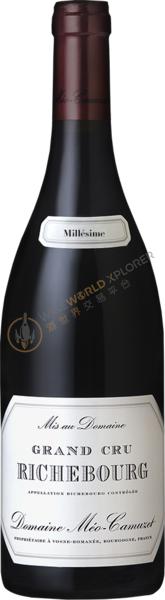
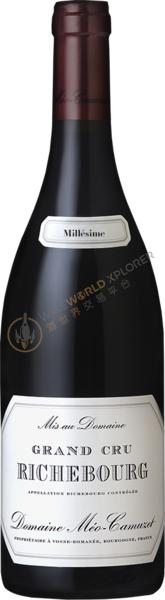
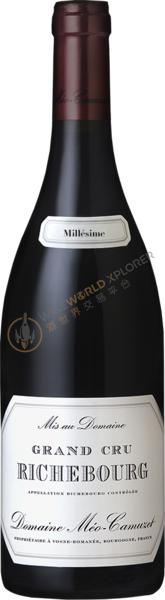
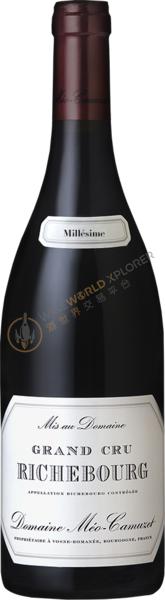
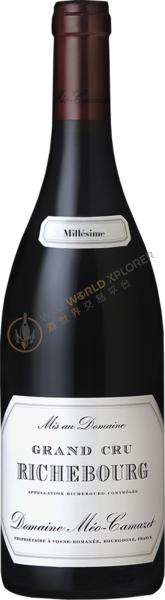
Meo Camuzet, Richebourg Grand Cru 2008
 View analysis


Description
Tasting notes

Reviewed by: David Schildknecht
Meo-Camuzet’s 2008 Richebourg strikes me as their most obviously tannic wine of the vintage, despite the confitured intensity and plush richness of its black fruits. The effect of wood – whether or not this includes amplification of tannin – comes out here in a flattering way via a maple syrup-like amalgam of resin and caramel. Sweet, decadent floral perfume; brown spices; and crushed stone add palate interest, though the staining concentration of this wine’s finish is at least as yet somewhat undifferentiated and accompanied by gum-numbing intensity of tannin. When racked, this was “explosive” reports Meo, and the metaphor of a bomb sunk into the earth and topped with sandbags does strike me as potentially useful for a Pinot grand cru I would not want to touch for 5-7 years and which seems built to last for more than twice that long. Jean-Nicolas Meo emphasized the contrast between the low pHs of his 2008s (typical, of course, for this vintage in general) and the high pHs of 2007, which ironically – since the latter were given a higher dosage of sulfur as a precaution against undesirable bacteriological activity – led, he reported, to 2007s that showed a harder side initially than many of the corresponding 2008s. Given the high acids of 2008, says Meo, he preferred to let the fruit hang longer – even despite some shriveling – so that few of the musts were chaptalized and most were 13% or higher in natural alcohol. Typical for this address, the wines display admirable, even unusually strong sweetness of fruit, but in 2008 accompanied by prominent tannins and notes of new wood. Meo compares his 2008s with 2001 and 1996, opining that his wines from those two vintages have for the most part – in contrast with many 1993s – evolved nicely and without exhibiting excessive stiffness or hardness. I caught some 2008s in bottle and others from tank just before bottling, and the several 2007s I tasted alongside showed well, although Meo – in contrast with most growers – thinks his 2008 fruit was superior even in sheer ripeness. (Negociant wines – some from parcels the Meos in fact farm – are noted as “Frere et Soeur.”) Importer: Kermit Lynch Wine Merchant, Berkeley, CA; tel. (510) 524-1524. Also a Jean-Marie de Champs Selection (various importers), French fax 011 33 3 80 22 58 25
About the Producer
Founded in the early 20th Century by Etie, Méo-Camuzet is one of the figureheads of Vosne-Romanée as well as an old family of the village. Back in 1920, founder Etienne Camuzet acquired 3 hectares of the house's flagship Clos Vougeot as well as the Château itself before donating it to the Confrérie des Chevaliers du Tastevin. After WWII, the estate came to the management of Jean Méo who had agreements with vintners managing the vineyards and making the wines, the most famous of which was Henri Jayer. In 1983, the estate started to bottle some of its fruits under its own label and the sharecropping agreements eventually came to an end in 1988 when Jean-Nicolas Méo took over the management of the 17.2-hectare property. The meticulous work in the vineyard involves bud pruning in spring, careful trellising to ensure an optimal leaf exposure to sunlight as well as aeration of the bunches and green harvest may be performed if necessary. After harvest bunches are de-stemmed before a 3-5 days cold maceration prior to fermentation. The wines are then matured in oak barrels for 15 to 18 months before bottling. The winemaking aims at preserving the fruit purity to craft smoothly grained, profound wines with complex aromatics and silky textures. In order to ensure the quality acquired in the vineyard and revealed in the cellar is bottled unspoilt, the wines are not filtered. Jean-Nicolas Méo is also involved in a négociant activity which sources and vinifies grapes from vineyards managed by the estate before bottling them under the "Frère & Soeur" label. The attention to detail in the vineyards and the winery is the same as for the estate and allows the family to produce a wider range of appellation in lesser-known Côte de Nuits villages such as Marsannay or Fixin offering a great entry point to the wines of the domaine. Since 2011, this superb portfolio now comprises the first ever Grand Cru white produced by Méo-Camuzet: a Corton-Charlemagne.
1990(1)1993(1)1995(1)1997(2)1998(3)1999(2)2000(1)2001(1)2002(1)2003(1)2004(1)2005(1)2006(1)2007(2)
Package Size