Wine Advisor



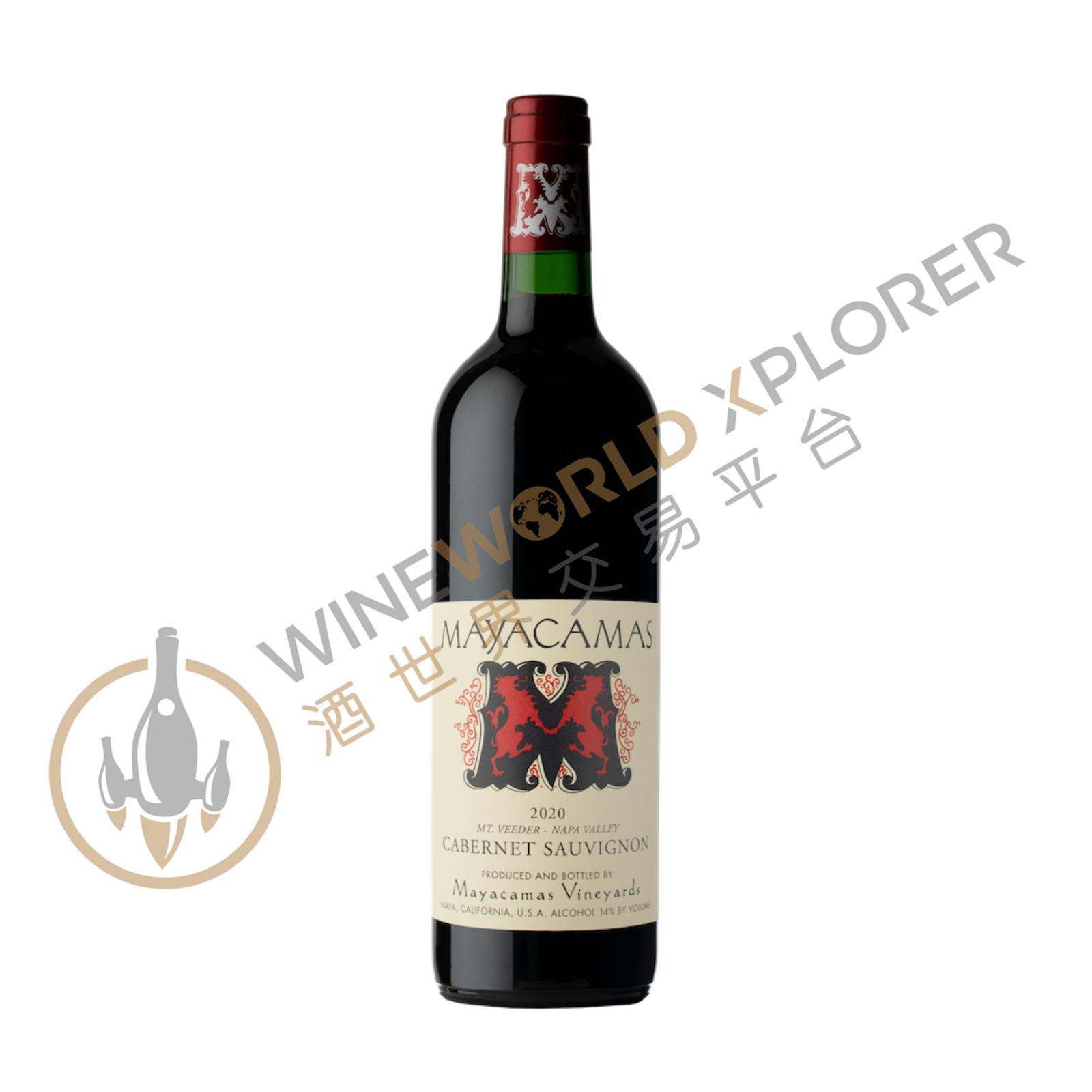
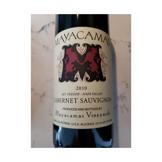
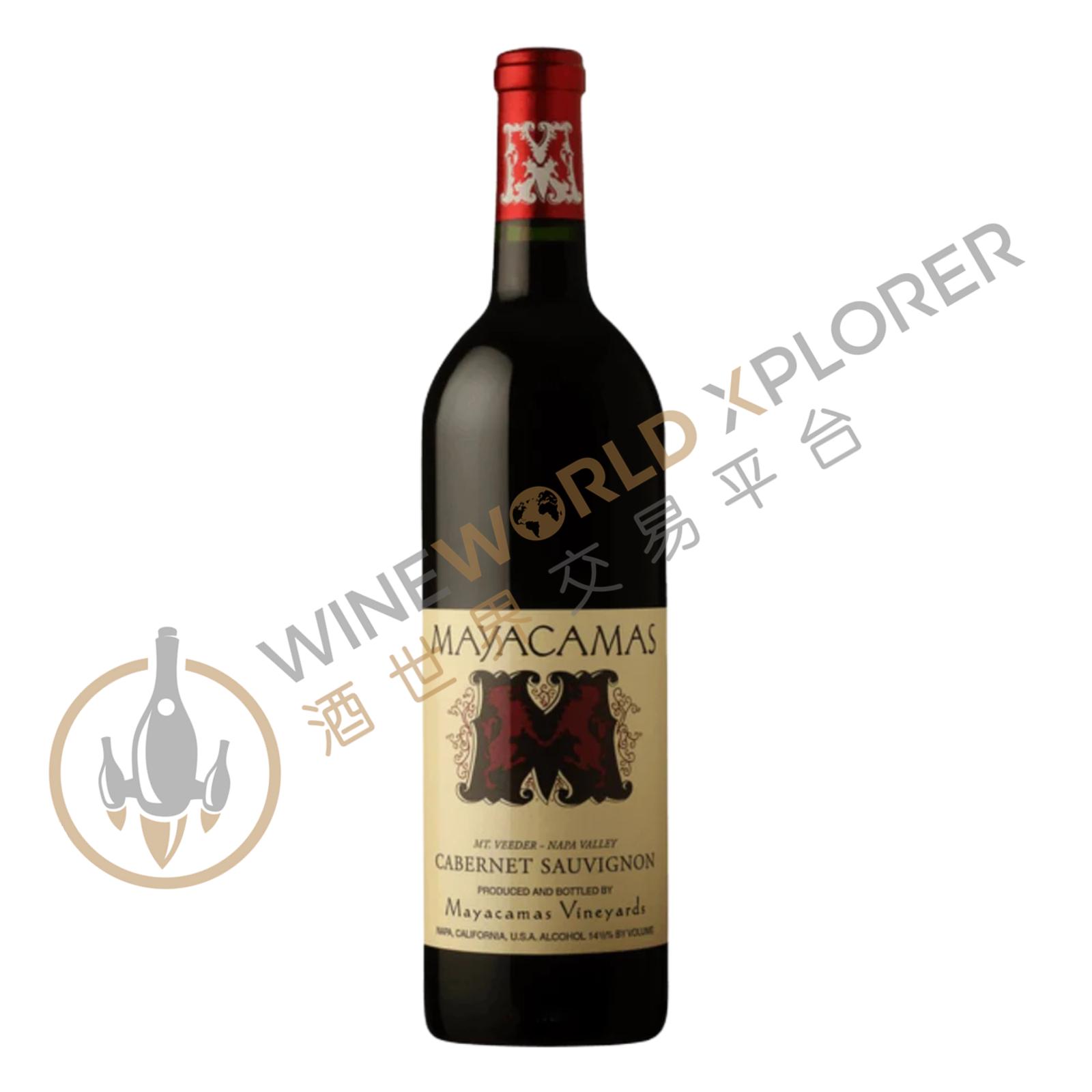
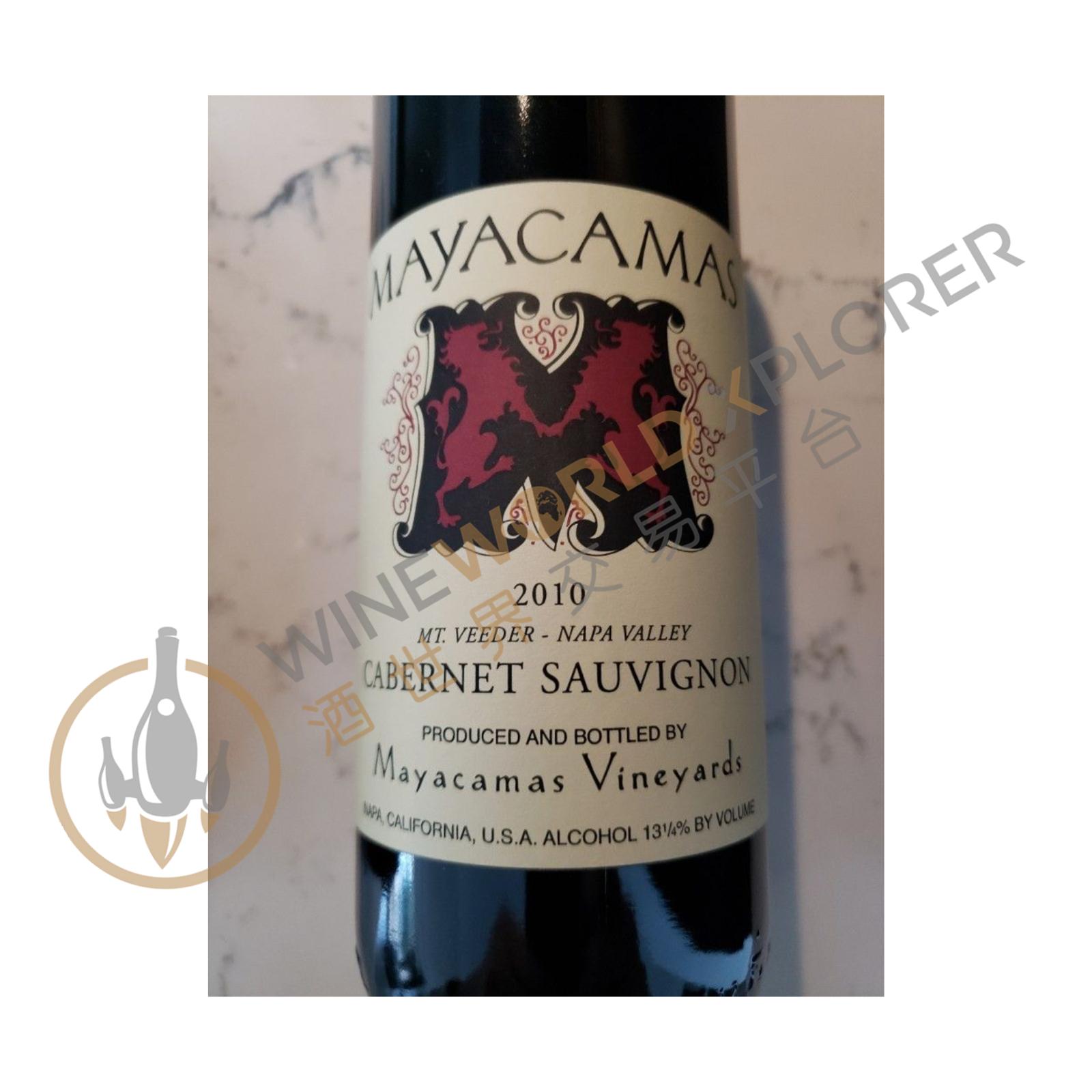
Mayacamas, Cabernet Sauvignon 2021
 View analysis


Description
Tasting notes

Reviewed by: Joe Czerwinski
Cherries, cranberries and hints of mocha and earth mark the nose of the 2021 Cabernet Sauvignon. It's a polite, restrained wine, smooth and silky in texture, medium- to full-bodied, with a streamlined shape on the palate that tapers into a long, elegant finish. True to the winery's historic style, it's not a big, in-your-face Napa Cab but one that prioritizes balance, elegance and refined, fine-grained tannins, with minimal oak impact. It's 100% Cabernet Sauvignon, aged in a mix of foudres, puncheons and smaller barrels, all previously used.
Reviewed by: Antonio Galloni
The 2021 Cabernet Sauvignon, tasted from barrel, is shaping up to be a jewel of a wine. I can't help but notice how incredibly refined it is, especially in its tannin profile. Graphite, dried herbs, lavender, menthol, licorice, mocha and incense all run through this beautifully delineated, potent Cabernet Sauvignon. I tasted the 2021 from a blend of six separate component blends.
About the Producer
1889 John Henry Fisher purchased this remote mountain property in 1889 and built the winery we still use today. He constructed the winery and nearby distillery with stones gathered from the property, planted Zinfandel vines and named the estate Fisher & Sons. He sold his wine by the barrel, sending the casks down the treacherous mountain trails to the Napa River by horse-drawn carriage and ferrying them by barge to San Francisco. The great earthquake and fire of 1906 forced Fisher’s San Francisco businesses into bankruptcy and his Mount Veeder estate was sold at auction for $5,000 on the steps of the Napa Courthouse. 1941 Jack and Mary Taylor purchased the land in 1941 and re-christened the estate Mayacamas Vineyards. This visionary couple created the wine label and classic iconography we still use today. In addition to these lasting contributions in the realm of marketing, the vineyards and cellar bear the mark of meaningful progress throughout Taylor era. The winemaking infrastructure in use today is largely due to their efforts. Throughout the 1950s, the Taylors erected a more modern fermentation room and expanded our inventory of large oak casks, setting the stage for the qualitative improvements of the ensuing years. Without question the most lasting legacy of the Taylor era came in the vineyards, where Jack planted the first Chardonnay and Cabernet Sauvignon vines on the property. 1968 In 1968, ownership of Mayacamas transferred to Bob and Eleanor Travers. At just 30 years old, Bob already possessed an unwavering commitment to traditional winemaking from his apprenticeship at Heitz Cellars. The quality of Mayacamas wines under Travers was recognized almost immediately as his 1971 vintage was selected for the famed Judgment of Paris tasting. Held in 1976, this international event conferred legitimacy on the quality of California winemaking. Bob’s approach of employing traditional methods consistently over 45 vintages—spanning six decades—resulted in a singular winemaking style as integral to the Mayacamas legend as any chapter in its history.