
 Wine Advisor




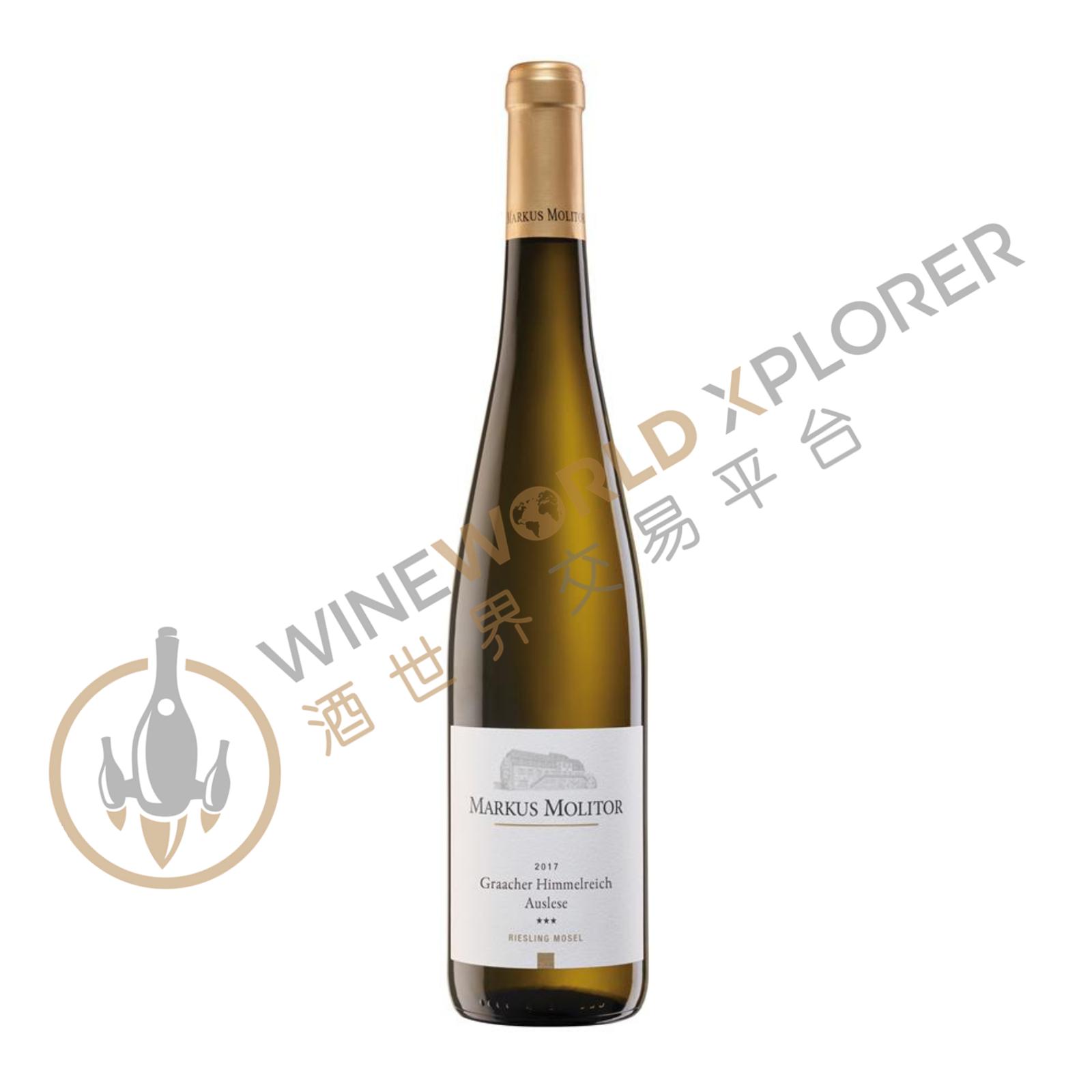
Markus Molitor, Graacher Himmelreich Riesling Auslese 3* Goldkapsel 2016
 View analysis


Description
About the Producer
"It is his unique combination of innovation, craftmanship and tradition that characterizes his work. [...] For us, he is THE Riesling-Ambassador, who makes a lasting impression on German wine." (Meininger Award laudation, Ilka Lindemann) In the mid 80`s Markus Molitor took over the winery from my father as the eight generation Molitor. He wanted to return the estates´ wines to the golden age of Riesling from the Mosel with wines that are extremely representative of their terroir and can be aged for a long time. Markus Molitor's maxim: Uncompromisingly meticulous, manual work in the vineyards and cellar, and respect to the grapes and the wine. Each individual Molitor wine - whether white or red; dry, off-dry or sweet; with or without Prädikat – reflects the potential of its vineyard and vintage. Each is as singular, authentic and expressive as possible. This presupposes strict selection, precise handwork and calculated scrutiny of each individual berry. So it is no surprise that the grapes are harvested manually in multiple passes by experienced staff and then subjected to further selection in the cellar, all under the watchful eyes of Markus Molitor. Because only scrupulous separation of each different ripeness level and further separation of individual berries, leads to the highest qualities – as illustrated by a uniquely three decade-long series of Beerenauslesen and Trockenbeerenauslesen. Molitor wines are literally rooted in their slate soils. Deliberately sensitive and restrained vineyard management, low yields and late harvest of physiologically ripe grapes make for a matchless wealth of flavour extracts. Their vineyards are located from Brauneberg to Traben-Trarbach and since 2001 also in the Saar valley. The variety of slate soils and micro-climates allows them to vinify numerous facets of Mosel wines. As it has been for centuries, the wines are spontaneously fermented and matured in large oak casks, with no fining, no enzymes, no cultured yeast, nor any other correctives. The old three-story deep cellar is carved into the slate rocks of the hillside and provides an optimal, consistently cool and humid climate. Here, their wines can ferment extremely slowly and as nature dictates. After fermentation, their wines age on the lees for months to gain mellowness and body. Good things take time. That’s especially true of wines. Regardless of their vintage, they require a certain time to show their distinctive balance, extract-richness and structure.
