Wine Advisor



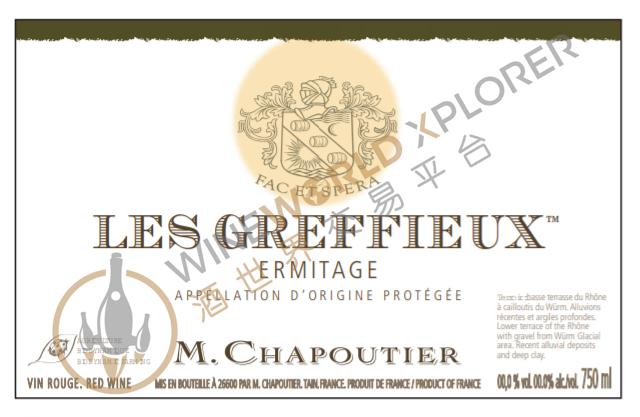
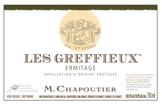
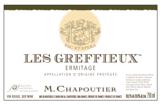
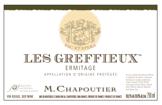
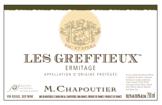
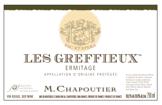
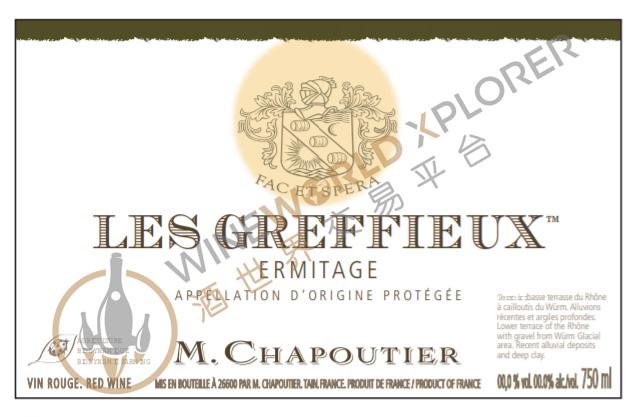
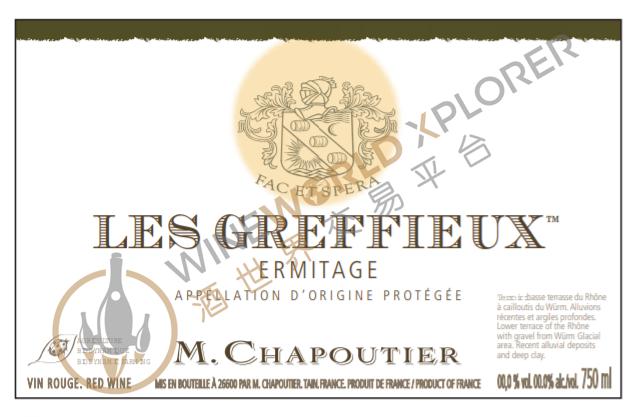
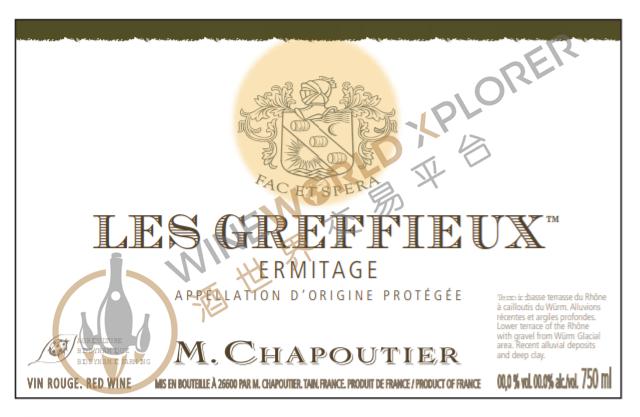
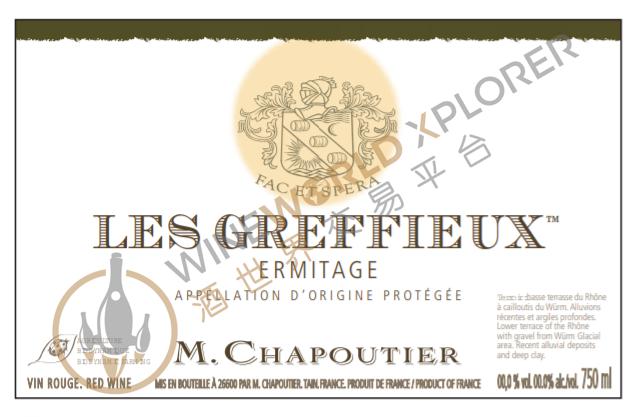
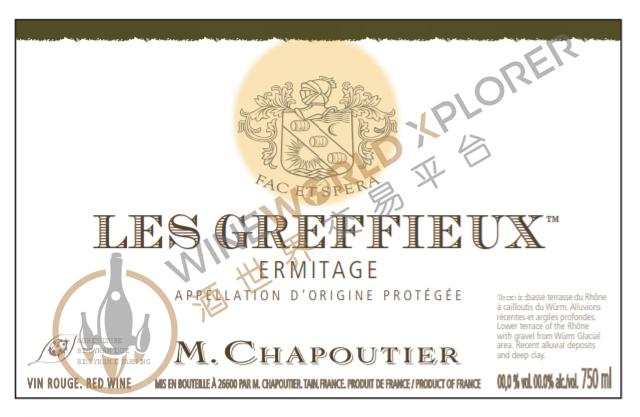
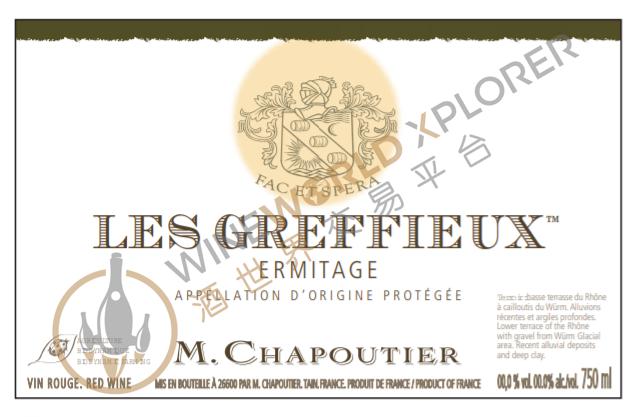
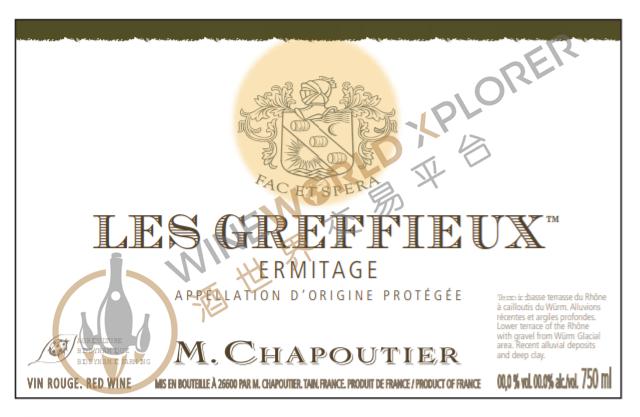
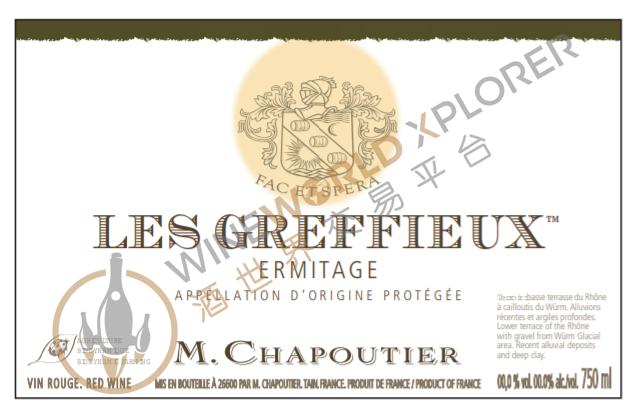
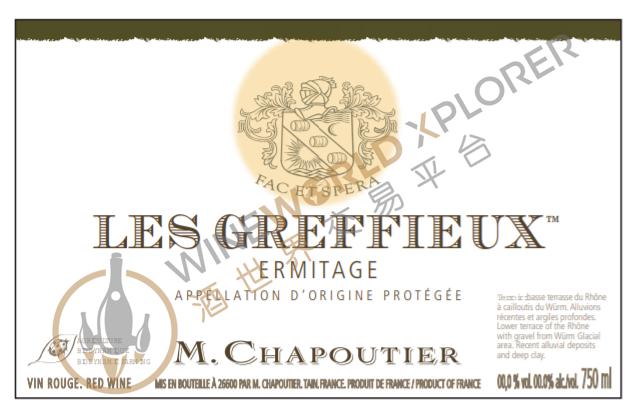
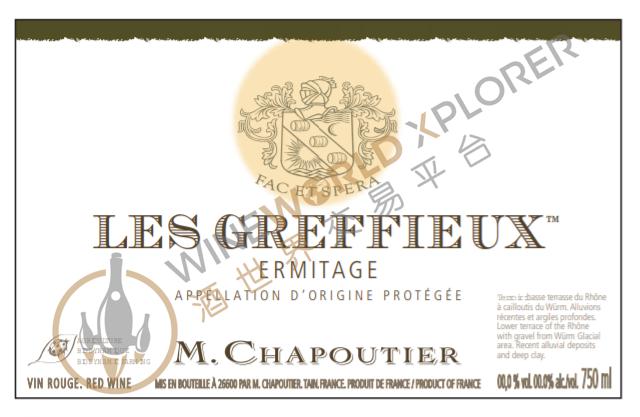
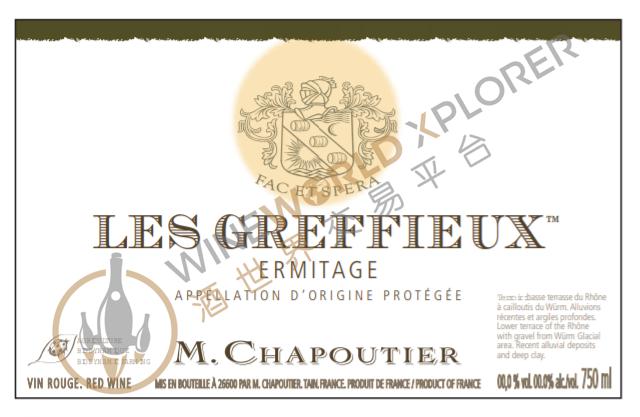
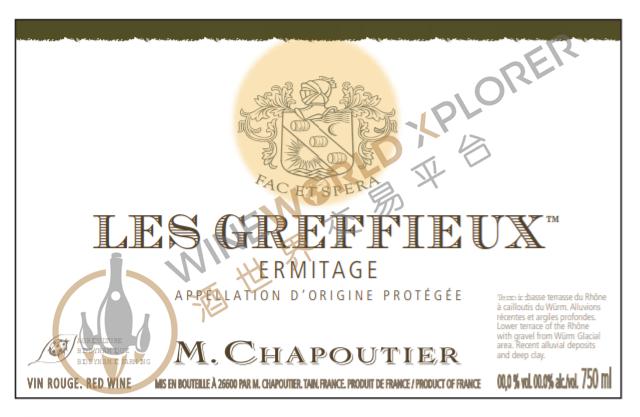
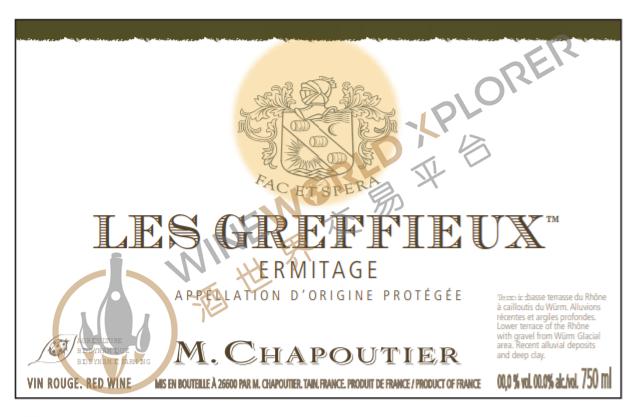
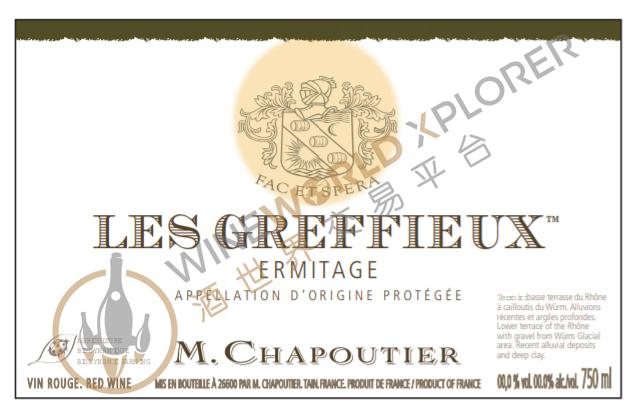
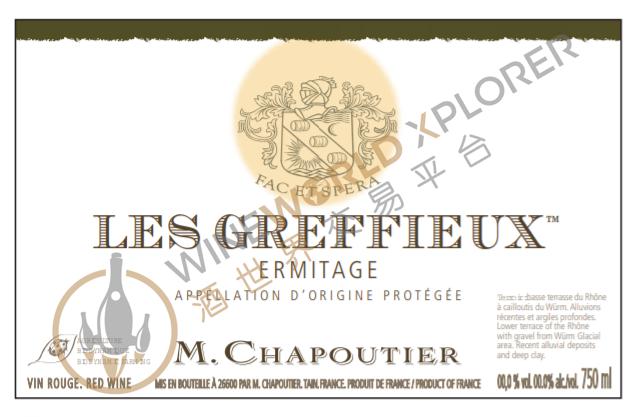
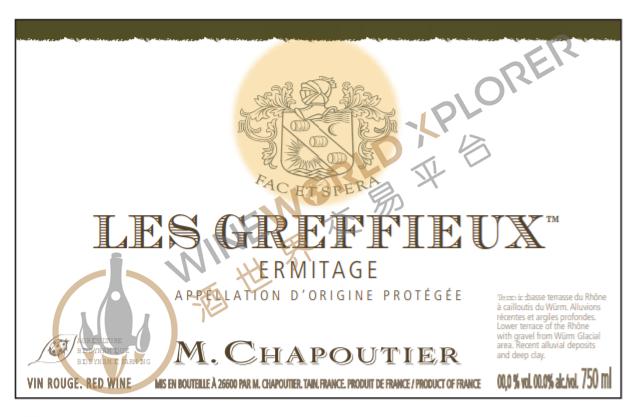
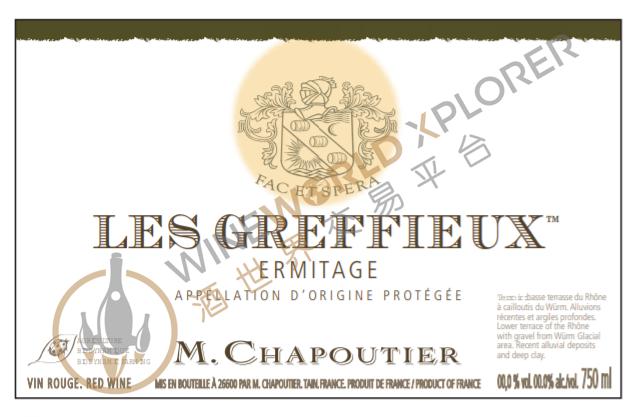
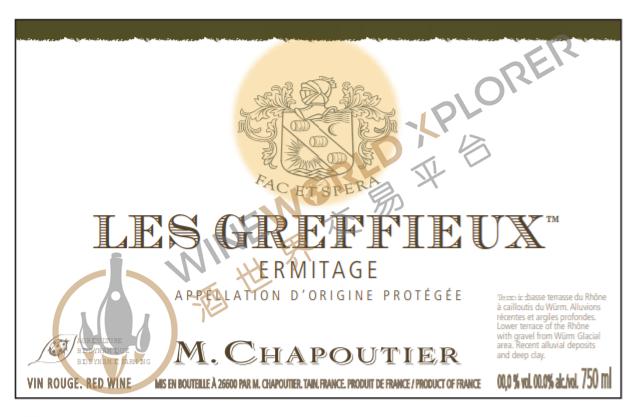
M. Chapoutier, Ermitage Les Greffieux 2013
 View analysis


Description
Tasting notes

Reviewed by: Jeb Dunnuck
The 2013 Ermitage Les Greffieux has a saturated, inky color to go with beautiful purity and focus. Smoke, liquid rock, violets, graphite and cassis and black raspberry-styled fruit emerge from the glass, and this medium to full-bodied, layered, effort has good concentration, integrated acidity and plenty of length. It should end up being a mid-90 scoring wine that will round into form nicely with a handful of years in the cellar and drink nicely for 15 years or more. Michel Chapoutier continues to knockout it out of the park with his tiny, single plot “Selections Parcellaires” releases from throughout the Rhone Valley. For this tasting, we focused on three of his northern Rhones: the Saint Joseph Les Granits, which is the largest production cuvee of the three; his new release, the Saint Joseph Les Clos, from a newly replanted vineyard that’s just now coming online; and his Ermitage Les Greffieux, which is a vineyard that Michel is liking more and more. Starting off with the Saint Josephs, Chapoutier’s Les Granits releases, both in red and white, lead the way in terms of quality in the appellation. Looking at the Saint Joseph red that’s the focus here, this roughly 500-case release (it can get close to 1,000 cases in some vintage) comes from the lieux-dits Saint Joseph and Les Chames, both of which are located around the towns of Mauve and Tournon, and have superb, southerly exposure. The lieu-dit Saint Joseph is the vineyard that the appellation is named after, and it’s a gorgeous, steep, south-facing vineyard planted on pure decomposed granite soils. The wine is 100% Syrah, from 60-to-70-year old vines, and sees a similar elevage to all of Chapoutier’s Syrahs, with the grapes completely destemmed and aging occurring in a scant 20-25% new French oak barrels. As I hope these notes show, it ages beautifully, but also dishes out loads of pleasure in its youth as well. It just so happens to also represent an awesome value. Moving to Chapoutier’s newest Saint Joseph, the Saint Joseph Les Clos comes from a southeasterly facing vineyard, located high up on the slope, and only one kilometer from the Les Granit, that was replanted in 1990. While it was widely recognized for quality wine in the past, the vineyard wasn’t replanted after it was wiped out due to phylloxera. It too is all decomposed granite, yet has a different exposure than the Les Granits, and the wines show additional purity, minerality and structure. The first release was in 2011, and the quality here is shocking; these new releases have more than a passing resemblance to a top Hermitage coming from the Les Bessards lieu-dit. Hold onto your hats and jump on board, because with wines like this, Saint Joseph is going to be the next hot commodity! Moving to Chapoutier’s Hermitage releases, there’s normally 300 cases or so of the Ermitage Les Greffieux, which comes from a lieu-dit that’s located at the bottom of the Meal, butting right up against the outskirts of Tain Hermitage. The soils here are varied, with alluvial and sediment soils giving way to deep rolled pebbles (a la Chateauneuf du Pape) as you move further up the slope. While this plot has been more widely recognized as white-wine territory, Michel makes one serious red Hermitage from it. It’s also noteworthy that this plot could be considered a clos, as it’s completely surrounded by a stone wall. As with Michel’s other Syrahs, he’s moving away from huge amounts of new oak, and this cuvee is completely destemmed (this is the norm for Hermitage) and is aged in 20-25% new French oak today. Importer: Terlato Wines International, Lake Bluff, IL; tel. (847) 604-8900
Reviewed by: Jeb Dunnuck
I tasted the 2013 Ermitage les Greffieux earlier this year and loved it, and it showed even better on this occasion. Inky purple in color, it has lots of cassis, blackcurrant, smoke and crushed rock characteristics to go with a full-bodied, fabulously concentrated, layered feel on the palate. It's one of vintage's biggest successes and it will have two decades or more of longevity.
Reviewed by: Jeb Dunnuck
One of the broader, more expansive and mouth-filling Hermitage in the vintage, the 2013 Ermitage les Greffieux comes from a site located lower down on the slope, just underneath the Méal and right up next to the town of Tain l’Hermitage. Its inky purple color is accompanied by terrific notes of blackberries, black raspberries, toasted spice, charcoal and roasted meats. Full-bodied, mouth-filling and with rock solid density and depth, its sweet tannin and overall elegant profile -- all suggesting it will drink nicely for upwards of two decades.
About the Producer
Founded in 1808, M. Chapoutier owns 175 hectares of vines in five appellations in the Rhone Valley and is now run by the energetic and brilliant Michel Chapoutier. Since Michel started running the estate, the quality of the winemaking has improved very quickly and the philosophy of winemaking has changed considerably. Michel Chapoutier's achievements caused an instant sensation in the winemaking world and he completely changed the way Chapoutier wines were made and the winemaking process, eventually making wines to rival those made by Marcel Guigal, one of the best winemakers in the Rhone Valley. The vineyards of Château Sapoutier range from the Rhone Valley to Châteauneuf-du-Pape, with a number of quality vineyards planted with Syrah, Grenache, Marsanne, Roussanne and other major grape varieties. The winery is "mono-varietal" (i.e. making wines from a single variety), for example, all Syrah for the Châteauneuf-du-Rotie wines, all Marsanne for the Hermitage whites and all Chateauneuf-du-Pape wines. The wines of Chateauneuf-du-Pape are all Grenache. Château Sapoutier has worked tirelessly to improve the quality of its wines, even though each single vineyard produces far more than the 500 cases of fine wine. Since 1989, Château Sapoutier has been using biodynamic farming and winemaking methods with the aim of producing wines that are the purest and closest to the natural terroir. Every decision, every step of the viticultural and winemaking process is designed to add to the terroir, varietal character and vintage identity of the wines. Only wild yeasts are used for fermentation and the wines are made in small oak barrels. The best red and white wines are not clarified or filtered before bottling.