Wine Advisor



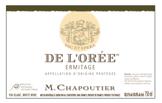
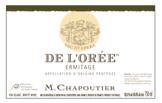
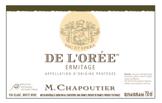
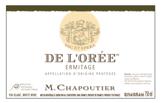
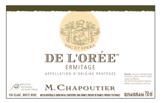
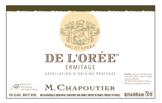
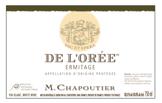
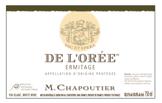
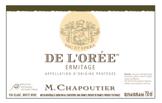
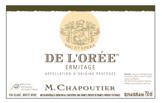
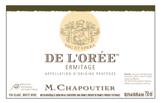
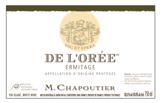
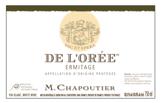
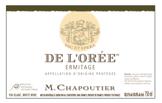
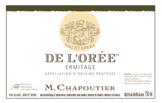
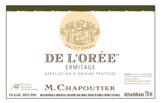
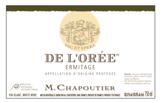
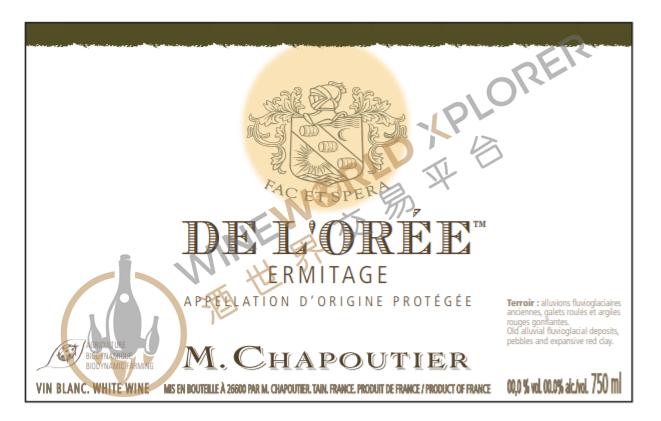
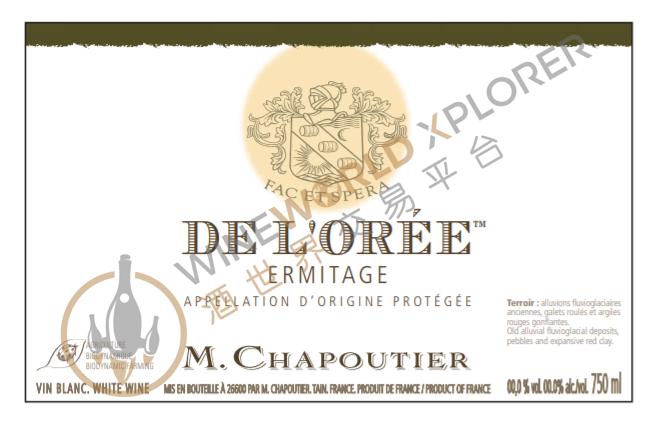
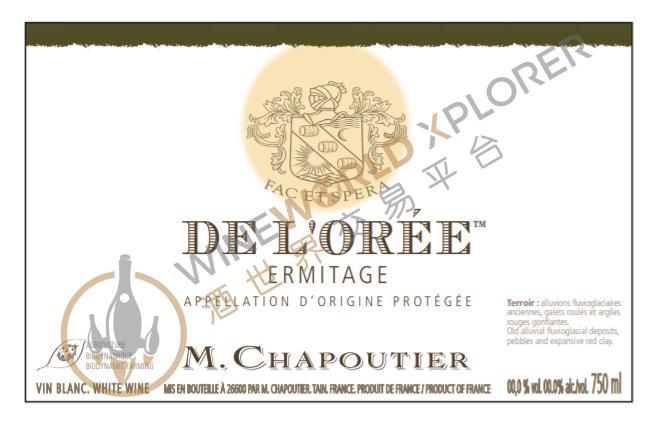
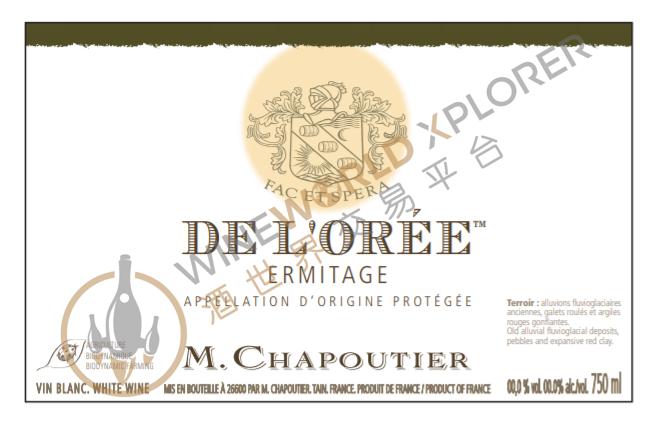
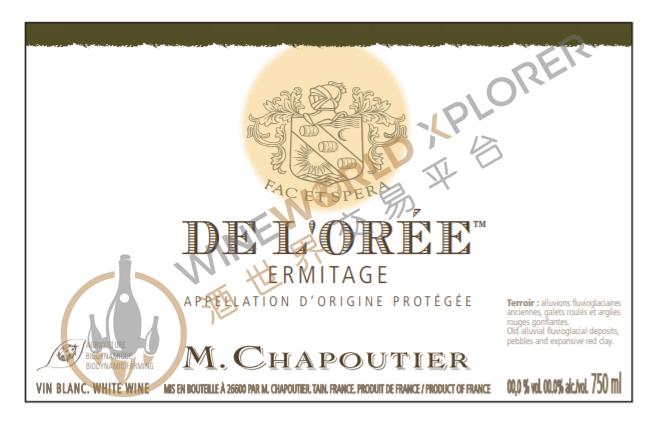
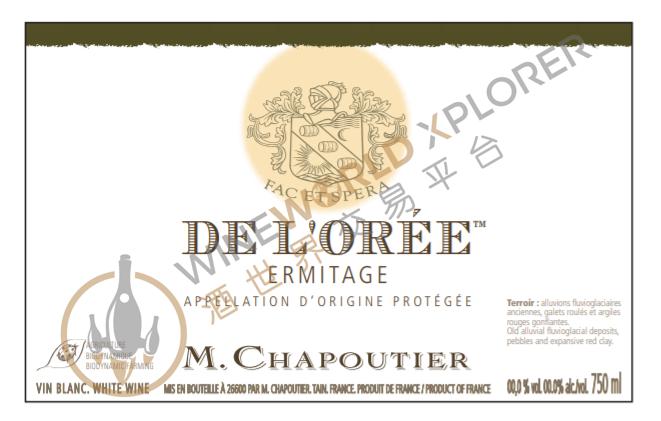
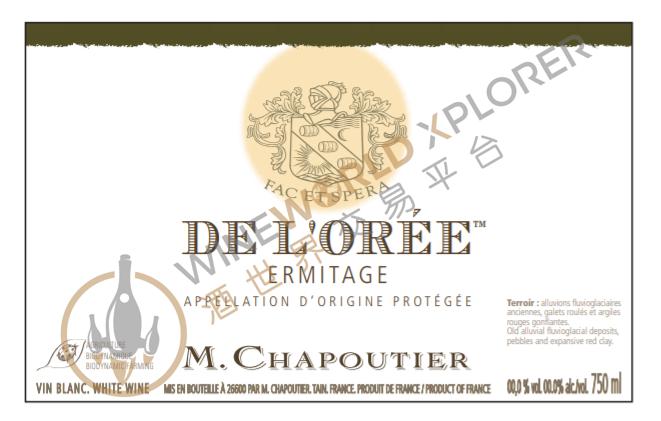
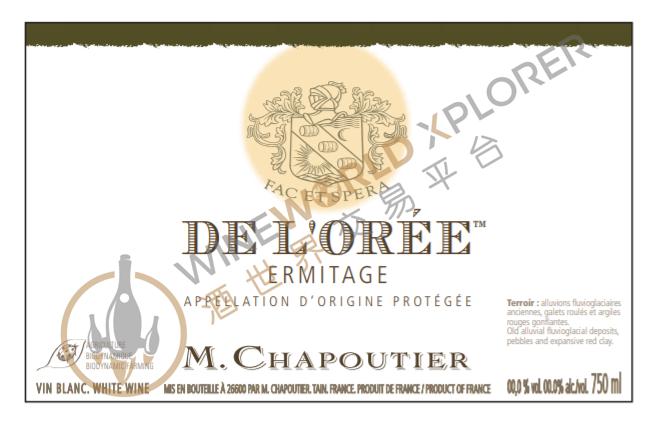
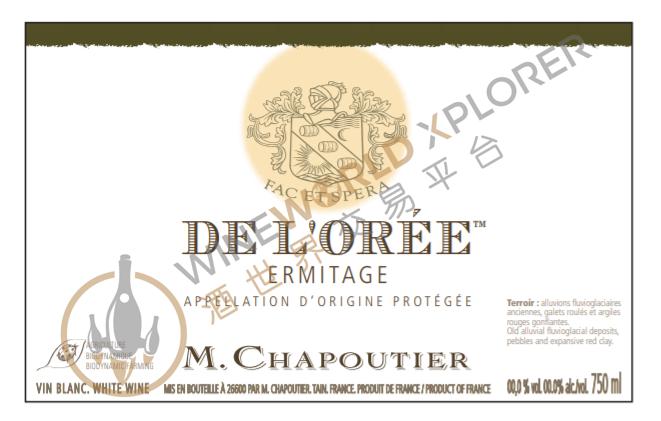
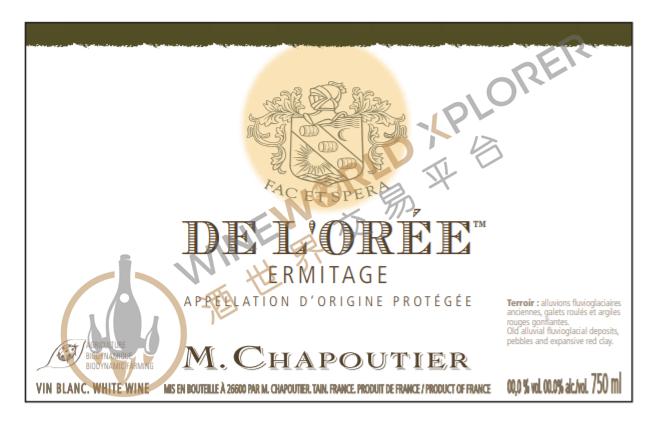
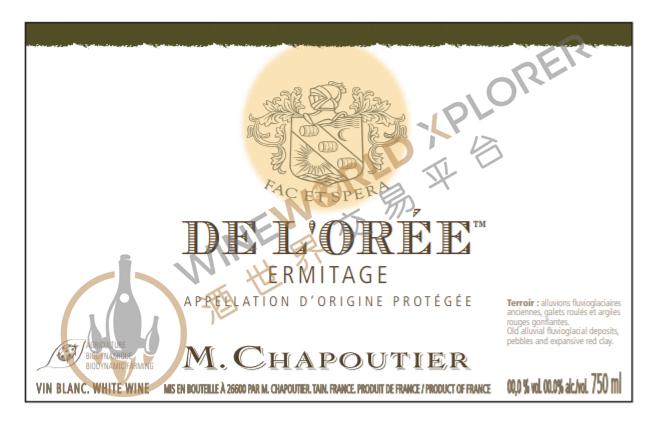
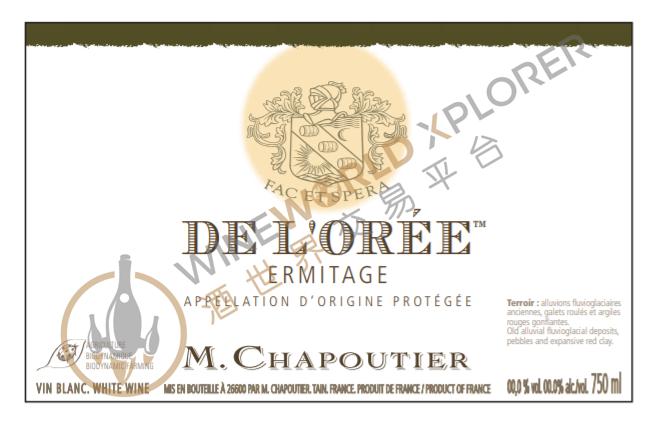
M. Chapoutier, Ermitage de L'Oree Blanc 2020
 View analysis


Description
Tasting notes

Reviewed by: Joe Czerwinski
A superbly balanced example of this selection, the 2020 Ermitage de l'Orée—sourced from the clay soils of Les Murets—features scents of crushed stone, toasted grain, white peach and ripe melon. Showing no ill effects from its recent bottling at the beginning of September, it's full-bodied, silky and elegant, with a long, harmonious finish.
Reviewed by: Stuart Pigott
A breathtaking and expansive bouquet of mirabelle tart with a wide spectrum of candied citrus aromas, fresh almonds, plus fresh tarragon and shiso leaf. Fabulous concentration and interplay of creamy richness with mineral freshness. The intensity and purity of the stony finish must be tasted to be believed! A pure marsanne from the eastern part of the appellation with a soil of glacial deposits. From biodynamically grown grapes with Demeter certification. Drink or hold.
About the Producer
Founded in 1808, M. Chapoutier owns 175 hectares of vines in five appellations in the Rhone Valley and is now run by the energetic and brilliant Michel Chapoutier. Since Michel started running the estate, the quality of the winemaking has improved very quickly and the philosophy of winemaking has changed considerably. Michel Chapoutier's achievements caused an instant sensation in the winemaking world and he completely changed the way Chapoutier wines were made and the winemaking process, eventually making wines to rival those made by Marcel Guigal, one of the best winemakers in the Rhone Valley. The vineyards of Château Sapoutier range from the Rhone Valley to Châteauneuf-du-Pape, with a number of quality vineyards planted with Syrah, Grenache, Marsanne, Roussanne and other major grape varieties. The winery is "mono-varietal" (i.e. making wines from a single variety), for example, all Syrah for the Châteauneuf-du-Rotie wines, all Marsanne for the Hermitage whites and all Chateauneuf-du-Pape wines. The wines of Chateauneuf-du-Pape are all Grenache. Château Sapoutier has worked tirelessly to improve the quality of its wines, even though each single vineyard produces far more than the 500 cases of fine wine. Since 1989, Château Sapoutier has been using biodynamic farming and winemaking methods with the aim of producing wines that are the purest and closest to the natural terroir. Every decision, every step of the viticultural and winemaking process is designed to add to the terroir, varietal character and vintage identity of the wines. Only wild yeasts are used for fermentation and the wines are made in small oak barrels. The best red and white wines are not clarified or filtered before bottling.
1997(1)1998(1)1999(2)2000(1)2005(1)2007(2)2008(1)2009(5)2010(1)2011(1)2012(4)2013(5)2014(1)2015(4)2016(3)2017(4)2018(8)2019(21)
Package Size
1 x 3L3 x 1.5L