
 Wine Advisor



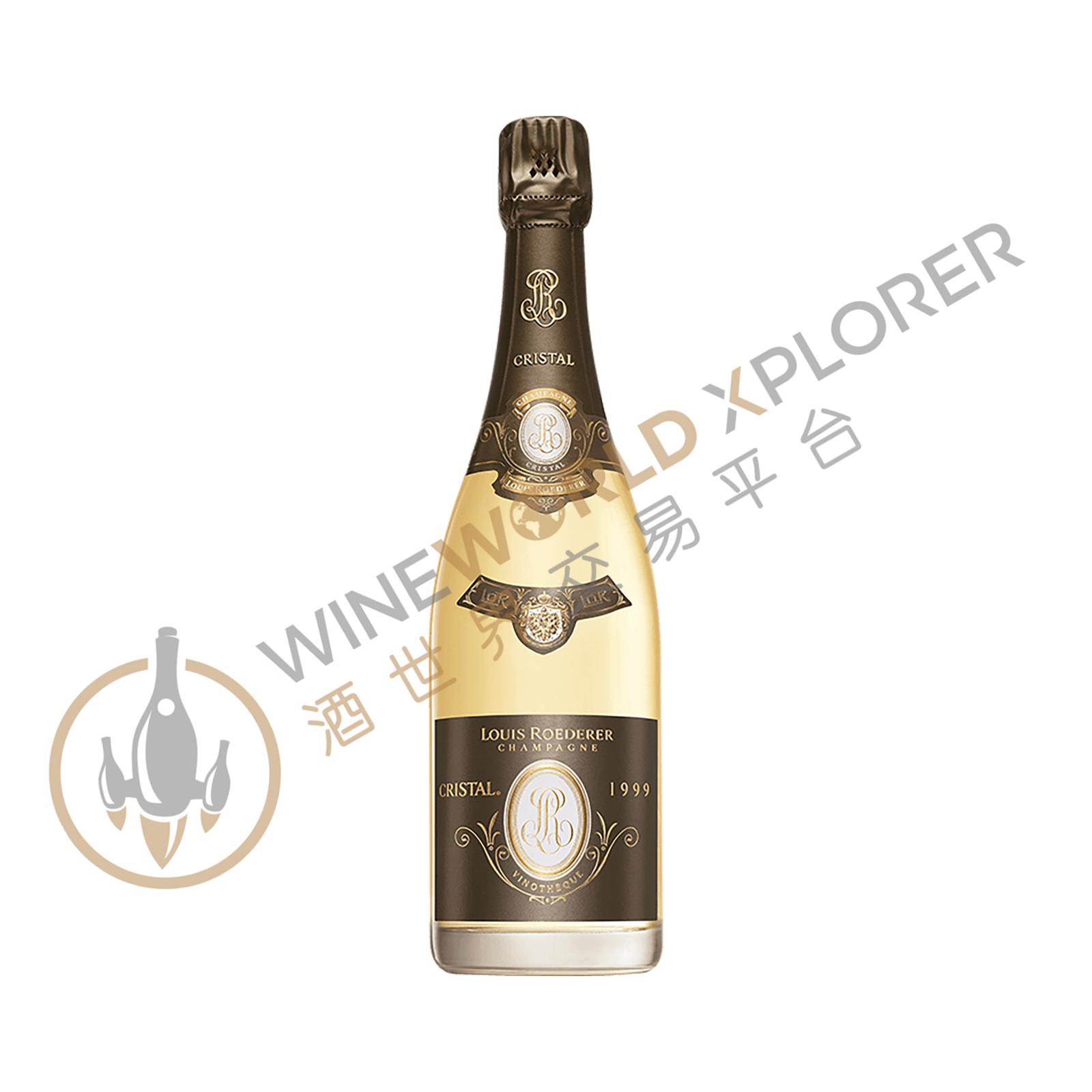
Louis Roederer, Cristal Vinotheque 1999
 View analysis


Description
Cristal, Louis Roederer, Vinotheque, Champagne, White, 2000
Tasting notes

Reviewed by: William Kelley
Disgorged with six grams per liter dosage after seven years sur lattes and a further seven sur pointe, the 1999 Cristal Vinothèque wafts from the glass with a complex bouquet of dried fruits, clear honey and crushed chalk aromas, complemented by hints of iodine and woodsmoke. On the palate, it's medium to full-bodied, ample and enveloping, with ripe but lively acids and a textural, gourmand profile, concluding with a beautifully defined, elegantly chalky finish.
Reviewed by: Antonio Galloni
Roederer's 1999 Cristal Vinothèque is endowed with tremendous power and concentration, especially for a Champagne of its age. Palate staining minerals, chalk, white pepper, mint, citrus and orchard fruit soar out of the glass. Tasted next to the Rosé the Blanc has a slightly more toasty character along with more body and a stronger presence of the mousse, which in this wine wraps around the fruit. At the time, Cristal was made from 37 parcels. The Pinots were a blend from Aÿ (where the wines are naturally riper) and Verzenay, Verzy and Beaumont-sur-Vesle, (where Pinots are nervy and taut), while the Chardonnay was sourced from Avize, Mesnil and Cramant. Dosage is 7-8 grams per liter. Disgorged in 2016.
About the Producer
When he inherited the Champagne House in 1833, the aesthete and entrepreneur Louis Roederer took a visionary approach to enriching his vines, aiming to master every stage of the wine’s creation. He forged the wine’s unique style, character, and taste. In the mid-nineteenth century, Louis Roederer acquired some of Champagne’s grand cru vineyards—an approach that contrasted sharply with contemporary practices.. While other Houses bought their grapes, Louis Roederer nurtured his vineyards, familiarized himself with the specific characteristics of each parcel, and methodically acquired the finest land. Louis Roederer’s guiding principle was that all great wine depends on the quality of the soil, a passion for tradition, and an astute vision of the future; the fame and reputation of the House of Louis Roederer was firmly established. His heir, Louis Roederer II was equally enlightened and adopted his father’s conscientious approach to the production of champagne, patrimonial estate management, and instinctive audacity.
