
 Wine Advisor



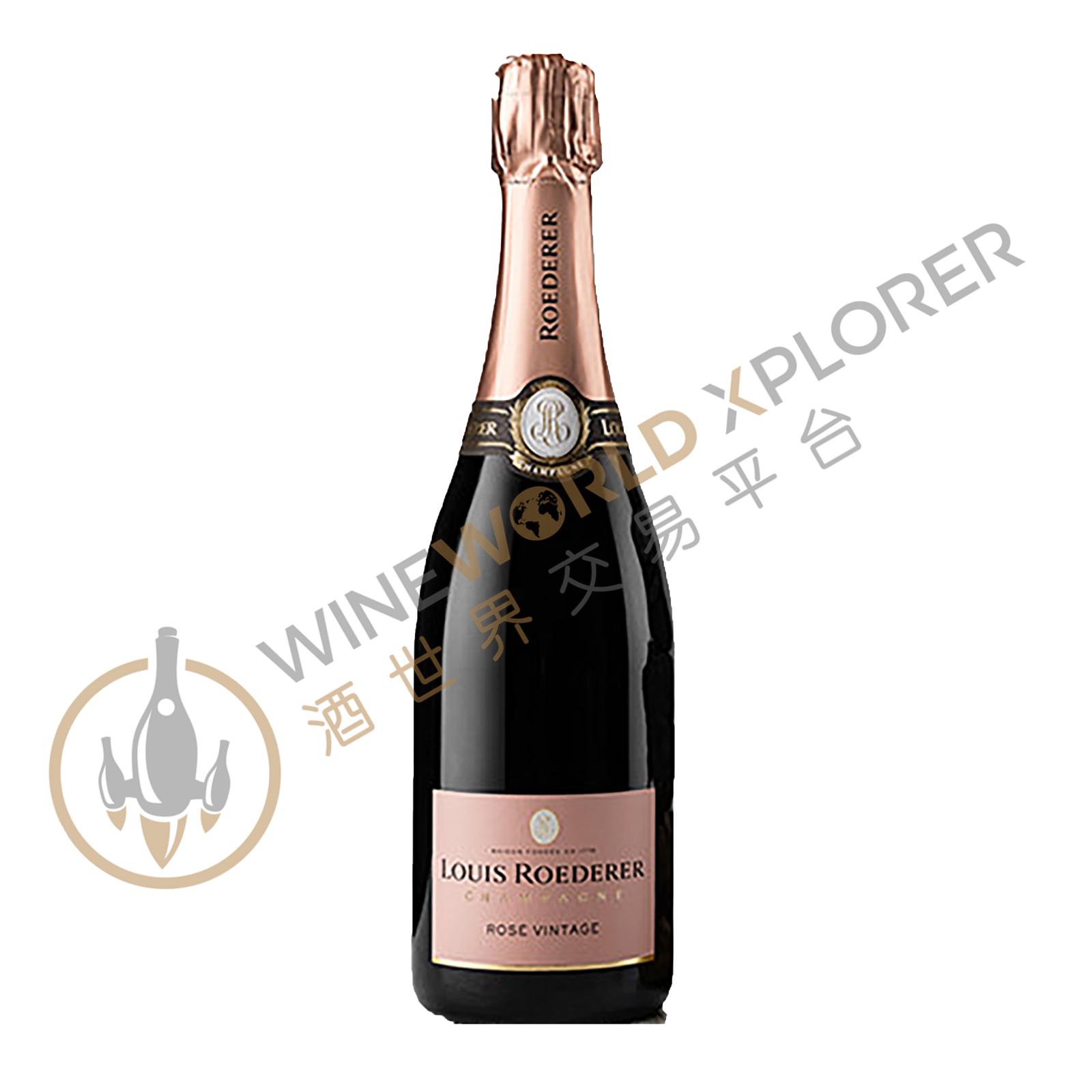
Louis Roederer, Brut Rose Vintage 2008
 View analysis


Description
Tasting notes

Reviewed by: David Schildknecht
In tasting Roederer’s 2008 Brut Vintage Rose, I am certainly reminded of the belief stated in their press releases that “a great rose Champagne must be made from very ripe grapes,” which, they go on to explain, is the reason why this cuvee is always predominantly informed by the steep, shallow-soiled, south-facing, waterside slopes of Cumieres. Certainly what has been extracted from the two-thirds Pinot here—colored via saignée—is an essence of ripe, juicy fresh red currant and red raspberry laced with lemon and orange rinds and perfectly set off by close to ten grams of residual sugar. A faintly sweaty tang and subtle suffusion of chalk add interest—and slight grain of tannin invigoration—to a lusciously refreshing but still very much fruit-dominated finish. I wouldn’t want to rule out some additional depth of flavor emerging over the next couple of years, but it would be a shame to miss out on this cuvee in its exuberantly fresh-fruited youth. Owners of vast vineyards (totaling some 500 acres) that supply the majority of their fruit, Roederer also presides—by design as well as due to that vastness—over a mind-bending number of micro-vinifications, divided entirely between tanks and foudres, supplemented by a concomitantly deep and diverse range of reserve wines. But for all of the variety that these phenomena entail, scarcely any lots undergo malolactic transformation. Importer: Maisons, Marques & Domaines USA, Oakland CA; tel. (510) 587-2000
About the Producer
When he inherited the Champagne House in 1833, the aesthete and entrepreneur Louis Roederer took a visionary approach to enriching his vines, aiming to master every stage of the wine’s creation. He forged the wine’s unique style, character, and taste. In the mid-nineteenth century, Louis Roederer acquired some of Champagne’s grand cru vineyards—an approach that contrasted sharply with contemporary practices.. While other Houses bought their grapes, Louis Roederer nurtured his vineyards, familiarized himself with the specific characteristics of each parcel, and methodically acquired the finest land. Louis Roederer’s guiding principle was that all great wine depends on the quality of the soil, a passion for tradition, and an astute vision of the future; the fame and reputation of the House of Louis Roederer was firmly established. His heir, Louis Roederer II was equally enlightened and adopted his father’s conscientious approach to the production of champagne, patrimonial estate management, and instinctive audacity.
