
 Wine Advisor




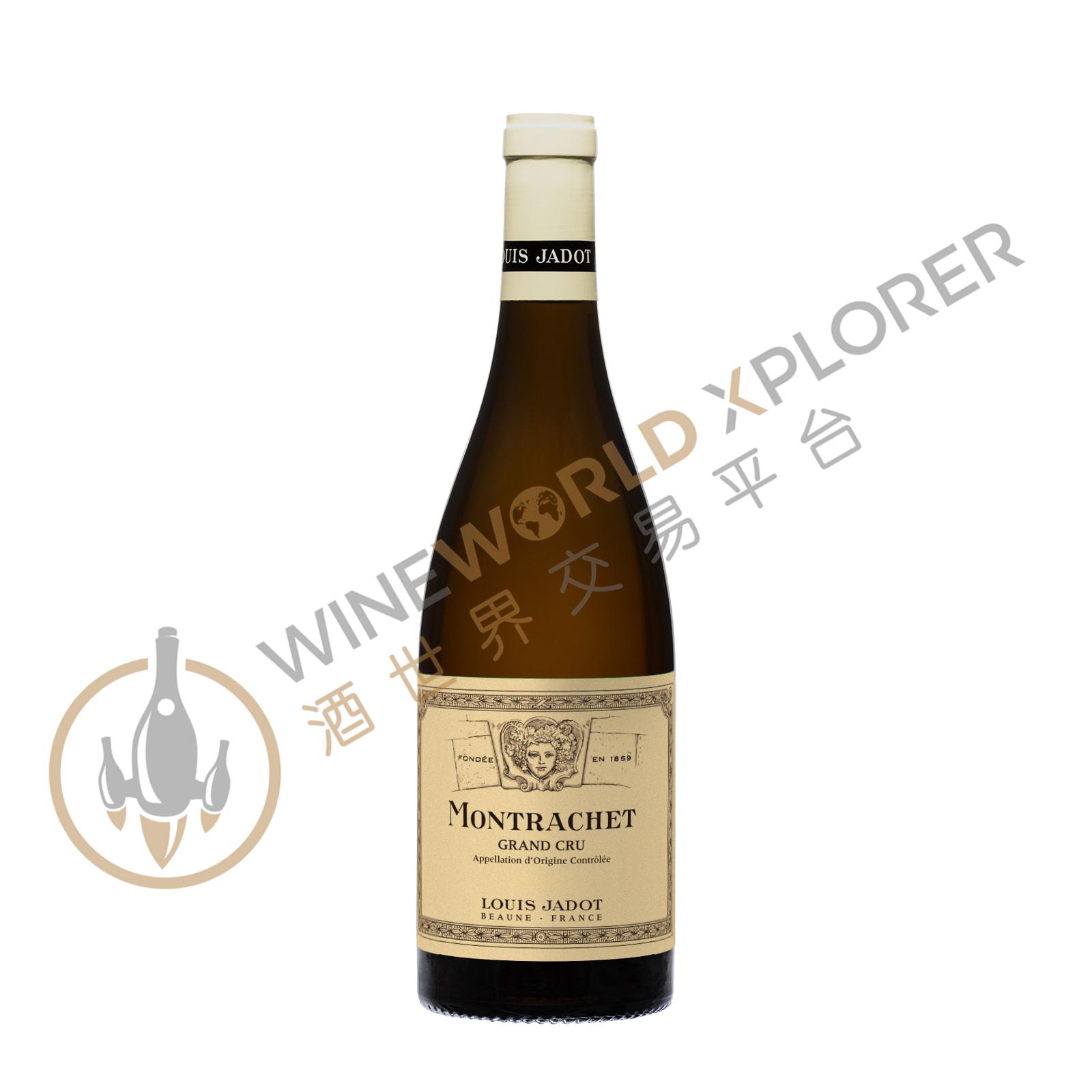
Louis Jadot, Montrachet Grand Cru 2006
 View analysis


Description
Tasting notes

Reviewed by: Stephen Tanzer
(100% from the Chassagne side) Full yellow. Stone fruit and pineapple aromas are almost exotic following the Chevalier. Like a fruit cocktail in the mouth, with a liqueur-like suggestion, hints of dried fruits and a strong clove spiciness. Broad and rich but uncompromisingly dry on the powerful, slightly aggressive finish. This could hardly be more different from the Chevalier, but then Jadot did not ferment this wine and it completed its malolactic fermentation. And Montrachet from the Chassagne side is less fine than wine made from vines in Puligny, noted Lardiere.
Reviewed by: David Schildknecht
Representing 9 barrels, all from purchased fruit grown on the Chassagne side of the cru, Jadot’s 2006 Montrachet smells decadently of heliotrope, fading lilies, over-ripe peach, and grilled pineapple; comes to the palate predictably full and rich yet surprisingly fresh and invigorating; and lays down a plush, faintly warm, rich but not especially fine-grained carpet of flavor in the finish. While less dramatic than the Batard or mysterious than the Chevalier, this is nonetheless truly grand, and surely capable of at least a decade’s fascinating evolution. The impressive collection of Jadot 2006s were slow both in their alcoholic fermentation and their malo-lactic evolution, which director Jacques Lardiere considered all to the good when it came to imposing structure and building complexity in wines of such ripeness and relatively high alcohol. In any case, Jadot whites seldom complete their malo-lactic transformation, and if one seeks a vintage to demonstrate the virtues of that approach, surely 2006 is the poster child. Furthermore, anyone who thinks that there are no values left in white Burgundy today has clearly not given Jadot’s wide range the attention it deserves. (These wines were assembled from barrel for my tasting and/or tasted from a range of individual barrels. I have generally made note of those wines not owned by Jadot and its associates by at least indicating whether grapes or juice were purchased.) Importer: Kobrand, Inc., New York, NY; tel.(212) 490 9300
About the Producer
Situated in the heart of Burgundy, Maison Louis Jadot is one of the most prestigious estates representing the spirit of Burgundian wine. It was founded by the Jadot family in 1859 when they bought the Clos des Ursules, a prestigious first growth in the Beaune region. In 1954, the then owner Louis Auguste Jadot asked Andre Gagey to become the winemaker of Château Louis Jadot. In 1984, Madam Jadot transferred the ownership of Château Louis Jadot to the Kopf Family, an American family dedicated to acquiring the finest vineyards, but there was no change in the management of the estate. Pierre-Henry Gagey has been in charge of the estate since 1992. The estate covers 154 hectares of vineyards throughout Burgundy, more than half of which are in the Grand Cru and Grand Cru categories. It is surprising that there are only two winemakers in this large vineyard. The main grape varieties planted in the vineyard are Chardonnay, Pinot Noir and Gamay. The average age of the vines is between 20 and 80 years. In terms of winemaking, Louisiadour uses grapes from its own vineyards or buys them under contract from the winegrowers, a practice that is rare in other wineries. The barrels are all homemade and a skilled craftsman can make five barrels a day. While oak is usually left for around two years before barrel making, Château Louisiade prefers to wait patiently for an extra year. In their opinion, the barrels made from oak that has been exposed to the elements will not overshadow the aromas of the wine, thus ensuring the high quality of the wine. For Château Louis Jadot, the true essence of winemaking is the ability to interpret the terroir of the region in the wine, not just the careful cultivation of a specific grape variety to produce a wine of great flavour. It is this philosophy that has made Louisiadour synonymous with excellence. Its label, depicting Bacchus, is a symbol of the quality of the wines it produces, whether appellation or grand cru.
