
 Wine Advisor



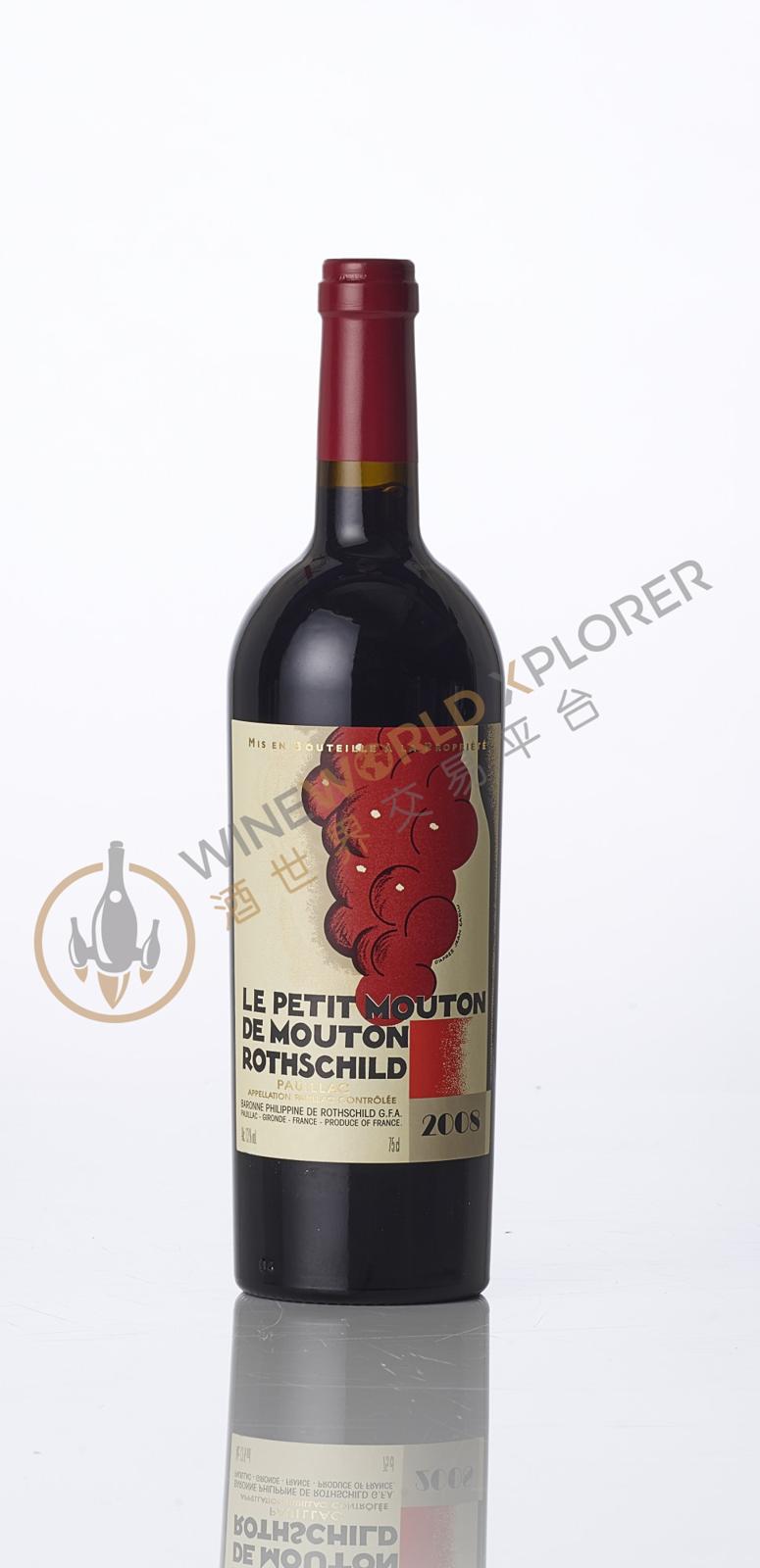
Le Petit Mouton 2013
 View analysis


Description
Tasting notes

Reviewed by: Neal Martin
The Le Petit Mouton has a huge majority of Cabernet Sauvignon at 93% - the highest percentage ever. The nose is quite floral and Margaux-like in style, simple but perfumed. The palate is crisp and structured on the entry with plenty of graphite-infused black fruit originating from the Cabernet, with a touch of dried blood towards the finish. This is a knockout wine from Philippe Dhalluin - real character and panache here. Tasted April 2014.
Reviewed by: Robert M. Parker, Jr.
The second wine, the 2013 Le Petit Mouton, represents about one-fourth of the crop. Composed of 93% Cabernet Sauvignon and 7% Merlot, it is a ripe, tasty, round, easygoing effort with red and black currant, licorice and spice box notes as well as a soft finish. Drink it over the next 7-8 years.
Reviewed by: Neal Martin
The 2013 Le Petit Mouton, one of the go-to second labels under winemaker Philippe Dhalluin, has an attractive blackberry, raspberry coulis and bay leaf scented bouquet that is simple but fresh and well defined. The palate is medium-bodied and initially angular in the mouth. The sharp acidity slight jars at first, although there are attractive blackcurrant pastilles that leaven what could have been a hard finish, dominated by the Cabernet Sauvignon that comprised 93% of the blend. This is a great deuxième vin that punches above its weight for the vintage, even if it does not quite match its showing from barrel.
About the Producer
The history of Château Mouton Rothschild dates back to the mid-19th century when Baron Nathaniel de Rothschild purchased the estate in Pauillac, a commune in the Médoc region of Bordeaux, France. The estate's vineyards were already well-established at the time, but Rothschild invested heavily in modernizing and expanding the winery, including building new cellars and importing new grape varieties. Le Petit Mouton, which translates to "The Little Sheep" in English, is a second wine produced by Château Mouton Rothschild. Second wines are made from grapes that come from younger vines or from less prestigious vineyard parcels than the grand vin, the top wine produced by the winery. Le Petit Mouton was first introduced in 1993 as a way to showcase the quality of the estate's younger vines and to create a more accessible wine that could be enjoyed earlier than the grand vin, which typically requires several years of aging. Since its introduction, Le Petit Mouton has become a highly regarded wine in its own right, known for its rich flavors, elegant structure, and approachability. The wine is made from a blend of Cabernet Sauvignon, Merlot, Cabernet Franc, and Petit Verdot grapes, and is aged in French oak barrels for around 16 months before bottling. The label features a whimsical illustration of a little sheep, a nod to the wine's name and to the estate's long history of using animal motifs on its labels.
1994(1)1996(2)2003(1)2005(4)2006(2)2007(9)2008(3)2009(6)2010(9)2011(5)2012(7)
Package Size
