
 Wine Advisor



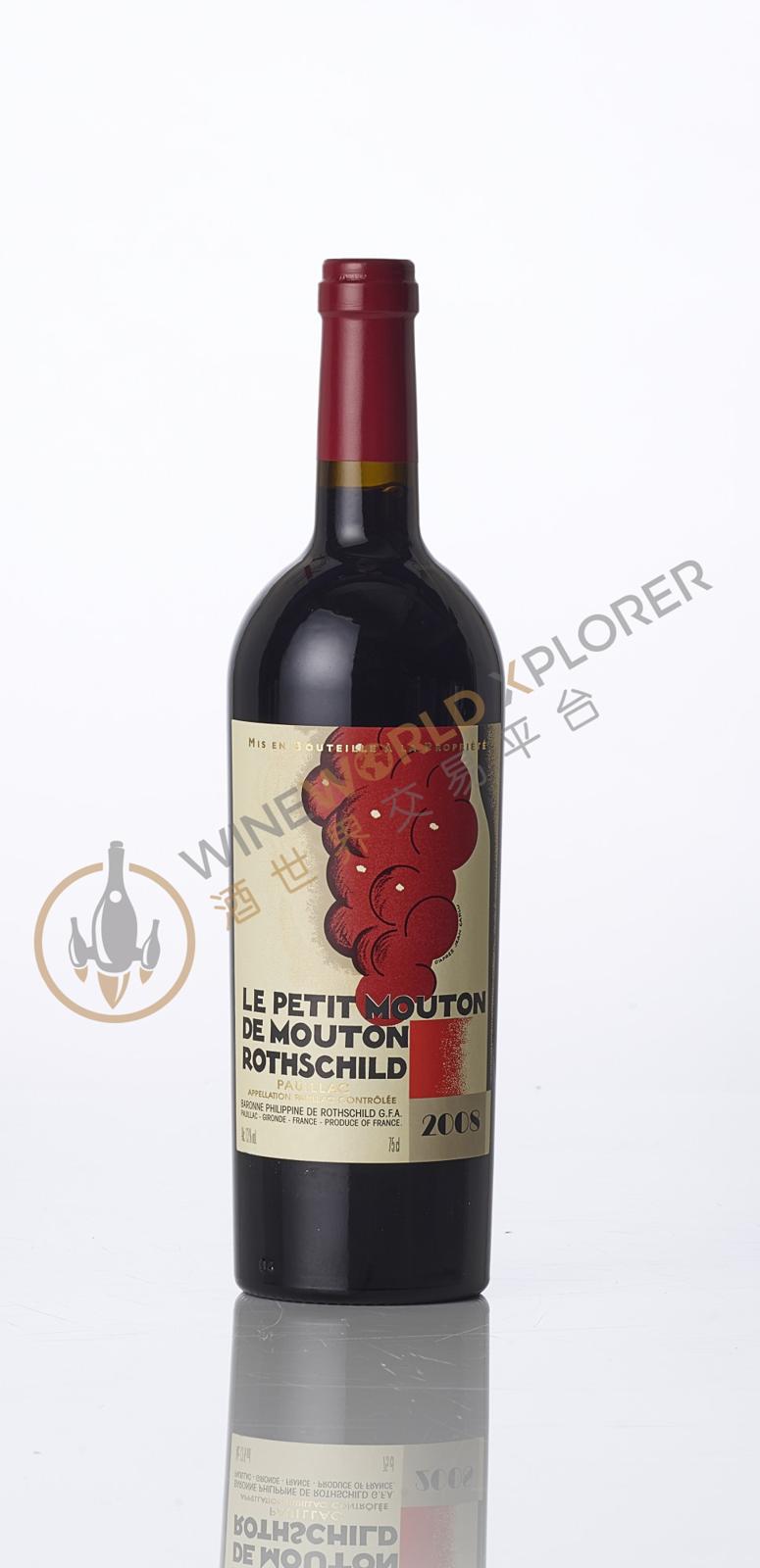
Le Petit Mouton 2010
 View analysis


Description
Tasting notes

Reviewed by: Neal Martin
Tasted blind at the Southwold Bordeaux 2010 tasting. Is this best Le Petit Mouton ever? The 2010 has a very ripe powerful bouquet with blackberry, apricot, cedar and peppermint that shows a lot of vigour and what you might call passion. This well balanced with fine tannins, a superb line of acidity and cohesion. This is not the most concentrated 2010 Pauillac but it is very focused and full of energy. To answer the question posed at the beginning of the tasting notes...yes. Tasted January 2014.
Reviewed by: Robert M. Parker, Jr.
A blend of 68% Cabernet Sauvignon and the rest primarily Merlot, this may be finest second wine Mouton Rothschild has yet produced. The selection process is unquestionably severe, and the 2010 Le Petit Mouton is even higher in alcohol than the grand vin. Abundant cassis, supple tannins and more near-term pleasure can be found in this full-bodied, rich, impressively endowed effort. Enjoy it over the next 10-15 years.
Reviewed by: Neal Martin
Tasted from the final blend that was done three months ago. A blend of 68% Cabernet Sauvignon, 24% Merlot and 8% Cabernet Franc, the Petit Mouton is very focused and quite luscious on the nose, with scents of bright red cherries, crushed strawberry and vanilla. You can feel the sharpness of acidity on the entry that lends the wine good tension, powdery tannins towards the fresh blackcurrant finish. Le Petit Mouton continues to be not so Petit anymore. Drink 2014-2022. Tasted March 2011.
Reviewed by: Neal Martin
The Le Petit Mouton has a very pure, quite intense bouquet with expressive Cabernet Sauvignon: scents of blackberry, cassis and crushed violets – almost Margaux like in personality. The palate is medium-bodied with velvety smooth tannins. Black shifts to red fruits here with wild strawberry and raspberry notes, leading to a harmonious sensual finish. Very fine. Tasted November 2012.
Reviewed by: Robert M. Parker, Jr.
It is a fabulous wine, but if you want to drink something reminiscent of Mouton Rothschild before 2025, it is probably worth taking a look at the 2010 Le Petit Mouton, which seems to be going from strength to strength at this estate. This wine has 14% natural alcohol because there is more Merlot in it. (Merlot is riper and ferments into slightly higher alcohol than Cabernet Sauvignon.) This wine represents 26% of the crop. The creme de cassis character is also present, along with tobacco leaf, cedar, and a more evolved, chocolaty, spicy note. Opulent, fleshy and round, it should drink well for two decades.
Reviewed by: Neal Martin
The 2010 Le Petit Mouton is one of the best ever made. Philippe Dhalluin has conjured such purity on the nose that it's almost like Bordeaux doing an impression of Burgundy, though the latter would not be sporting those subtle cedar and mint aromas. The palate is medium-bodied and beautifully balanced, much more approachable than other 2010 Pauillacs, but with tremendous sensuality and poise, a saline note on the finish lending length and detail. This is highly recommended. Tasted August 2016.
Reviewed by: Lisa Perrotti-Brown
Deep garnet colored, the 2010 Le Petit Mouton gives up notes of sweaty leather, cherry cough syrup and baked blackcurrants with suggestions of damp soil, cedar chest and menthol. Full-bodied, the palate is decadently fruited with a firm, grainy frame and loads of freshness, finishing earthy.
Reviewed by: Ian d'Agata
(a blend of 68% cabernet sauvignon, 24% merlot and 8% cabernet franc) Deep ruby. Intense, refined cabernet sauvignon-dominated aromas of cassis, graphite and cedar. Then austere and tight on the palate, with concentrated blackberry and mineral flavors leading to smooth but youthfully chewy tannins. Not especially long, but I think this will improve considerably with a little bottle age. This couldn't be more different than the soft, balsamic '09 version.
Reviewed by: Neal Martin
The 2010 Le Petit Mouton has a lovely bouquet with well defined raspberry and wild strawberry aromas that gain intensity with aeration. The palate is medium-bodied with supple tannins, a fine bead of acidity, quite sensual at ten-years of age with a very harmonious, almost plush finish that I did not anticipate. The insider’s choice? Tasted from an ex-château bottle at the BI Wines & Spirits 10-Year On tasting.
Reviewed by: Neal Martin
The 2010 Le Petit Mouton has a more open-knit bouquet than its peers, perhaps more red than black fruit, hints of sage and cedar emerging with time. The palate is medium-bodied with grippy tannins, touches of graphite and cedar coming through, developing more depth and grip towards the finish. This is a beautifully balanced and very noble Pauillac that is bestowed with impressive persistence. That said, I would cellar this for several more years. Tasted blind at Farr Vintners 10-Year On Bordeaux horizontal.
Reviewed by: Stephen Tanzer
Good deep ruby-red. Showy aromas of currant, cedar, herbs and spices. Sweet on entry, then tangy and a bit lean in the middle, with cassis and blackberry flavors complicated by minerals and herbs. Finishes with surprisingly sweet tannins and noteworthy persistence for a second wine.
About the Producer
The history of Château Mouton Rothschild dates back to the mid-19th century when Baron Nathaniel de Rothschild purchased the estate in Pauillac, a commune in the Médoc region of Bordeaux, France. The estate's vineyards were already well-established at the time, but Rothschild invested heavily in modernizing and expanding the winery, including building new cellars and importing new grape varieties. Le Petit Mouton, which translates to "The Little Sheep" in English, is a second wine produced by Château Mouton Rothschild. Second wines are made from grapes that come from younger vines or from less prestigious vineyard parcels than the grand vin, the top wine produced by the winery. Le Petit Mouton was first introduced in 1993 as a way to showcase the quality of the estate's younger vines and to create a more accessible wine that could be enjoyed earlier than the grand vin, which typically requires several years of aging. Since its introduction, Le Petit Mouton has become a highly regarded wine in its own right, known for its rich flavors, elegant structure, and approachability. The wine is made from a blend of Cabernet Sauvignon, Merlot, Cabernet Franc, and Petit Verdot grapes, and is aged in French oak barrels for around 16 months before bottling. The label features a whimsical illustration of a little sheep, a nod to the wine's name and to the estate's long history of using animal motifs on its labels.
1994(1)1996(2)2003(1)2005(4)2006(2)2007(9)2008(3)2009(6)
Package Size
12 x 75cl3 x 1.5L
