
 Wine Advisor



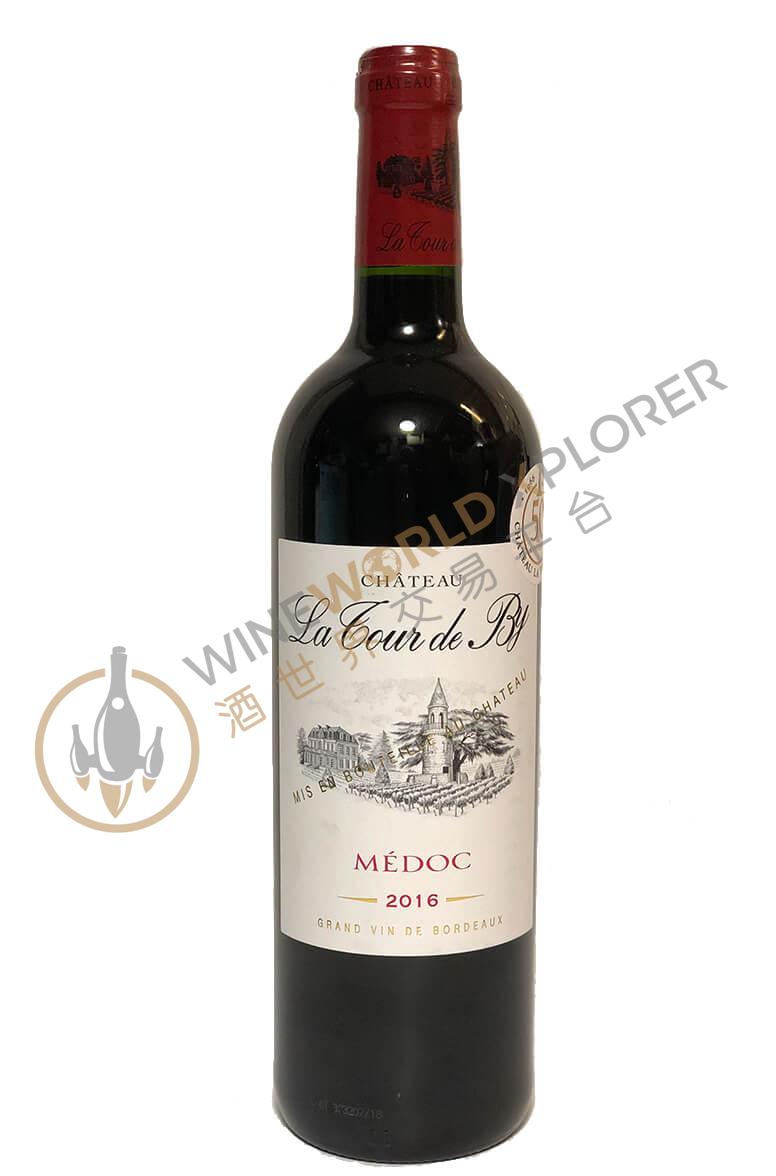
La Tour de By 2018
 View analysis


Description
Tasting notes

Reviewed by: Lisa Perrotti-Brown
Medium to deep garnet-purple colored, the 2018 La Tour de By opens with pronounced notes of stewed blackberries and prunes with a medicinal undercurrent and a waft of dried Mediterranean herbs and pencil lead. The medium-bodied palate has a chewy texture and is a bit skinny, finishing short and rustic.
Reviewed by: Lisa Perrotti-Brown
Deep garnet-purple in color, the 2018 La Tour de By opens with cedary/oak-inspired notes giving way to a core of red and black currant preserves, mulberries and boysenberries with suggestions of wild sage and charcuterie. Full-bodied and richly fruited in the mouth, it has a firm, grainy frame and seamless freshness lifting the muscular fruit to a long finish.
Reviewed by: Neal Martin
The 2018 Tour de By is one of the best barrel samples I have tasted from this Médoc estate. Matured in new oak for 12 months, it offers copious blackberry and veins of blueberry fruit on the Margaux-inspired bouquet, while the palate is well balanced with grainy tannins and a graphite note toward the finish. It might be lacking some length, but otherwise this is a fine effort.
About the Producer
The Chateau La Tour de By is a 94-hectare family wine estate present on a ridge in Girondines, between the Gironde estuary and the Atlantic Ocean. The winery has a long history in Medoc that goes back to almost the 16th century and is one of the oldest properties of the region. The estate is named so because the vineyards are placed in the de By appellation. The first name tells about the large tower on their property that is also pictured on the wine labels. The chateau in its current form was constructed in 1876. The Pages family purchased the property in 1965, and in 1999, Marc Pages became the sole owner of the wine estate. It is now managed by Marc Pagès’ grandsons: Frédéric Le Clerc as Managing Director and Benjamin Richer de Forges as Commercial Director. Their vineyards are around 40 years old, and some also date back to a hundred years old. The terroir features gravel soils which along with a unique microclimate makes the region perfect for cultivating vines. The main grapes grown in their vineyards are Cabernet Sauvignon, Merlot, and Petit Verdot. The best grapes are processed to make their famous red and white wines. Harvesting takes place through machines, and the wines are fermented under controlled temperatures for 3 to 5 weeks. The wines are allowed to age in half-buried French oak barrels. Since the 80s, ecological and sustainable methods are being used to preserve the vines, to prevent diseases, and to minimize the use of chemicals.
