Wine Advisor



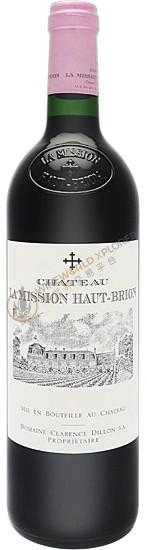
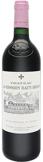
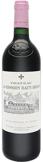
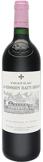
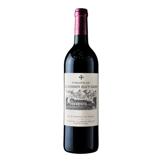
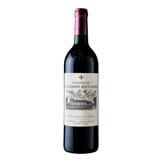
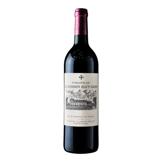
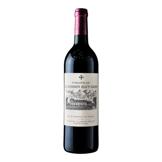
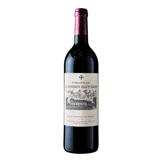
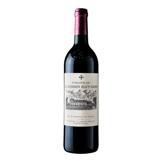
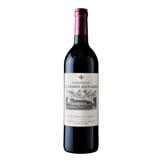
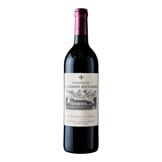
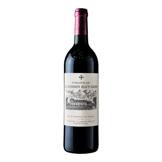
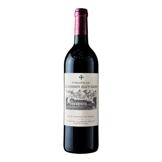
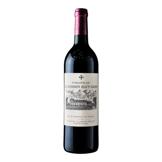
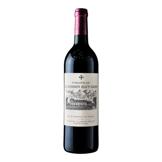
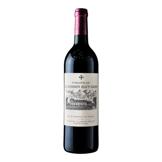
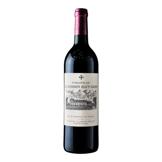
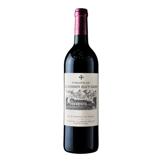
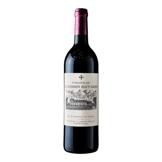
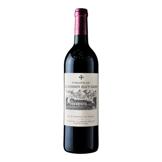
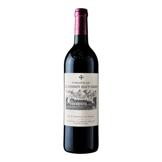
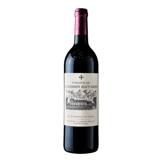
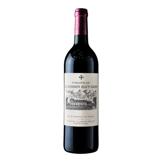
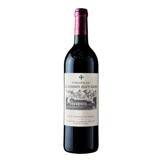
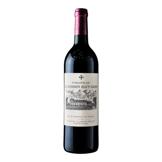
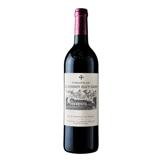
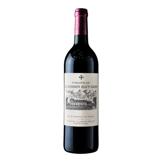
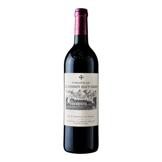
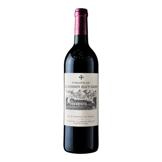
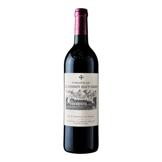
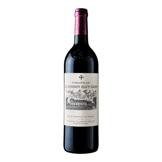
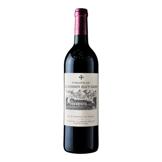
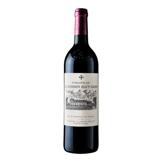
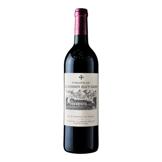
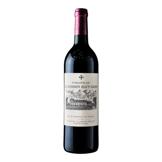
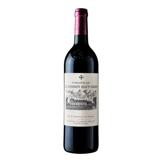
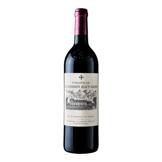
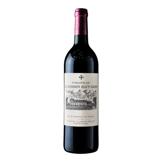
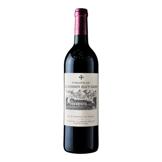
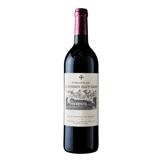
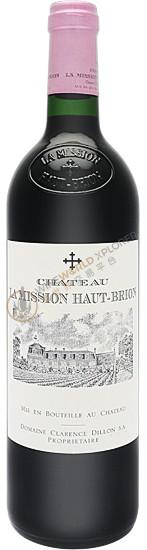
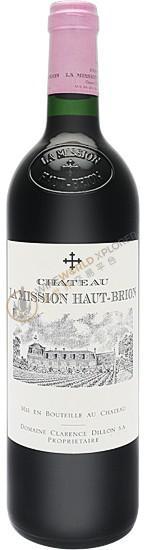
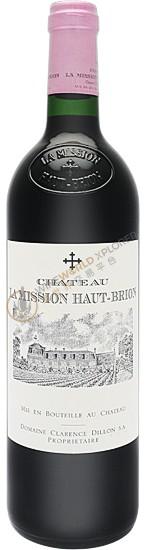
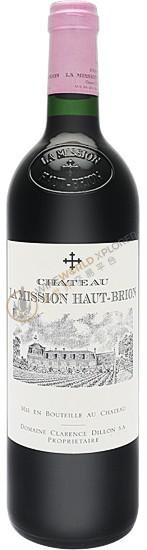
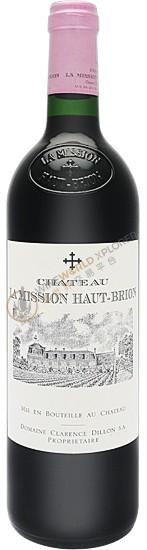
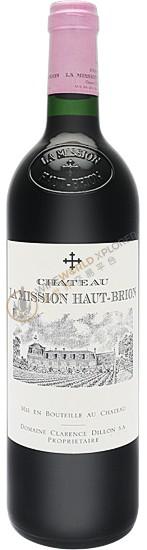
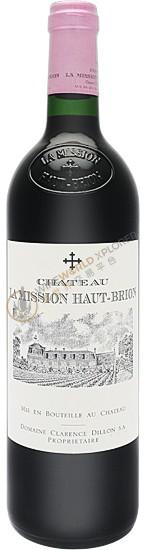
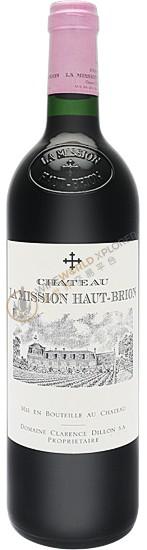
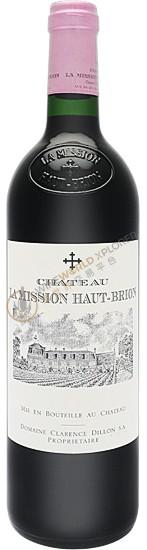
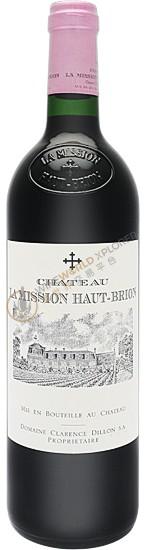
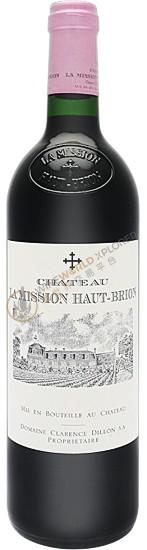
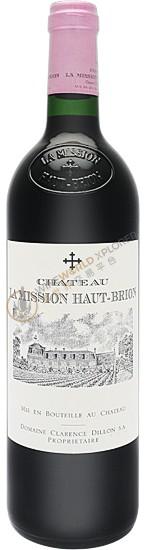
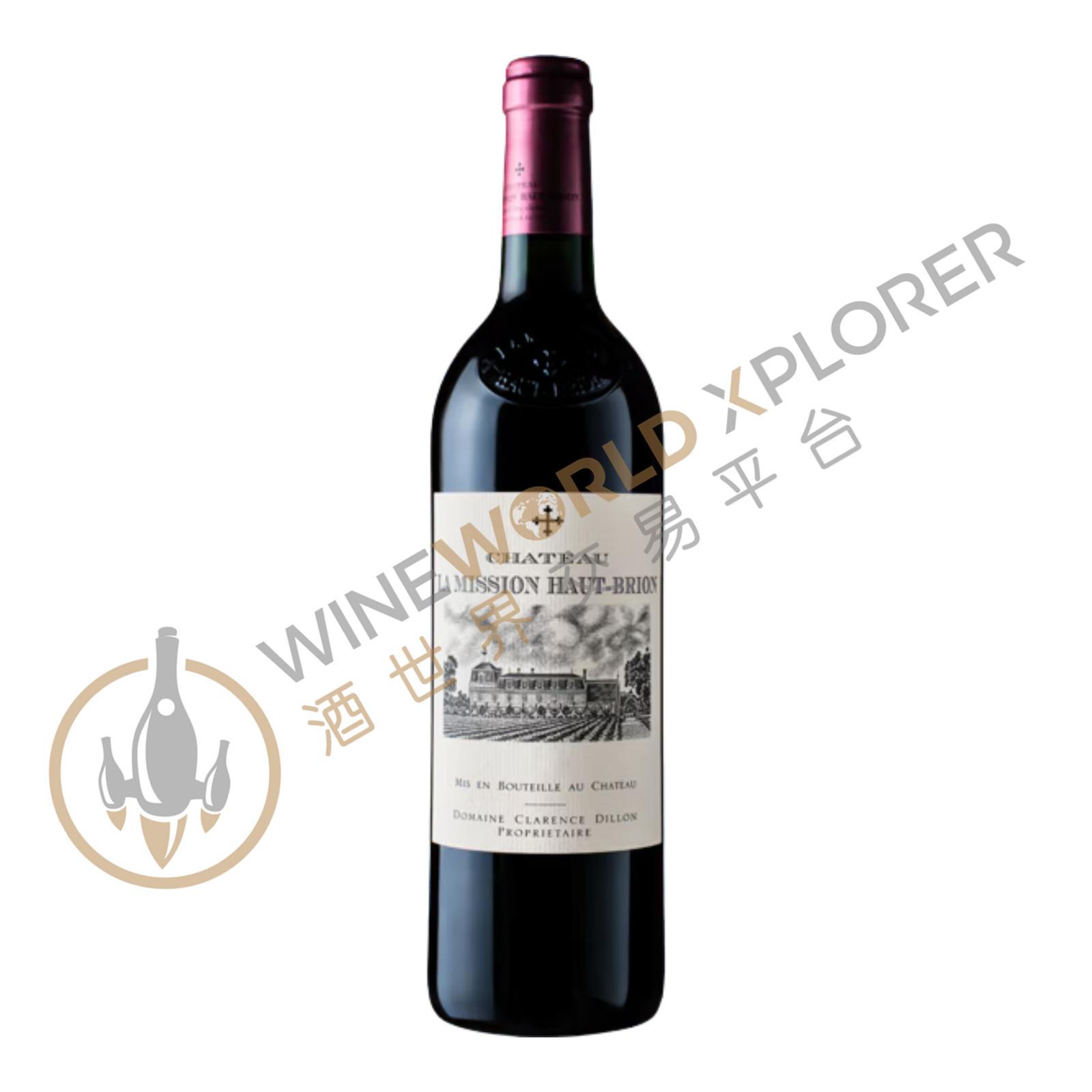
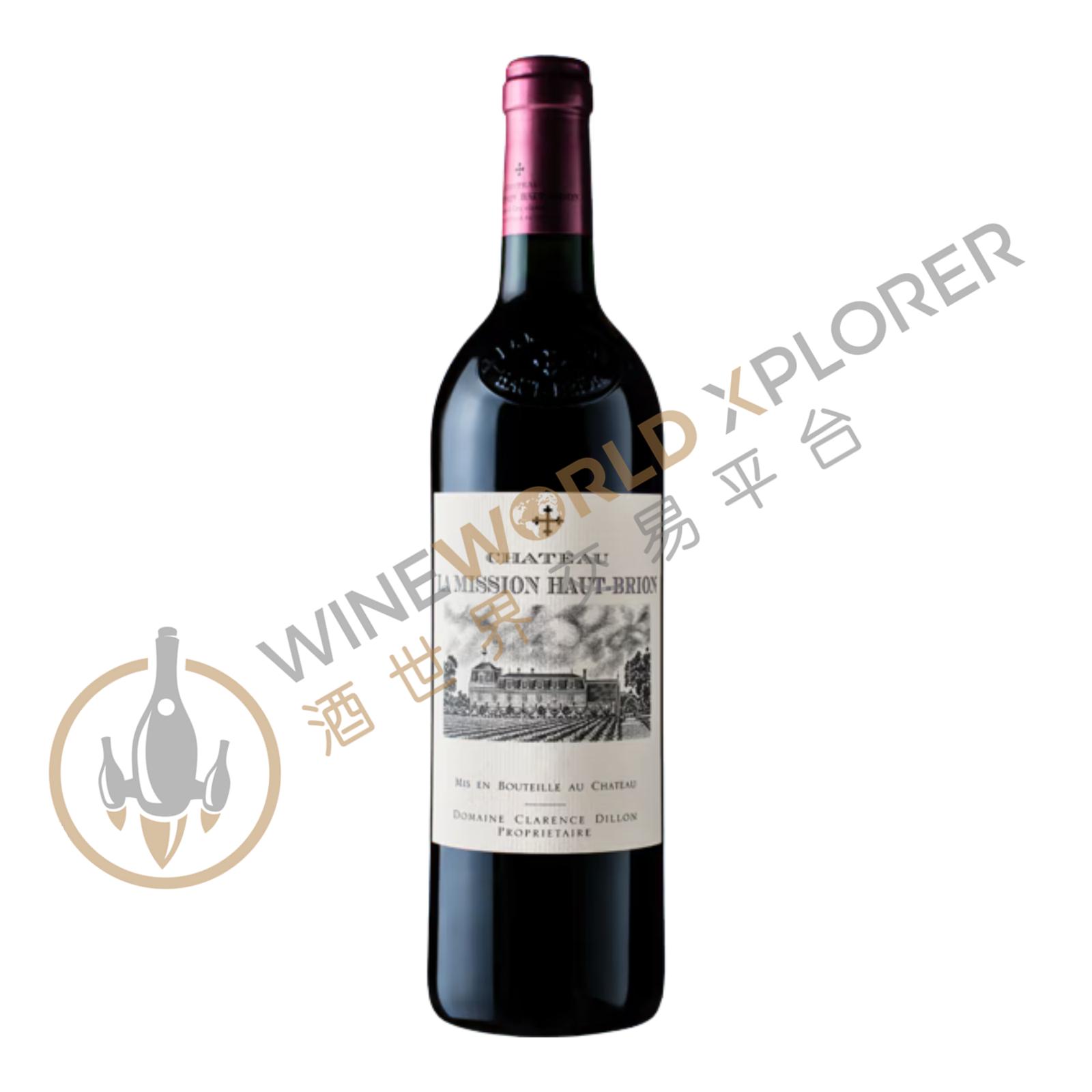
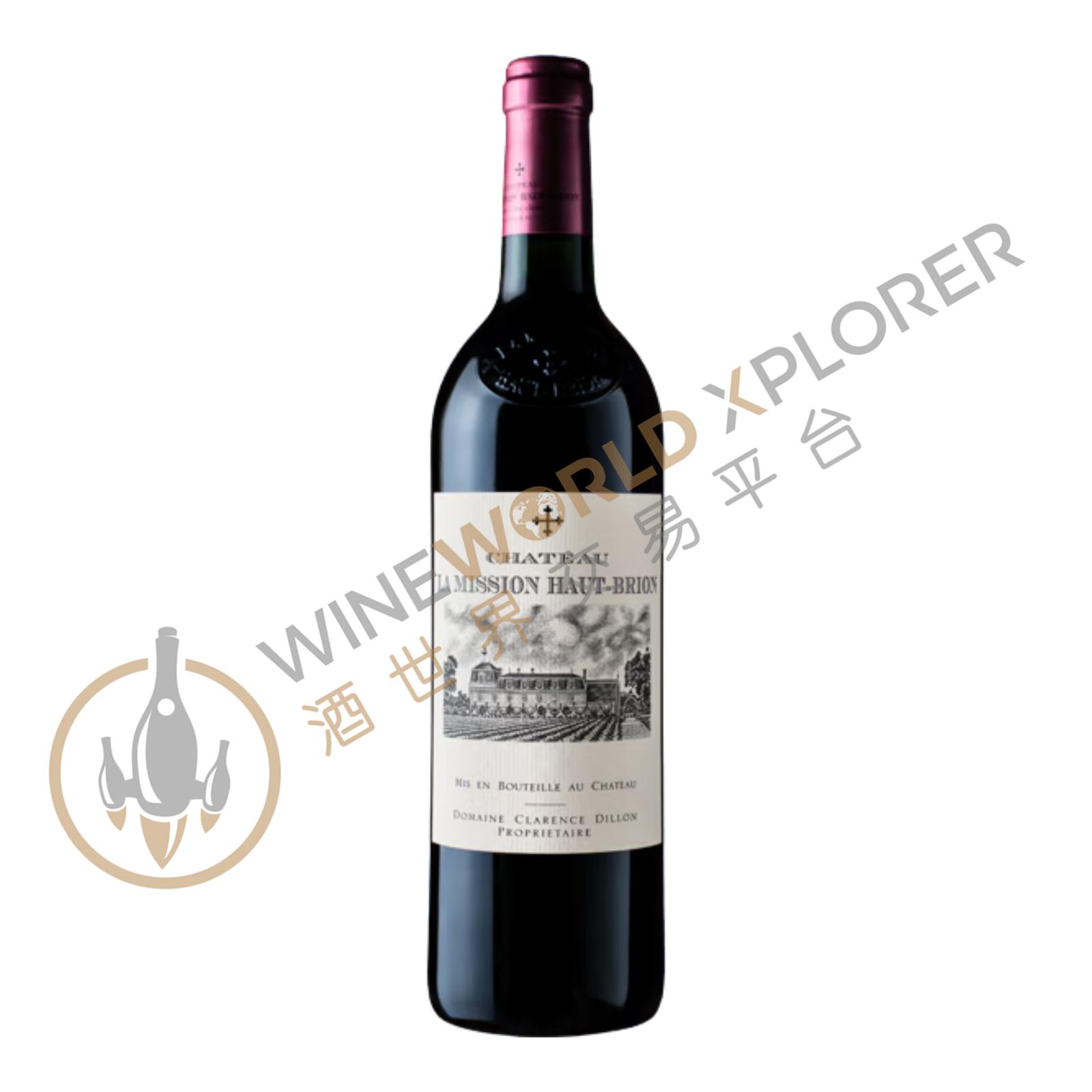
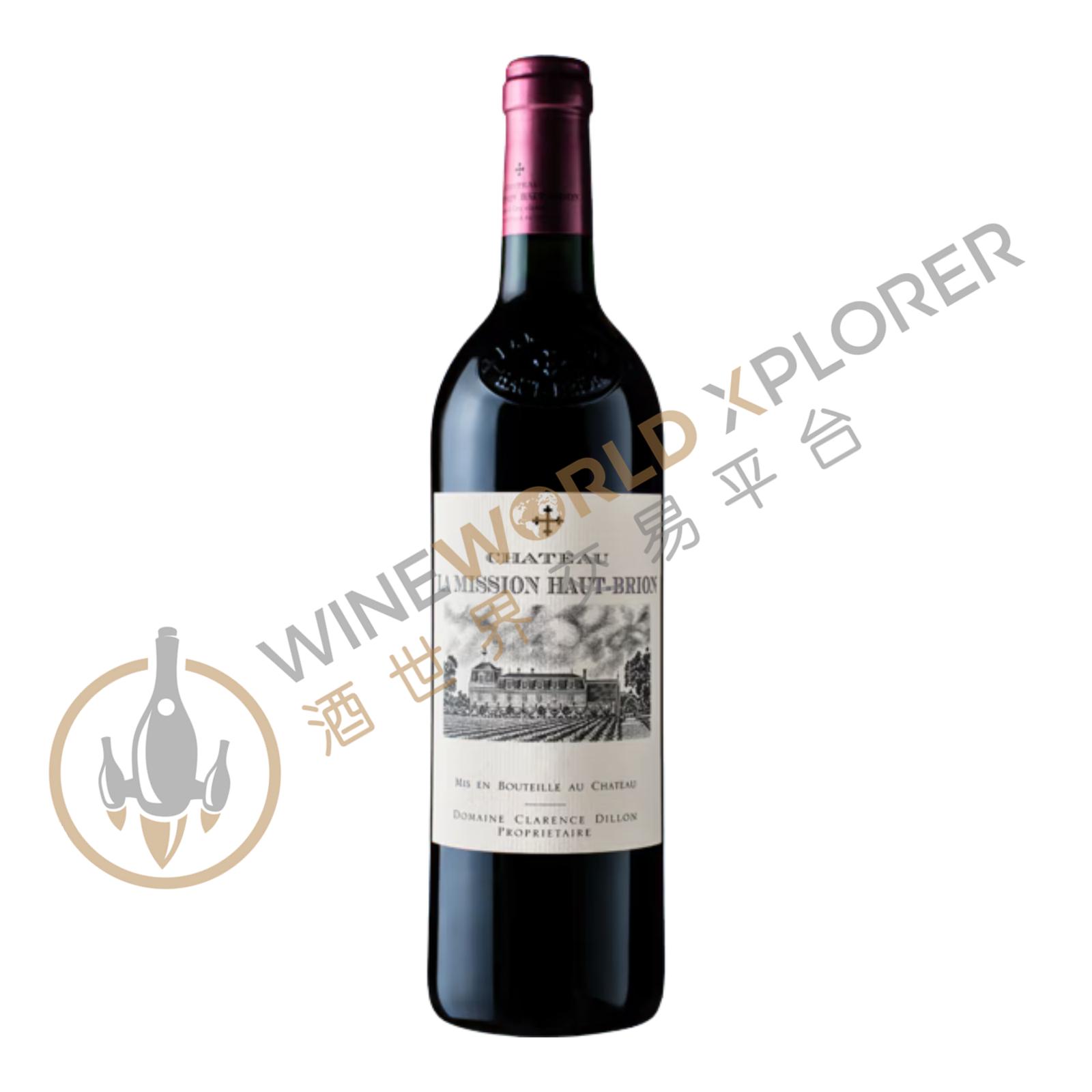
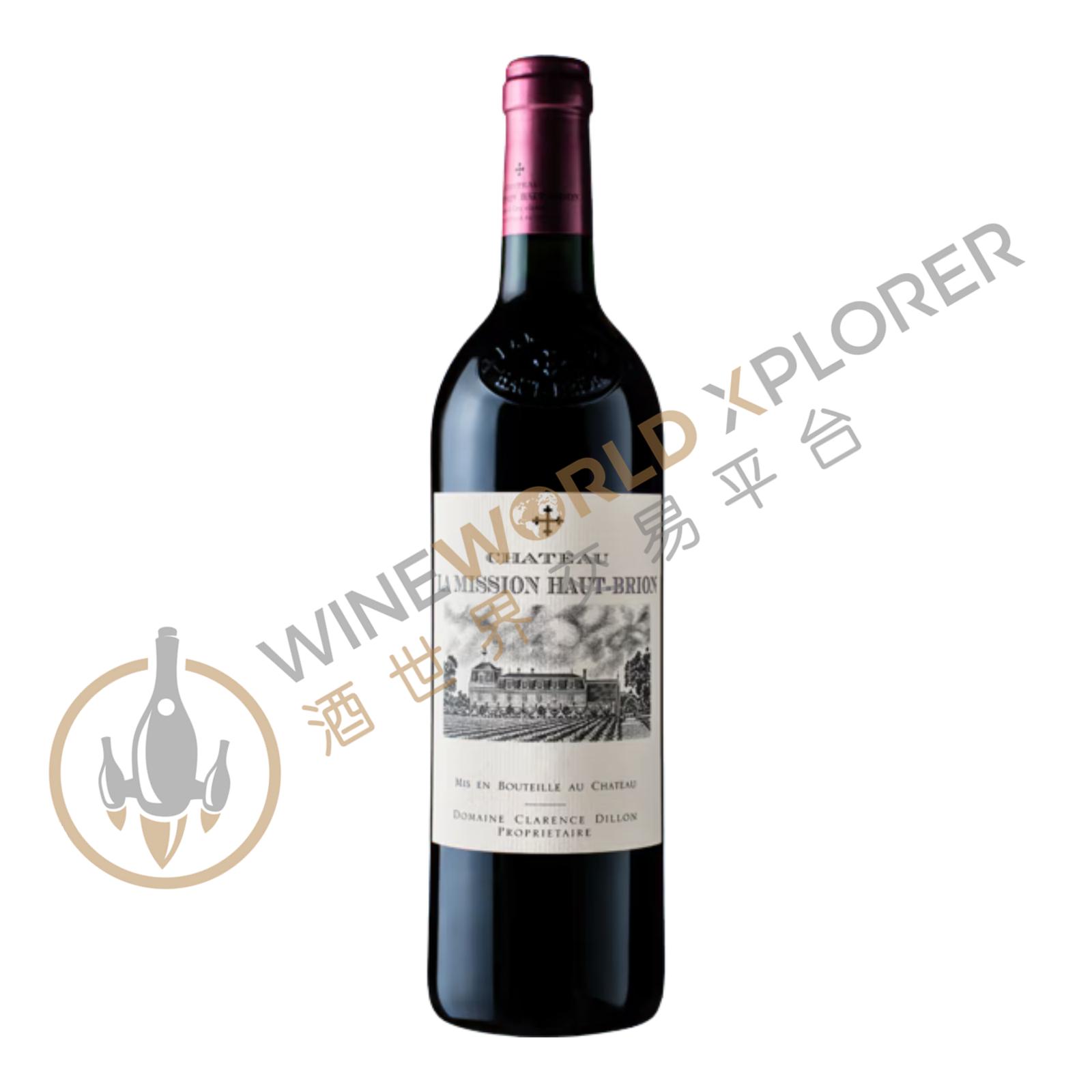
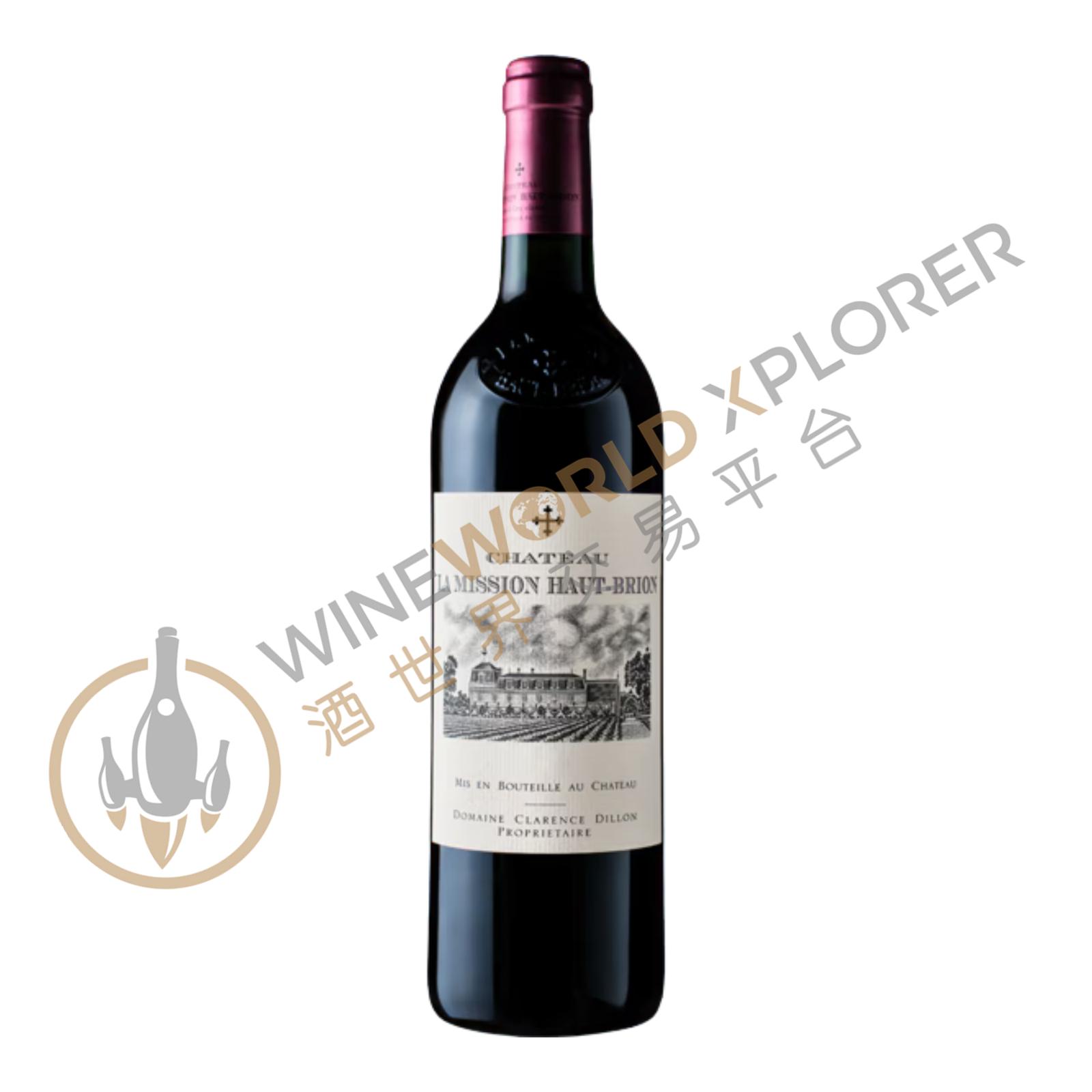
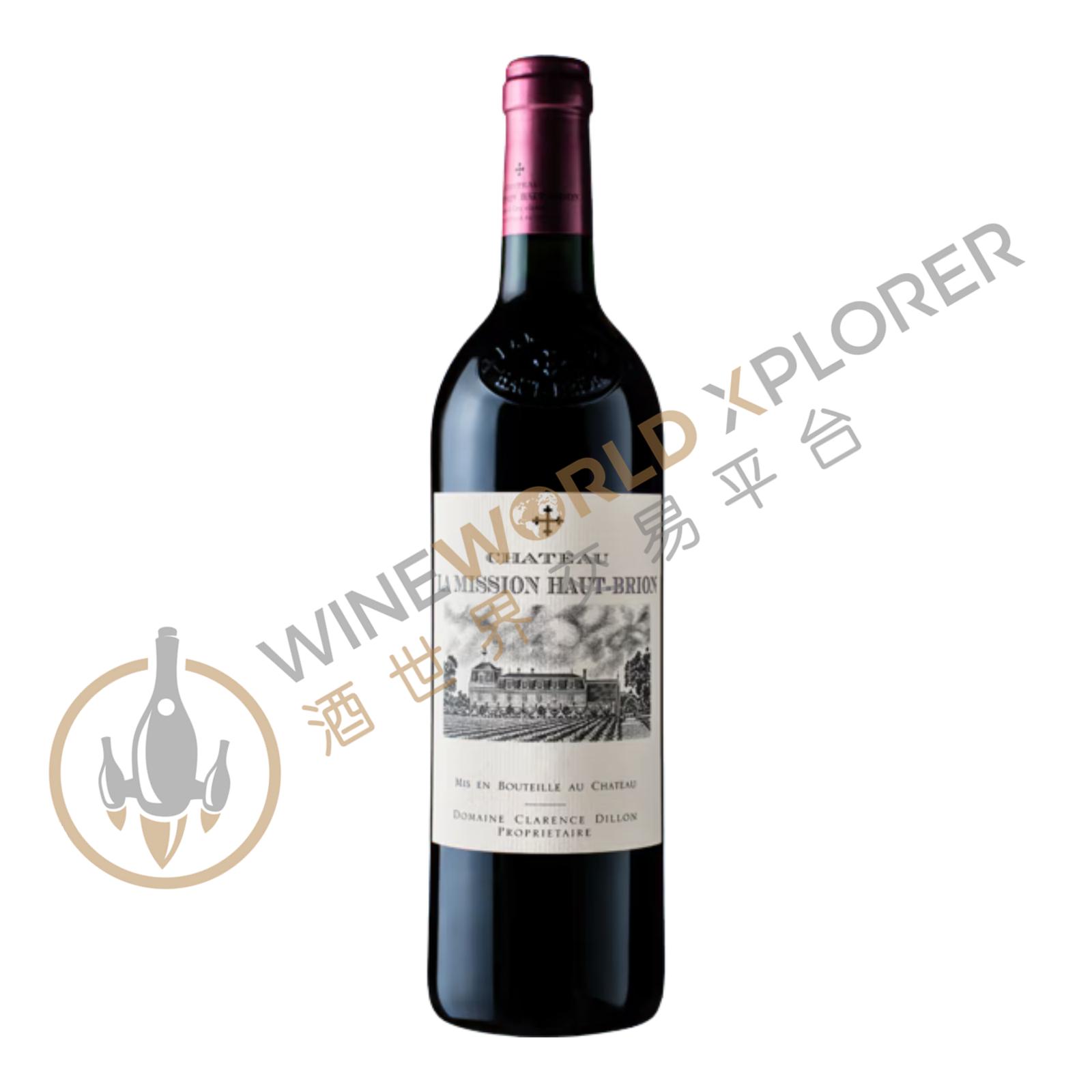
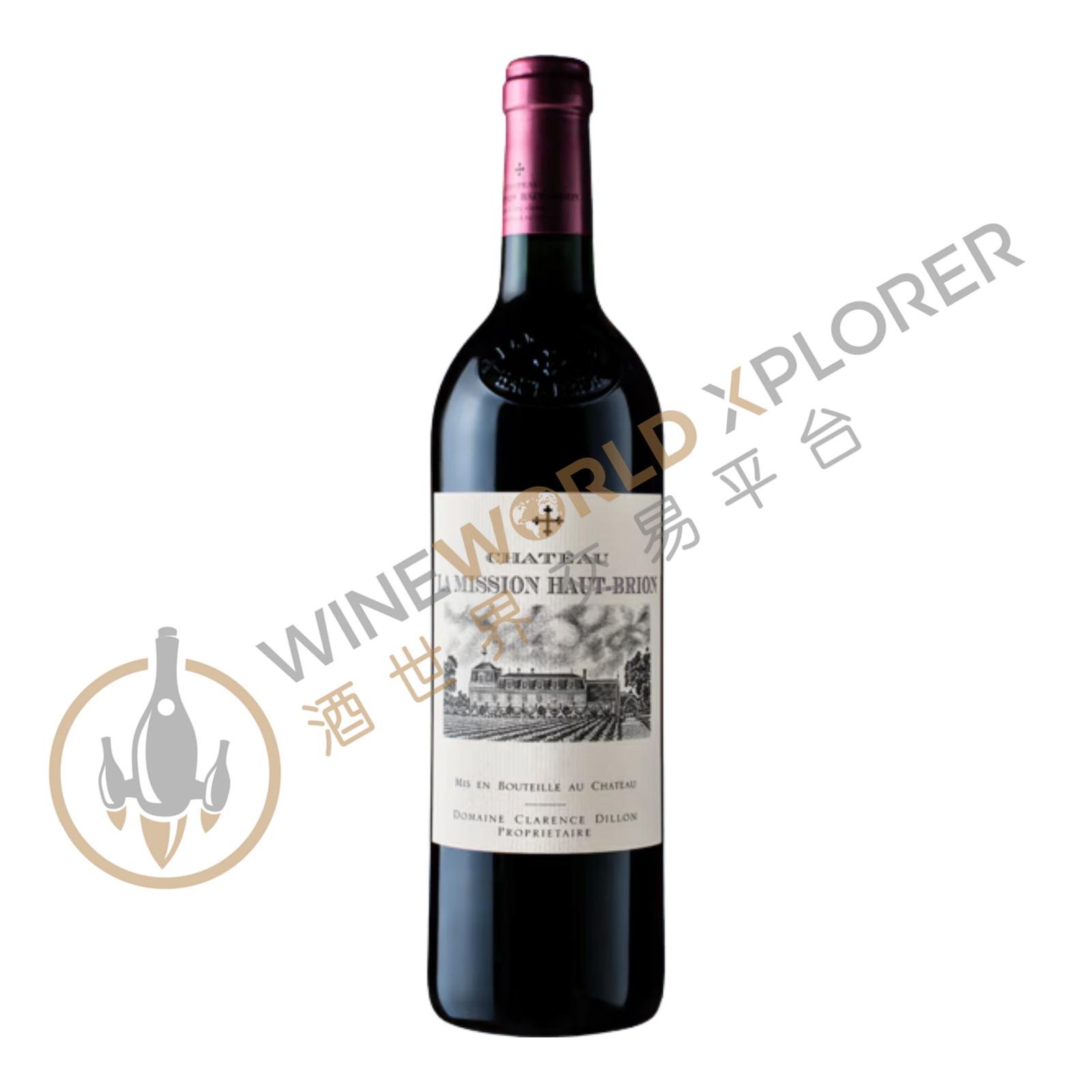
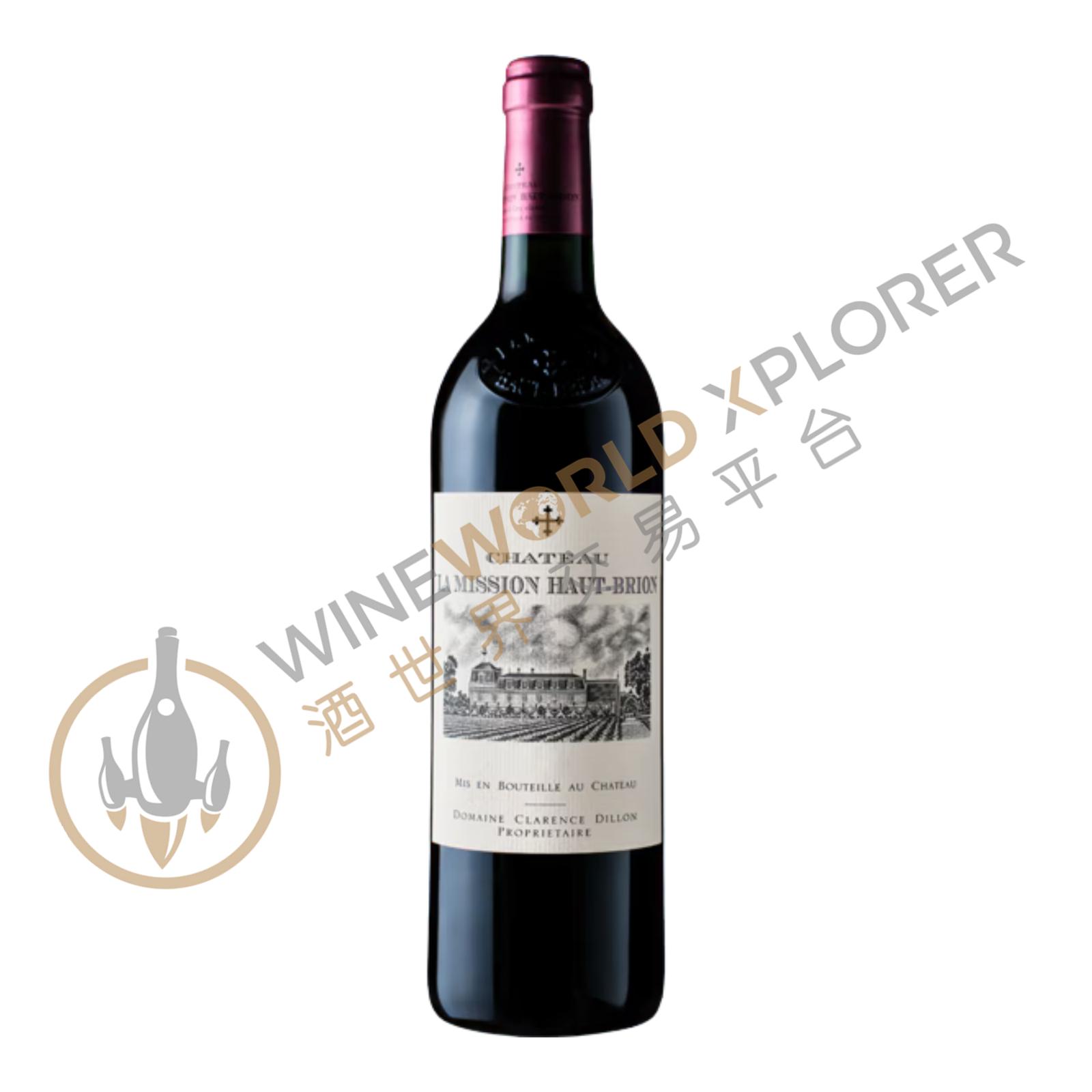
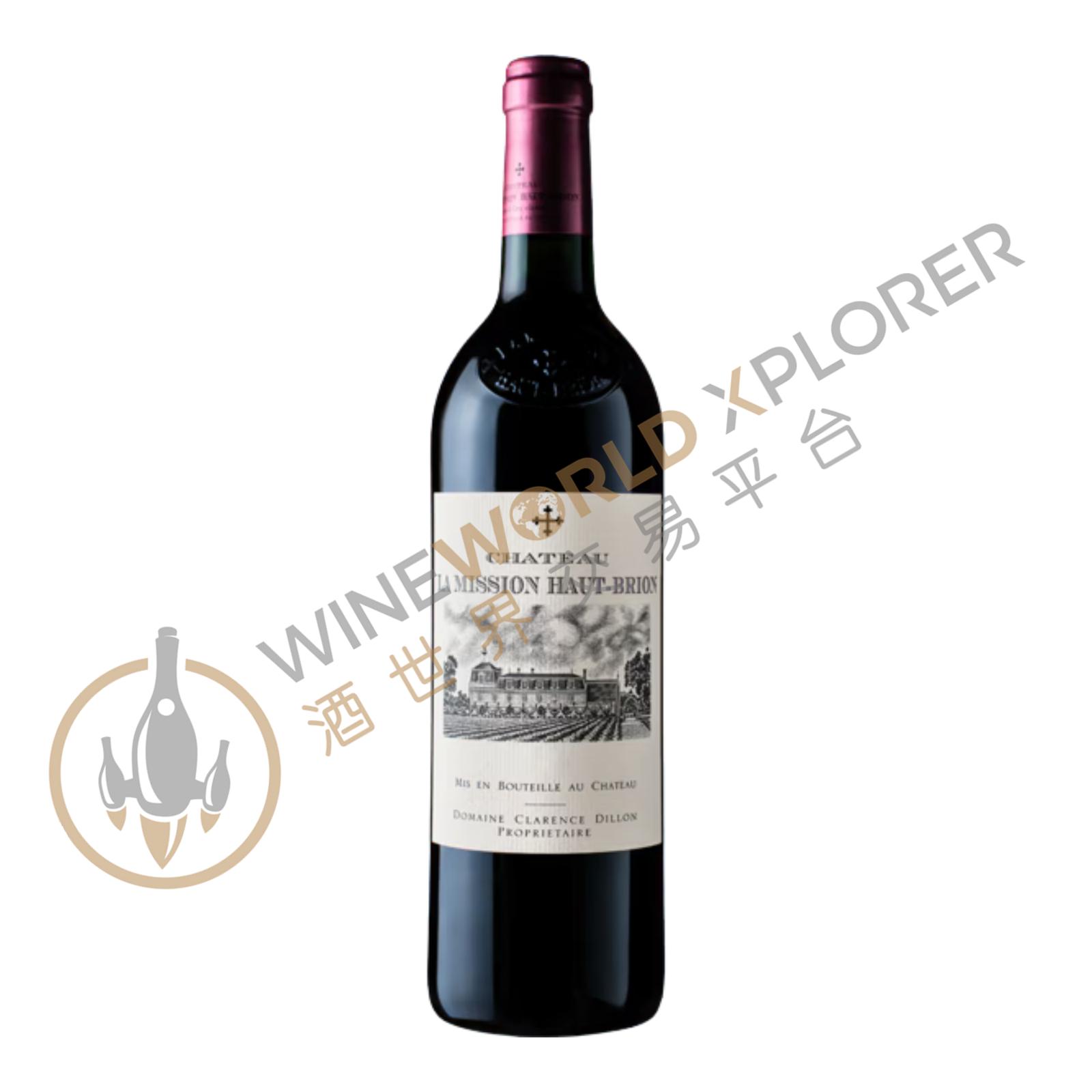
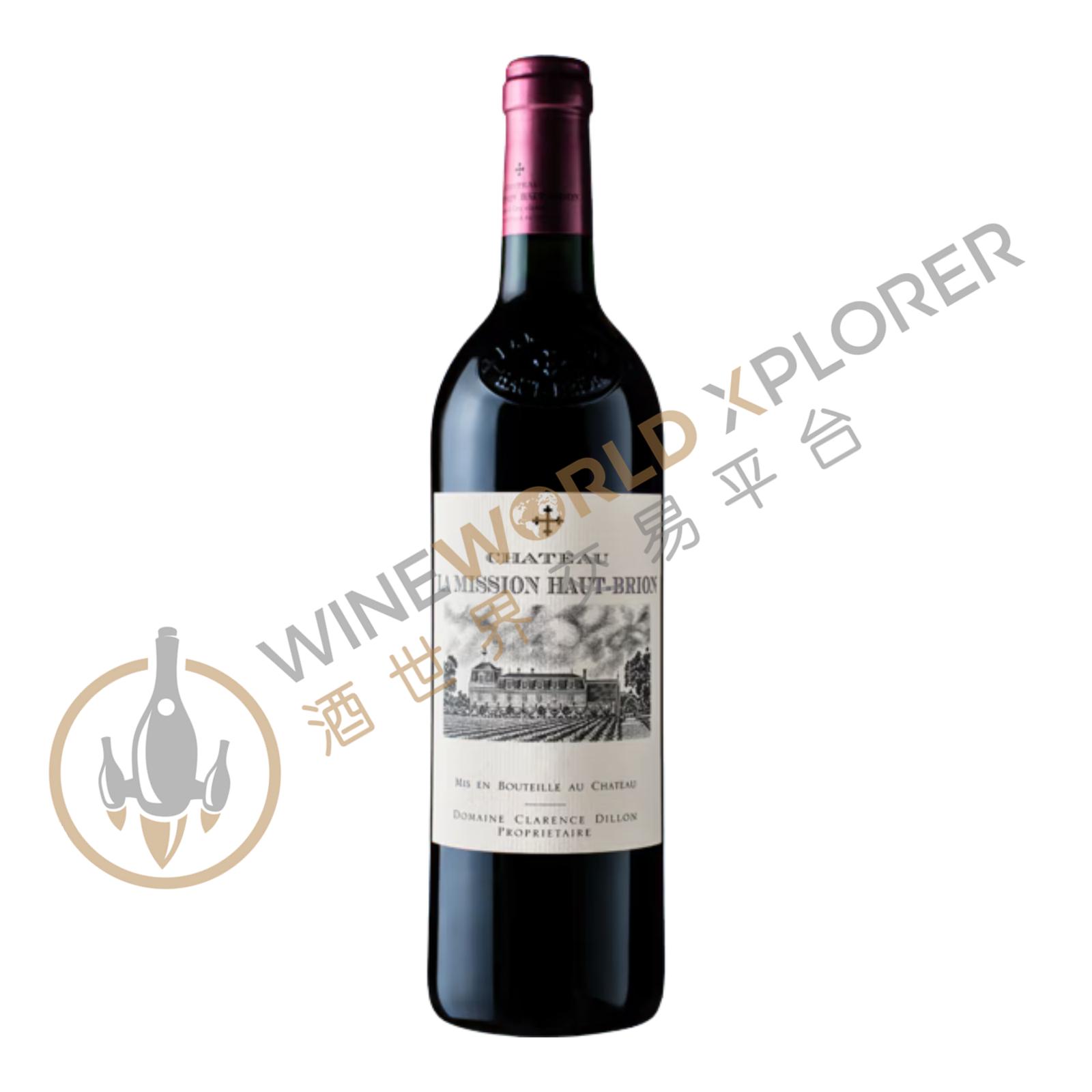
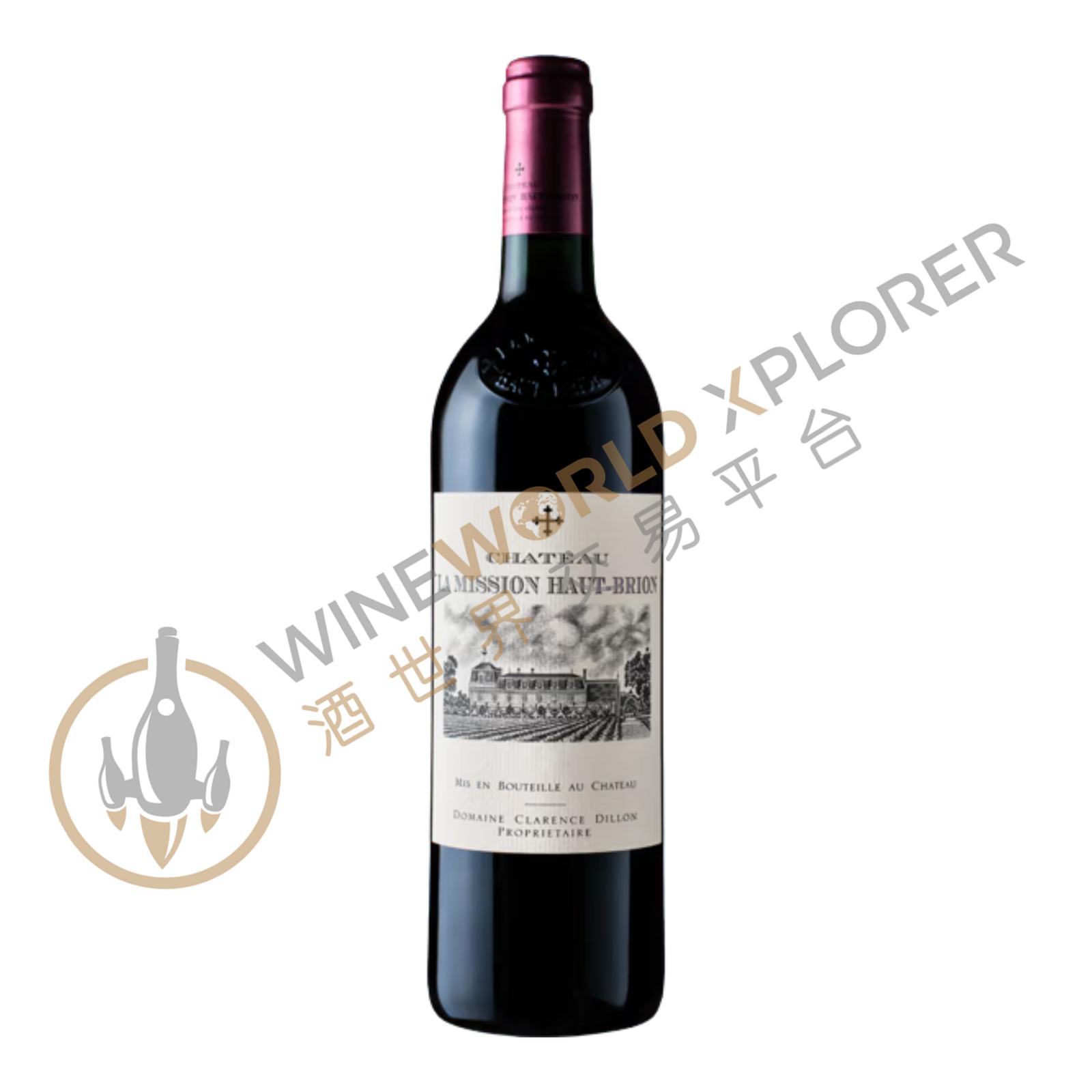
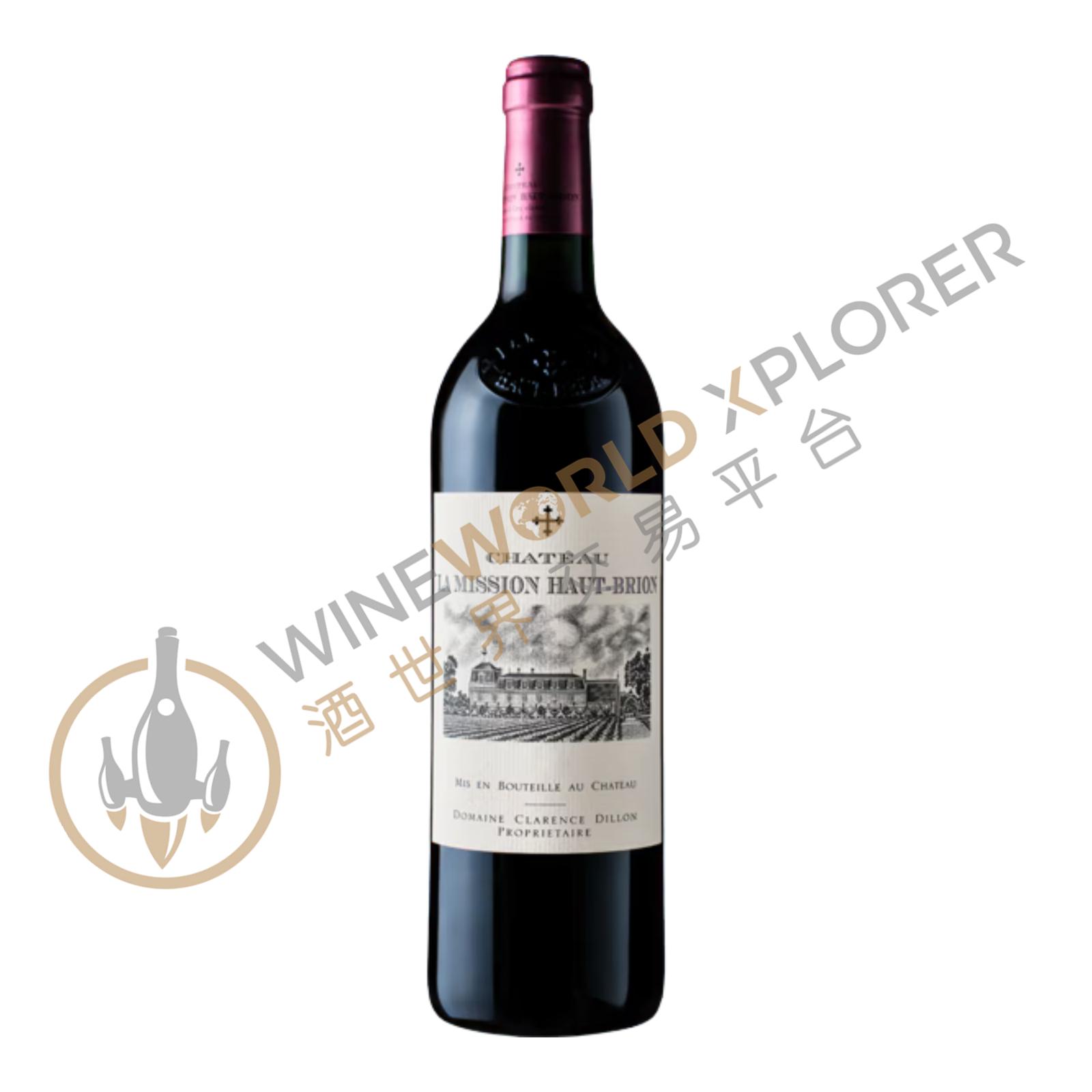
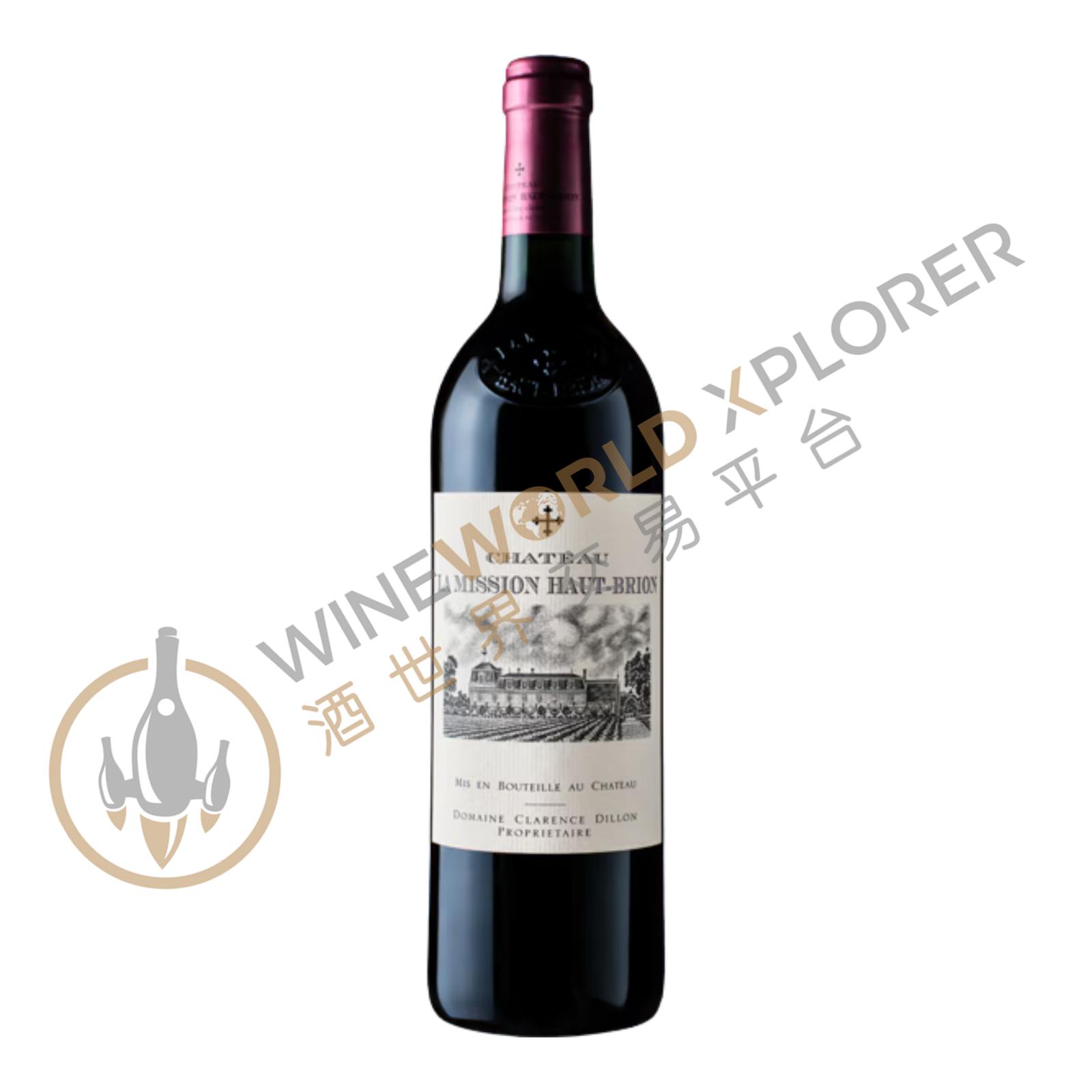
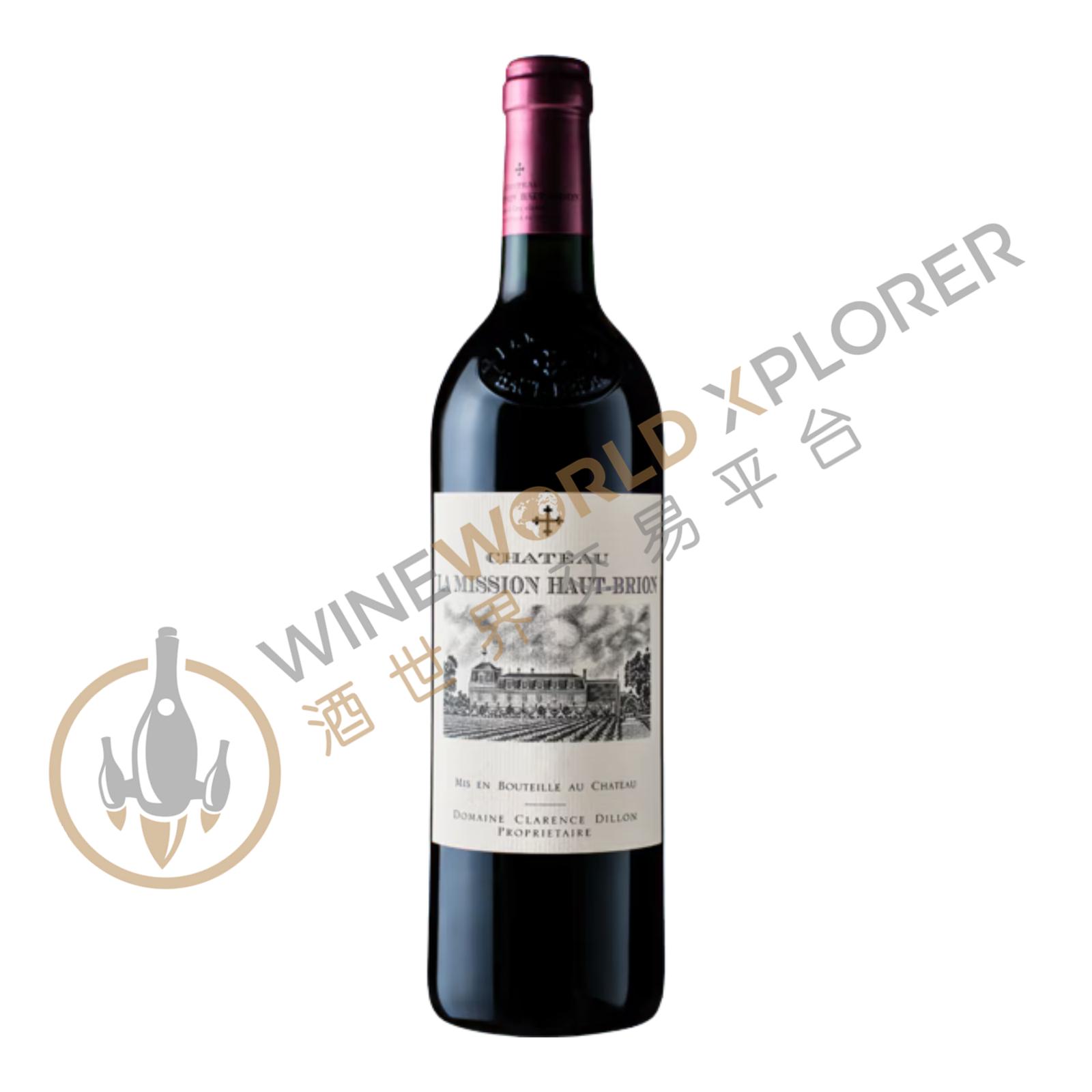
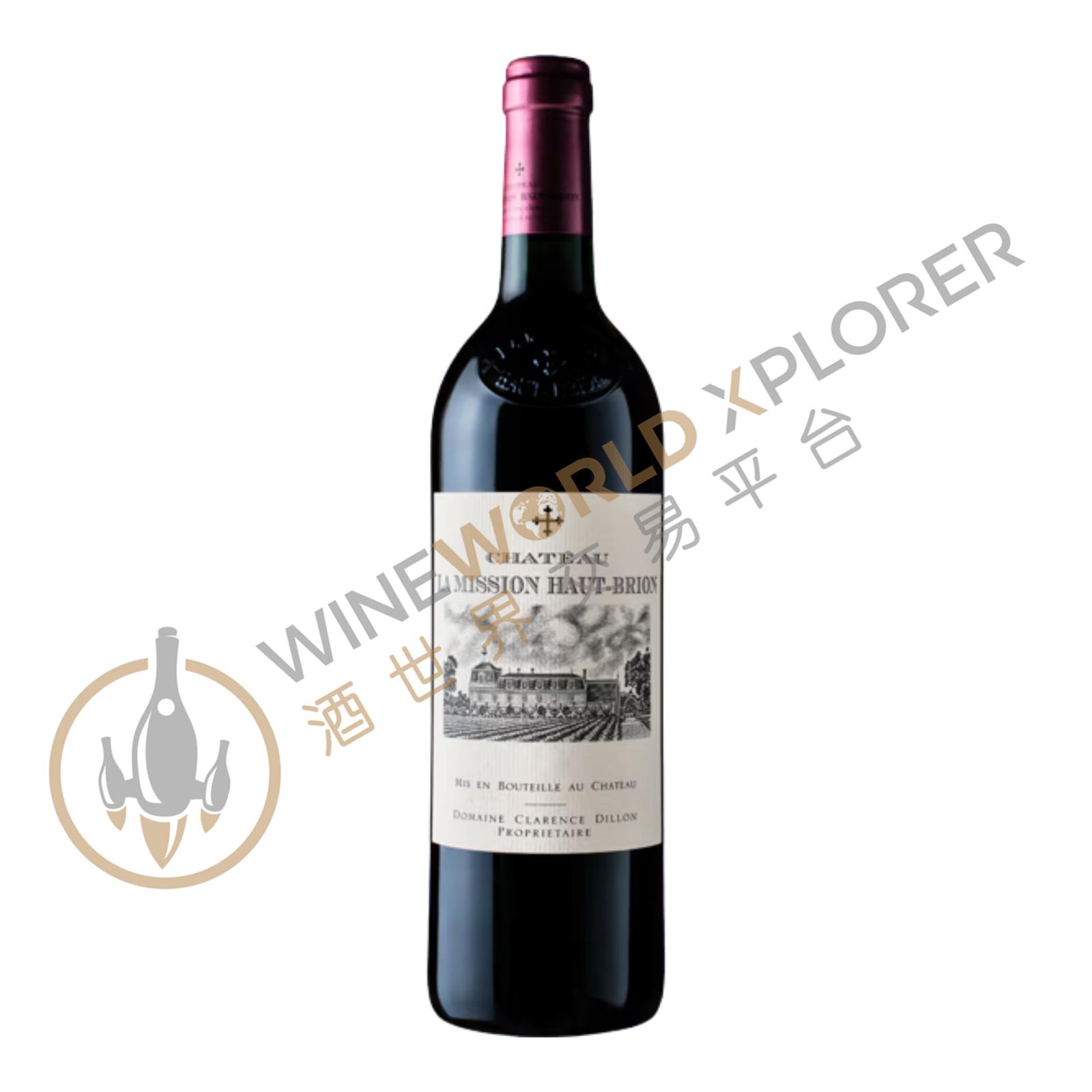
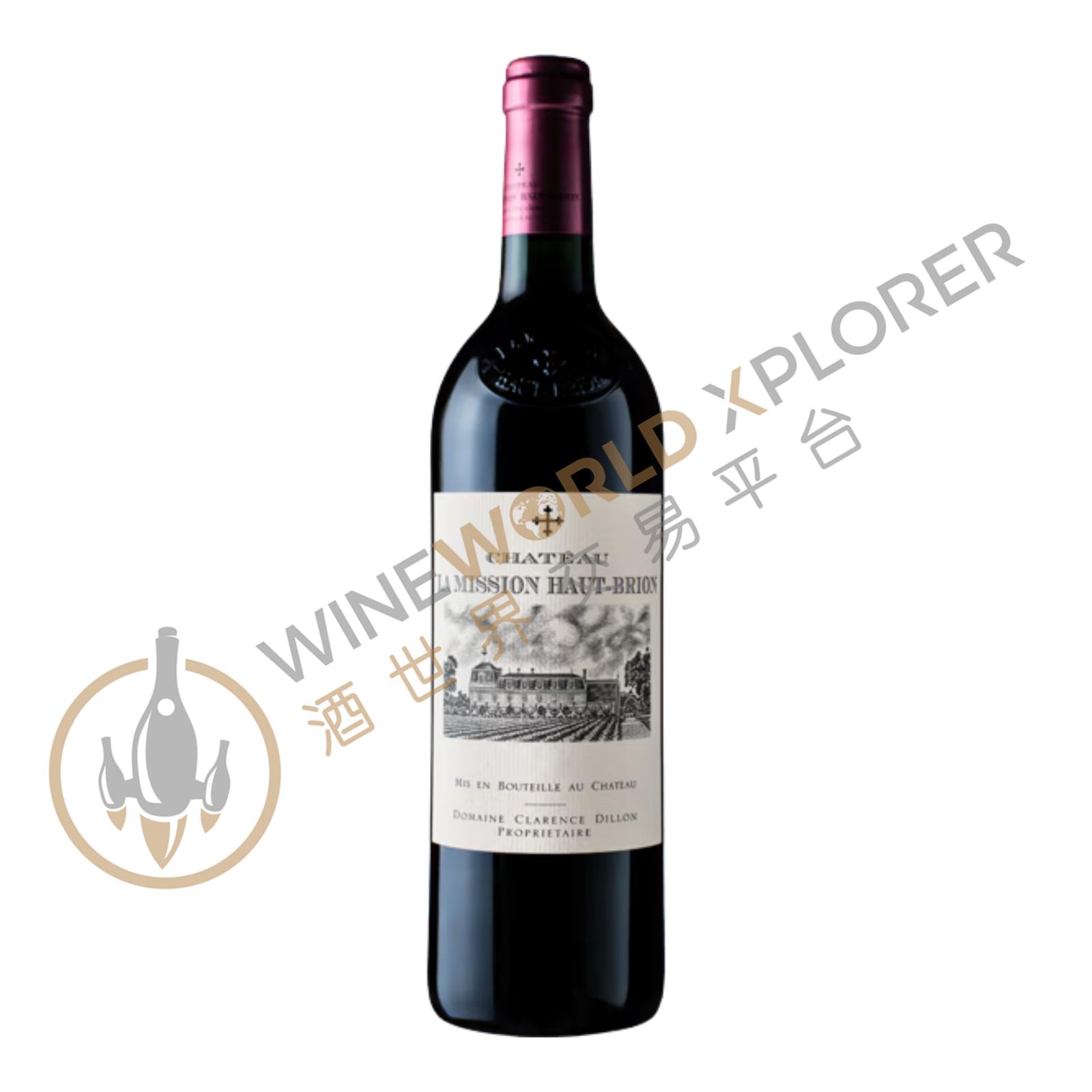
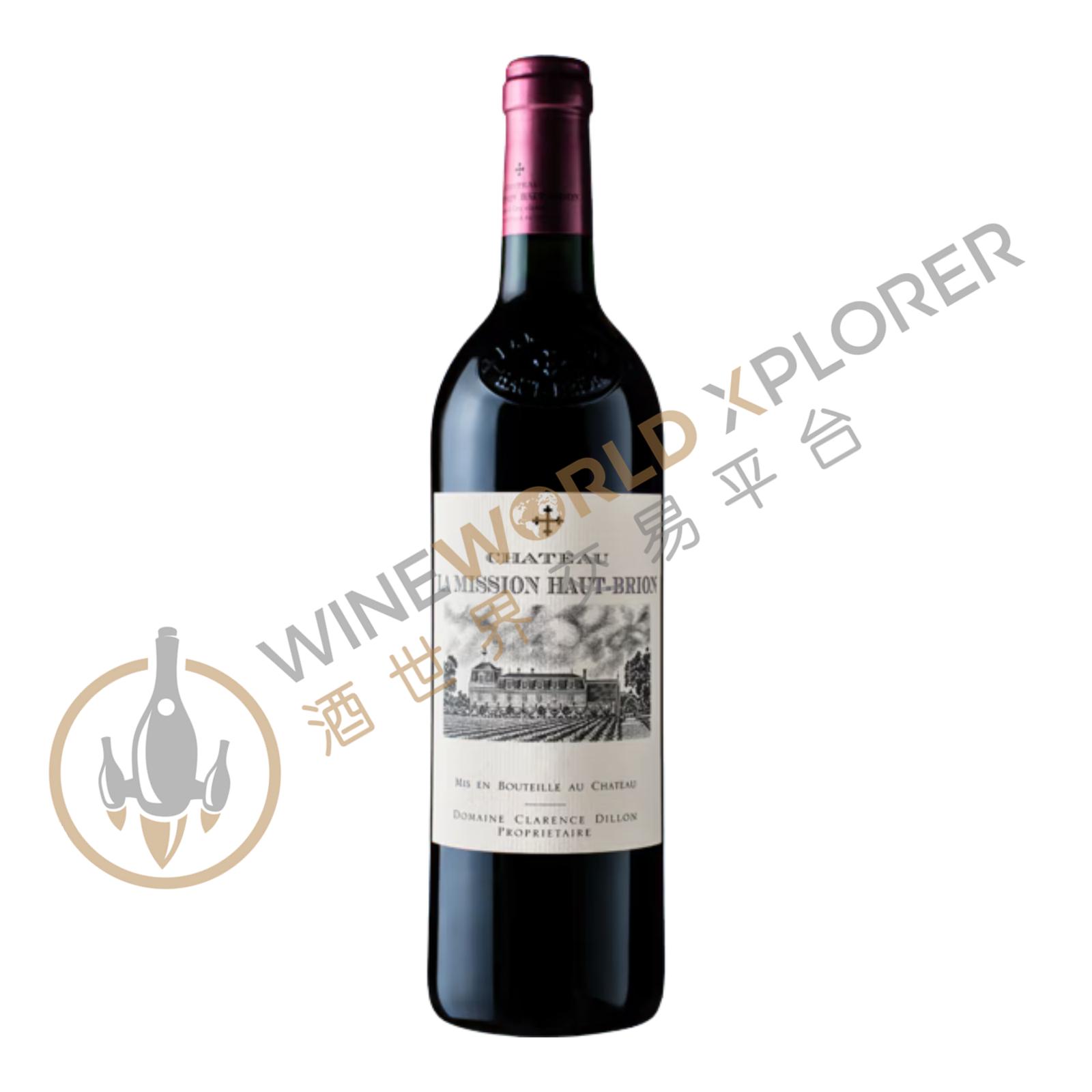
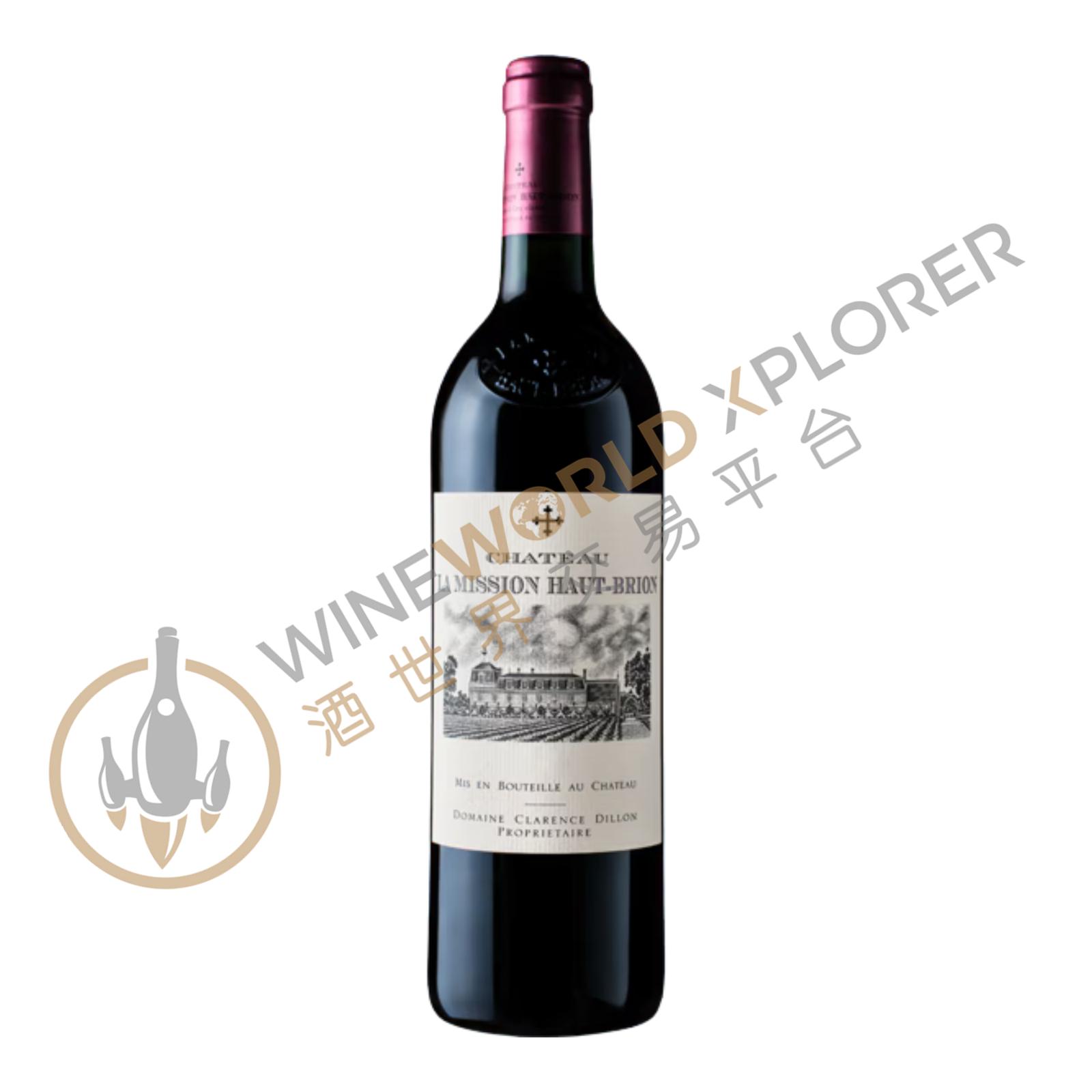
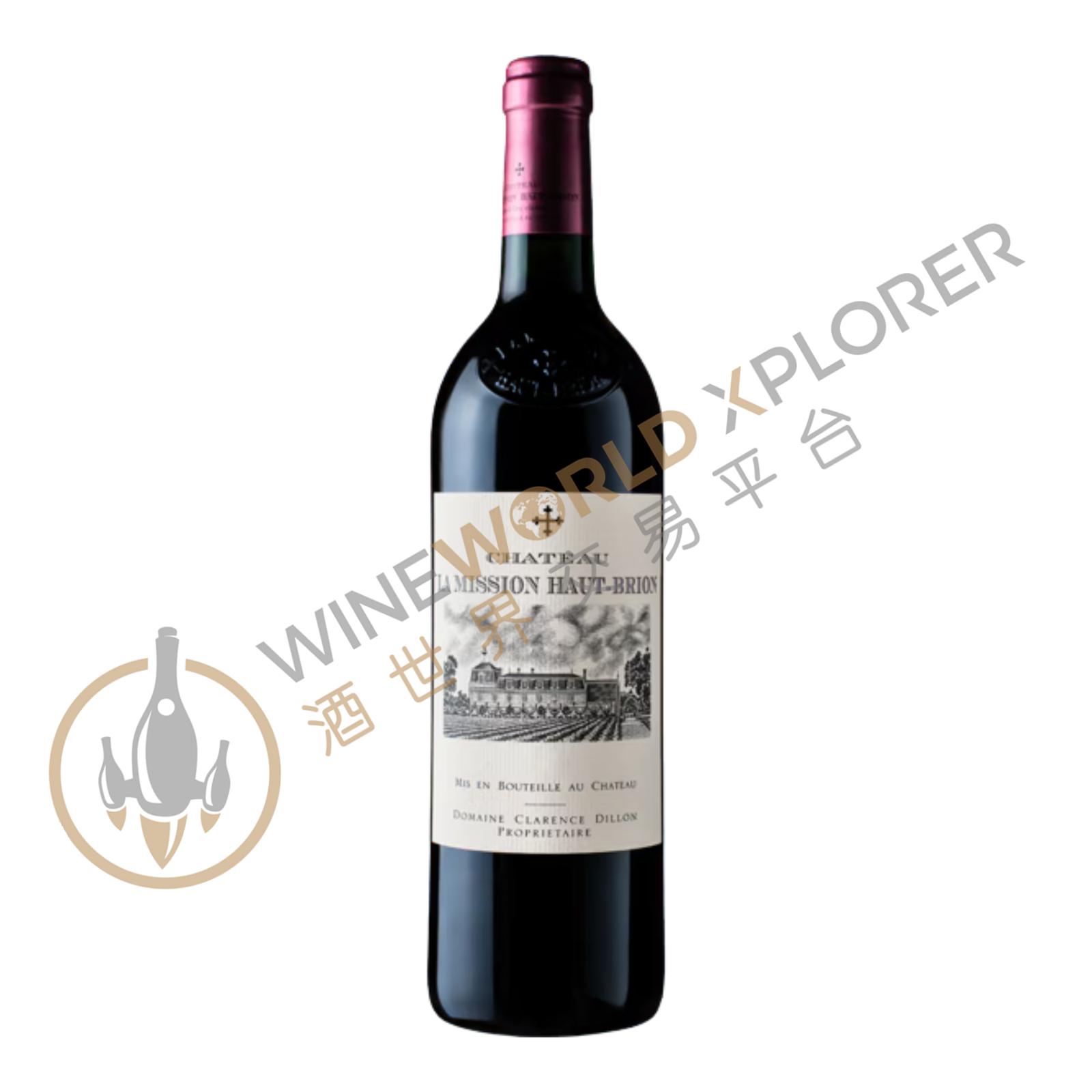
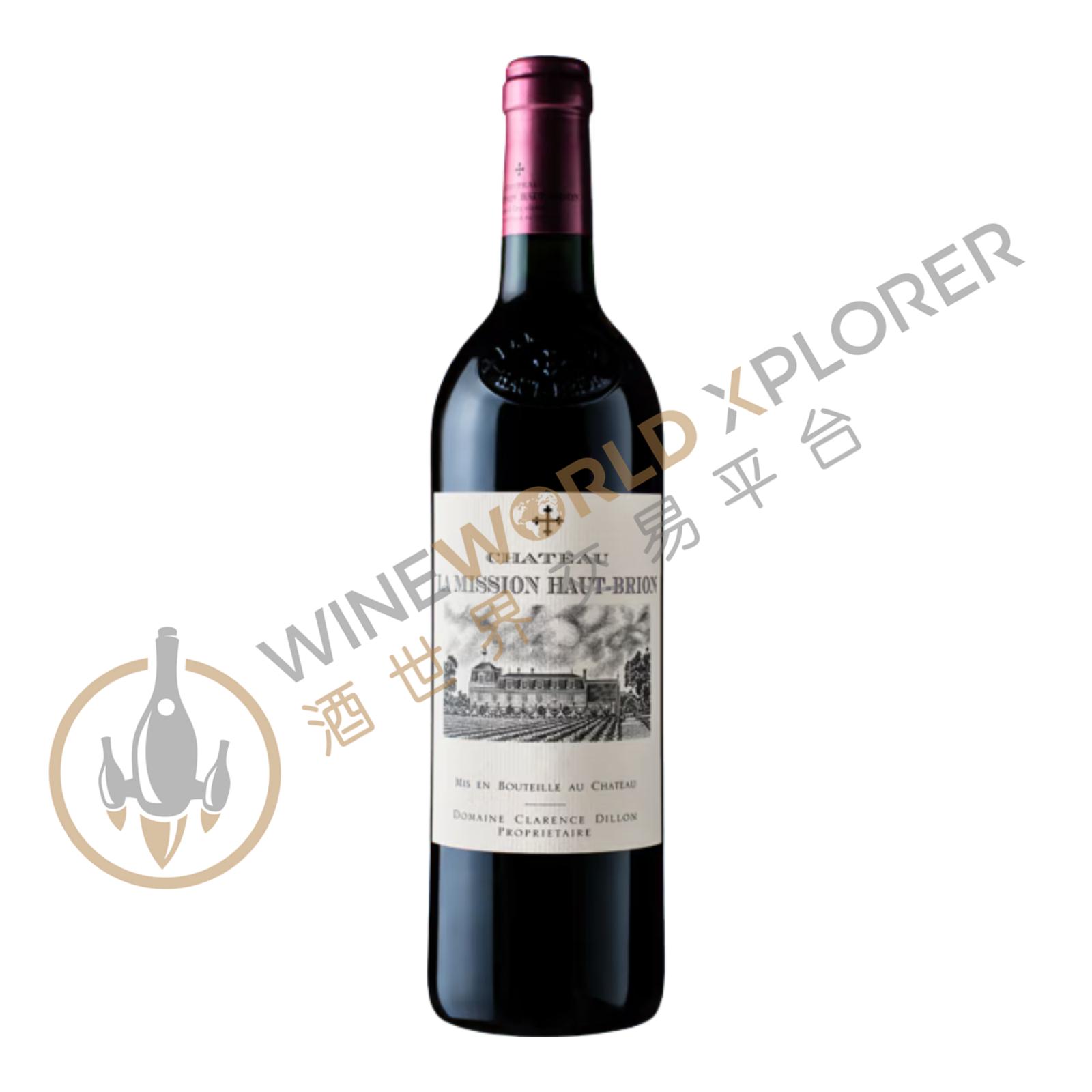
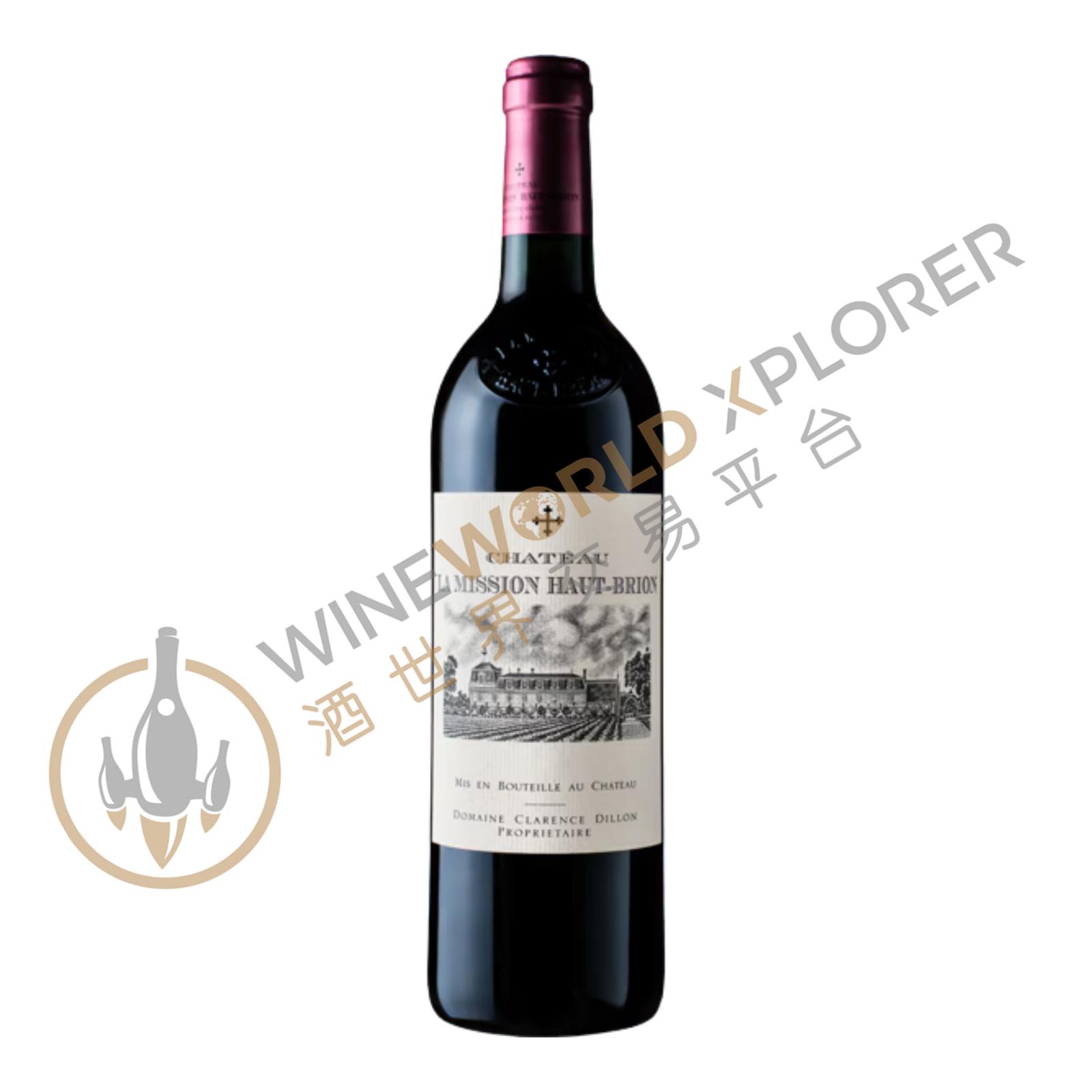
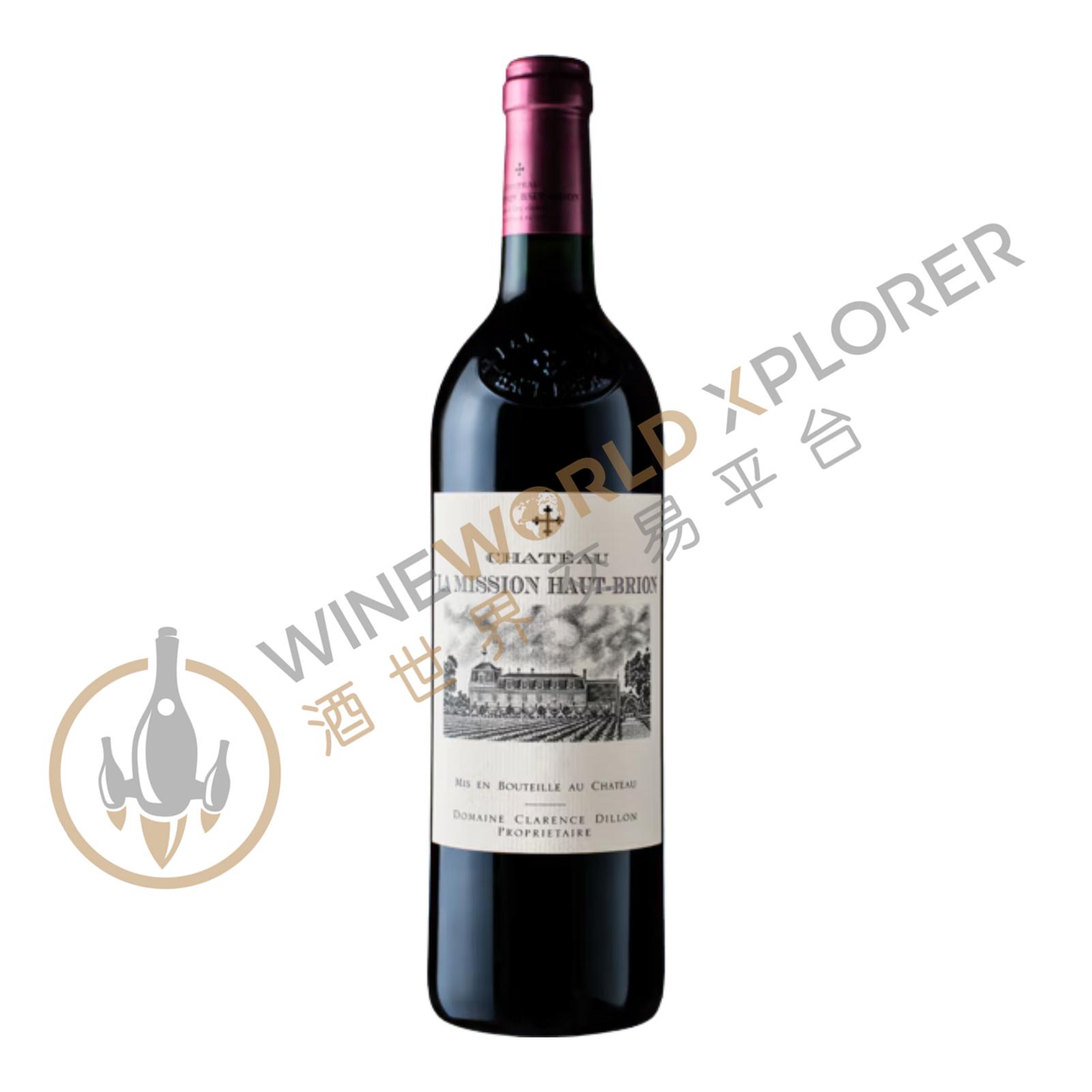
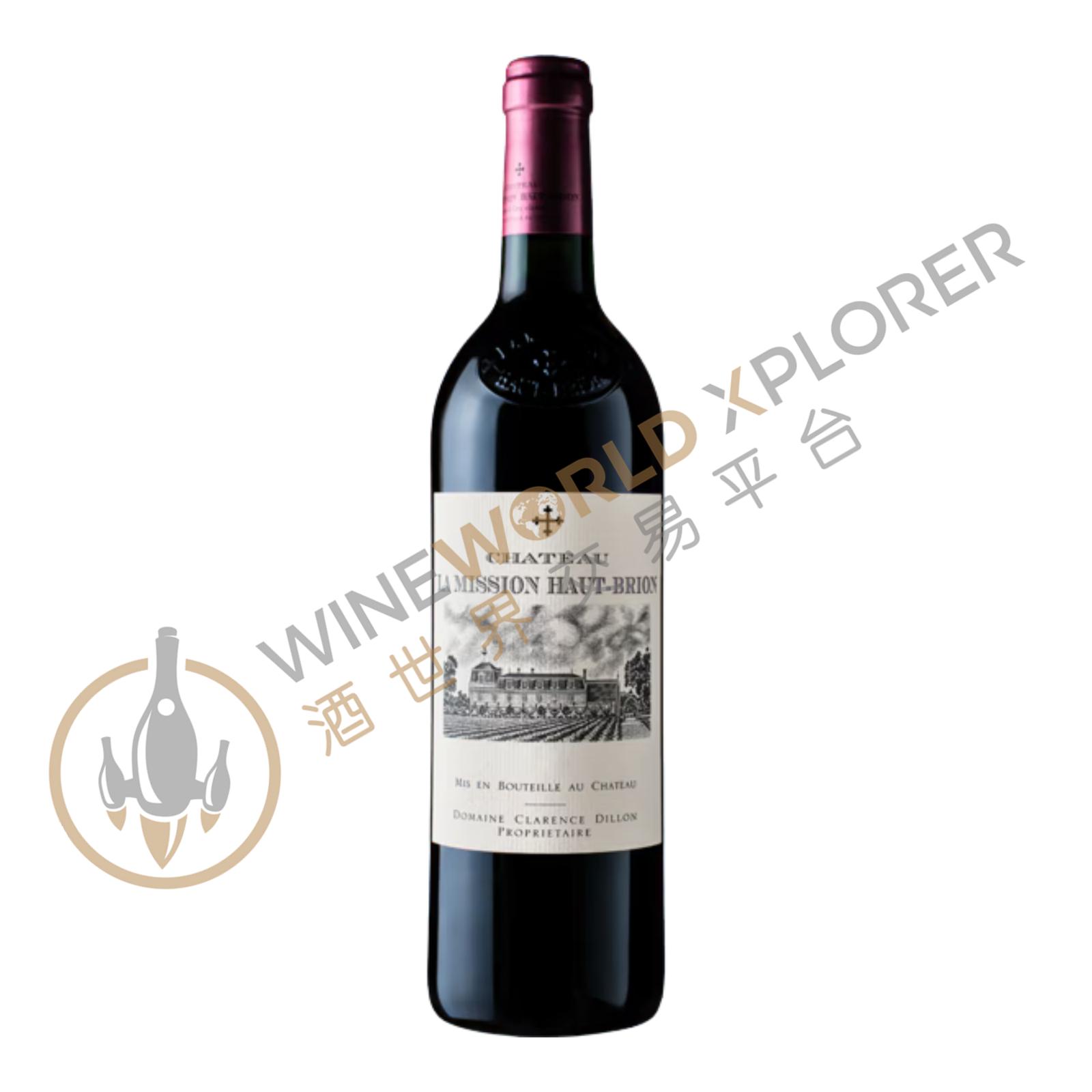
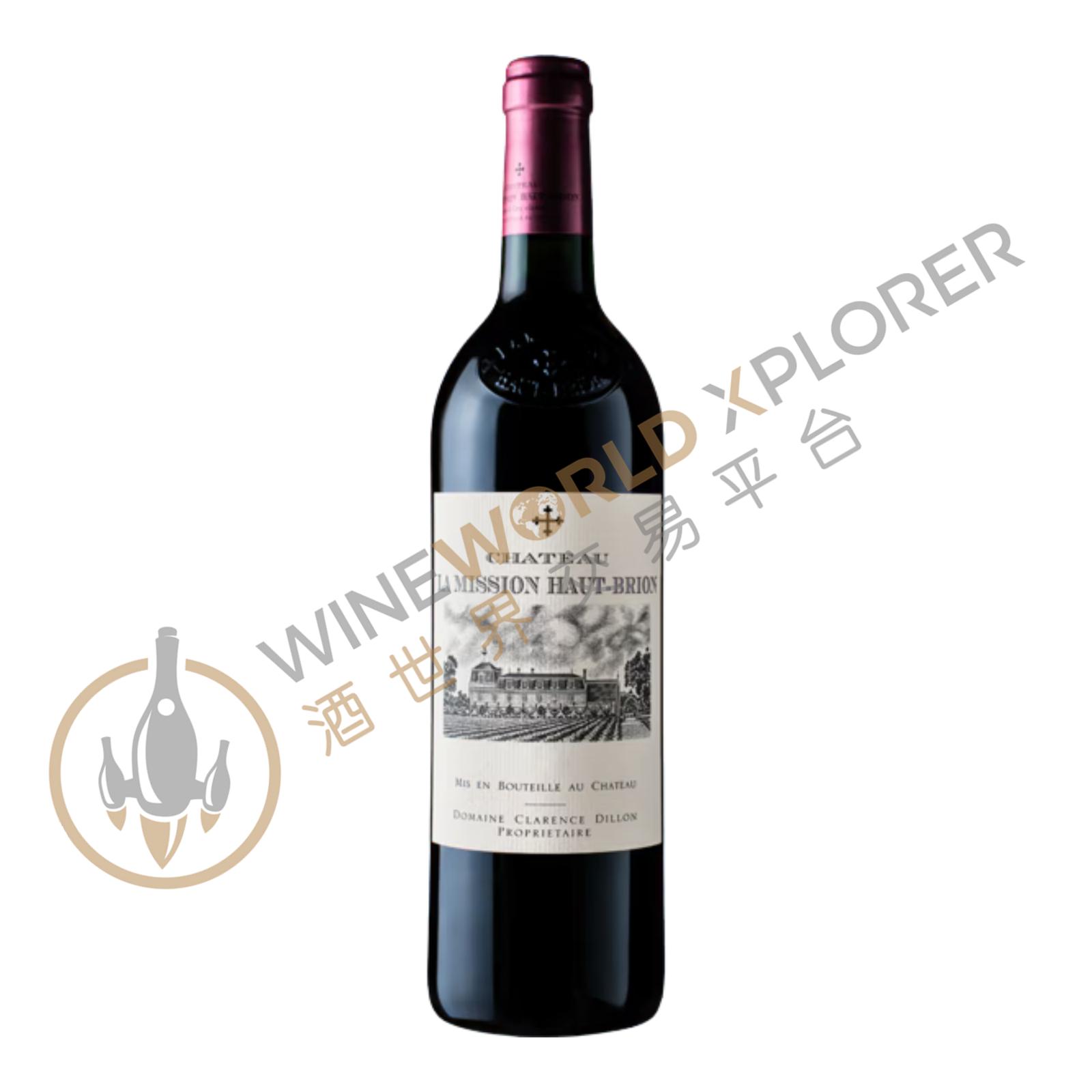
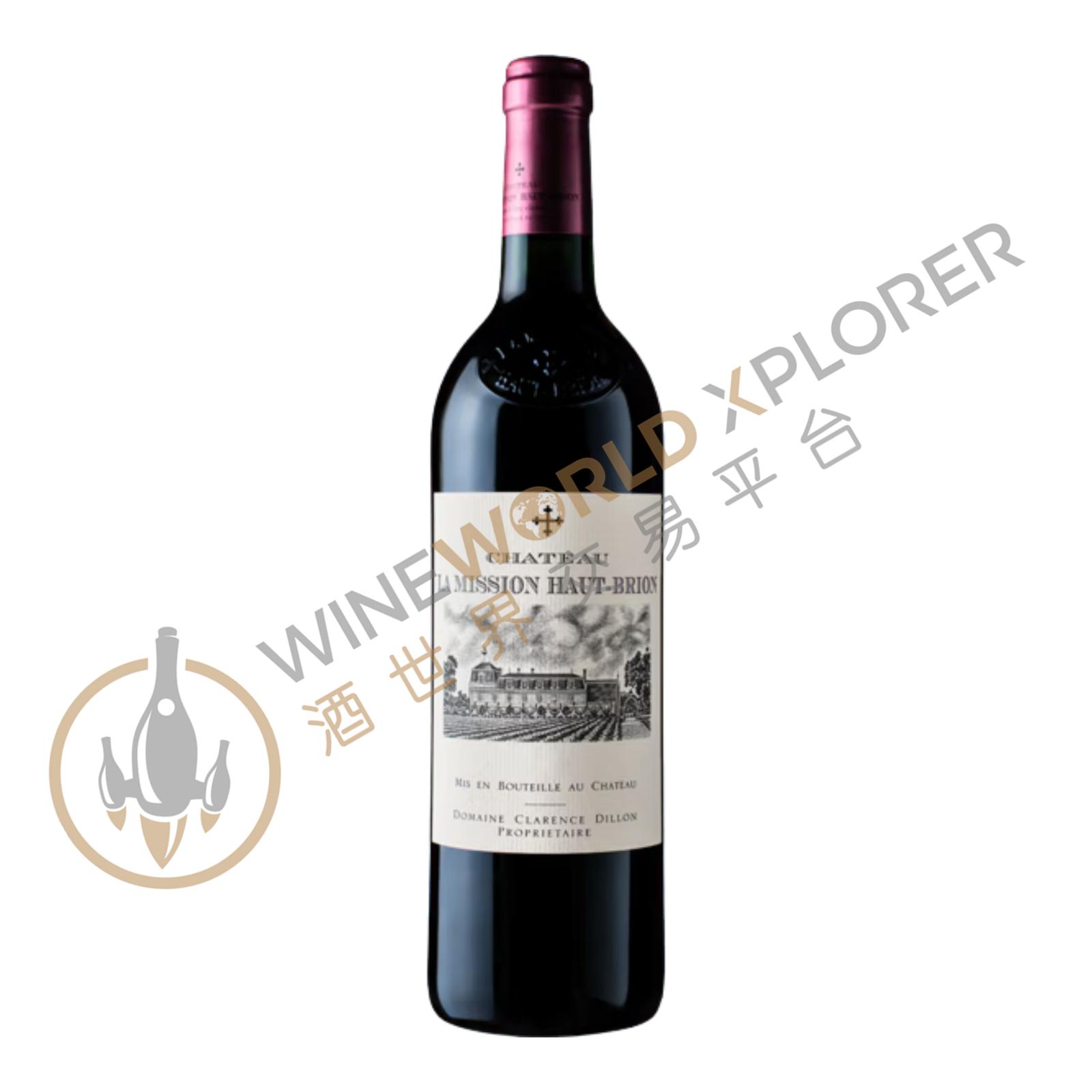
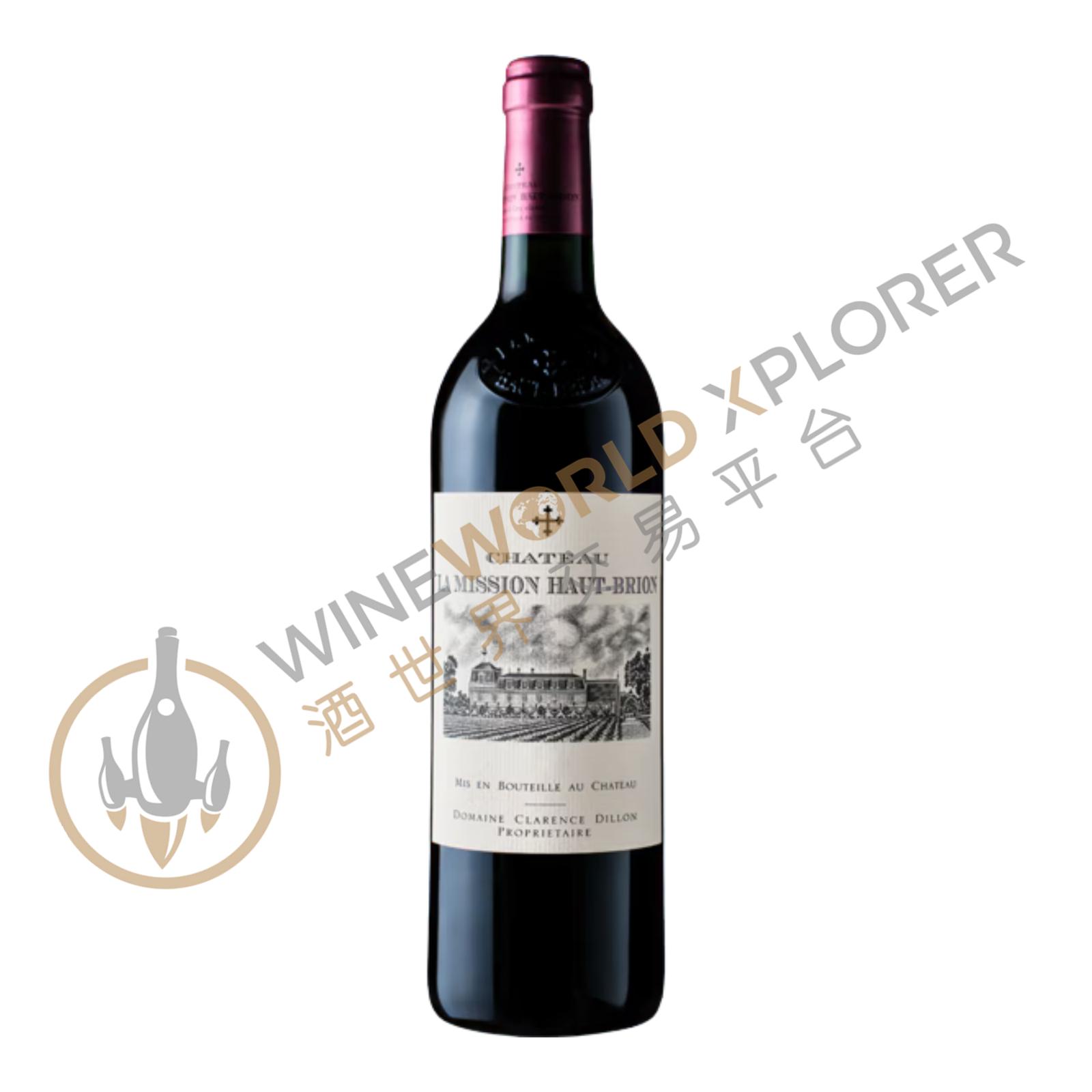
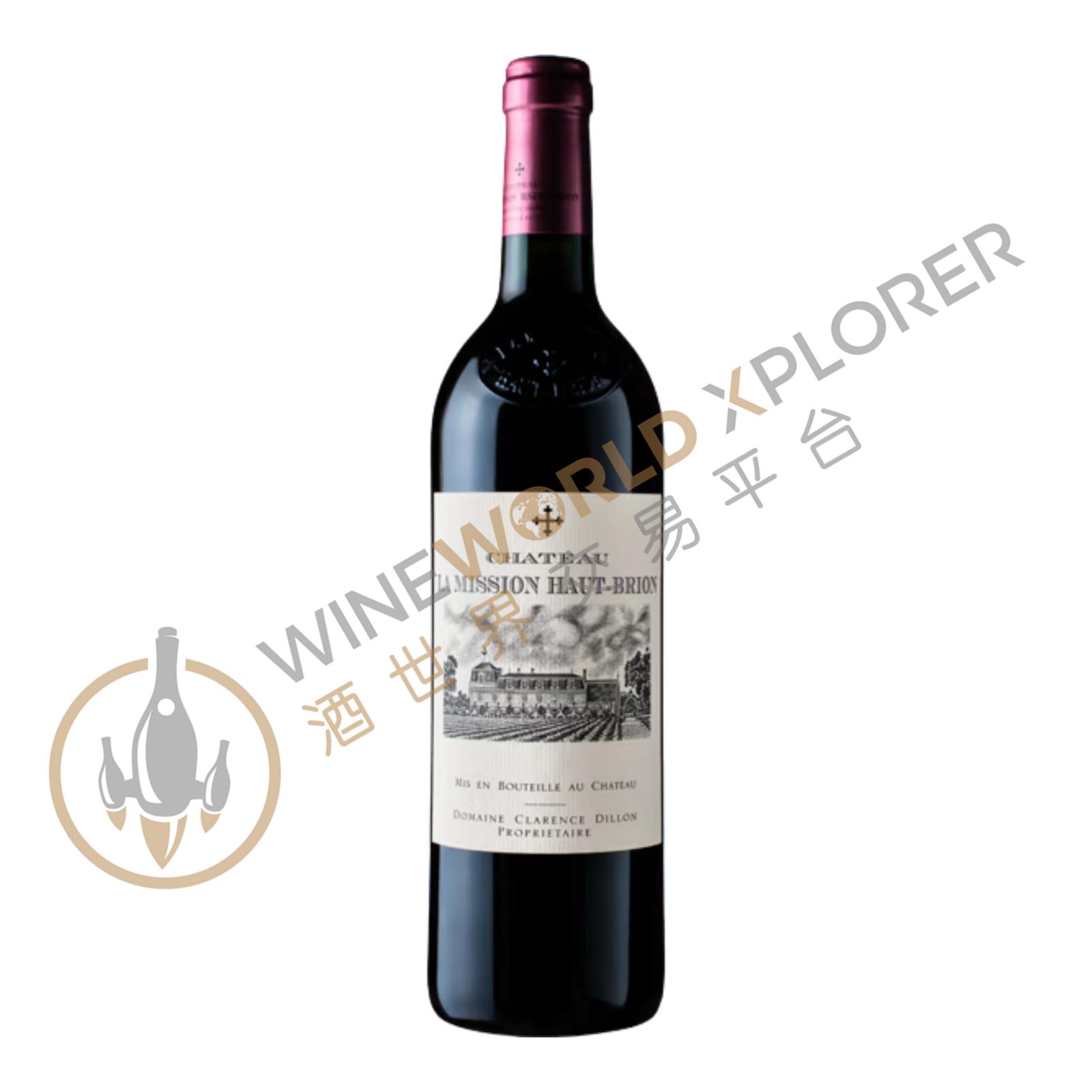
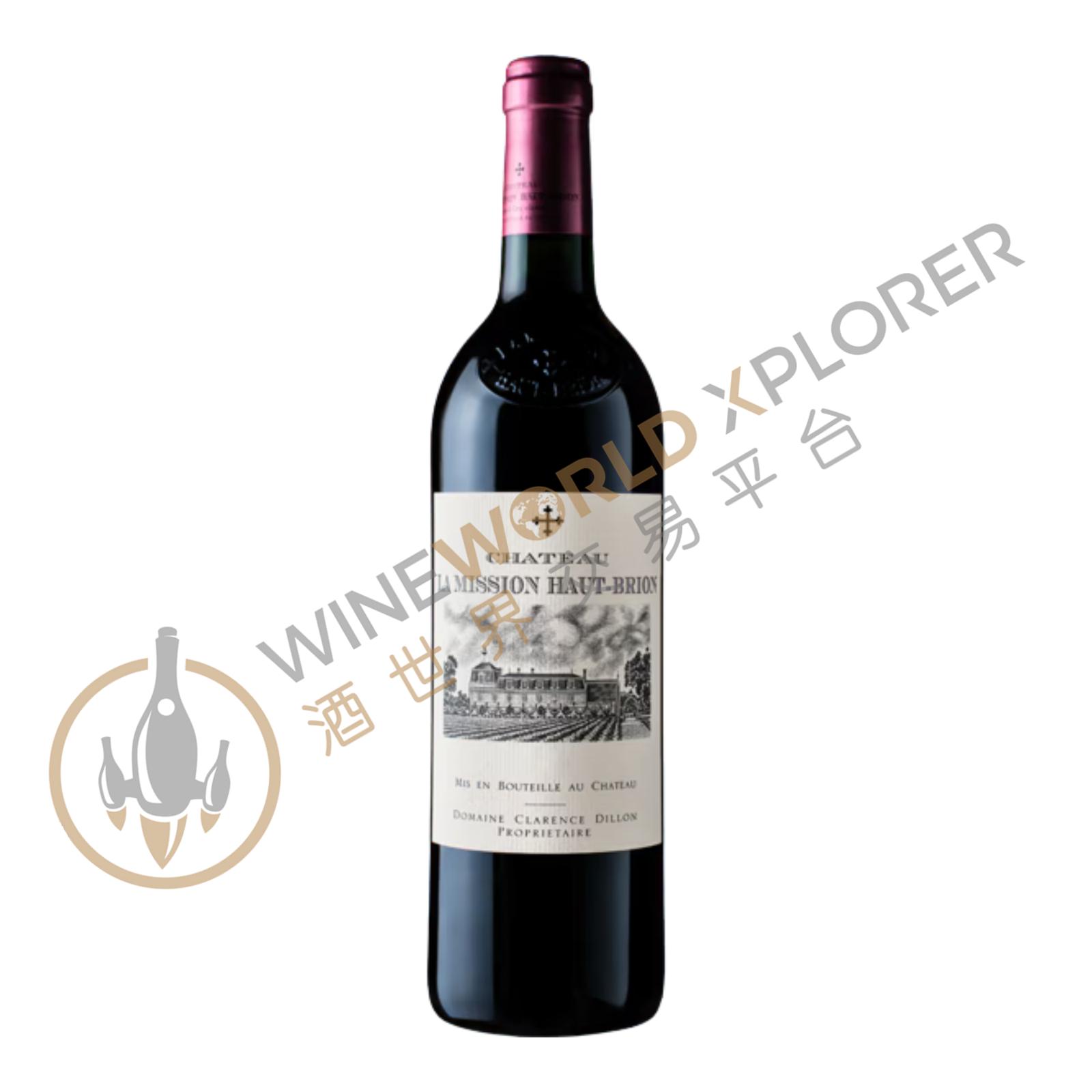
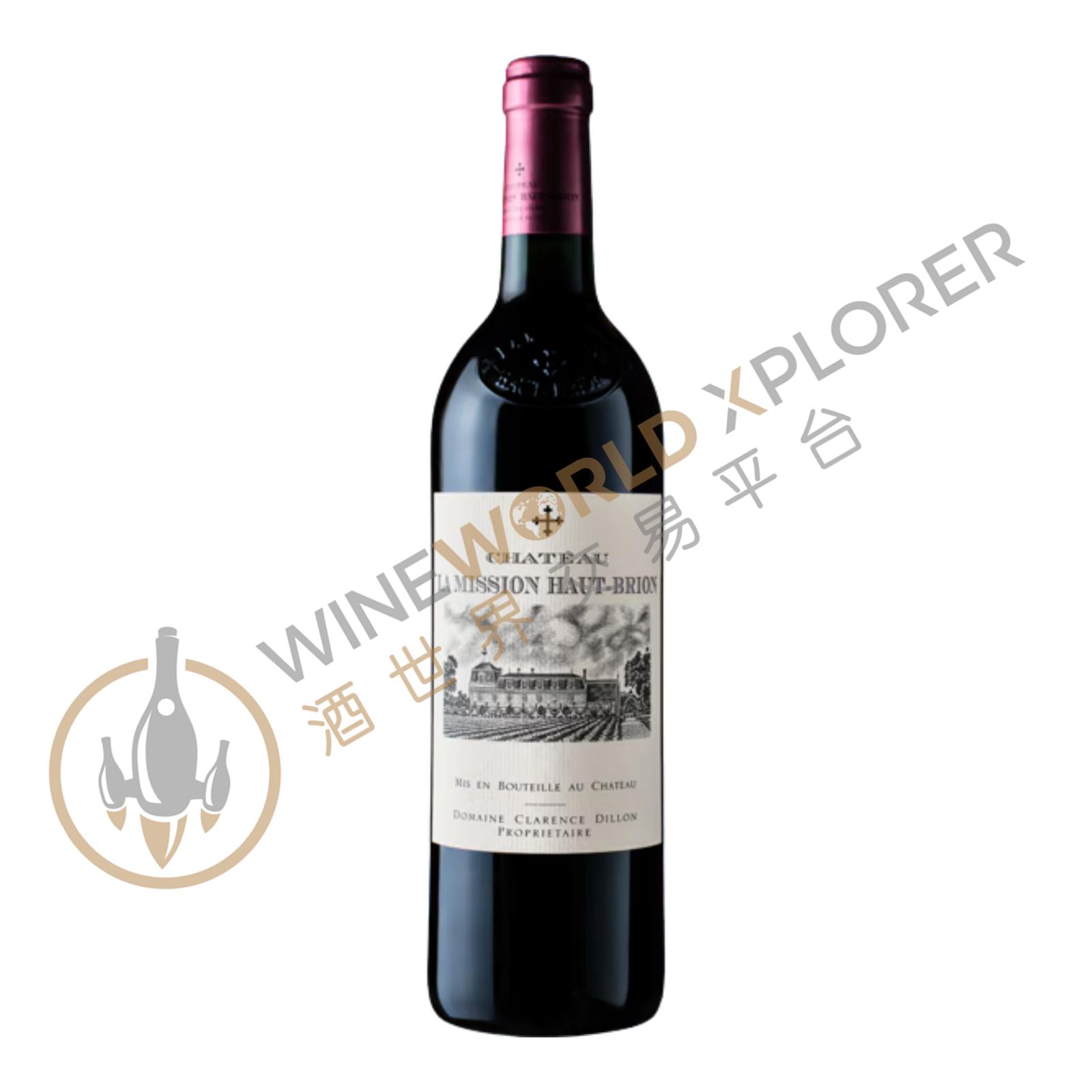
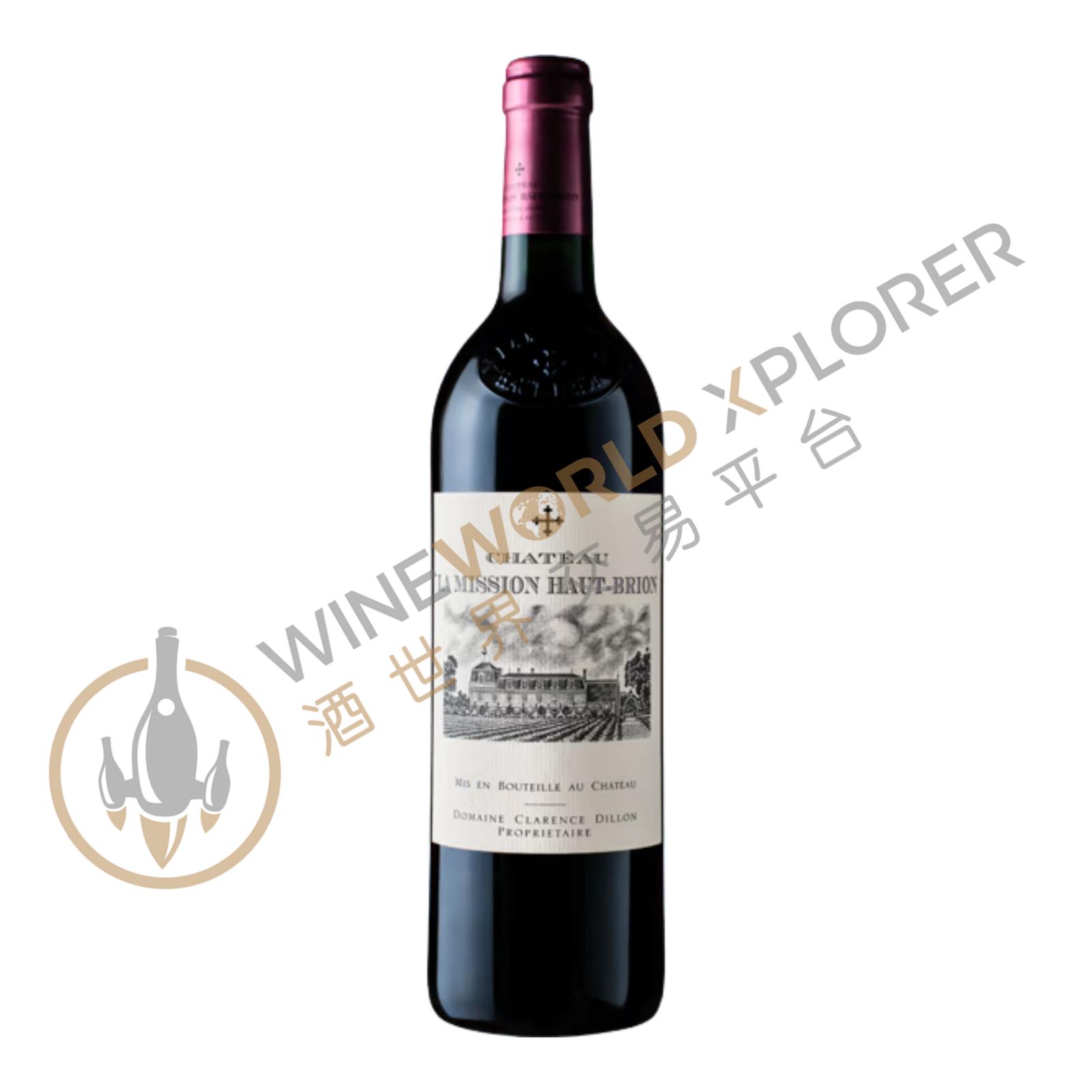
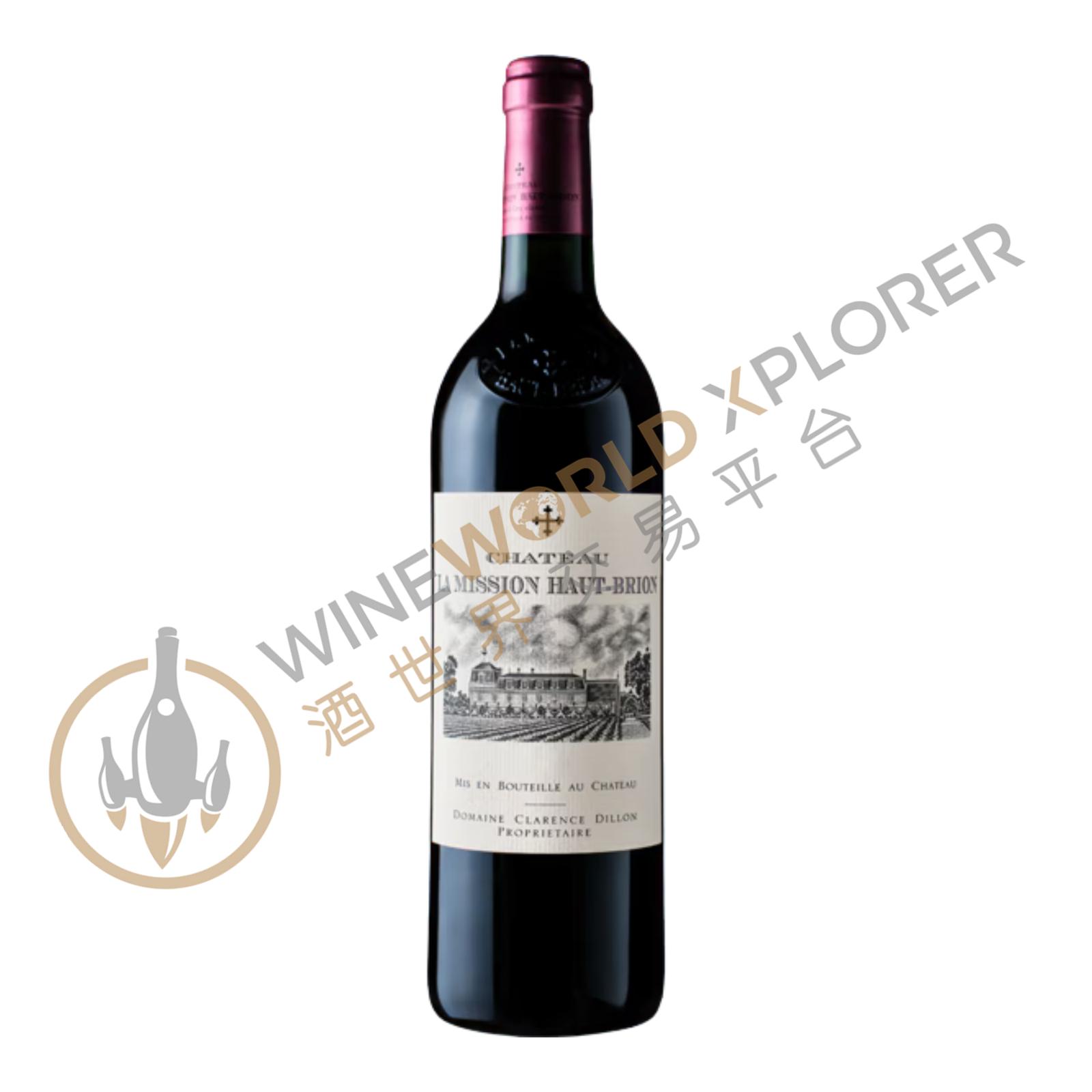
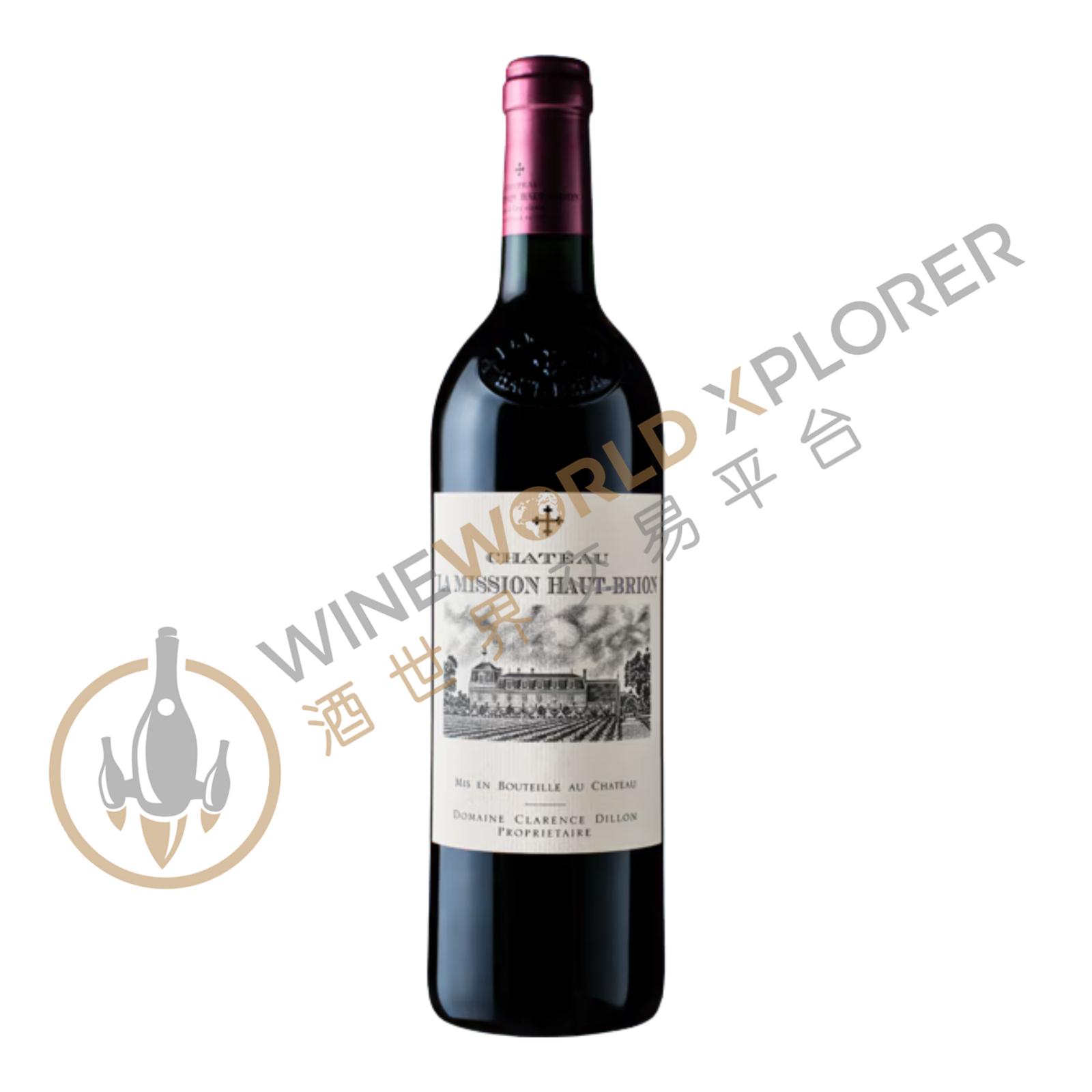
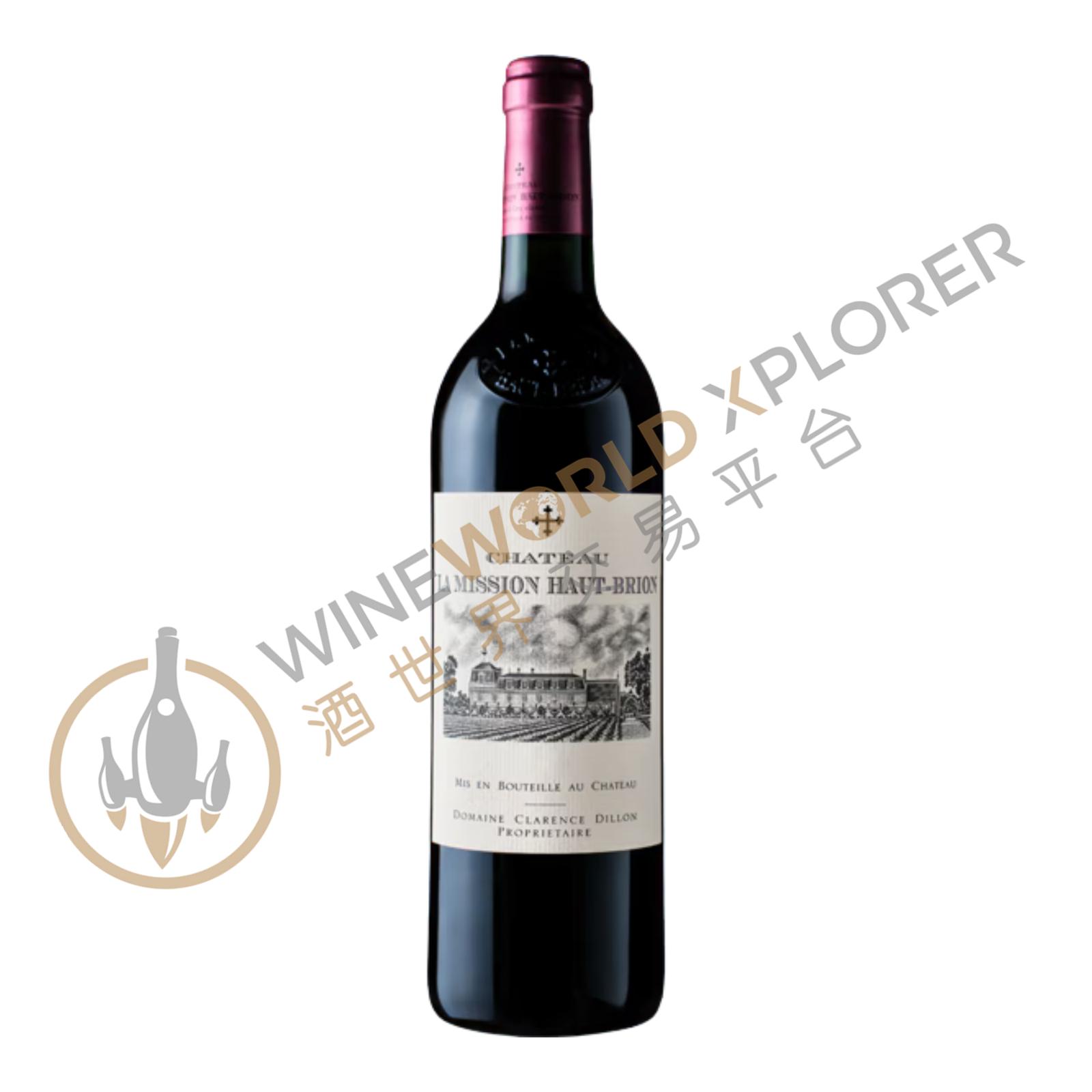
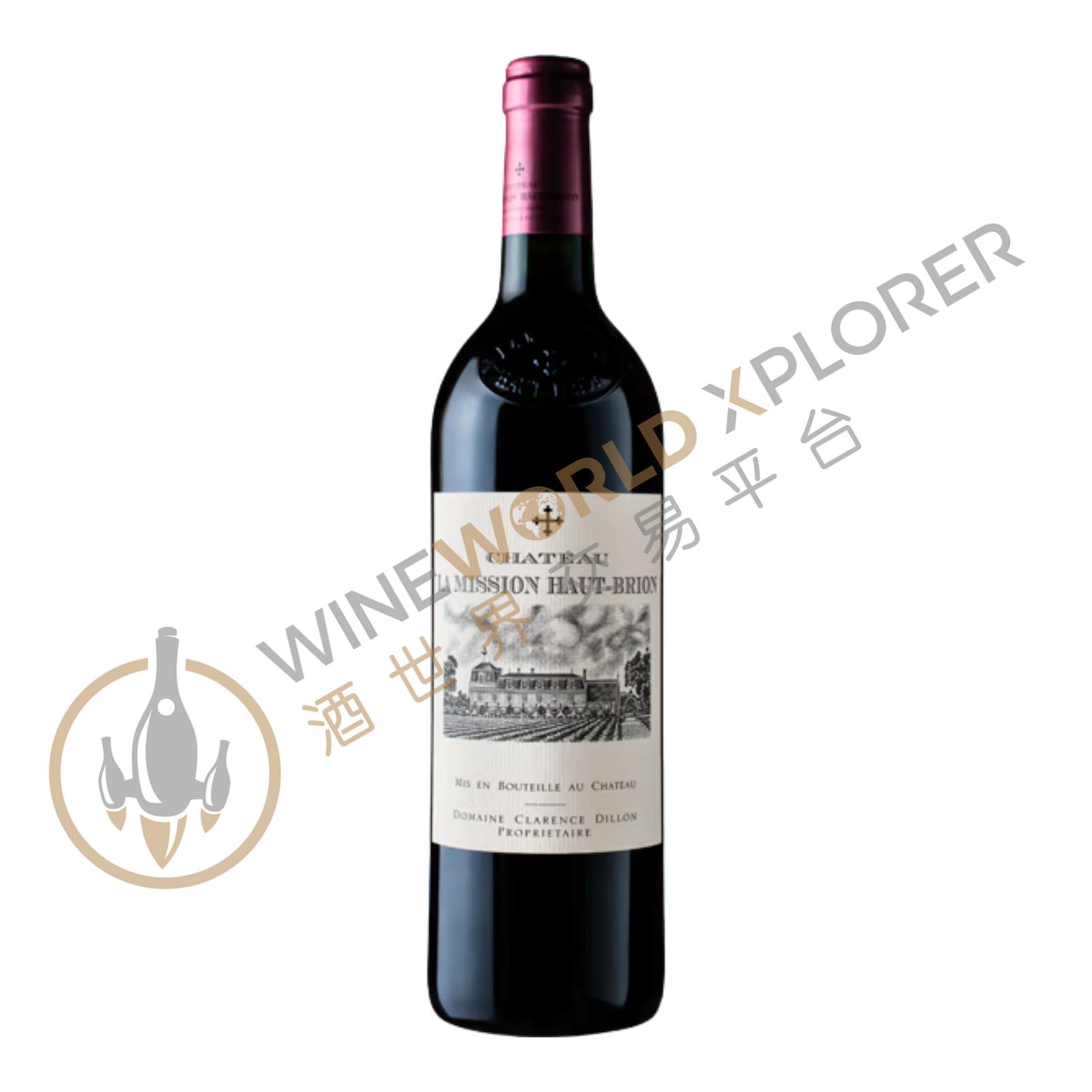
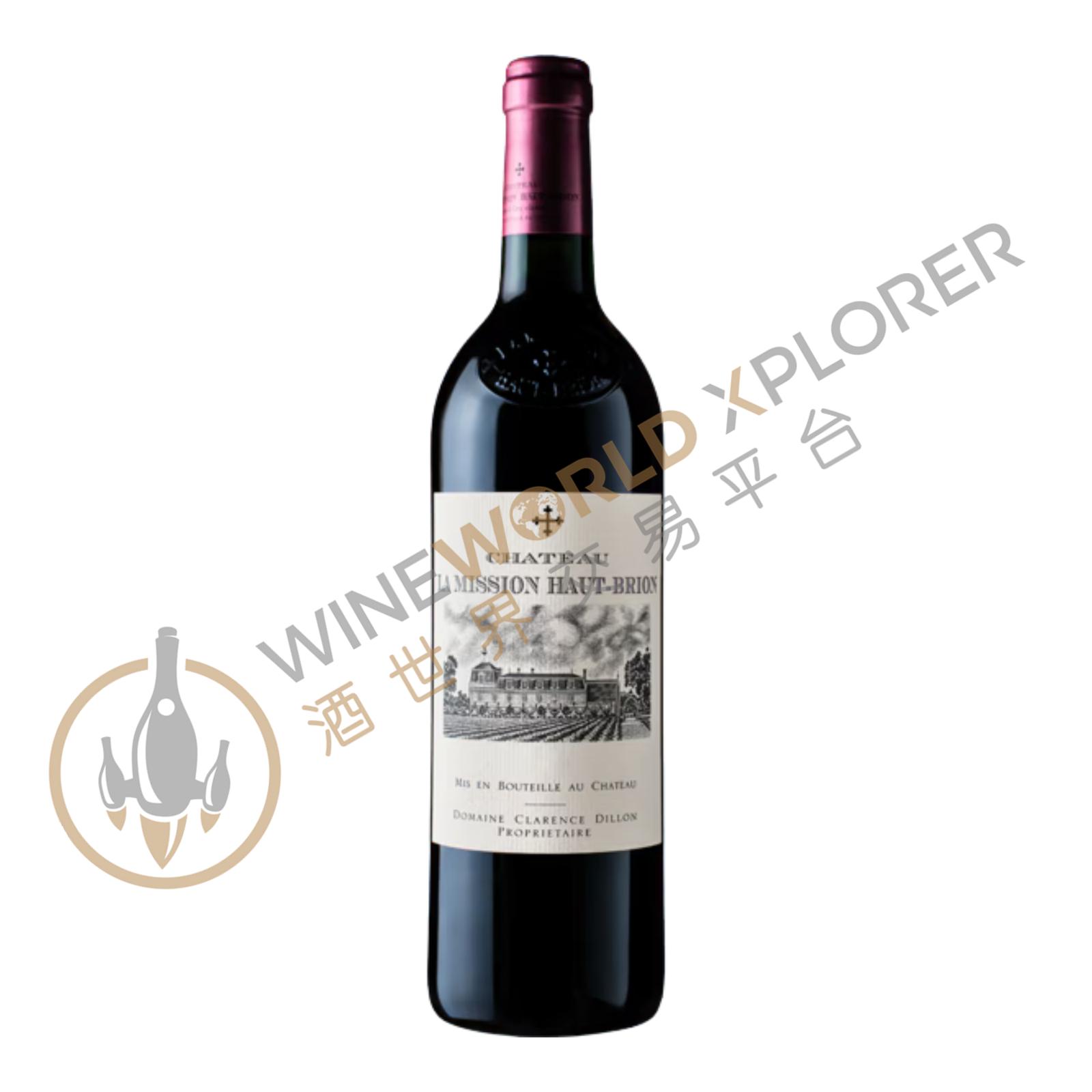
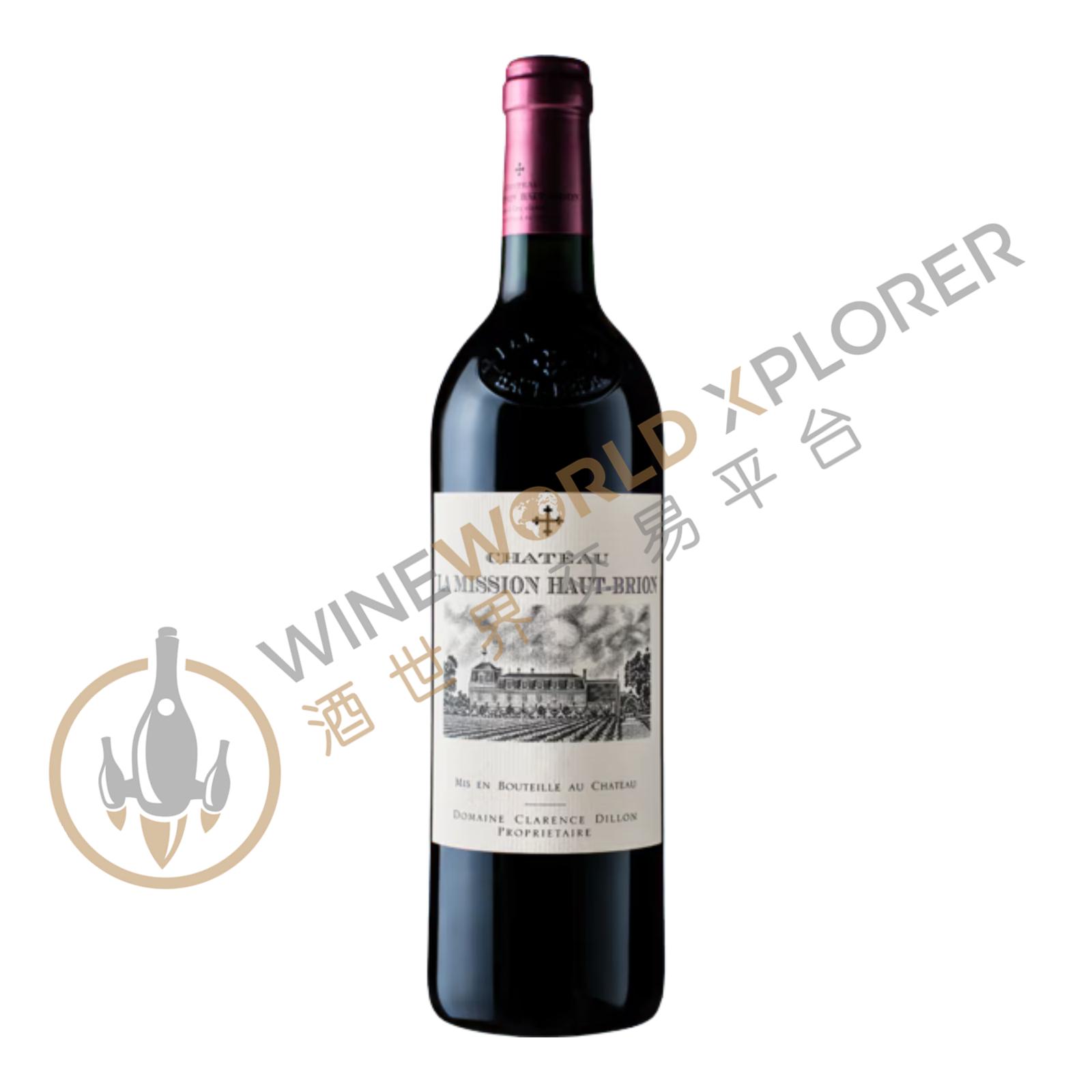
La Mission Haut Brion 1995
 View analysis


Description
Tasting notes

Reviewed by: Neal Martin
This has a bright vermilion rim but the nose is surprisingly subdued at first, but then gains a meaty intensity with a few swirls. It never really gets motoring though. The palate is better, masculine like many 1995s have turned out. Good acidity, grainy texture, notes of blackberry, sour cherry, dried blood and tobacco towards the backward finish that could do with a little more depth. Quite dry on the meaty finish where I was expecting just a little more grip. Tasted May 2008.
Reviewed by: Neal Martin
June 2003: The nose is more intense and opulent than Haut-Brion, though the palate lacks the structure and concentration of the First Growth. Cassis, blueberry and vanilla on the nose. Quite sexy and well-defined. The palate is firm, rigid - it is a wine that needs to loosen up before it becomes enjoyable. But still very harmonious and well-knit, this has a lot of potential. Leave it for 5 years. Then in September 2005 at the Farr horizontal; even better. A deep garnet core. Very intense nose of blueberry, wet sand and vanillary oak. Good complexity of the palate, quite broody and firm but with superb acidity and vivacity. Cohesive and backward with a meaty note developing towards the finish. A very fine La Mission that outclasses the 1996.
Reviewed by: Robert M. Parker, Jr.
The 1995 La Mission-Haut-Brion was tight and closed when I tasted it, not revealing as much fragrance or forwardness as it did on the multiple occasions I tasted it from cask. But don't worry, the wine is obviously high-class, exhibiting a dense ruby/purple color, and a reticent but promising nose of roasted herbs, sweet, peppery, spicy fruit, medium to full body, and admirable power, depth, and richness. As outstanding as it is, readers should not expect the 1995 to tower qualitatively over vintages such as 1994. Anticipated maturity: 2003-2020.
Reviewed by: Robert M. Parker, Jr.
When tasted in March, 1996, I was not convinced the 1995 La Mission was better than the exceptional 1994, but an additional nine months of cask aging has unleashed the wine's more powerful, richer, riper, sweeter fruit, as well as its more glycerin-endowed, fuller-bodied personality. The dark saturated purple color is followed by aromas of sweet, earthy fruit, but the wine has not yet taken on the additional smoky, tobacco, roasted herb complexity of a great Graves. With low acidity and chewy, full-bodied flavors, this intense 1995 appears to be a top-class La Mission-Haut-Brion, not far off the mark established by the profound 1989 and superb 1990. Anticipated maturity: 2000-2020.
Reviewed by: Robert M. Parker, Jr.
This vintage is aging at a glacial pace and the tannins are currently more significant than their counterbalancing components of fruit and glycerin. While the word “potential” seems to be the most positive descriptor for this vintage, there are some nagging doubts about whether all the tannins will melt away and the fruit will hold. As in most 1995s, the color remains a healthy dark plum/purple. One of the bigger wines of the vintage, the ripe, powerful Merlot component has buttressed the Cabernet elements, giving the wine plenty of body, tannin and La Mission’s classic asphalt, cassis, blackberry, smoky barbecue, meaty notes intermixed with a hint of hot rocks. The 1995 is still a young wine and I am beginning to wonder if this vintage overall will resemble 1975 rather than something with more charm? Anticipated maturity: 2020-2035?.
Reviewed by: Robert M. Parker, Jr.
Emerging from a very backward state, the 1995 La Mission has a dense ruby/purple color to the rim. Its nose of smoke, sweet charred earth intermixed with black currant and blueberry as well as mineral is beginning to gain intensity. In the mouth this structured, muscular, medium to full-bodied wine has impressive levels of concentration, extract, and tannin. The wine is still very youthful, and not even an adolescent in terms of its development, but quite long in the mouth and extremely promising. Anticipated maturity: 2010-2030. Last tasted, 9/02.
Reviewed by: Robert M. Parker, Jr.
When tasted in March, 1996, I was not convinced the 1995 La Mission was better than the exceptional 1994, but an additional nine months of cask aging has unleashed the wine's more powerful, richer, riper, sweeter fruit, as well as its more glycerin-endowed, fuller-bodied personality. The dark saturated purple color is followed by aromas of sweet, earthy fruit, but the wine has not yet taken on the additional smoky, tobacco, roasted herb complexity of a great Graves. With low acidity and chewy, full-bodied flavors, this intense 1995 appears to be a top-class La Mission-Haut-Brion, not far off the mark established by the profound 1989 and superb 1990. Anticipated maturity: 2000-2020. Last tasted 11/97
Reviewed by: Robert M. Parker, Jr.
The 1995 opens in the glass, but it lacks the profound concentration and expressiveness found in the greatest vintages of this wine. The healthy dark ruby/purple color is followed by toasty, lead pencil, roasted herb, and black fruit aromas. Medium-bodied, with average concentration, this is a round, rich, well-made, but for now, excellent to outstanding rather unequivocally exceptional example of La Mission-Haut-Brion. Its low acidity suggests it will drink well in its youth, much like the 1994. It has 12-15 years of aging potential. All of the wines in this segment were tasted between March 19 and March 28 in Bordeaux. Most of the important wines from both the 1994 and 1995 vintages were tasted three separate times during my ten-day stay in Bordeaux.
About the Producer
25 hectares of red grape varieties, including Merlot, Cabernet Sauvignon and Cabernet Franc, are planted in the traditional vineyard of the winery; the Werner family's vineyard also has 4 hectares of white grape varieties, including Semillon, Sauvignon Blanc, used for Chateau La Mission Haut-Brion Blanc at different times during the Werner family's reign And the production of the original Chateau Laville Haut-Brion Blanc (Chateau Laville Haut-Brion Blanc). The Werner family's original Chateau La Tour Haut-Brion ceased production after 2005, and the 5 hectares of vineyards it owns are mainly used for the blending of the second red wine of Chateau Meixun. In terms of wine production, the winery will set up screening stations on trucks in the vineyard to screen the manually picked grapes for the first time. Fermentation is then carried out in a stainless steel wine tank equipped with a computer-controlled system that monitors the homogenization and temperature of the wine after measuring the temperature of the pressed grape juice and residue. Clarified with fresh egg whites before bottling, but not filtered.
1982(2)1985(2)1986(2)1987(1)1989(6)1990(4)1991(1)1992(1)1994(2)
Package Size