
 Wine Advisor



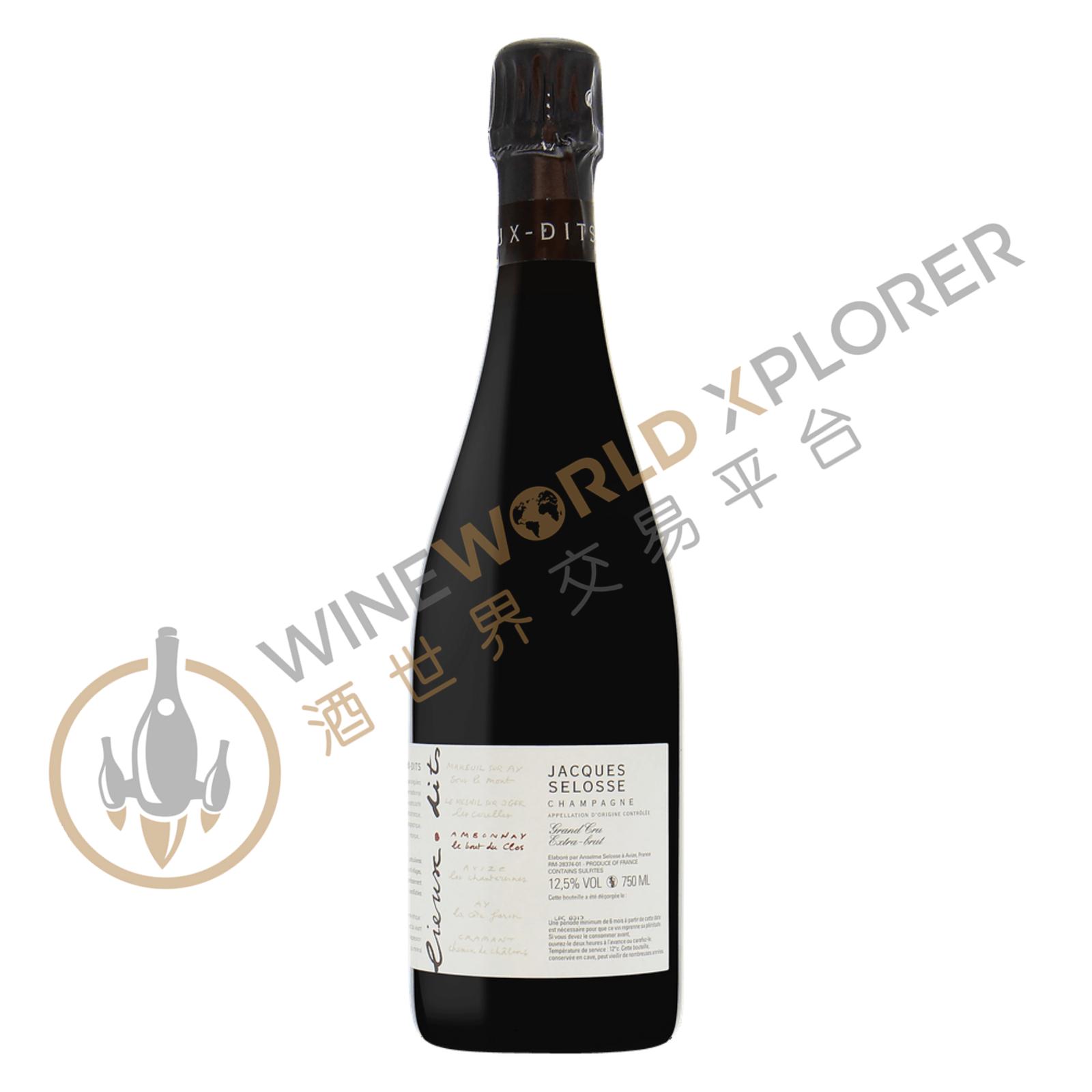
Jacques Selosse, Lieux-Dits 'Le Bout du Clos' Extra Brut Grand Cru NV
 View analysis


Description
Tasting notes

Reviewed by: Antonio Galloni
The NV Extra-Brut Ambonnay Le Bout du Clos (2013) is otherworldly in its beauty. The presence of a touch of Chardonnay in this parcel adds aromatic brightness and a measure of freshness to play off the Pinot. Mirabelle plum, lemon confit, marzipan, chamomile and sweet spice emerge over time, but it is the wine's sensual personality and extraordinary balance that impress most. Disgorged: February 19, 2020.
Reviewed by: Antonio Galloni
The NV Ambonnay Le Bout du Clos Grand Cru is a close second (to the NV Le Mesnil-sur-Oger Les Carelles). I adore the intensity and power of Ambonnay.
Reviewed by: Antonio Galloni
The NV Extra-Brut Ambonnay Le Bout du Clos (2014) is the most complex of the four lieu-dits I was able to taste. It marries power, freshness and energy. It's all there, from the delineated aromatics, to the sculpted fruit, to the underlying veins of salinity that give the wine its shape. I especially admire the freshness and translucence here. Readers who can find the Ambonnay should not hesitate, as it is truly riveting. The Bout du Clos is the only lieu-dit in the collection that is a blend of Pinot Noir and Chardonnay, a blend that works so brilliantly here. Disgorged: February 2, 2021
About the Producer
Jacques Selosse Estate is a highly regarded Champagne house. It is known for its Substance cuvée, and its use of a solera system dating back to 1986, a technique more commonly associated with Sherry. The Brut Initiale and Version Originale are both made from three vintages of Chardonnay from Avize, Cramant and Oger. Jacques Selosse's Flagship cuvée Substance, also a blanc de blanc, is sourced from the Avize terroir. From 2010, the Lieux-Dits Collection of six single-vineyard wines was introduced showcasing specific Champagne villages. In the winery, Jacques Selosse uses oak barrels for fermentation rather than the usual stainless steel. The wines are left on their lees for extended periods, and dosage is kept to a minimum. The estate was set up in the 1950s by Jacques Selosse, who sold a large portion of his grapes to Champagne Lanson. However, the house gained the most fame from his son Anselme Selosse, who took over the running of the estate in 1980. Selosse improved quality, reducing yields and converting the vineyards to organic viticulture. He also began to carefully consider the terroir of the vineyard holdings, particularly in the grand cru villages Avize, Cramant and Oger. Today, he is known for being one of the first to champion terroir in Champagne.
