
 Wine Advisor



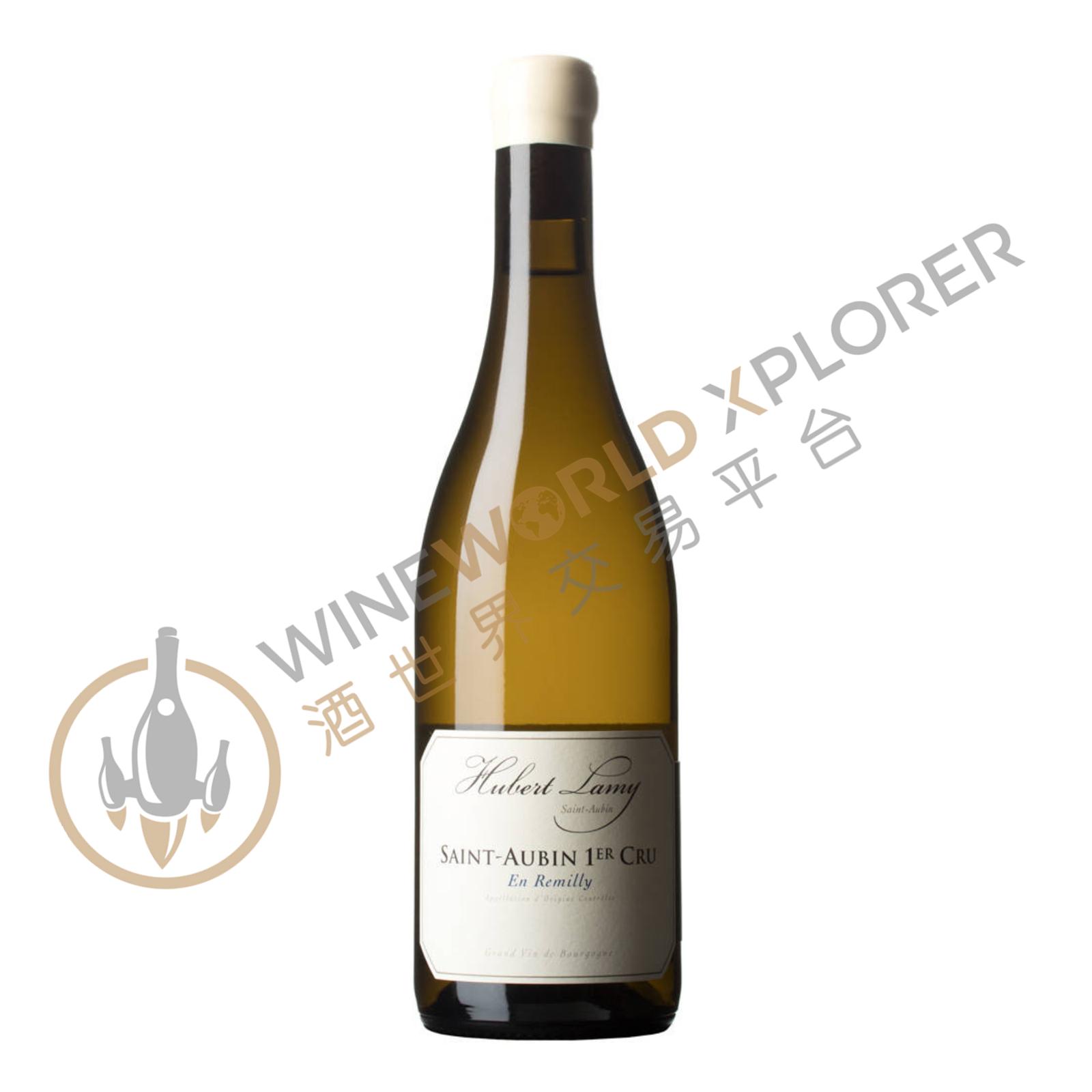
Hubert Lamy, St Aubin 1er Cru En Remilly 2017
 View analysis


Description
Tasting notes

Reviewed by: Neal Martin
The 2017 Saint-Aubin En Remilly 1er Cru has a well-defined, attractive bouquet of pressed flower, honeysuckle and crushed stone aromas; the oak is very well integrated. The palate is tangy on the entry, offering orange peel and sour lemon notes and good depth, and quite salty toward the finish. There is a lot going on in this busy Saint-Aubin and I suspect that it will age well in bottle. Tasted blind at the annual Burgfest tasting in Savigny-lès-Beaune.
Reviewed by: Neal Martin
The 2017 Saint-Aubin En Remilly 1er Cru has an airy, blackcurrant leaf nose, a touch of oyster shell and then more obvious gunflint aromas. The palate is tensile with just a bit of reduction. Yet, there is stupenduous length and grip. This is only just beginning to get going.
Reviewed by: Neal Martin
The 2017 Saint-Aubin En Remilly 1er Cru comes courtesy of 2.02ha of vine planted in 1989. There is a sense of completeness on the nose here: wonderful wet limestone and oyster shell notes, plenty of fruit and concentration. The palate is well balanced with a fresh opening, very saline in the mouth with a vibrant and sustained finish. This is a killer En Remilly.
About the Producer
Hubert Lamy / Hubert Lamy Saint Aubin, Côte de Beaune Puligny Montrachet / Chassagne Montrachet / Santenay French magazine selected as 10 winemakers to support Burgundy for the next decade The Lamy family's history of growing grapes in Saint Aubin dates back to 1640. Hubert learned management and brewing from start to finish with his father Jean. It was renamed Hubert Lamy in 1973 and only holds 8 hectares of vineyards. The young owner and winemaker Olivier Lamy has experienced the baptism of wine-producing countries in the world, and followed Jean-Nicolas Méo in the famous winery Méo-Camuzet to learn the cultivation of natural dynamic methods, and has very high strictness on the quality and yield of grapes standard. In 1995, he returned to the winery to take over the brewing work and inherited the mantle. The vineyard area has now been expanded to 17 hectares. At the same time as the expansion of the wine cellar, it was also changed to the design of natural gravity. The winery has long become the leading liquor maker in Burgundy, France. 70% of the production is sold out by foreign buyers, which is a testament to the high level of Lamy's wines. In terms of planting, the winery adopts the home-style leading branch, and from May to August, green harvesting is carried out every month to take into account the possible changes in the climate and gradually reduce the yield. And it has already been changed to an organic method to strengthen the ecological constitution in the vineyard. The special thing about Hubert Lamy is that he abandoned the small oak barrels of Barrique (225 liters) commonly used in Burgundy, and used a small amount of 300 liters, most of which were fermented and stored in large oak barrels of 600 liters, and almost no longer stirred the barrels after completion. And no filtration and clarification are carried out to maintain the natural pure and dense flavor of the wine, amplifying the terroir flavor to the extreme, which is impressive. Another special feature of the winery is that the highest record per hectare is an ultra-high planting density of up to 30,000 grapes (usually about 12,000), so that a vine often leaves only 2 bunches of fruits, and all the flavors are preserved. Concentrated in fruit grains. In addition, Saint Aubin village is relatively poor and full of soft calcareous soil soil conditions, so that each grape must strive to take root in order to seek nutrients, and thus absorb rich minerality, maintaining the unique concentration and density of the winery. Degrees, like ancient Sparta-like rigorous training, bear the perfect fruit of healthy concentrated concentration. The winery style has a distinctly sharp acidity and at the same time feels the impression of a concentrated and dense fruit, which develops over time as the flavour layers emerge. Bold planting and brewing techniques have created a great Burgundy that is pure, neat, and terroir-led.
