
 Wine Advisor



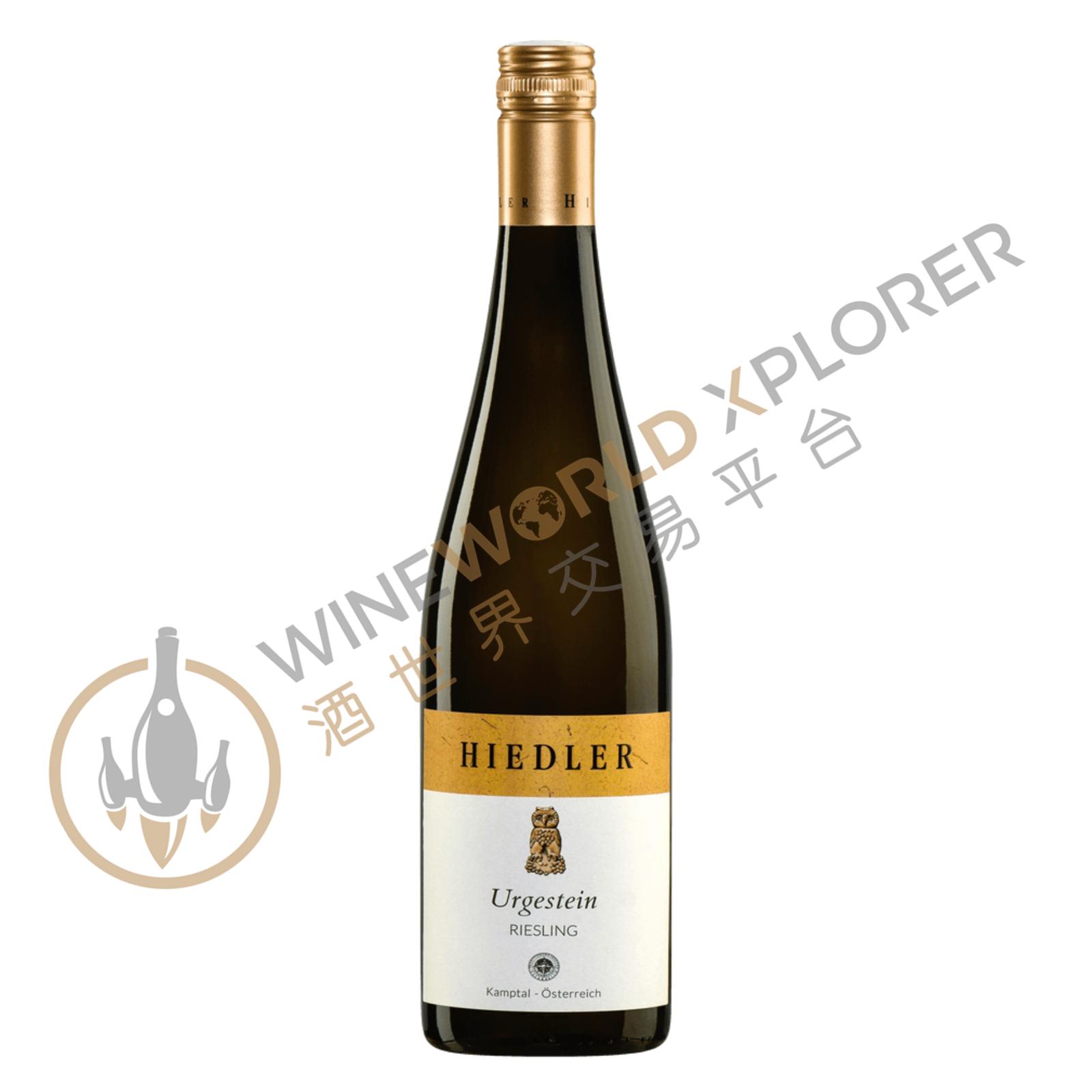
Hiedler, Langenlois Urgestein Riesling 2021
 View analysis


Description
About the Producer
The Hiedler family, comprising Ludwig Hiedler and his sons Ludwig Jr. and Dietmar, is known for crafting some of the most intriguing and texturally compelling wines in the Kamptal region. With Ludwig Sr. stepping back in recent years, his sons now manage the estate, which has been family-operated since 1856. The owl serves as a symbol of this traditional estate located in Langenlois. Recognized by the Archduchy of Austria for its wine quality in the late 19th century, the estate has maintained high aspirations ever since. As a founding member of the ÖTW (Association of Austria’s Traditional Wine Estates), Hiedler has played a significant role in Austria’s vineyard classification since 1992. The family cultivates vines on some of the best vineyard sites in Kamptal, with a deep understanding of origin and site shaping their wine style. Their Erste Lage holdings include notable Riesling parcels in the acclaimed Heiligenstein, Gaisberg, and Steinhaus vineyards. Grüner Veltliner thrives on the mineral-rich loess soils surrounding Langenlois, alongside the family's original vineyards established in the late 19th century in Thal. Additional Erste Lage vineyards include Kittmannsberg, Käferberg, and Schenkenbichl, where vines grow on unique amphibolite rock. A pioneer in ecological winegrowing, Hiedler continues to implement sustainable vineyard practices. Green vegetation and wild herbs enrich the soils, promoting a healthy ecosystem for beneficial organisms. Vines are tended by hand, with mechanical soil management, and only organic compost is used for fertilization. The use of copper is minimized, and there has been a strict abstention from herbicides and pesticides for decades. All grapes are selectively harvested by hand, adhering to long-standing traditions. In the cellar, the family maintains their natural approach. Ludwig Hiedler utilizes local Kamptal yeast, avoiding enzymes and sulfurization during juice processing. After fermentation, wines mature in stainless steel or acacia casks, benefiting from extended lees contact and selective bâtonnage. Notably, malolactic fermentation is allowed to occur naturally, adding a unique dimension of texture and depth to both Grüner Veltliner and Riesling from this exceptional region.
