
 Wine Advisor



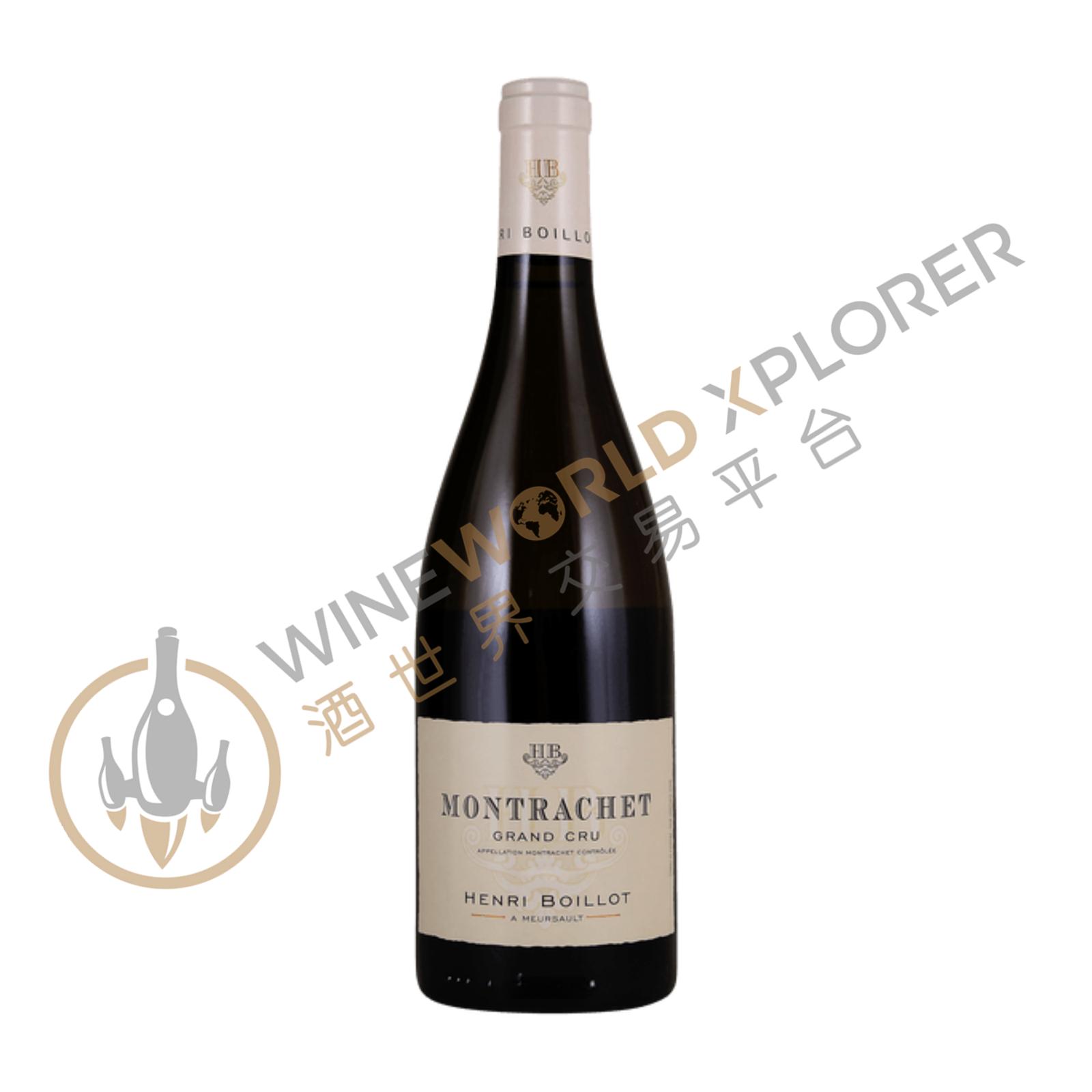
Henri Boillot, Montrachet Grand Cru 2014
 View analysis


Description
Tasting notes

Reviewed by: Stephen Tanzer
Deep, musky aromas and flavors of peach, linden flower, beeswax, iodine and smoky minerality. Large-scaled and voluptuous but with a light touch, offering extraordinary precision for such a plush wine. Finishes classically dry but not austere, with great persistence. This wonderfully balanced, electric wine should make a spectacular bottle that's also true to its vintage. Boillot told me that he was able to buy--and vinify--grapes for the first time; previously he took possession of the barrels in February. I understand for the first time that Montrachet is a great site for Chardonnay, he told me, adding that the wine will probably be drinkable early or in 20 years.
Reviewed by: Stephen Tanzer
Deep, musky aromas and flavors of peach, linden flower, beeswax, iodine and smoky minerality. Large-scaled and voluptuous but with a light touch, offering extraordinary precision for such a plush wine. Finishes classically dry but not austere, with great persistence. This wonderfully balanced, electric wine should make a spectacular bottle that's also true to its vintage. Boillot told me that he was able to buy--and vinify--grapes for the first time; previously he took possession of the barrels in February. "I understand for the first time that Montrachet is a great site for Chardonnay," he told me, adding that the wine will probably be drinkable early or in 20 years.
About the Producer
Domaine Henri Boillot, located in the wine-producing village of Meursault in the Cote de Beaune, Burgundy, France, is a winery with a long history of quality. The vineyards of Château Boileau are located in the Côtes de Bern and Cote de Nuits appellations. The grapes for the white wines are mainly produced in the Grand Cru and Premier Cru of Prigny-Montrachet, where the soil is mainly brown limestone with occasional limestone clay soils, giving the white wines a complex and elegant taste. The grapes for the red wines come mainly from the first growths of the Volnay appellation, where the soils are mainly schist and limestone, giving the wines aromatic intensity and finesse. Château Boisrot follows traditional winemaking techniques. When the grapes reach optimum ripeness, they are picked by hand and transported to the winery. In the winery, the grapes are carefully selected and destemmed by the winery workers in order to select the best quality fruit. For the white wines, the grapes are pressed after breaking their skins and the must is then poured into fermenters where it is partially fermented and transferred to new French oak barrels for maturation. Unlike white wines, red wines are made by placing the broken skins of the grapes directly into the fermenters, allowing the skins to come into contact with the juice to extract the right amount of pigments, tannins and flavours. After fermentation, all red wines are matured in new French oak barrels, allowing oxygen to penetrate through the grain and soften the tannins, giving the wine a smooth texture and complex aromas. Currently, all of Château Boisrot's white wines are made from Chardonnay, a fresh and fruity wine that has been described as the 'star of white wines' in Burgundy. The red wines are all made from Pinot Noir, a rich and powerful wine that has received a great deal of praise from wine critics and wine reviewers.
