
 Wine Advisor



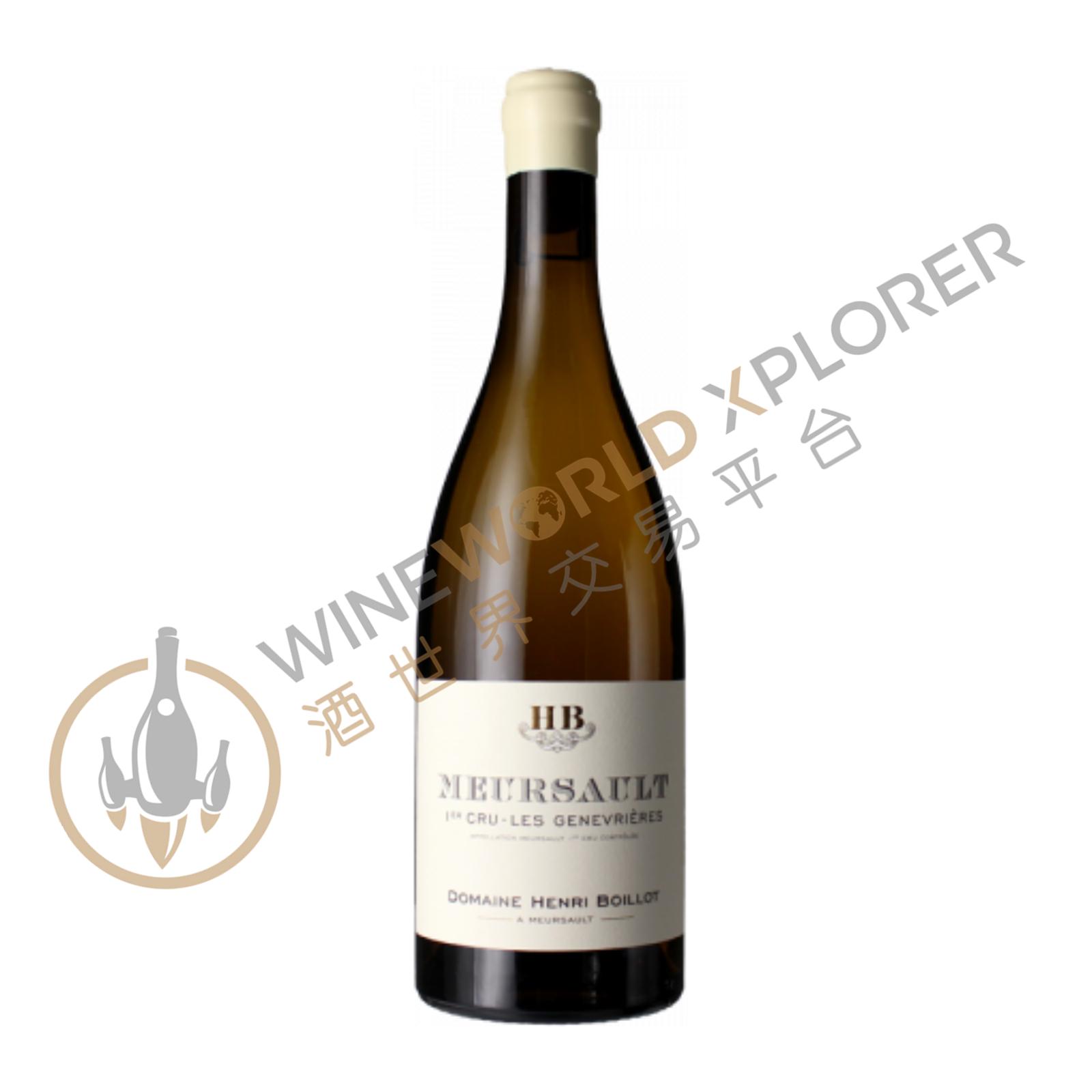
Henri Boillot, Meursault 1er Cru Les Genevrieres 2009
 View analysis


Description
Tasting notes

Reviewed by: Antonio Galloni
The 2009 Meursault Genevrieres flows with a rich tapestry of aromas and flavors. There is considerable volume and depth in the ripe yellow stone fruit. Constantly changing in the glass, the Genevrieres impresses for its complexity, underlying minerality and fabulous overall balance. I especially like the way the wine is constantly changing in the glass, always a sign of greatness. Anticipated maturity: 2014+. Henri Boillot began harvesting on September 3rd, which he thought was critical in maintaining as much freshness as possible. All of the wines were aged in 350-liter light-toast Francois Freres barrels, with no batonnage. These are some of the most viscerally thrilling, textured 2009s readers will come across. Boillot’s ever-growing collection of negociant wines is reviewed separately. I tasted with Boillot at his Volnay facility, and was thus able to only taste a handful of 2010s, all Domaine (rather than Maison) wines. The 2010s I did taste were exciting and hugely promising. Importer: ?
Reviewed by: Neal Martin
The Genevrieres has fine mineralite on the nose, very precise and quite elegant. The palate is crisp and apply on the entry, very good weight and harmony with touches of orange zest and yellow plum towards the well defined finish. Excellent. Tasted January 2011.
Reviewed by: Neal Martin
The 2009 Meursault 1er Cru Genevrieres displays a refined bouquet that demands coaxing from the glass, reluctantly offering faint scents of orange blossom and lemon thyme. The palate is neutral on the entry with Puligny-like nervosite and a crisp citrus finish, although I am seeking more Genevrieres personality to come through and lend race to this 2009 Meursault. Drink 2014-2020.
About the Producer
Domaine Henri Boillot, located in the wine-producing village of Meursault in the Cote de Beaune, Burgundy, France, is a winery with a long history of quality. The vineyards of Château Boileau are located in the Côtes de Bern and Cote de Nuits appellations. The grapes for the white wines are mainly produced in the Grand Cru and Premier Cru of Prigny-Montrachet, where the soil is mainly brown limestone with occasional limestone clay soils, giving the white wines a complex and elegant taste. The grapes for the red wines come mainly from the first growths of the Volnay appellation, where the soils are mainly schist and limestone, giving the wines aromatic intensity and finesse. Château Boisrot follows traditional winemaking techniques. When the grapes reach optimum ripeness, they are picked by hand and transported to the winery. In the winery, the grapes are carefully selected and destemmed by the winery workers in order to select the best quality fruit. For the white wines, the grapes are pressed after breaking their skins and the must is then poured into fermenters where it is partially fermented and transferred to new French oak barrels for maturation. Unlike white wines, red wines are made by placing the broken skins of the grapes directly into the fermenters, allowing the skins to come into contact with the juice to extract the right amount of pigments, tannins and flavours. After fermentation, all red wines are matured in new French oak barrels, allowing oxygen to penetrate through the grain and soften the tannins, giving the wine a smooth texture and complex aromas. Currently, all of Château Boisrot's white wines are made from Chardonnay, a fresh and fruity wine that has been described as the 'star of white wines' in Burgundy. The red wines are all made from Pinot Noir, a rich and powerful wine that has received a great deal of praise from wine critics and wine reviewers.
