
 Wine Advisor



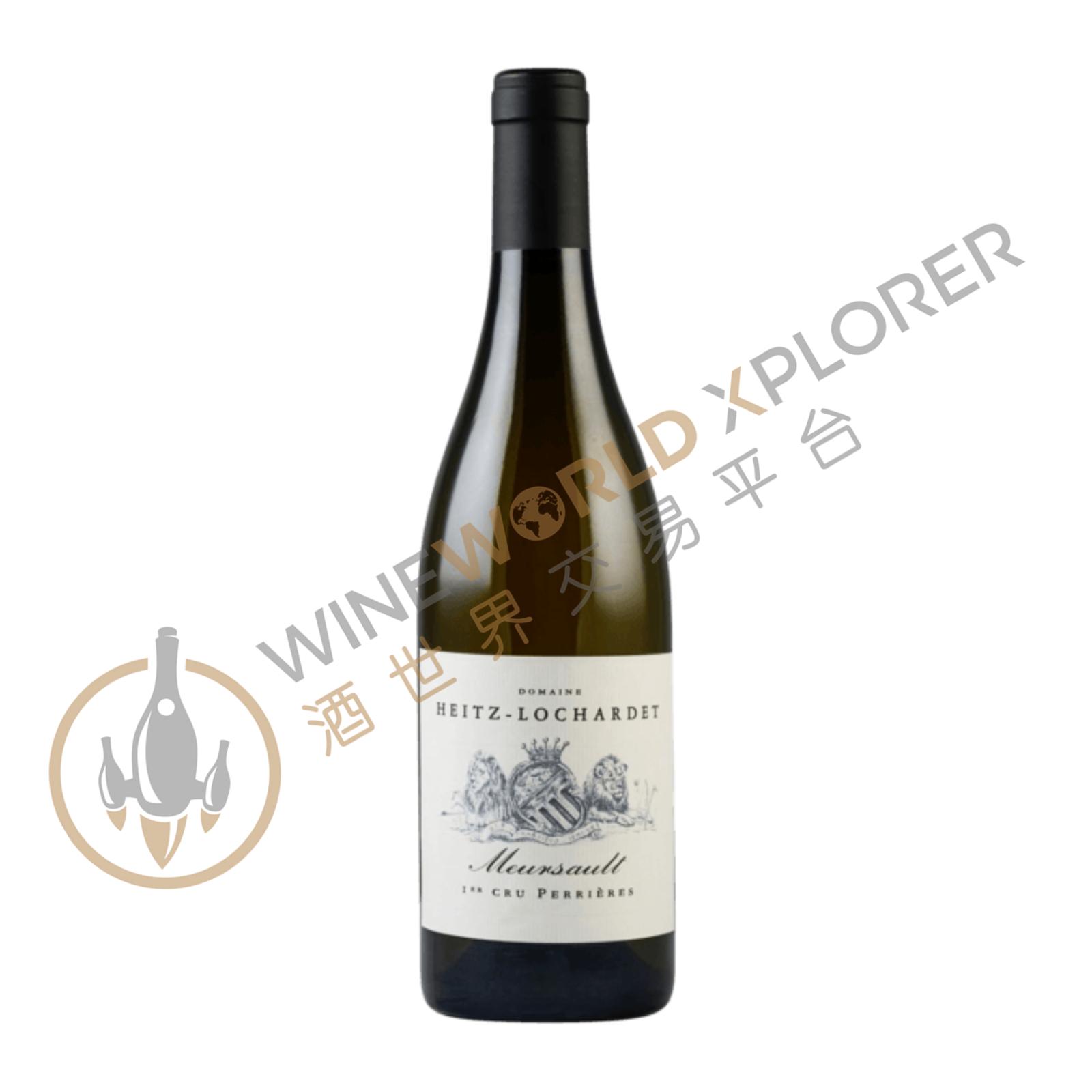
Heitz Lochardet, Meursault 1er Cru Les Perrieres 2017
 View analysis


Description
Tasting notes

Reviewed by: Neal Martin
The 2017 Meursault Les Perrières 1er Cru has a well-defined bouquet that features lime flower and crushed stone but lacks some intensity compared to its peers. Early picking? The palate is well balanced, taut and fresh, with a saline entry and fine acidity. There is a little sharpness toward the citric finish, although there is also satisfying length. Fine and quite elegant. Tasted blind at the annual Burgfest tasting in Savigny-lès-Beaune.
Reviewed by: Neal Martin
The 2017 Meursault Les Perrières 1er Cru has a well-defined bouquet that features lime flower and crushed stone but lacks some intensity compared to its peers. Early picking? The palate is well balanced, taut and fresh, with a saline entry and fine acidity. There is a little sharpness toward the citric finish, although there is also satisfying length. Fine and quite elegant. Tasted blind at the annual Burgfest tasting in Savigny-lès-Beaune.
About the Producer
The history of the estate begins with the Nié-Vantey family. The family then owned vines from Santenay to Clos de Vougeot and had a significant trading activity. Mr. Georges Lochardet, a great wine merchant on the Côte de Beaune, marries Marcelle Nié. They then owned twenty hectares of vines as well as several farms. Their son Armand Lochardet inherited half of the estate. Armand Heitz, the grandson of Armand Lochardet, obtained his oenologist diploma after his studies at the Changins engineering school in Switzerland and then took over the reins of the Domaine. In 2012, Armand began growing vines on a plot of Burgundy Chardonnay and Pinot Noir.After this experience, the estate decided to expand in order to offer a more diversified range of appellations. Armand discovered that many plots lacked vitality due to excessive cultivation, and even after using biodynamic methods for 5 years without improvement, he decided to try to follow sustainable agriculture and agroecology to rebuild an environment suitable for microbial survival. In just 6 months, the vineyard returned to its original vitality. He believes that wine should not only focus on the quality of the grapes themselves, but that the entire grapevine is the source of all wine quality. Therefore, Armand uses whole-cluster fermentation for both red and white wines. As the owner Armand Heitz gains more attention, the winery has officially changed its name from Heitz-Lochardet to Armand Heitz since 2019.
