
 Wine Advisor



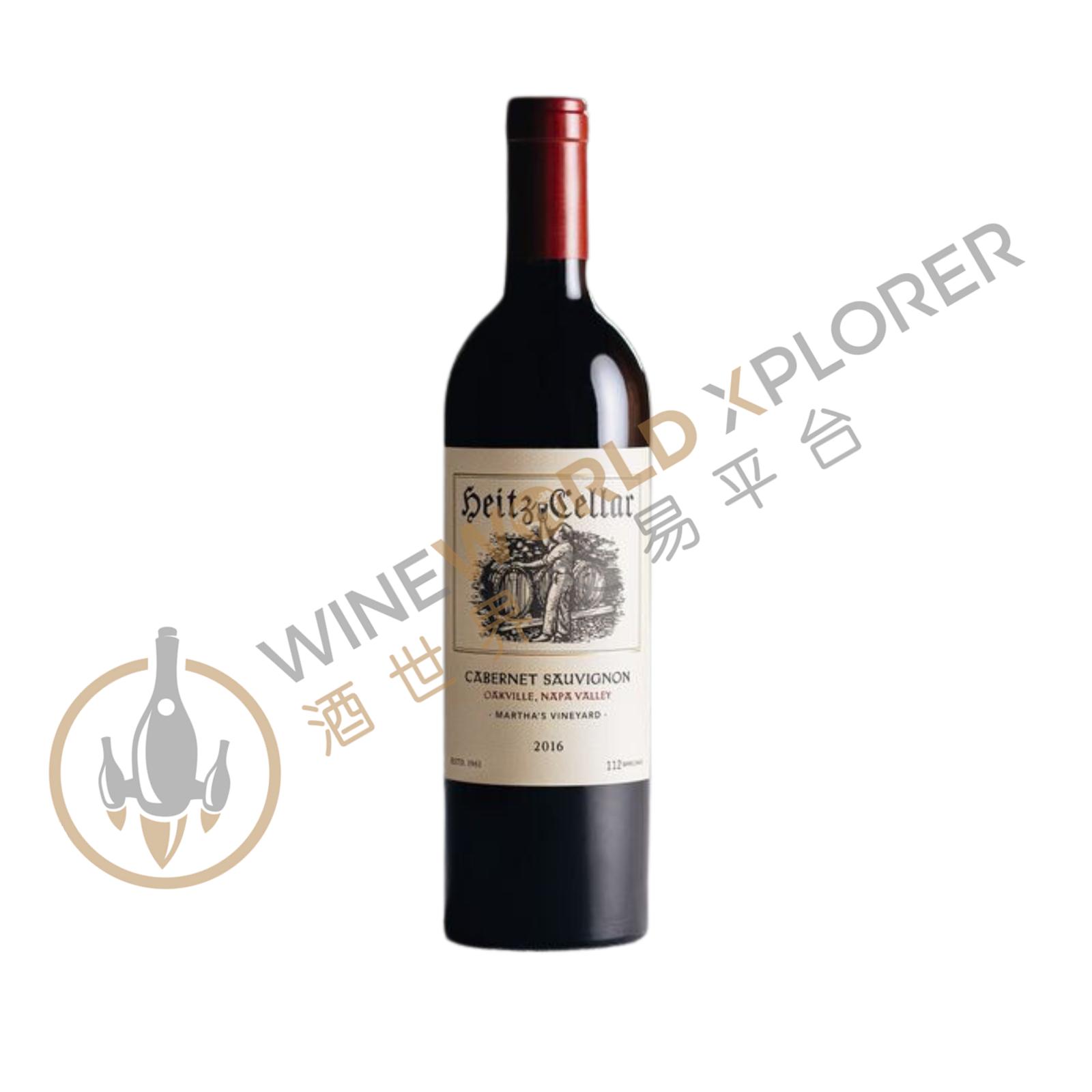
Heitz Cellar, Martha's Vineyard Cabernet Sauvignon 1986
 View analysis


Description
Tasting notes

Reviewed by: Robert M. Parker, Jr.
The 1986 Cabernet Sauvignon Martha's Vineyard reveals a garnet color, with some amber just beginning to appear at the rim. Although uncomplex, the nose offers sweet, curranty fruit, and damp, earthy, foresty aromas. The wine's attack reveals sweet, full-bodied, cherry and black fruit flavors, and a robust, concentrated finish. The coarse, astringent tannin kept my score from going higher. This could still turn out to be an outstanding wine, but the thick, juicy fruit it exhibited in its youth appears to have quickly taken a back seat to the wine's structural components ... acidity and tannin. It can be drunk or cellared for another 10-15+ years. This wine was less impressive than when I first tasted it. The tasting notes for this section are from two single blind tastings, one conducted in May, 1996, in California, and the other in June, 1996, in Baltimore.
About the Producer
Family owned since its founding in 1961, Heitz Cellar’s legacy runs as deep as the roots throughout the Napa Valley; a winery legend that has helped shape the history of Napa Valley winemaking. In the late 1950s, pioneering vintner Joe Heitz ushered in Napa’s modern era with his iconic, globally celebrated wines, including Napa Valley’s first vineyard-designated Cabernet Sauvignon, the renowned Heitz Cellar Martha’s Vineyard. Fifty-eight years of the Heitz family’s dedication to viticulture, stewardship, and classic winemaking maintained the winery’s notoriety as a benchmark amongst its peers in California and Europe. In April 2018, Heitz Cellar was passed into the hands of the Lawrence family, whose deep roots in agriculture and commitment to the same core values of fine winemaking made it a perfect match. The wines are made with an unwavering commitment to quality from organically farmed, 100% Napa Valley fruit, and a commitment to the sustainability of Napa Valley. The prized estate vineyards are planted in six of Napa Valley’s sub-appellations: Oakville, Rutherford, St. Helena, Howell Mountain, Oak Knoll District, and Calistoga, giving them an incredible breadth of diversity in terroir, allowing them to craft wines that are a pure representation of place. Their roots keep us grounded to the entirety of Napa Valley and at the same time, keep them mindful of their responsibility to maintain a sustainable environment. 100% of their vineyards are grown certified CCOF organic, with a move towards biodynamic farming in the near future.
