
 Wine Advisor



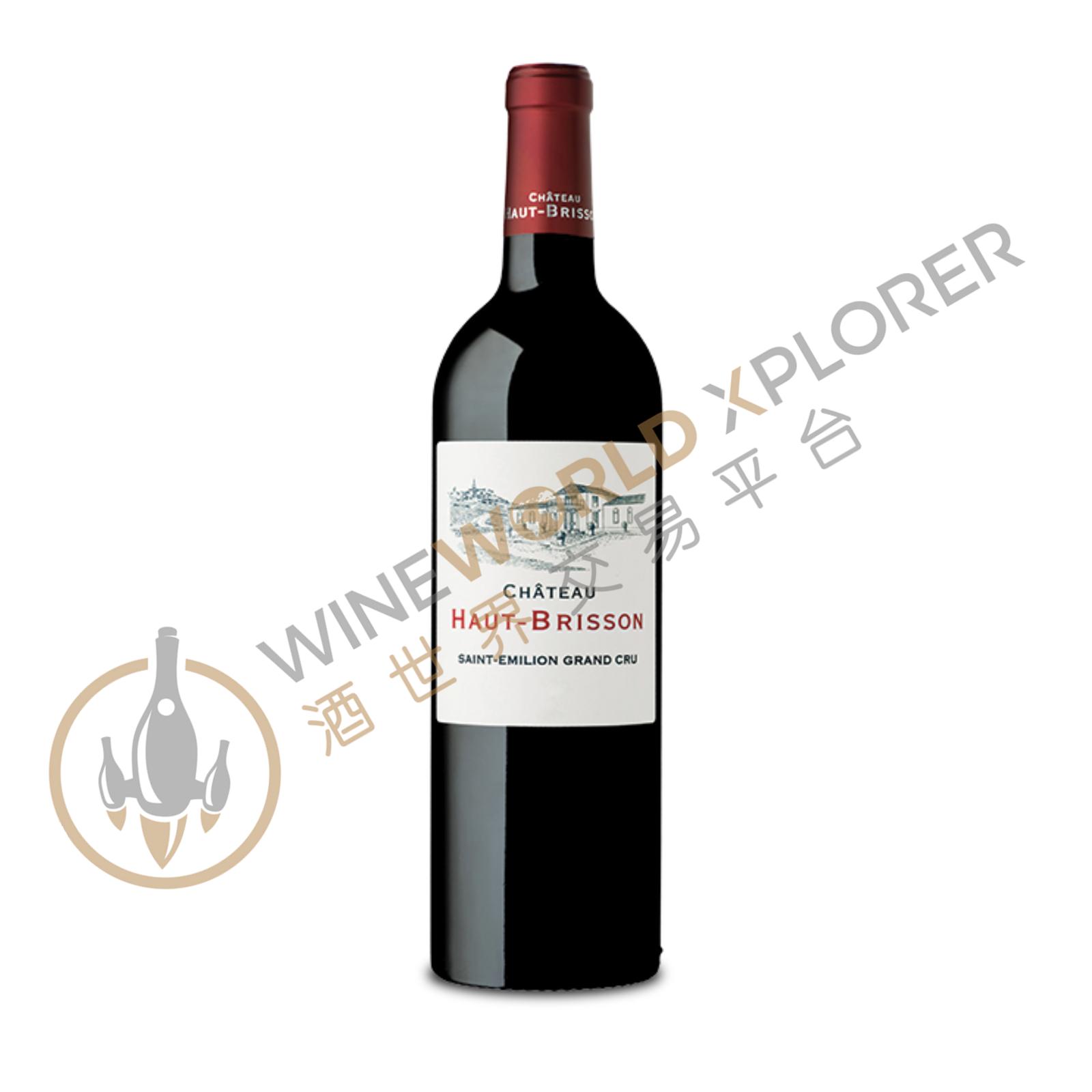
Haut Brisson 2000
 View analysis


Description
Tasting notes

Reviewed by: Robert M. Parker, Jr.
One of St.-Emilion's most attractive over-performers, Haut-Brisson is generally available for a realistic price. The well-made 2000 offers a deep ruby/purple color as well as sweet black currant and cassis fruit intertwined with fennel and underbrush characteristics. With good ripeness, sweet tannin, and low acidity, it will drink well between 2003-2010.
Reviewed by: Robert M. Parker, Jr.
A sleeper of the vintage, this excellent St.-Emilion estate has fashioned a beautifully pure, medium to full-bodied, opaque purple-colored wine offering a moderately intense bouquet of melted licorice, graphite, blackberries, and cassis with a hint of new oak in the background. Deep, chewy, full-bodied, and elegant, with vibrant acidity as well as moderate tannin in the long finish, it will be at its finest between 2003-2015.
Reviewed by: Robert M. Parker, Jr.
One of Saint-Emilion's most attractive over-performers, Haut-Brisson is generally available for a realistic price. The well-made 2000 offers a deep ruby/purple color as well as sweet black currant and cassis fruit intertwined with fennel and underbrush characteristics. With good ripeness, sweet tannin, and low acidity, it will drink well between now and 2010.
About the Producer
Chateau Haut Brisson is located in the St. Emilion region of France. The Saint-Emilion appellation, where Château d'Aubusson is located, has hot, dry summers, long days and cool nights, which are ideal for growing quality grapes. The five vineyards, 51et 57rangs, Cailloux, Huck, Verdot and Monbousquet, have an area of 89 acres, with soils rich in organic matter, producing wines with silky tannins. The Huck vineyard, with its fine gravel surface, produces elegant wines. The vineyard is planted with Merlot, Cabernet Sauvignon and Cabernet Franc, and the average age of the vines is 40 years. To maintain the natural balance of soil fertility and organic matter, the vines are grown without the use of chemical fertilisers, synthetic herbicides or pesticides. In winter, when the vines are dormant, they are pruned and cut by hand. During the harvest season - late September and early October - the grapes are selected and picked by hand for optimum ripeness. The harvested grapes are immediately transported to the cellar for destemming, sorting and pressing. The grapes are then macerated in the fermenters at low temperatures for 5 days to extract the colour, tannins and other flavours from the skins. As the maceration progresses, the temperature in the fermenters rises and alcoholic fermentation begins. Once fermentation is complete, the wine is transferred to oak barrels to mature for 15 to 18 months. The type of oak barrel used for maturation and the degree of toasting varies according to the wine. Finally, the unfiltered or clarified wines are bottled in the winery. Château Aubisson produces three wines, La Reserve, Chateau Haut-Brisson and La Grave, notably the 2009 vintage of La Reserve, which was awarded 95 points by Robert Parker.
